9 Best Herbs for New Gardeners
If you’re new to gardening, herbs are the perfect place to begin. They don’t need perfect soil, fancy tools, or years of experience. Most just want sunlight, some water now and then, and a gardener that’s excited to grow them. Let’s walk through the best herbs for new gardeners and how to grow them successfully, whether you’re planting in containers, raised beds, or a small backyard garden.
Herbs are some of the most forgiving plants you can grow. Most germinate quickly, bounce back from small mistakes, and reward you almost immediately with fragrance and flavor. And it’s a boost of confidence harvesting something you grew yourself.
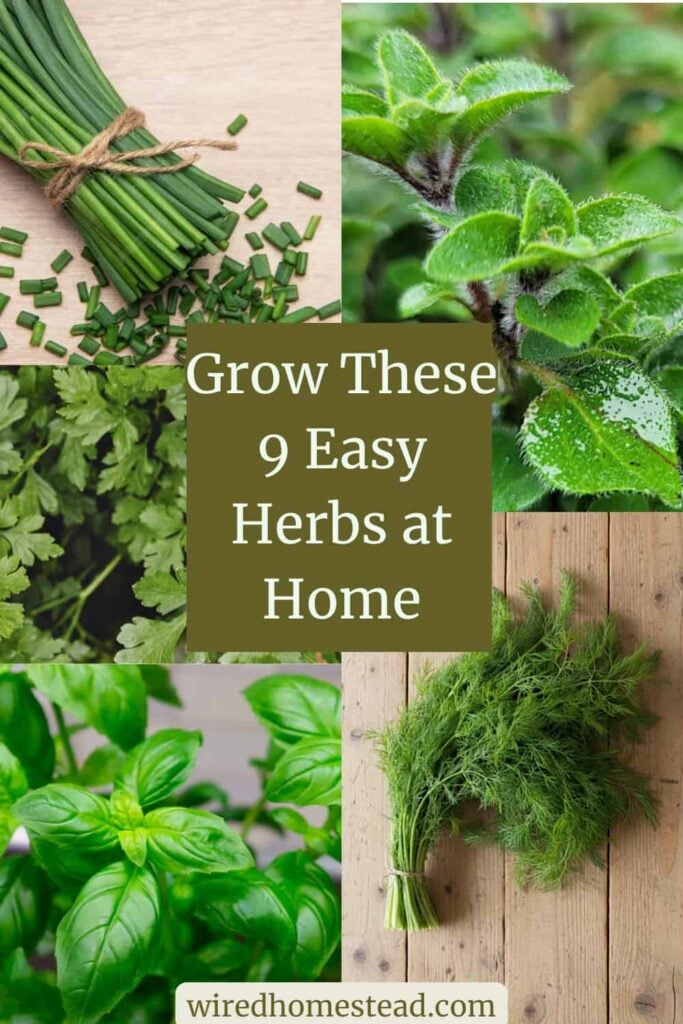
Pin It For Later ⤵️
What Makes an Herb Beginner-Friendly?
Not all herbs are easy to grow. Some require special conditions, are hard to germinate, and have very fussy needs. The best herbs for new gardeners tend to share a few important traits:
- Fast germination or easy transplanting
- High tolerance for missed waterings
- Minimal pest and disease issues
- Ability to grow well in containers
- Clear visual cues when they need care
These herbs help you grow as a gardener without yelling at you if you do something wrong. They’re the perfect ones to start with.
The Best Herbs for New Gardeners
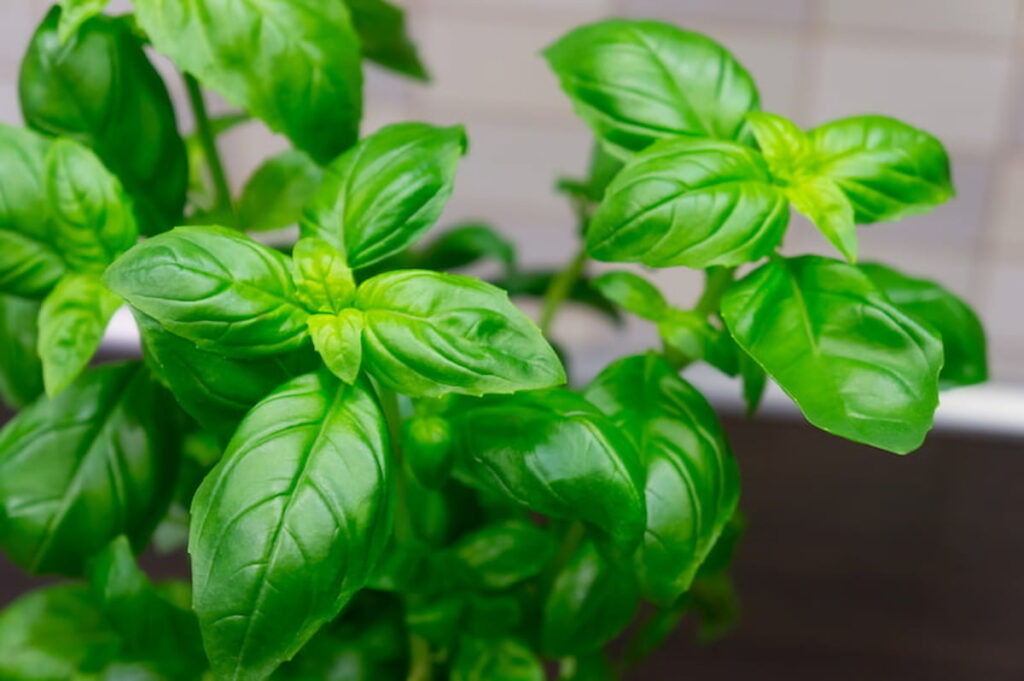
Basil
Basil is often the first herb gardeners grow and they often fall in love with it. I know I did! It grows quickly, smells amazing, and loves to be harvested. The more you pinch it back, the bushier it becomes and the more you get. Basil thrives in warm weather and sunshine and does very well in containers. It’s easy to start from seed, and starts are very easy to find at the store. Both options work great for basil.
Basil is great for anything Italian, it also makes a refreshing tea. To get even more from basil, read Unlocking the Power of Basil – Health Benefits You Need to Know.
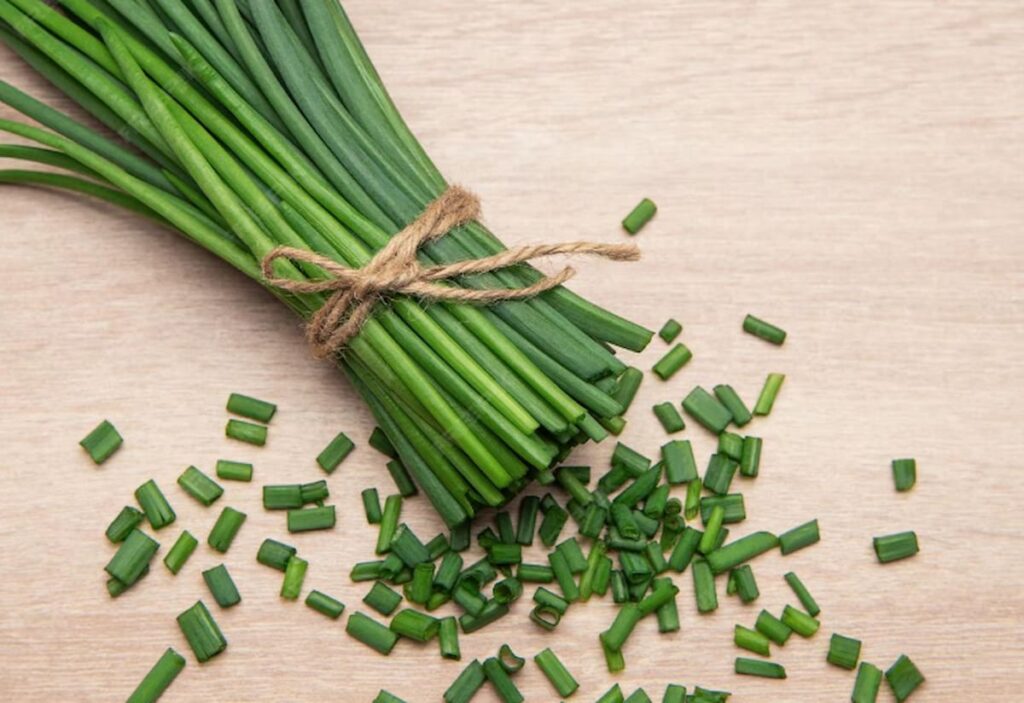
Chives
Chives are one of the easiest perennial herbs you can grow. Once planted, they return year after year with almost no effort. Their slender green leaves are mild in flavor and perfect for beginners who want a “plant it and forget it” experience. Sometimes called the “lazy gardener” experience. That’s me, a lazy gardener who loves not having to plant something year after year. Chives are also easy to grow from seed or find as starts at the store.
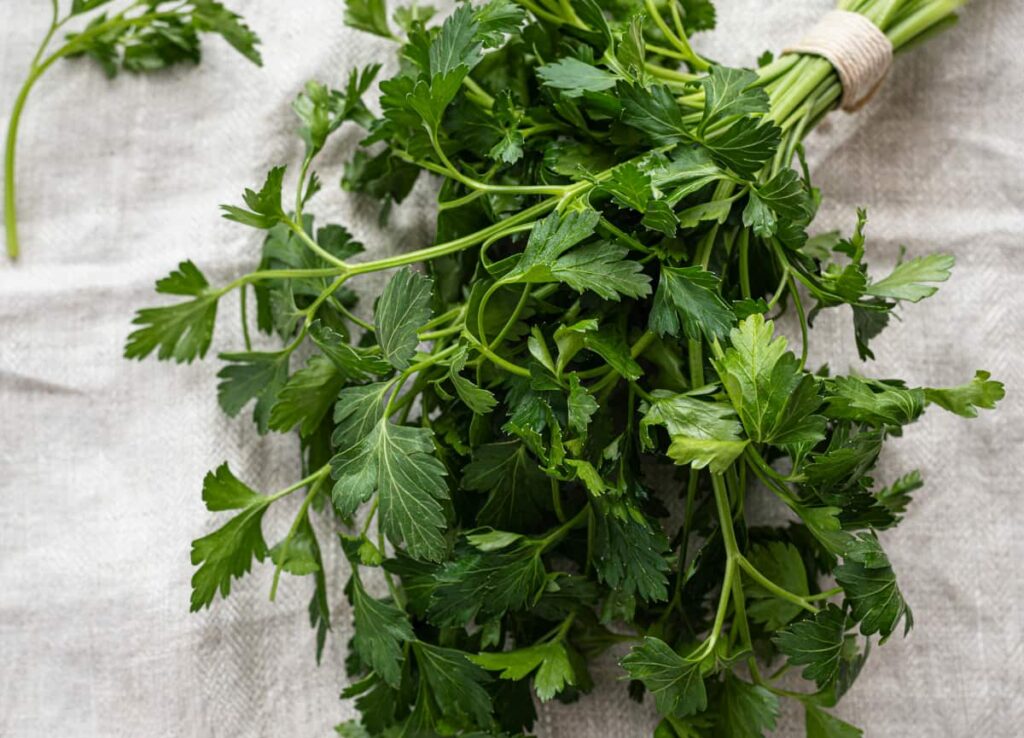
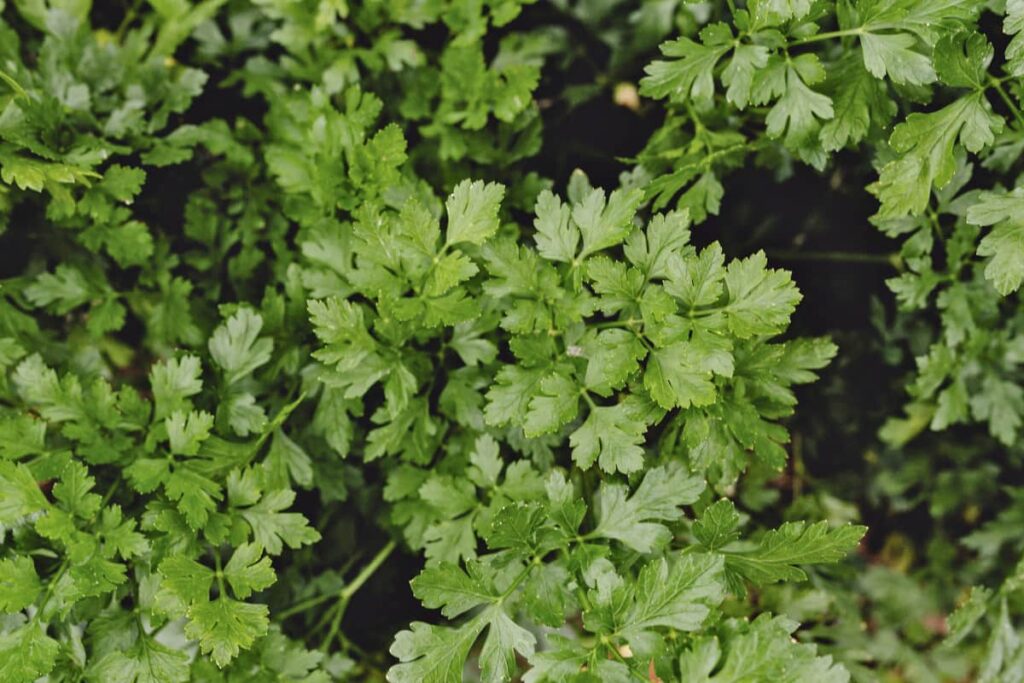
Parsley
Parsley can be slow to sprout, but once established it’s surprisingly hardy. It tolerates cooler temperatures and keeps producing leaves even when other herbs slow down and start to die off. Parsley works well in both garden beds and containers. If you live in a mild climate you might find your parsley will come back next year. You can find parsley seeds and starts at just about every store that has a garden section.
Parsley also has some wonderful health benefits beyond just making food taste delicious. If you want to read more about that check out Health Benefits of Parsley.
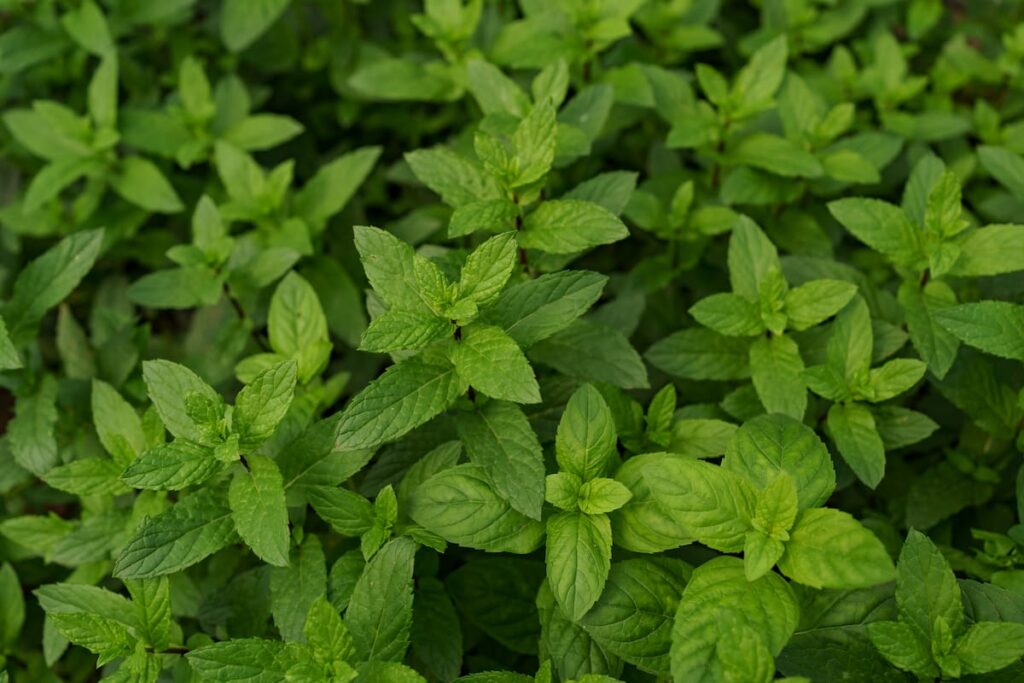
Mint
Mint is famous for being nearly indestructible. It grows fast, thrives even when neglected, and smells amazing. The main rule to keep in mind with mint is it needs to be contained. Plant it in a pot unless you want it to take over your garden beds. Mint is best grown from starts. Most stores with garden centers will have different types of mint to choose from. The most popular are spearmint, peppermint, and chocolate mint. All are great options!
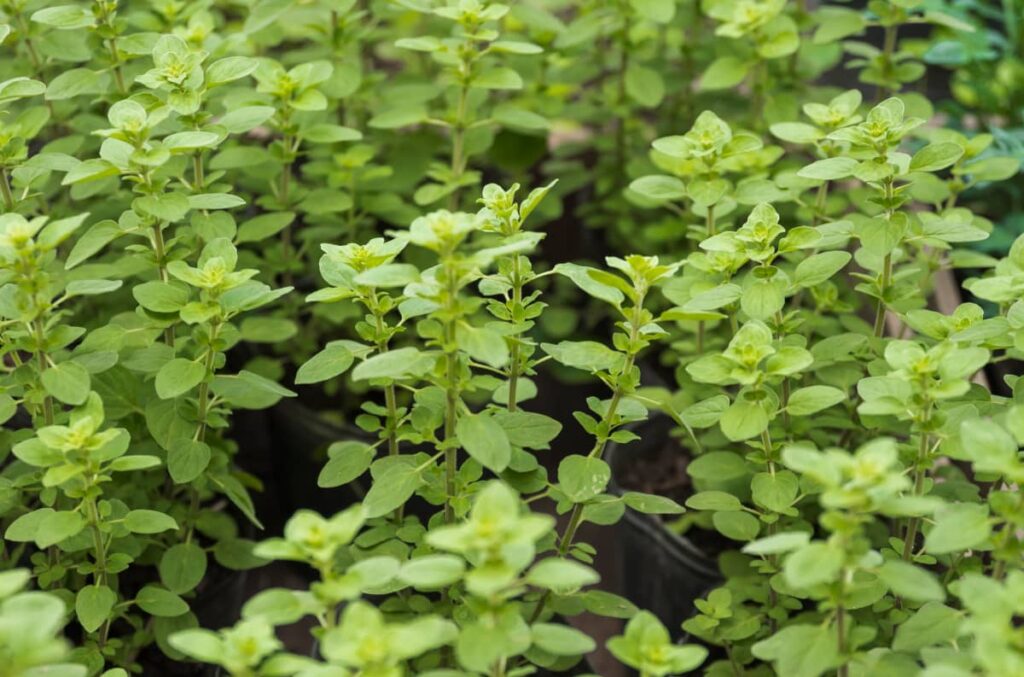
Oregano
Oregano thrives on a little neglect. It prefers well-drained soil and plenty of sun and doesn’t mind if you forget to water occasionally. This makes it an easy herb to grow and great for beginners. Greek oregano is the most common type of oregano. It can be grown easily from seed or found as a start in your local store.
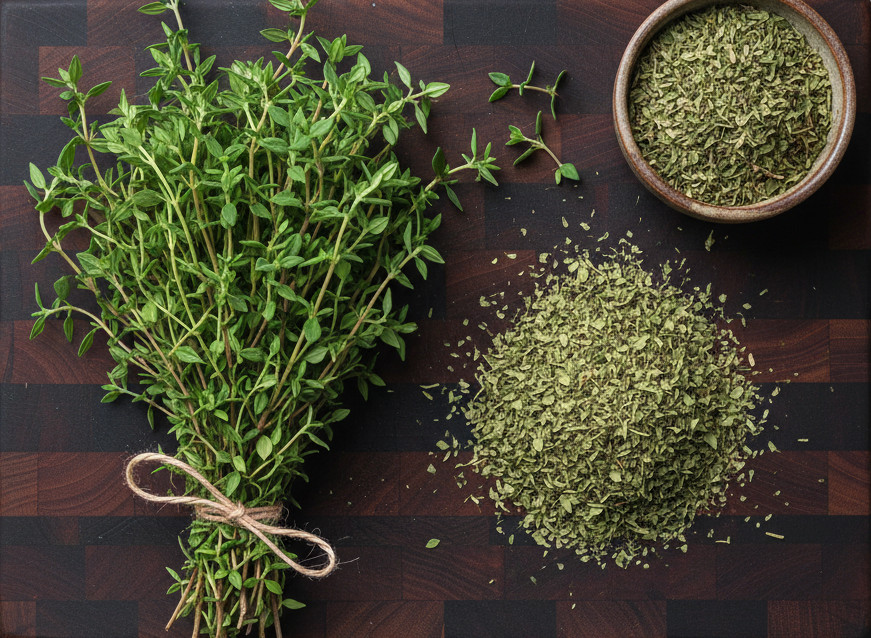
Thyme
Thyme is drought-tolerant and ideal for small spaces. It grows slowly but steadily and doesn’t require much attention. Thyme is an excellent container herb and works beautifully in raised beds. I’ve grown it quite successfully in a hanging planter. Thyme grows easily from seed or you can likely find starts at a store near you.
Just like parsley, thyme also has some great medicinal properties. You can learn more about this plant by reading Medicinal Properties of Thyme.
Cilantro
Cilantro grows quickly and rewards you fast, which can be encouraging for beginners. It requires cooler weather and will bolt in heat. That’s the only tricky part to cilantro. Planting it in early spring or fall makes it much easier to find success with this herb. You’re likely to only find starts for cilantro in the spring, most stores will not have starts in the fall. But cilantro couldn’t be easier to grow from seed.
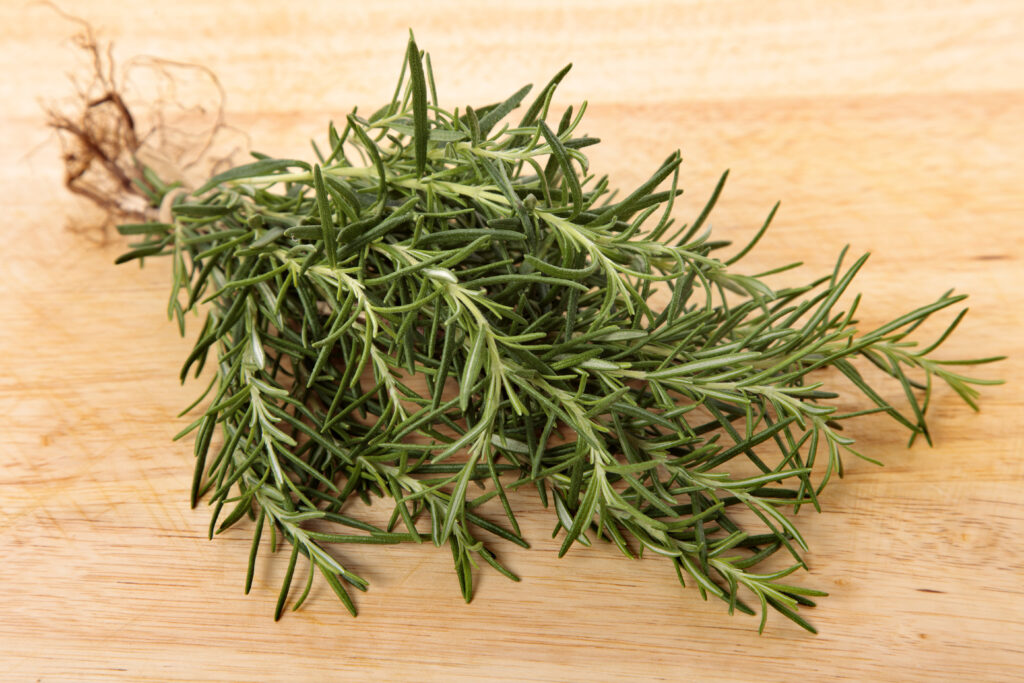
Rosemary
Rosemary is a woody perennial that does very well in containers or in a garden bed. It prefers drier soil and prefers sunlight, but can thrive in partial shade as well. This makes it a great choice for gardeners. In mild climates, rosemary can grow for years. Here in W. Washington, I had rosemary growing in a small area near my front door, partially under an overhang, and it grew shockingly well. Once you get rosemary established, you’ll likely have it a long time. You can grow rosemary from seed or use starts. I’ve had success with both.
Many of your basic culinary herbs have health benefits beyond food. Read Medicinal Properties of Rosemary to learn more about this herb.
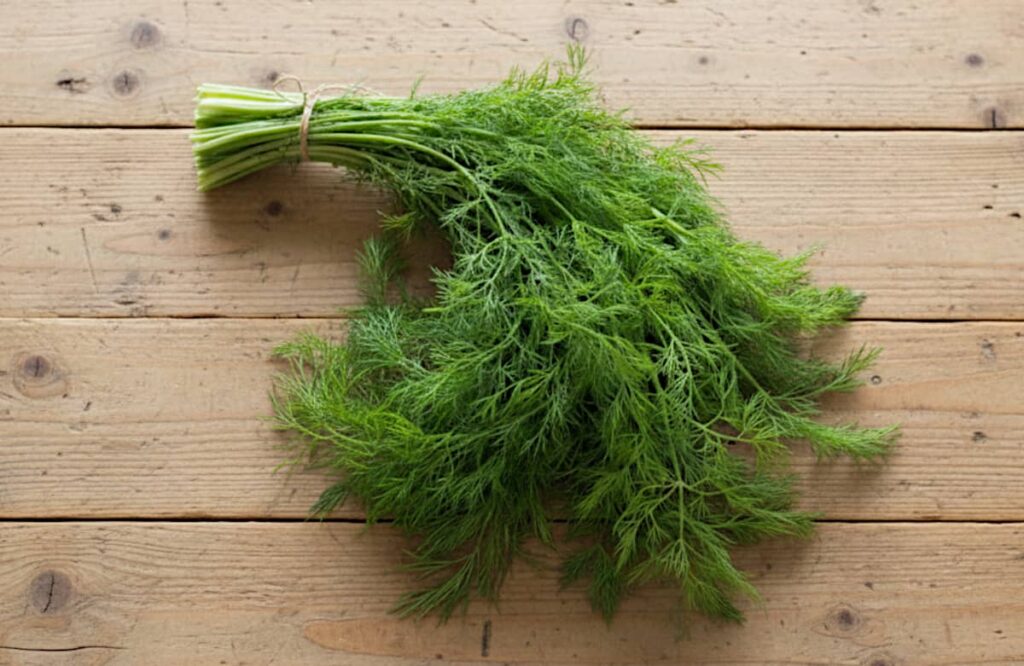
Dill
Dill is easy to grow from seed and often reseeds itself if you let it. It grows tall and feathery and attracts beneficial insects to the garden. It can also attract aphids as well, so be aware of that. Dill prefers cooler temperatures and full sun. I’ve grown it successfully from seed and using starts.
Container vs Garden Bed: What’s Best for New Gardeners?
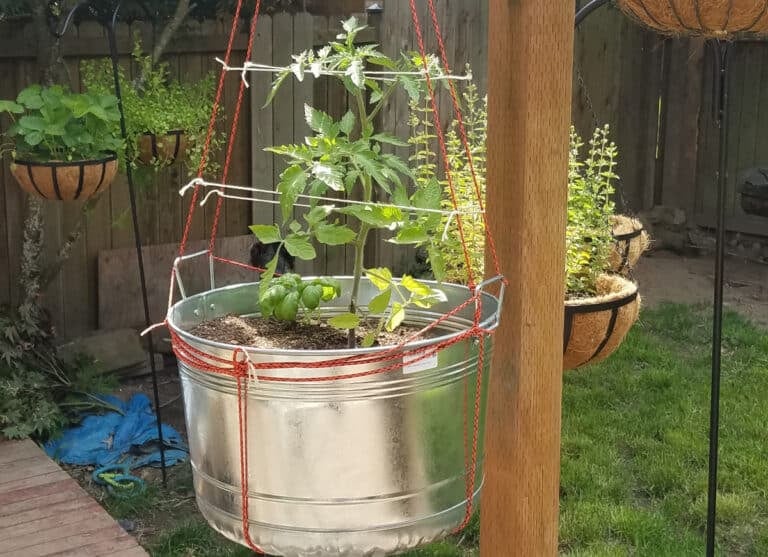
Many beginner gardeners find containers less intimidating than in-ground beds. Containers offer better control over soil, drainage, and placement. They’re also a much more accessible way to garden if you do not have a yard, have a small yard, or are in any way limited on space. Herbs like basil, mint, thyme, and rosemary are especially well-suited for pots.
Garden beds work beautifully for chives, parsley, oregano, and dill, especially if you have well-draining soil and good sun exposure. You can still grow all of these in containers as well. Don’t let that discourage you!
If you’re unsure, it can be a good idea to start growing them in containers. These herbs transplant well. You can always move them to a garden or raised bed later if you choose.
Common Beginner Mistakes (and How to Avoid Them)
- Overwatering: Most herbs prefer soil that dries slightly between waterings. Feel an inch down. If you still feel wet soil do not water.
- Too little sun: Most herbs need at least six hours of sunlight daily, but they can grow with less. The growth will likely be slower, however.
- Not harvesting enough: Regular harvesting encourages more growth.
- Letting mint roam free: Always contain mint unless you’re ready for it to completely takeover.
Gardening is learned through doing. Mistakes aren’t failures. They’re lessons.
A Simple Starting Plan
If you’re feeling overwhelmed, start with just three herbs: the three you use the most. My 3 best herbs for new gardeners would be basil, thyme, and oregano. Plant them in containers, place them in full sun, and harvest often. Every small success builds confidence.
Once you see how forgiving herbs can be, you’re likely to be excited to grow even more.
For more information on seed starting see my post on 15 Tips for Seed Starting.
Beginner Herb Gardening Frequently Asked Questions
Q: Can I grow herbs indoors?
A: Yes! Many herbs do very well indoors, especially if they get enough light. A sunny windowsill (at least 6 hours of light) or a grow light works beautifully. Compact herbs like thyme, basil, and chives are great indoor choices.
Q: How much sunlight do herbs need?
A: Most culinary herbs thrive with 6–8 hours of direct sunlight each day. Some herbs like cilantro and parsley can tolerate partial shade, but generally, more light equals healthier, fuller plants. Other herbs may grow in less sunlight, but growth will be much slower.
Q: How often should I water my herbs?
A: Water when the soil an inch down feels dry. In warm weather or containers, you may need to water daily. Woody herbs like rosemary and thyme prefer soil that dries out a bit between waterings, while softer herbs like basil enjoy regular moisture.
Q: What are the easiest herbs to grow?
A: Some of the most forgiving beginner herbs include:
- Basil
- Parsley
- Chives
- Mint
- Oregano
These herbs are hardy, adapt to a range of conditions, and usually don’t require much fuss.
Q: Can I grow herbs from grocery store cuttings?
A: Yes! Many herbs, such as basil, mint, and rosemary, can be propagated from cuttings. Place stems in water until roots form, then transplant into soil.
Q: When is the best time to plant an herb garden?
A: Spring is the ideal time to plant most herbs outdoors after frost danger has passed. Many herbs can also be started indoors earlier and transplanted once conditions are right.
Q: What soil do herbs like?
A: Herbs generally prefer well-draining soil. Most don’t like “wet feet,” and soil that stays too damp can lead to root rot. If planting in containers, choose a potting mix with good drainage; in the ground, amend heavy soils with compost or sand.
Q: Why are my herb leaves turning yellow?
A: Yellow leaves often mean overwatering, poor drainage, or not enough light. Adjust your watering and ensure the plant gets adequate sun.
Q: How do I keep herbs from bolting?
A: Bolting (going to seed) happens when plants feel stressed, especially in heat. Keep them well-watered, pinch off flower buds as they form, and plant cool-season herbs like cilantro in spring or fall.
Q: Can herbs survive winter?
A: Annual herbs (like basil and cilantro) won’t survive frost, but many perennials (like oregano, thyme, and chives) can overwinter with mulch or be brought indoors in colder climates.
Q: How should I harvest herbs without harming the plant?
A: When harvesting, cut no more than about one-third of the plant at a time. Snip stems just above a leaf node — this encourages new growth and keeps your plant healthy.
Q: Can I grow herbs together in one pot?
A: Yes! But be mindful of their water and space needs. Herbs with similar light and moisture requirements pair best. For example, Mediterranean herbs (oregano, thyme, rosemary) enjoy the same conditions. Herbs like cilantro and parsley may prefer slightly more moisture and cooler weather.
Pin It For Later ⤵️