Natural Remedies for Garden Pests: Simple Things That Work
One evening the vegetable garden looks full and thriving, and the next morning it feels like pests have declared war overnight. I know, I’ve been there. But the truth is, garden pests are part of a healthy garden. Who wouldn’t want to eat your tasty vegetables! Learning natural remedies for garden pests isn’t about eliminating every insect. If that’s your goal I’m afraid to tell you it’s impossible. Instead, you want to understand what’s happening and who’s taken residence Then strengthen your plants and use organic pest control methods that protect your soil, pollinators, and harvest.
Pin It For Later ⤵️
Identify Garden Pests Before Taking Action
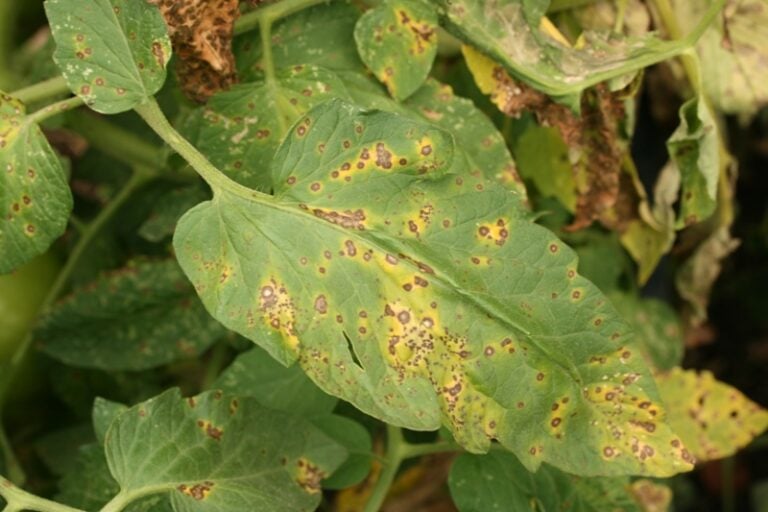
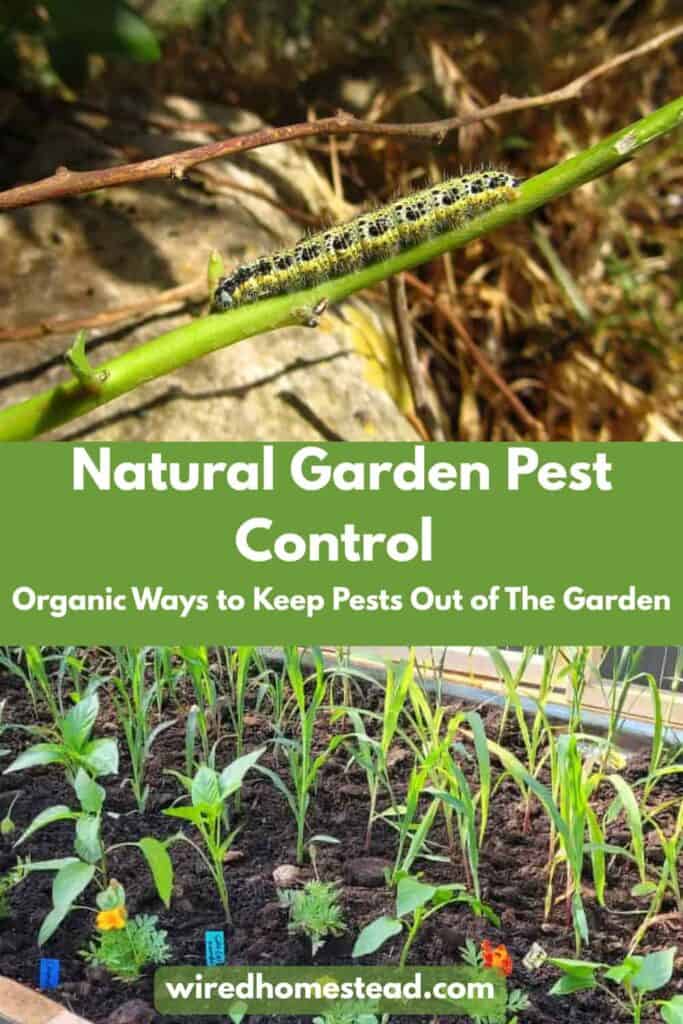
One of the most important first steps in natural pest control is identifying the pest correctly. Different insects cause different types of damage, and treating the wrong problem can make things worse. You can’t treat something when you don’t know what you’re treating. I’ve made that mistake and I’m here to make sure you don’t!
Chewed leaves often point to caterpillars or beetles. Sticky residue on leaves and stems usually means aphids. Seedlings cut off at the soil line overnight are a common sign of cutworms. Slug damage often appears as irregular holes, or they can also take out your seedlings like cutworms.
I’ve learned that spending a few minutes observing the garden, especially early in the morning before they’ve had a chance to hide for the day, can help identify the pest you’re dealing with. When you know what you’re dealing with, you can choose the most effective natural pest remedy instead of reacting out of panic.
Healthy Soil Creates Pest-Resistant Plants
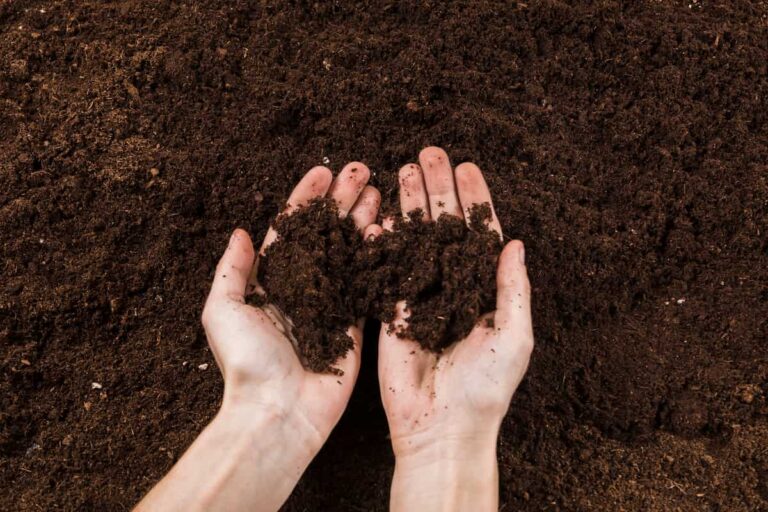
Strong plants are the foundation of organic garden pest control. Stressed or weak plants attract insects far more easily than healthy ones. I swear they can sense weakness. Try not to give them that chance!
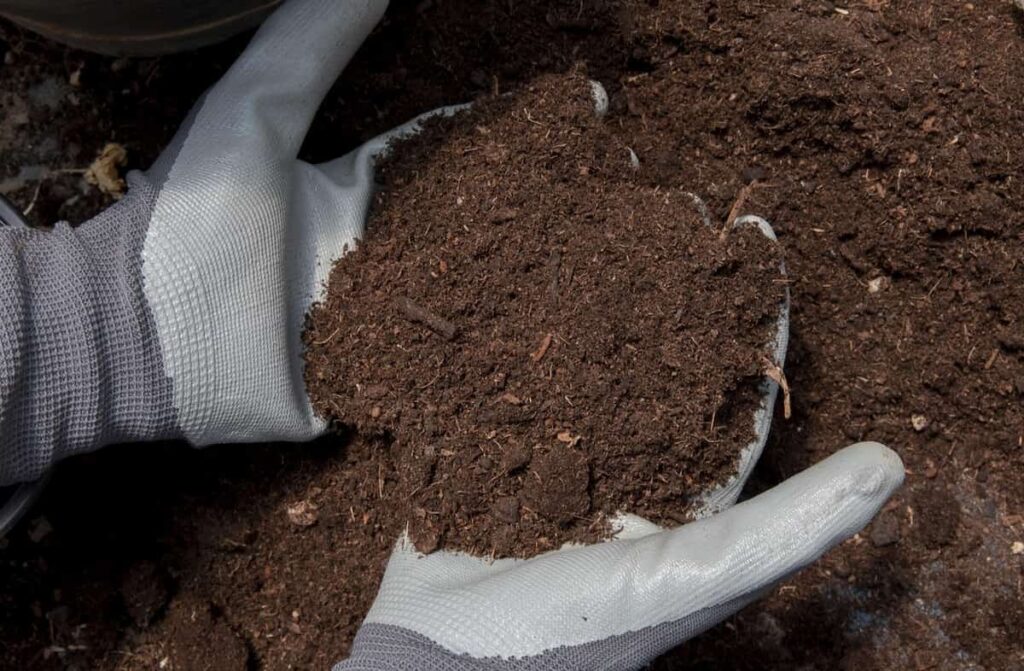
Focus on improving soil health with compost and organic matter. Space plants properly to allow good airflow. Each plant requires different spacing distances, so refer to your seed packets or the tag that came with your starts to learn the specifics for each plant.
Water consistently and deeply rather than shallow. Consistent doesn’t necessarily mean frequently. Water when you put your finger into the soil and it feels dry 2 inches down. Overwatering can stress plants and make them more susceptible to pest invasion.
Avoid excess nitrogen, which causes fast, tender growth that many pests love. Don’t avoid it all together, especially for plants where leaf growth is the goal (lettuce, kale, spinach, etc.) But don’t fertilize more than the plant needs. Follow your fertilizer’s instructions. More is not always better!
Many common garden pest problems begin in poor soil. When the soil is alive and balanced, plants can tolerate minor insect damage without too much of an issue.
Encourage Beneficial Insects for Natural Pest Control
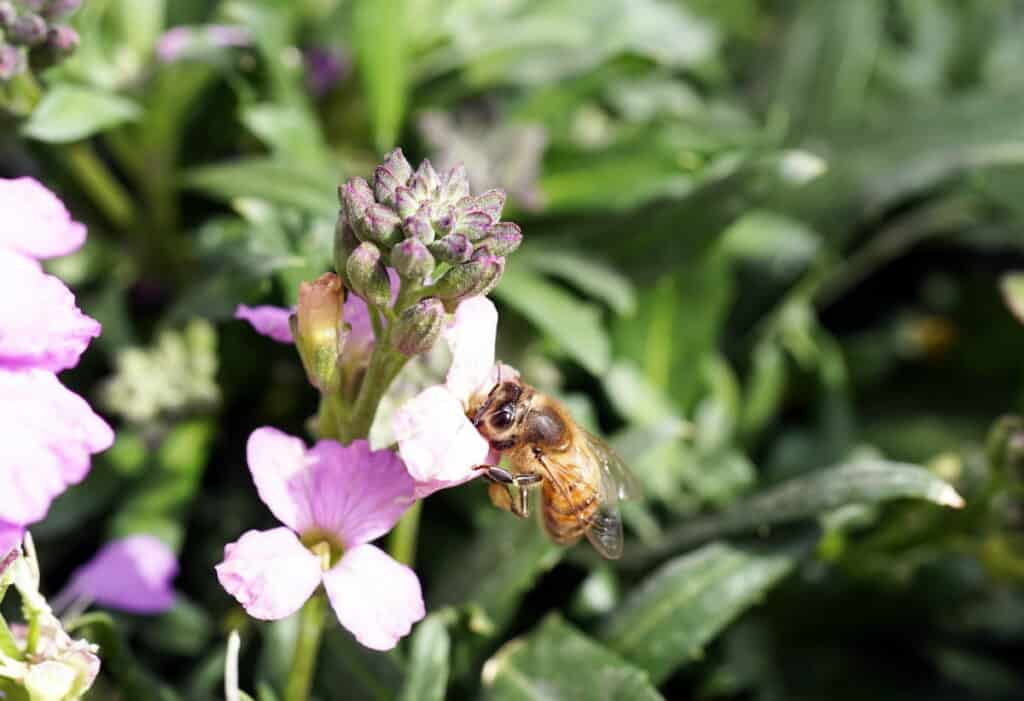
Not all bugs are bad. In fact, some of the most effective natural remedies for garden pests involve letting helpful insects do the work for you.
Ladybugs, praying mantis, lacewings, parasitic wasps, birds, frogs, and spiders all help control aphids, caterpillars, and other destructive insects. You can often buy ladybugs and praying mantis from a local garden store during your growing season. In your area you might find other beneficial insects you can get depending on what the most common pests are where you live.
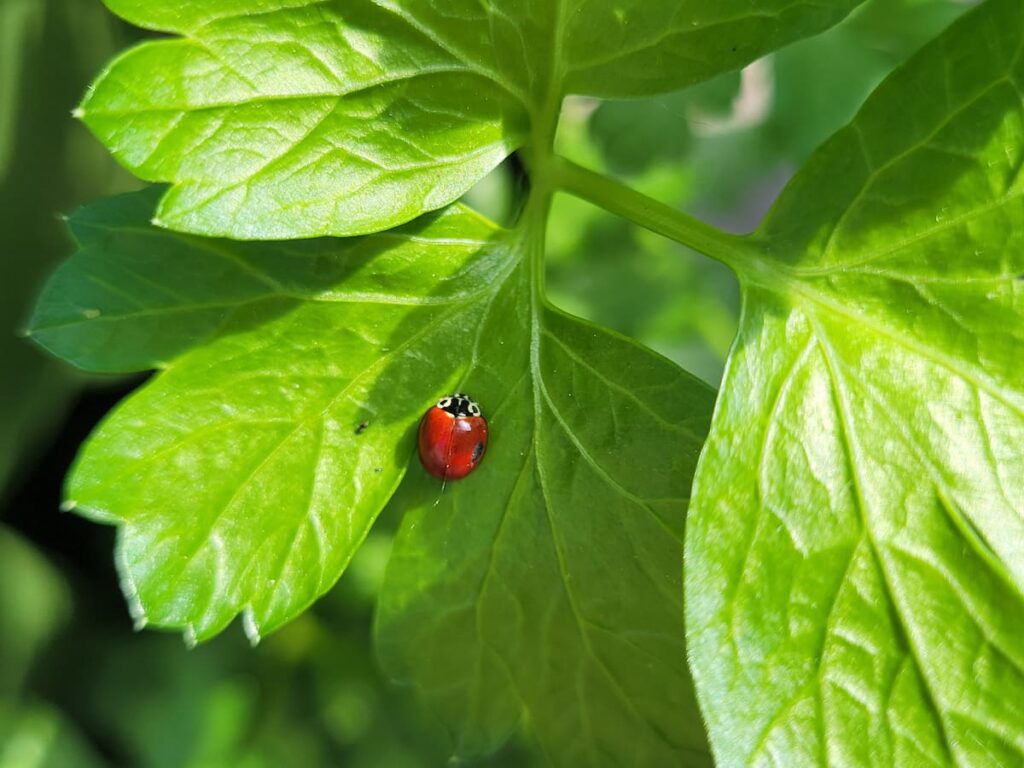
Planting flowers and herbs near your vegetables encourages beneficial insects to stay. Dill, yarrow, calendula, alyssum, sunflowers, and flowering herbs provide nectar and shelter while supporting pollinator-friendly pest control. Some flowers may also help repel pests, as well. We’ll talk about that in a little bit.
A diverse garden ecosystem keeps pest populations from getting out of control.
Simple Physical Pest Control Methods That Work
Some of the most reliable natural ways to get rid of gardenpests are also the simplest. Many of these are ways people have been protecting their gardens for decades.
Hand-picking pests early in the morning is surprisingly effective for caterpillars and beetles. Most of these it’s easier to find in the morning before they hide for the day. But if you battle hornworms, going out at night with a black light will light them up and you can pick them off. They glow under black light which makes them easy to find.
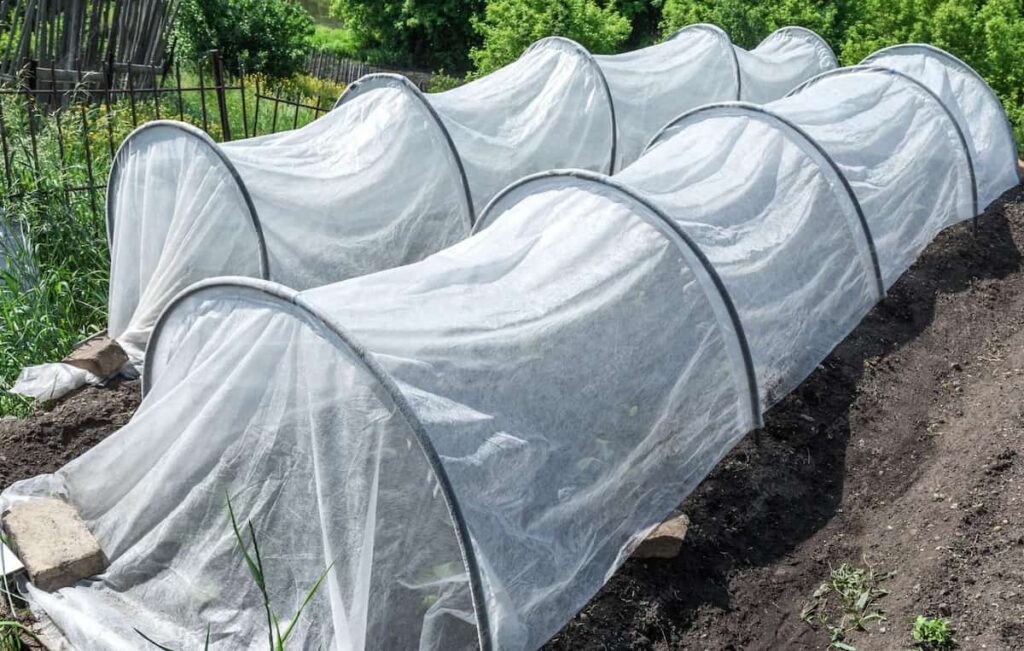
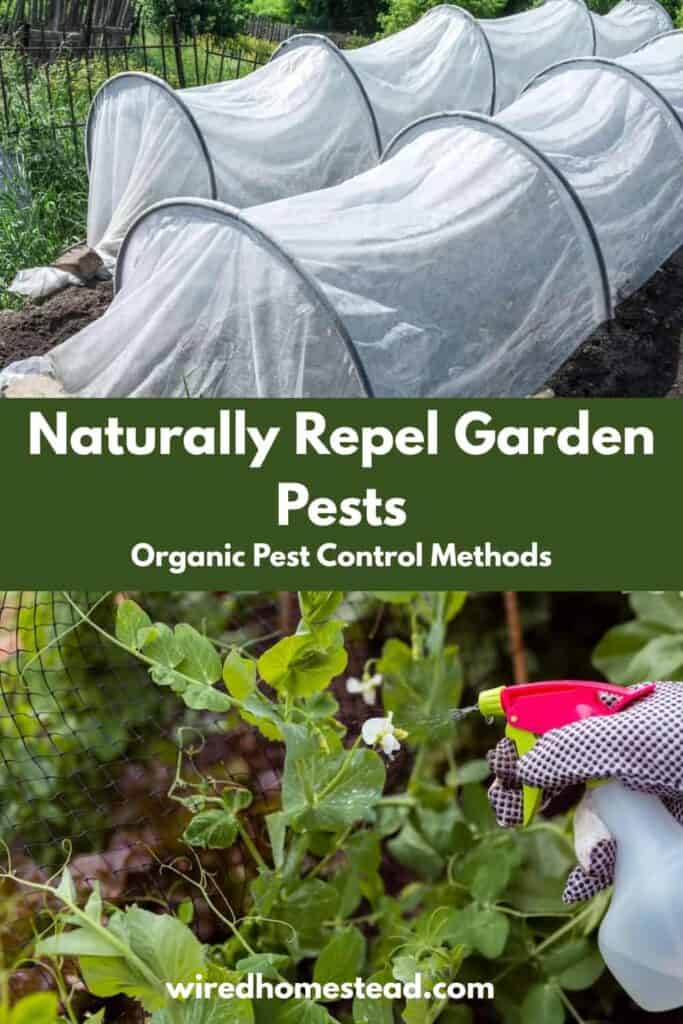
Row covers protect young plants from insects. I’ve used netting over brassica plants at all stages of their growth to keep cabbage moths off them. Row covers are most effective for keeping aerial pests at bay. They don’t do much for pests coming from in the ground.
You can use cardboard or paper collars around stems to prevent cutworms from damaging seedlings. I’ve never done this, but I’ve heard about it. If you try it, let us know in the comments how it worked for you!
For slugs, you can run copper tape along the bottom of raised beds. Removing damp hiding spots can help. Watering in the morning instead of evening can reduce damage. Another great way to get rid of slugs is to put a bowl of beer out over night. Use the cheapest beer you can find, slugs aren’t picky. The yeast in it attracts them and they’ll drown. Sad, yes, but I bet they go feeling good!
These physical controls work best when used early and consistently.
Natural and Organic Pest Sprays for Gardens
Natural and organic pest sprays can be helpful when pest populations get out of hand. They work best when you know exactly what you’re targeting. It’s important to go back to step one and learn what pests you have. These sprays are most effective on specific pests, not as broad, preventative treatments.
Neem Oil Spray
Neem oil spray is a popular option in natural remedies for garden pests It works especially well for:
- Aphids
- Spider mites
- Whiteflies
- Thrips
- Some beetles and caterpillars (when sprayed directly on the pest)
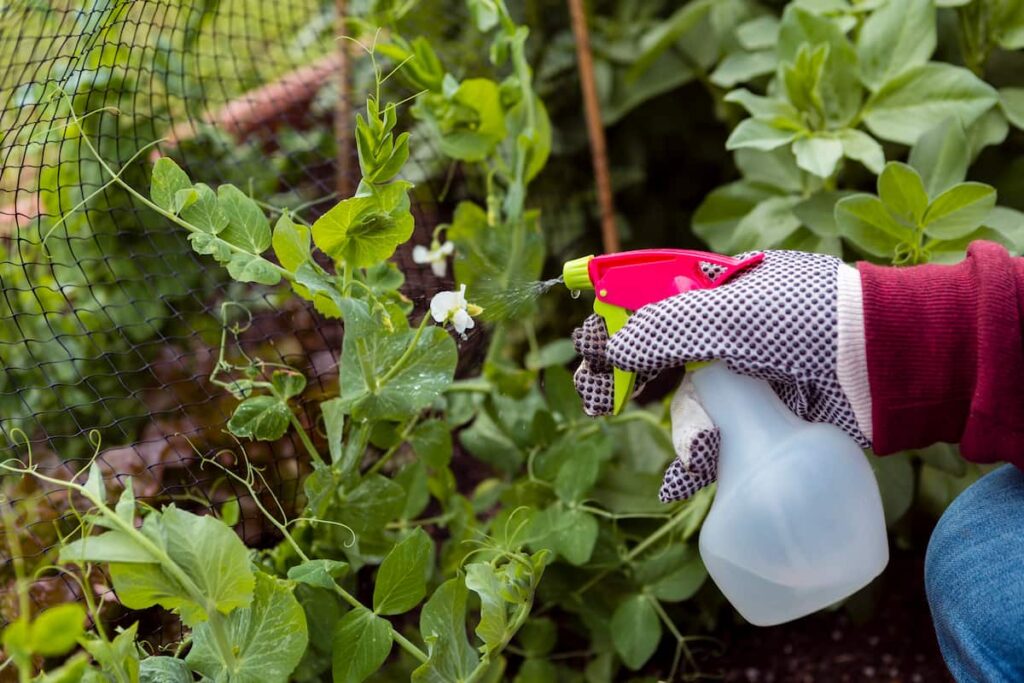
Neem works by disrupting an insect’s feeding and life cycle rather than killing instantly. Because of this, it’s most effective when applied early in the outbreak and consistently until they are gone. Neem oil should always be sprayed in the evening to protect pollinators and avoid leaf burn. It does kill bees, so use it responsibly
Insecticidal Soap
Insecticidal soap is especially effective for soft-bodied insects, including:
- Aphids
- Spider mites
- Whiteflies
- Mealybugs
It works by breaking down the insect’s outer coating, causing dehydration. Insecticidal soap only works when it makes direct contact with the pest, so thorough coverage is important. It does not have a long-lasting effect, which makes it a gentler option for gardens with beneficial insects.
Dish Soap and Water Spray
A simple dish soap and water spray can work in a pinch, especially for small infestations.
This spray is most helpful for:
- Aphids
- Spider mites
- Whiteflies
Use a very mild solution, typically about one teaspoon of plain dish soap per cup of water. Avoid soaps with degreasers, fragrances, or antibacterial ingredients. These can damage plants. Like insecticidal soap, this spray works through direct contact and should be used carefully.
Always test this spray on a small area of the plant first and wait 24 hours before treating more extensively.
Garlic or Pepper Sprays
Garlic and pepper sprays work more as deterrents than killers. They can help discourage:
- Caterpillars
- Beetles
- Rabbits and deer (in some cases)
These sprays make plants less appealing but don’t eliminate existing pests. They’re best used to prevent repeat damage rather than to control a heavy infestation.
Important Safety Tips for Spraying
Even natural sprays can cause harm if overused.
- Spray in the evening to protect pollinators
- Avoid spraying during hot or sunny weather so you don’t burn your plants
- Target affected plants only, rather than the entire garden
- Reapply gently rather than increasing concentration
Natural sprays should support your overall pest management strategy, not replace soil health, physical pest control methods, and beneficial insects.
Companion Planting to Prevent Garden Pests
Companion planting is one of the simplest natural remedies for garden pests. By mixing flowers, herbs, and vegetables together, you make it harder for pests to find their favorite plants. It also makes it easier for beneficial insects to stay. It works best as a preventative measure rather than battling a current infestation.
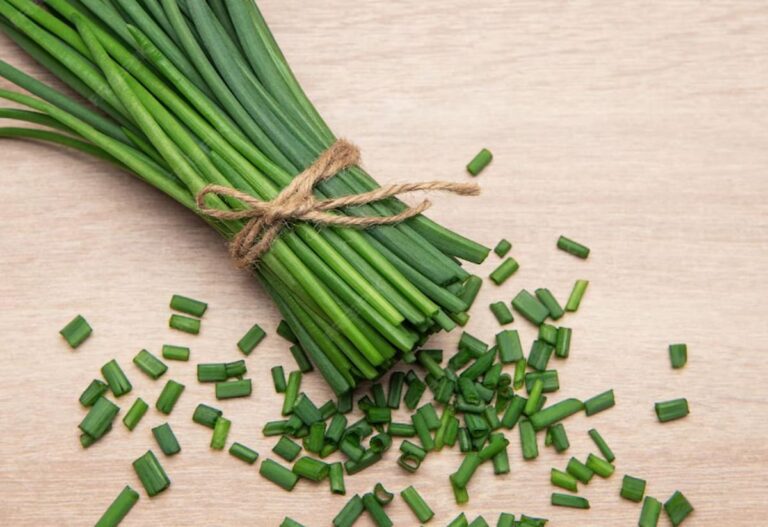
Flowers like marigolds, calendula, alyssum, and sunflowers attract pollinators and pest-eating insects that help keep aphids and caterpillars under control. Herbs such as basil, dill, thyme, and rosemary add another layer of protection. They provide strong scents that can discourage pests while supporting beneficial insects when allowed to flower.
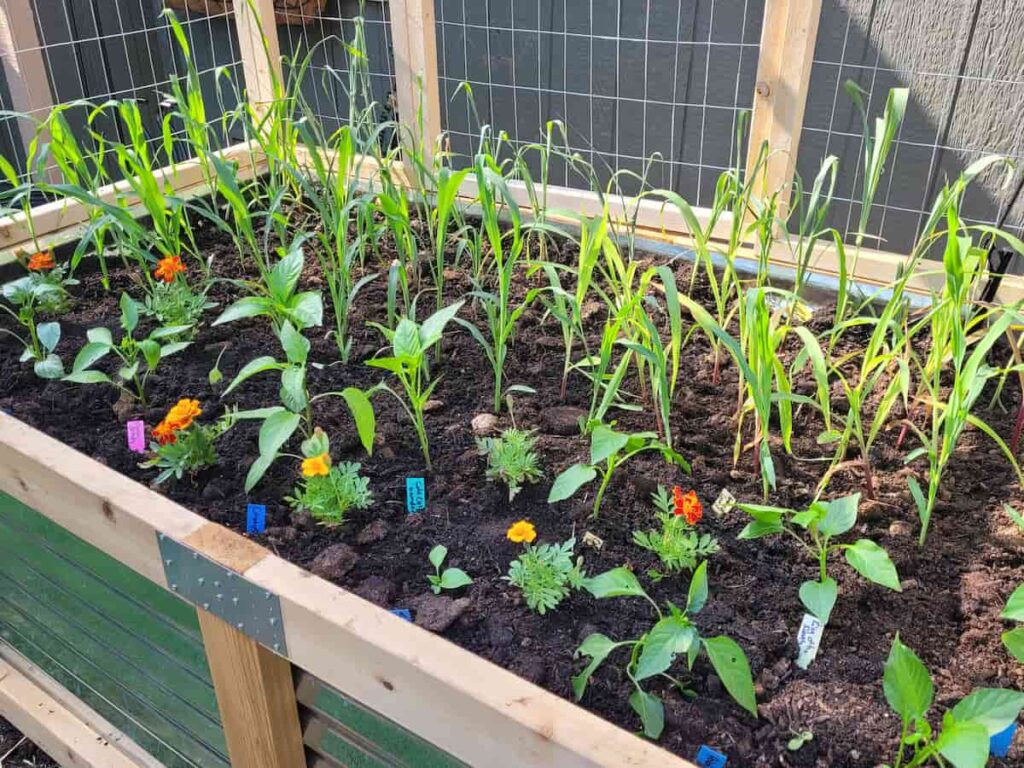
Some plants can also be used as trap crops. Nasturtiums, for example, often attract aphids away from nearby vegetables. This allows you to manage pests in one place instead of across the entire garden.
Use Garden Layout to Reduce Pest Problems
How you arrange the plants in your garden matters more than you might think. Planting large groups of the same crop together make it easy for pests to find their favorite foods. Once they arrive, the damage can spread quickly from plant to plant.
One of the simplest natural remedies for garden pests is breaking up plantings. Instead of growing all your tomatoes, peppers, squash, or brassicas in one solid block, scatter them throughout the garden and mix them with herbs and flowers. This confuses pests, slows the spread of infestations, and gives beneficial insects better access to problem areas.
Crop rotation also plays a role in garden layout. Avoid planting the same crops in the same spots year after year, especially those that share pests. This is especially important if you had a pest problem the previous year. Don’t put the same plant, or another one those pests enjoy, in that spot for a couple years. Rotating plants help prevent insects from overwintering in the soil and returning in force the next season.
A thoughtfully planned garden layout doesn’t have to be complicated or perfectly organized. Small changes in spacing and placement can make a noticeable difference. This can be as simple as planting something different in a pot that had a tomato last year. This method turns you general garden layout into a pest fighting machine.
Accepting Minor Pest Damage in a Natural Garden
One of the hardest lessons in organic gardening is accepting that some damage is normal. We all want the perfect garden and the perfect plants. But reality is that we share this with insects and they like to eat, too. It’s okay to share some, in fact there’s really no way around it.
A few holes in leaves doesn’t mean your harvest is ruined. If plants are still growing, flowering, and producing, they’re usually fine. Chasing perfection will only lead to frustration. And it may lead you to make a rash decision that is not in the best interest of you or your garden. Don’t worry if your garden doesn’t look like the Pinterest or Instagram gardens. If it feeds your family, that it’s the perfect garden.
Remember: natural pest control is about management, not complete elimination.
A Balanced Approach to Natural Garden Pest Control
Learning how to deal with garden pests naturally takes patience, observation, and maybe even a little restraint. Start with building healthy soil. Then identify pests correctly if you start to notice issues in your garden. Always encourage beneficial insects to visit, and use a gentle, natural remedy only when necessary.
Most garden pest problems can be managed with simple, natural solutions that protect your plants and the larger ecosystem. Over time, the garden becomes more resilient, and pest issues become easier to handle.
Gardening is a journey where you’re always learning something new. Even experienced gardeners, like me, learn something new every year. Enjoy the journey, don’t reach for perfection!
Other Garden Posts to Enjoy
How to Plan a Vegetable Garden That Actually Produces
How To Transplant Seedlings Without Losing Your Plants
No Till Gardening Benefits: A Simple Way to Build Better Soil