
Winter Sowing Seeds for Stronger Roots and Better Transplants
Winter sowing is a method of seed starting that allows seeds to germinate on their own terms. No grow lights, heat mats and no hardening-off. Just seeds, soil, cold, and patience. The reward is seedlings with deeper roots and sturdier stems that are ready for life in your garden.
If you’ve ever struggled with leggy starts or transplant shock, winter sowing might be a good option to try.
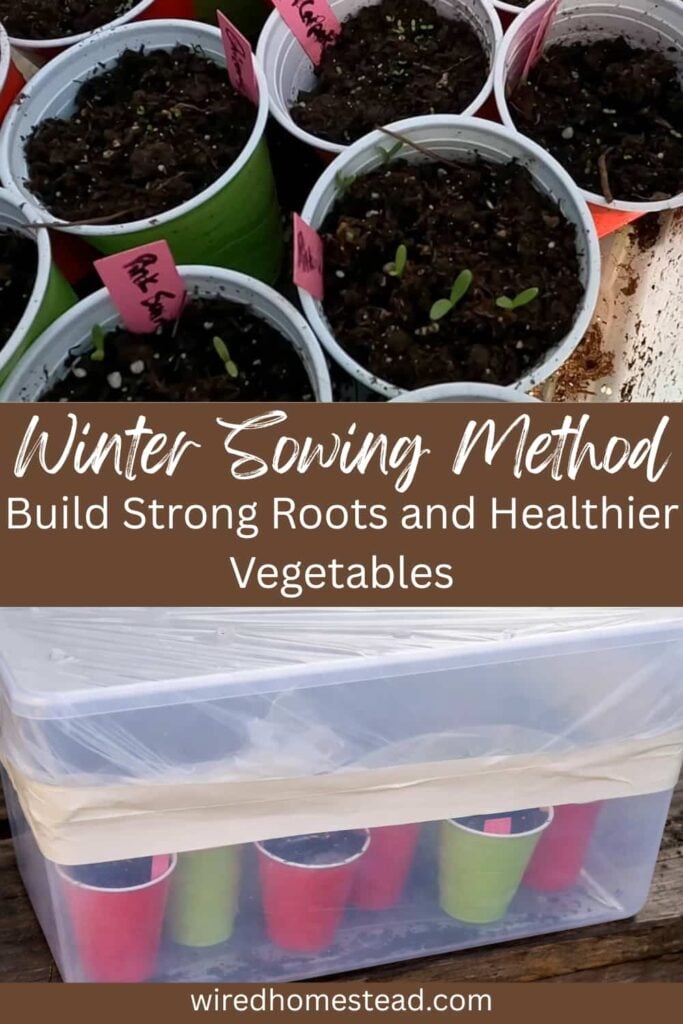
Pin It For Later ⤵️
What Is Winter Sowing?
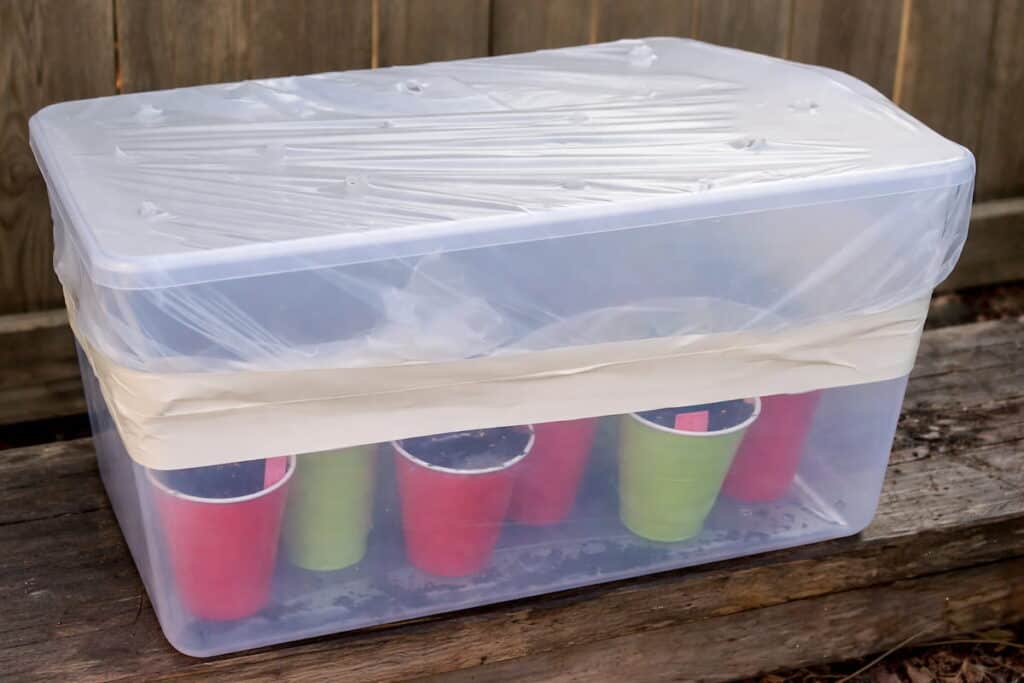
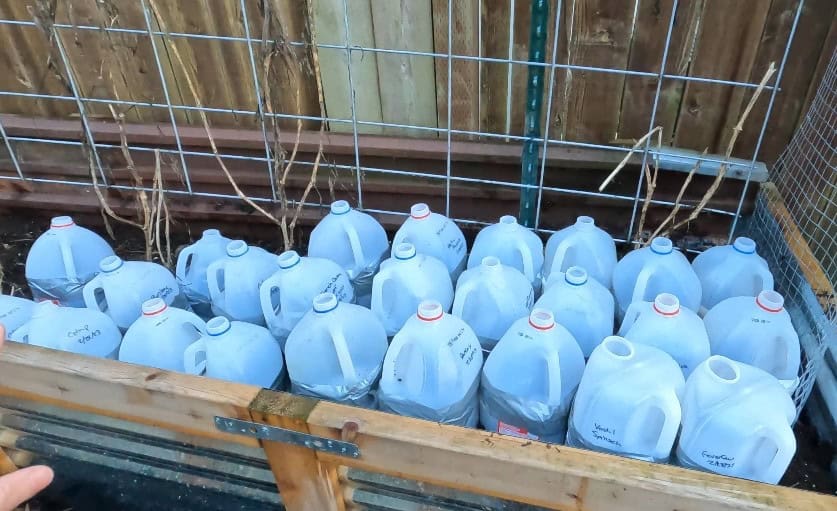
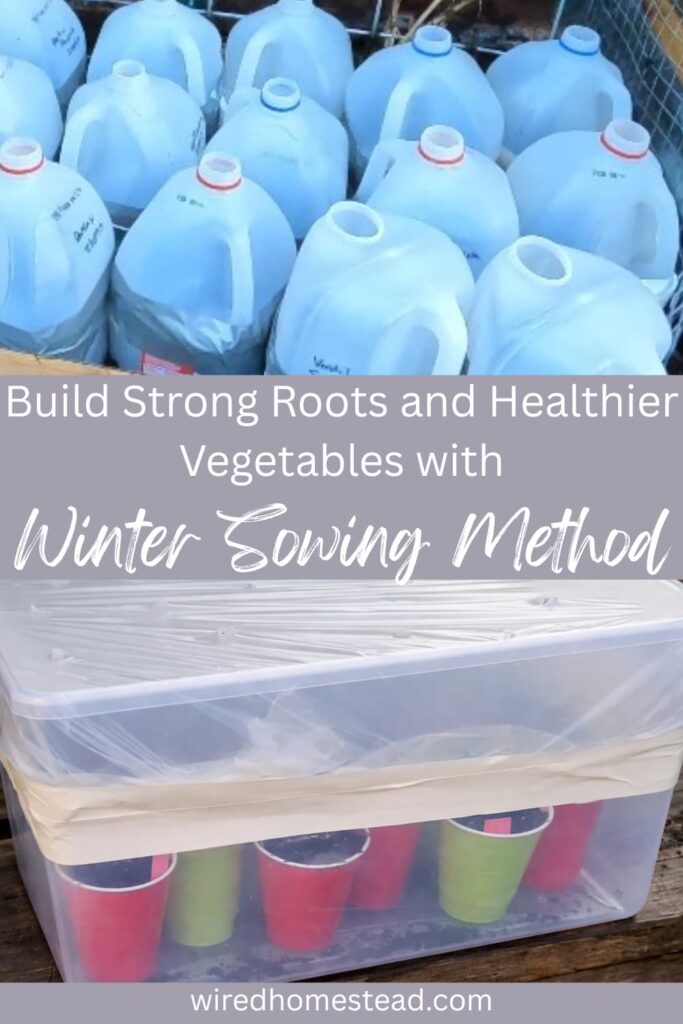
Winter sowing is a method of starting seeds outdoors during the cold months using simple containers. Most popular are milk jugs, salad boxes, or clear bins. I’ve also used ziploc bags. You can also grow straight into the ground, but put a clear bin over the seeds. These containers act like miniature greenhouses, protecting seeds from extreme conditions while still exposing them to natural weather cycles.
The seeds stay dormant through winter and germinate when conditions are right. Not when we want them to. The seeds germinate when the soil temperature, daylight, and moisture create the perfect conditions for the seeds to sprout.
The idea is to closely, but not perfectly, mirror how the seeds would sprout and grow in the wild. This creates seeds that don’t need any acclimation to outdoor conditions. The plants that result end up stronger than ones that were grown in the more pampered indoor conditions of your home or greenhouse.
Why Winter Sowing Creates Stronger Root Systems
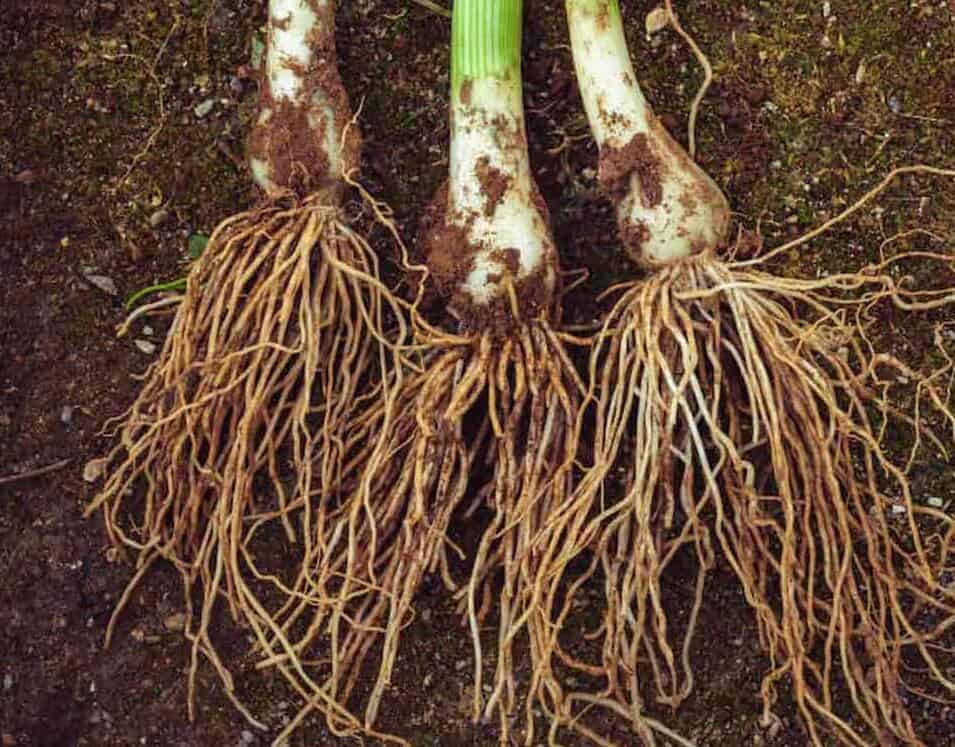
Roots are shaped by their environment. When seedlings grow under artificial warmth and steady conditions, roots may not need to grow very deep. Frequent, shallow watering also keeps roots from growing strong and deep. Winter-sown seedlings grow differently.
Natural Root Development From Day One
Winter-sown seeds germinate in cool soil. That slower start encourages roots to grow steadily downward rather than racing upward toward light. The naturally wetter soil during the winter also helps encourage roots to grow down. The result is a root system that anchors the plant firmly and supports healthier growth later in the season.
Temperature and Wind Fluctuations Build Resilience
Cold nights and warming days strengthen plant cells. Varying wind speeds also help strengthen plants. These small stresses create tougher roots and stems. Plants grown this way are better prepared for the unpredictability of Spring weather.
Less Early Root Disturbance for Those Seeds Started in Place
If you have the opportunity to start the seeds where they will grow all season, roots won’t be disturbed early in their lifecycle. Roots are responsible for collecting and moving nutrients into the plant. Strong roots are essential for a strong plant. That uninterrupted growth leads to better structure and less stress overall. Less stress = happier and more productive plants later.
Why Winter-Sown Seedlings Make Better Transplants
Gardeners often focus on top growth, but roots determine how well a plant handles transplanting. They also determine how strong and productive the plant will be.
Winter-sown seedlings tend to be:
- Shorter and stockier
- Thicker-stemmed
- Better able to handle wind, sun, and temperature swings
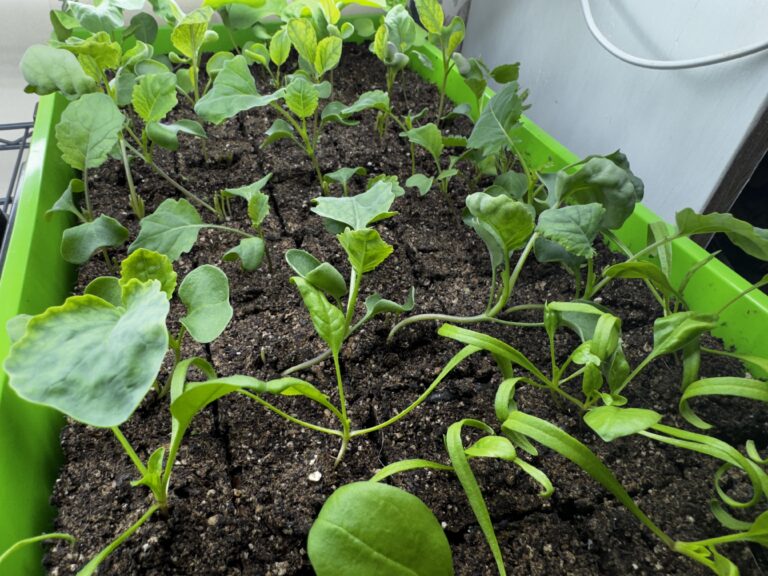
In my experience even the winter sown seedlings that needed transplanting experience little to no transplant shock. They adapt to their new space quickly because they’ve always been in an outdoor environment. There’s very little adjustment period for them.
Because of this, hardening off is minimal or completely unnecessary for winter sown seedlings.
Best Seeds for Winter Sowing
Not every seed loves winter sowing, but many do really great with this method.
Cold-Hardy Vegetables
- Broccoli, cabbage, kale, cauliflower
- Lettuce, spinach, arugula
- Peas
- Celery
Herbs
- Parsley
- Thyme
- Sage
- Cilantro
Flowers That Build Tough Roots
- Calendula
- Echinacea
- Snapdragons
- Poppies
A good rule of thumb: if a seed can tolerate frost or prefers cool weather, it’s often a good choice for winter sowing.
How to Winter Sow for Maximum Root Strength
- Ideally choose containers that are at least 3-4 inches deep. The deeper container, the deeper your roots can grow to create a stronger root system. Create drainage holes in the bottom of the container. Drainage holes prevent soggy soil, which weakens roots, drown the plant, and cause fungal issues.
- Add loose, well-draining soil to the container. I like to use a seed starting mix with some compost mixed in. Avoid heavy garden soil, it won’t drain very well in a container environment. Roots need air as much as moisture.
- Add the seeds but don’t overcrowd them. This is easy to do, but can harm them in the long run. Space allows roots to develop without competition.
- Place a top over the container, but be sure rain and wind can still reach the seedlings. For milk jugs it’s as easy as leaving the lid off the top. Or you can punch holes into the top of a clear bin. Whatever your chosen container is, just be sure there’s holes in it at the top as well.
- Place the containers fully outdoors. Do not place them under a canopy, overhang, or any place where they have protection from the elements. Sun, snow, rain, and cold all play a role in helping the seeds grow. Long term protection comes from exposure, not insulation.
Once they are set outside, resist the urge to mess with them. Winter sowing requires patience. It’s close to a “set it and forget it” type of gardening.
Do pay attention to them on hot days. You may need to lift the cover off so the plants do not get too hot and bake in the mini greenhouse you’ve created. If you have a dry spell, you may need to water them as well. They are close to being hands off, but don’t completely forget about them!
Common Mistakes That Weaken Winter-Sown Seedlings
- Using too shallow of containers that restrict root growth
- Overcrowding seedlings
- Bringing containers indoors during cold spells
- Overwatering late in winter
- Opening containers too early in spring
Strong roots and healthy plants come from steady conditions, not constant adjustments.
When and How to Transplant Winter-Sown Seedling
Winter-sown seedlings are ready to transplant when:
- They have several true leaves
- The soil is no longer frozen and can be worked
- Daytime temperatures are consistently above freezing
Transplant on a cloudy day or in the evening if possible. Handle seedlings gently, disturb roots as little as possible, and water them in well.
Most winter-sown plants settle in quickly and continue growing without pause.
Frequently Asked Questions About Winter Sowing
Q: What month should I start winter sowing?
A: Most gardeners begin winter sowing between January and February, though hardy seeds can be sown as early as December depending on climate. You just need to make sure it’s is still cold outside, especially at night.
Q: Can seeds freeze during winter sowing?
A: Yes, and that’s okay. Many seeds require the cold to germinate. Freezing does not harm cold-hardy seeds.
Q: Do winter-sown seeds need watering?
A: Usually not until spring, unless you have an unsually long dry spell and you see the soil drying out. Snow and rain will provide most, if not all, the moisture.
Q: Does winter sowing work in mild climates?
A: Yes, though your results may vary. Gardeners in warmer zones can still focus on cool-season crops and flowers that benefit from temperature fluctuations.
Q: Do winter-sown seedlings need hardening off?
A: Not usually. Because they grow outdoors from the start, they’re already acclimated to the outdoor environment.
Q: Can I winter sow tomatoes or peppers?
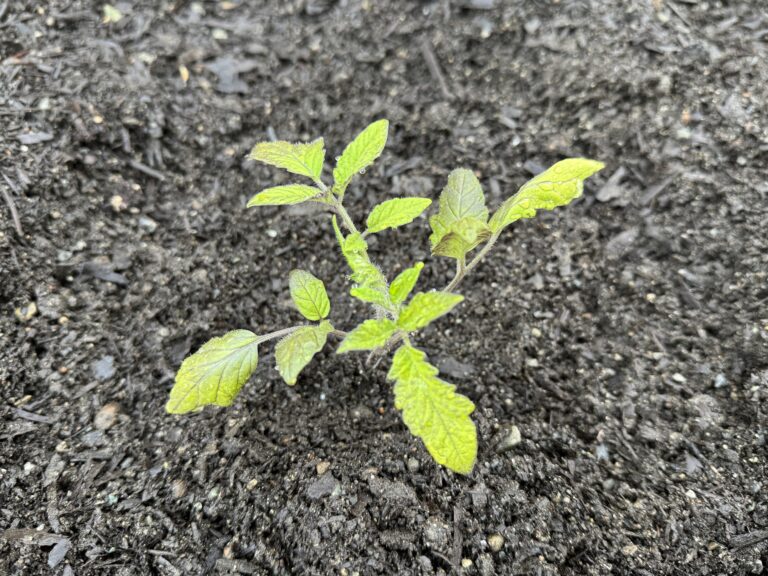
A: These warm-season crops can be winter sown, but they’ll germinate later. If you have a short season, they aren’t a very good option for winter sowing. Many gardeners still prefer starting them indoors to ensure a good harvest.
Pin It For Later ⤵️

That is such great information, thank you so much for sharing these ideas. I think I’ll get some jugs planted with onion seeds. I don’t have space indoors this year and this is a perfect solution!
These are some great tips for winter sowing! I’m excited to get some stuff started now because I don’t have any room inside. I have no excuses for a spring garden this year.