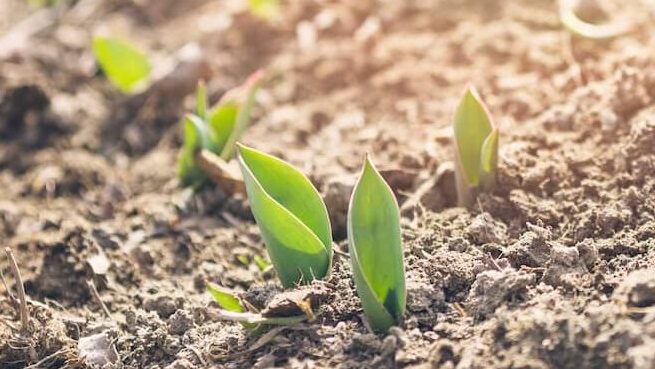
Easy, Fast Growing Vegetables For Beginners To Boost Confidence
Fast-growing crops play a powerful role in building gardening confidence. They shorten the wait until you can actually eat something you grew. They also tend to forgive small mistakes. Instead of weeks of doubt, you get to see fairly quickly that you’re on the right track. Let’s look at fast growing vegetables for beginners that are perfect for you to get a quick win in the garden.
Why Fast-Growing Crops Matter for Beginners
Fast-growing vegetables can help prevent beginner failures that can cause people to give up gardening.
They tend to:
- Germinate quickly, so you see growth early
- Mature fast, offering harvests in weeks instead of months
- Tolerate imperfect watering, spacing, and timing
- Encourage experimentation without the high stakes of a loss of harvest
Quick wins build confidence, and confidence keeps gardeners going.
What Counts as a Fast-Growing Crop?
A fast-growing crop isn’t just about how quickly it can be harvested. It’s also about visible progress.
These plants:
- Germinate in a few days to a week
- Can be harvested young as baby greens
- Produce continuously instead of all at once
These qualities make them ideal for beginner gardens, containers, and even small spaces.
Fast-Growing Crops That Build Confidence
Here is a great list of easy crops to boost gardening confidence.
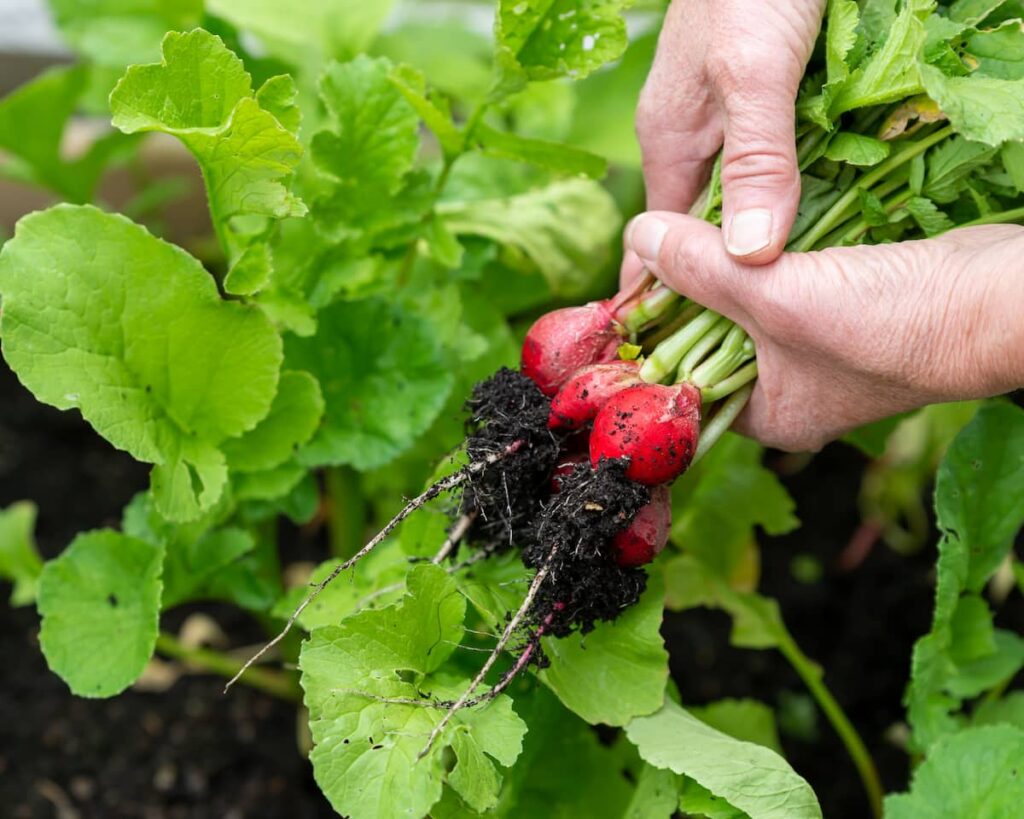
Radishes
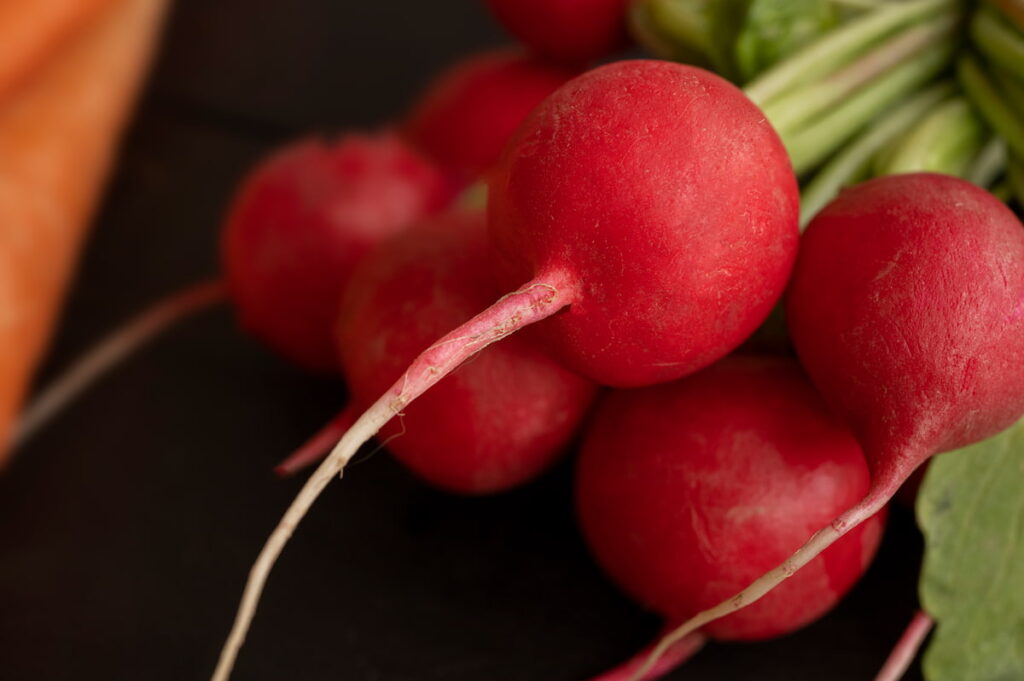
Radishes are one of the first vegetables recommended for beginners. That’s because they grow fast with many varieties ready in about 30 days.
They germinate quickly, are pretty reliable, and show clear progress underground and above. Even slightly imperfect radishes still taste good, which makes them very forgiving to the new gardener. And an old favorite for the experienced gardener as well.
Radishes are especially helpful for beginners learning spacing and thinning, since overcrowding can still produces something edible.
Lettuce (Cut-and-Come-Again)
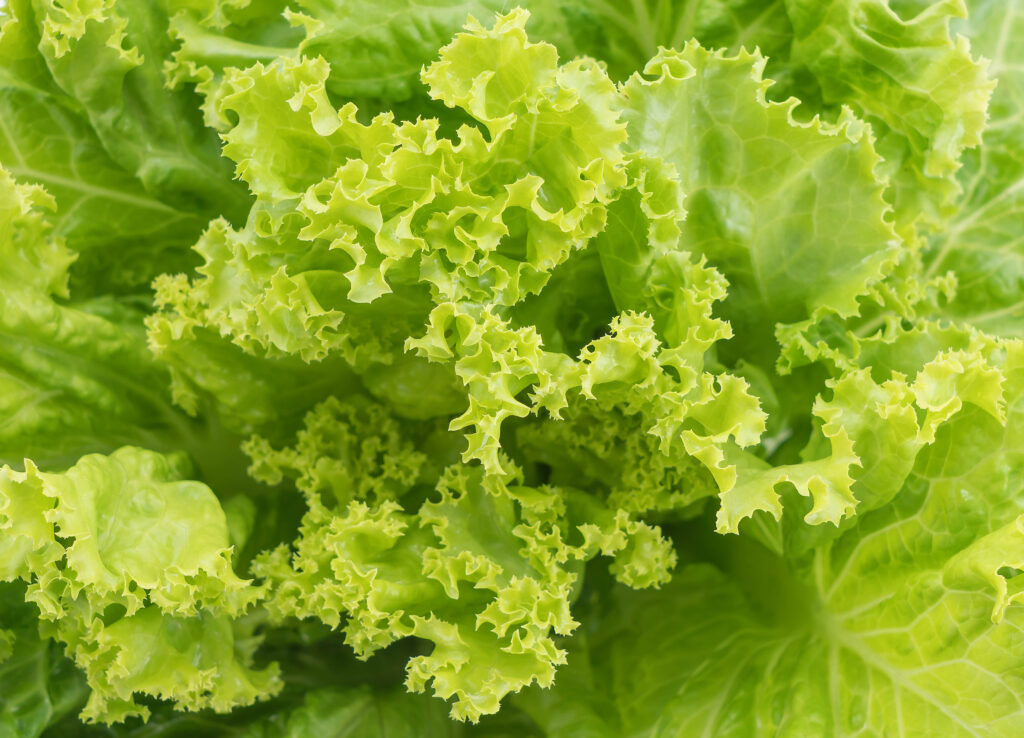
Loose-leaf lettuce varieties can be harvested early and often. You don’t need to wait for full heads.
Snip outer leaves when they’re young, and the plant keeps growing. This teaches beginners that harvesting doesn’t end a plant’s life. It encourages interaction and observation, which builds confidence quickly.
Lettuce thrives in spring and fall and works beautifully in containers.
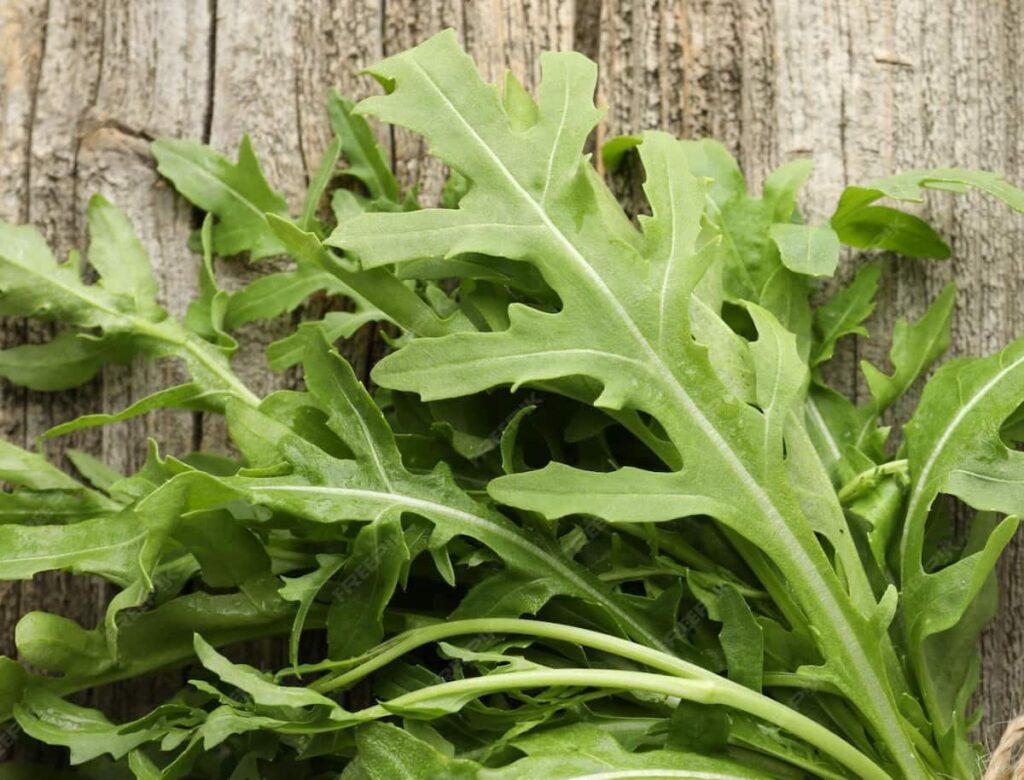
Arugula
Arugula is fast, flavorful, and really hard to mess up.
Leaves are ready in about three weeks, sometimes sooner if the conditions are right. Even small plantings produce enough for salads, which feels very rewarding early in the season before many other things are ready.
Its quick growth makes it ideal for impatient gardeners and first-time growers alike.
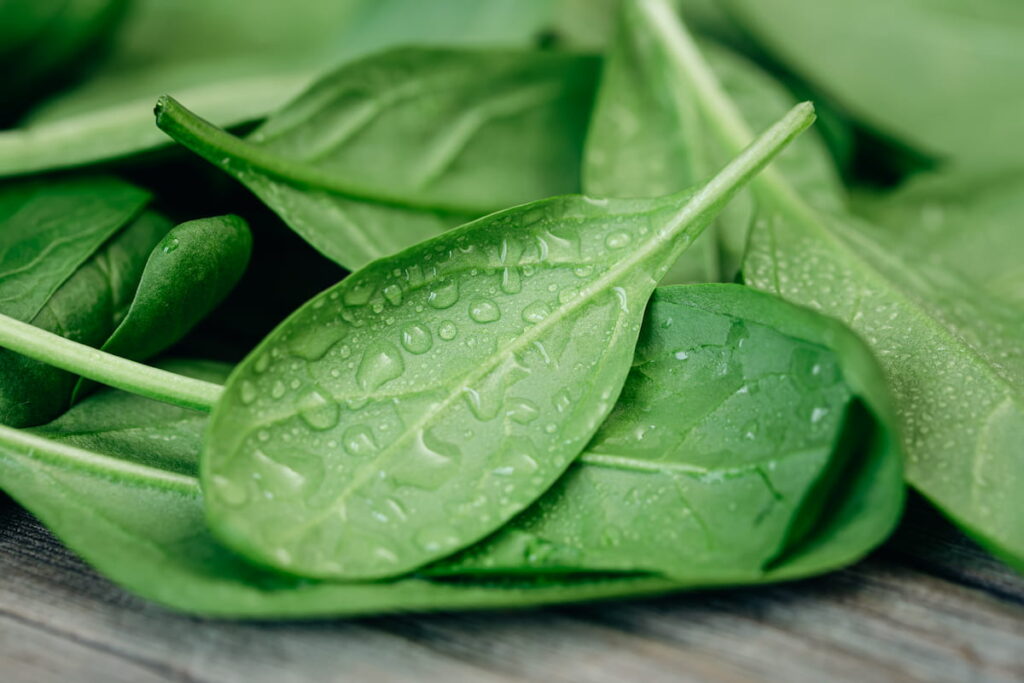
Spinach (Harvested Young)
Spinach doesn’t have to be slow. Harvested as baby greens, it grows quickly in cool weather and tolerates close planting.
Seeing thick, healthy leaves within a few weeks reassures new gardeners that they are doing something right.
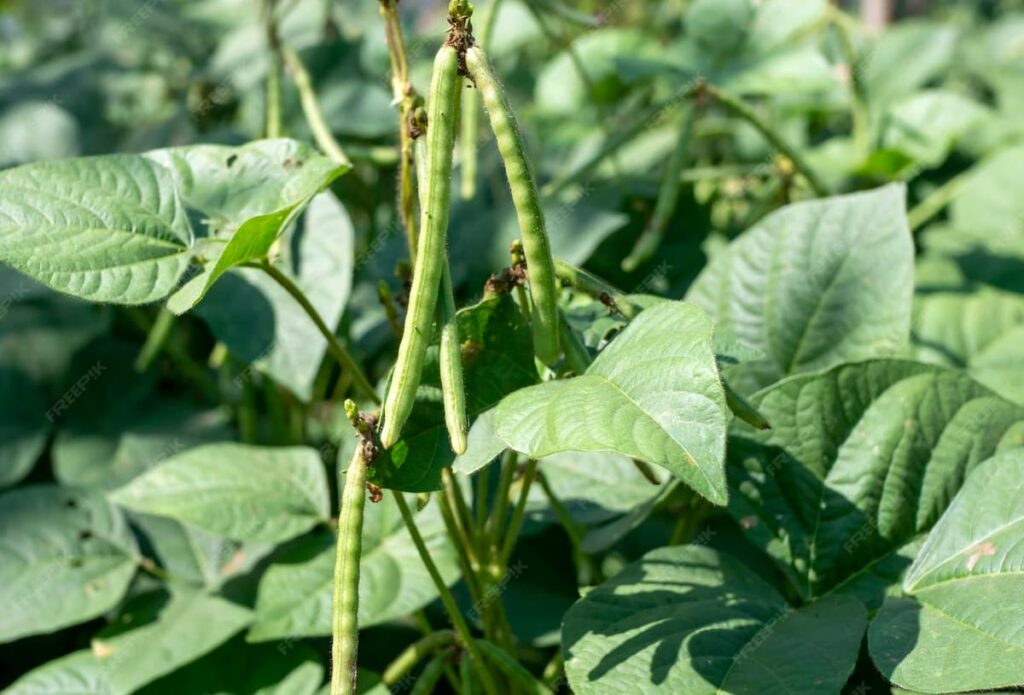
Green Beans (Bush Varieties)
Bush beans grow fast, don’t need trellising, and produce generously. The more you pick them, the more they’ll produce.
They’re excellent for building confidence because you can see the plants grow each week and it rewards gardeners with repeated harvests. Beans also improve soil health, which helps future crops succeed without you having to do anything.
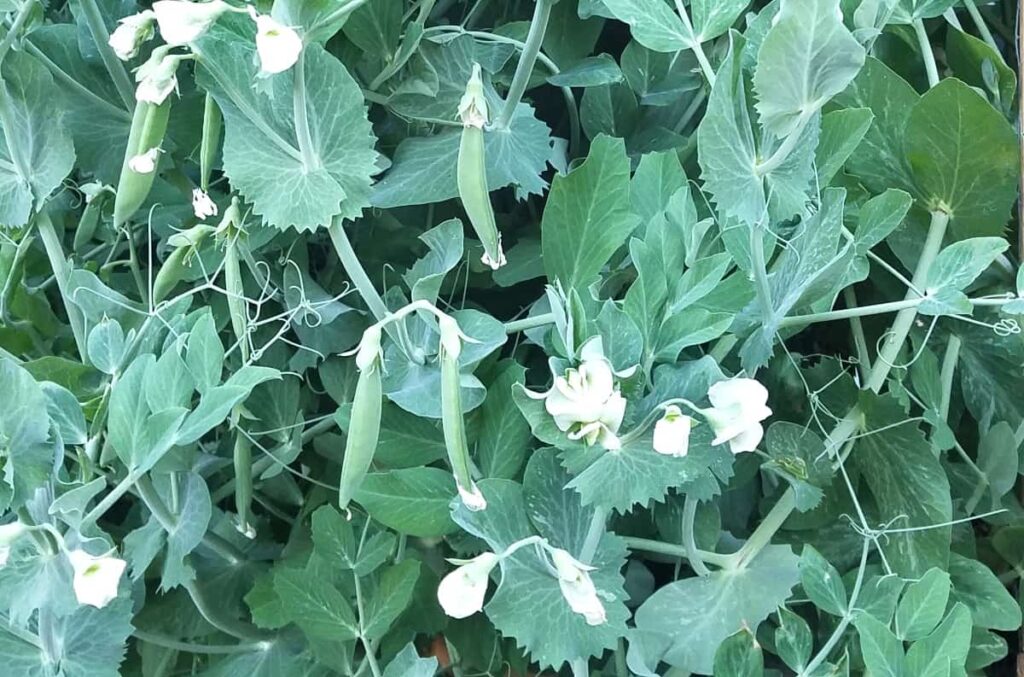
Peas
Watching vines climb and flowers turn into pods is quite fascinating. I love watching peas grow. Peas thrive in cool weather, making them an excellent early-season confidence booster.
They’re also fun for kids as well as new gardeners.
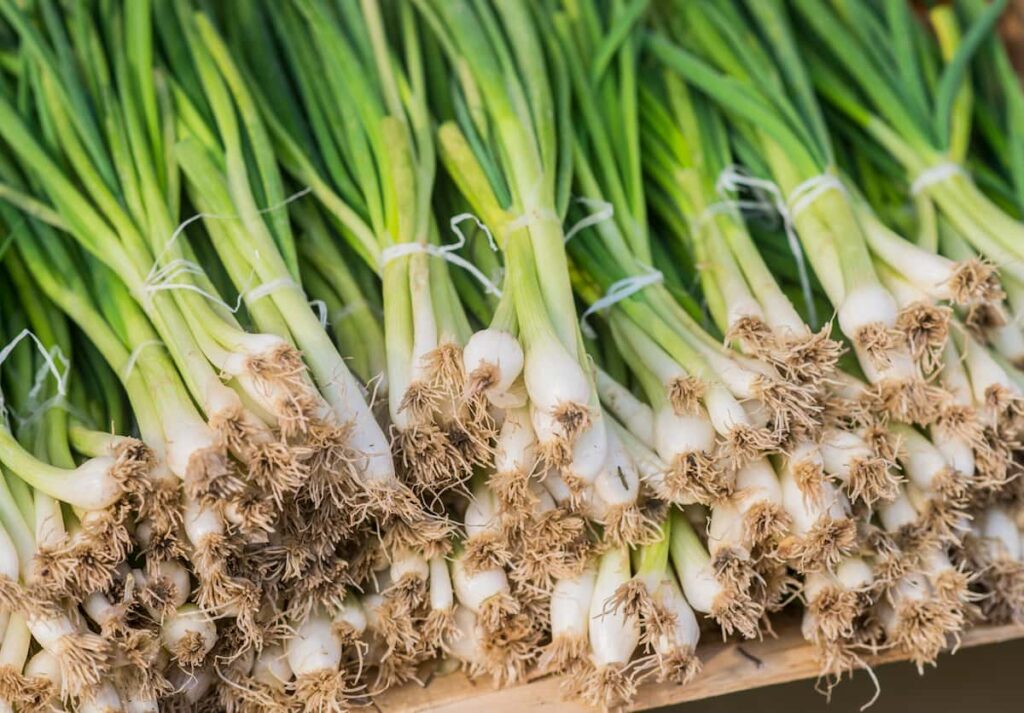
Green Onions
Also called spring onions or bunching onions, green onions are one of the most forgiving crops you can grow.
They sprout quickly, are perfectly okay with crowding, and can even regrow after harvesting. That regrowth alone builds confidence.
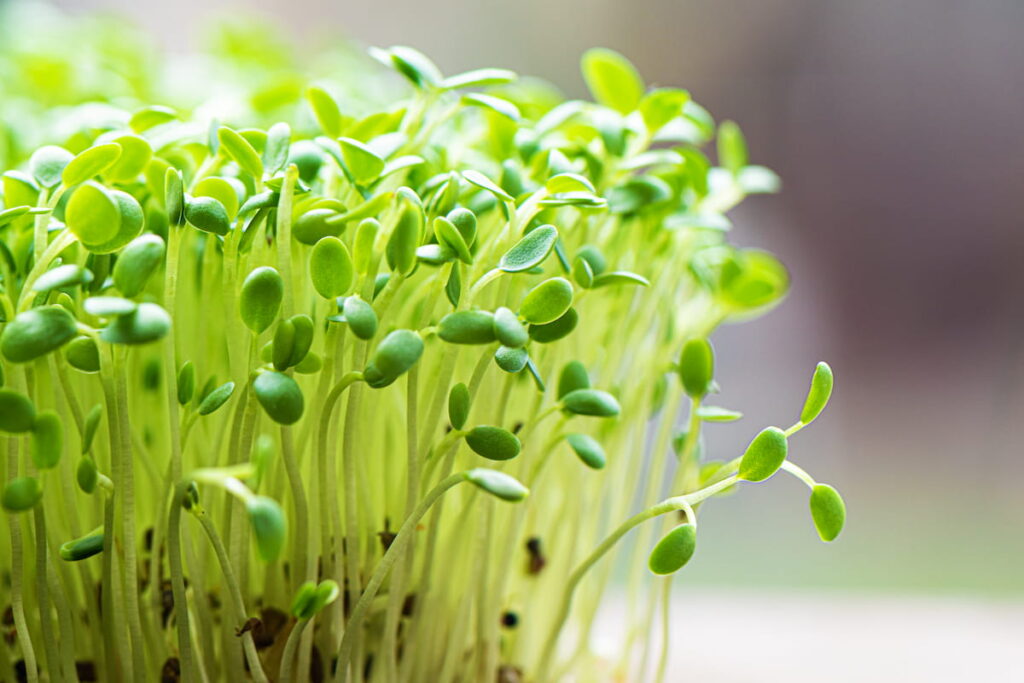
Microgreens
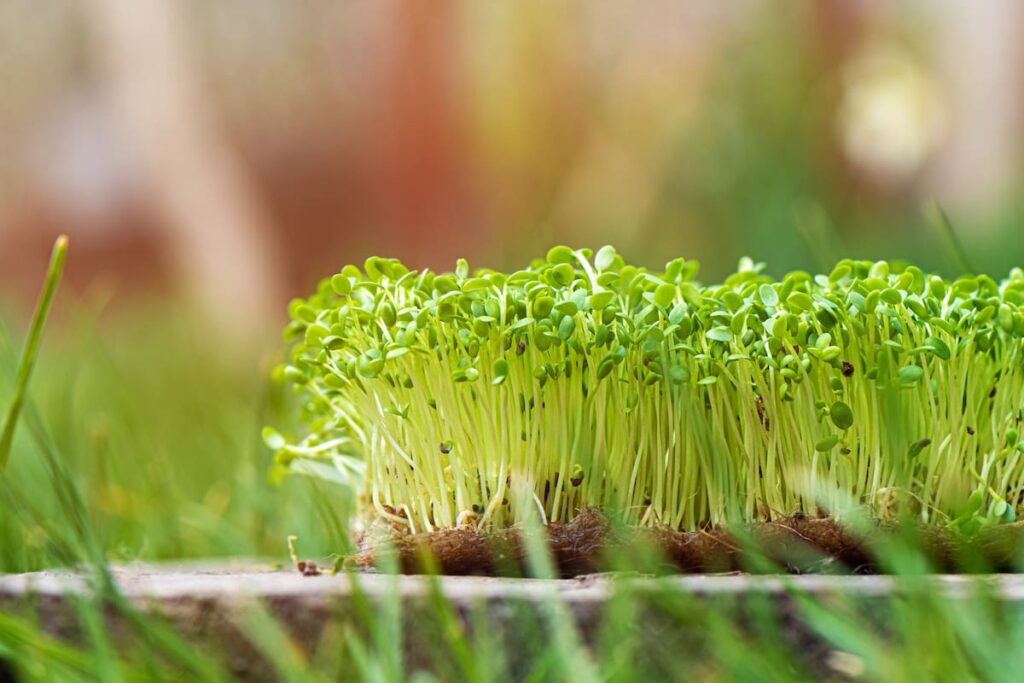
If confidence had a shortcut, microgreens would be definitely be it. They are by far the fastest growing vegetable for beginners.
Radish greens, pea shoots, and other microgreens can be harvested in as little as one to two weeks. They grow indoors or outdoors and don’t require much space. Because you harvest them as sprouts and not plants, it’s virtually impossible to get these wrong. No worrying about having to feed them or wonder if the soil is good enough.
For brand-new gardeners, microgreens often provide the first “I can do this” moment.
How to Grow Fast Crops Successfully
Fast crops thrive with pretty basic care:
- Plant directly in the soil when possible for quicker results. You can transplant some of them but it adds an extra step that’s not necessary. It creates an opportunity for something to go wrong.
- Keep soil consistently moist, especially during germination.
- Harvest early and often to encourage regrowth. With the exception of radishes which will not regrow once you pick them.
- Plant in succession every few weeks to create a continuous, easy harvest.
Simple habits lead to steady success. Steady success leads to confidence and even more growing potential for the next year.
Designing a Confidence-Building Garden
A beginner garden doesn’t need to be large. In fact, if you are a beginner I would encourage you to start small. It can be as simple as a few pots on a patio or a few raised beds. If you have a large garden area, you’ll find that starting with just a small area and adding more each year will help you build confidence and keep growing. Starting too big right away will likely become overwhelming as quickly as these fast growing vegetables reach harvest.
Try planting these as start:
- Radishes and lettuce together in spring
- Beans after the last frost
- Arugula and spinach in containers
- Green onions along the edges of beds
Each harvest reinforces that gardening is learned by practice and not by being perfect. Fast-growing crops don’t just fill your plate. They build belief in yourself that you can do this. You can grow your own food.
And once a gardener believes they can grow their own food, they almost always keep going.
Frequently Asked Questions
Q: What are the best fast-growing vegetables for beginners?
A: Radishes, baby lettuce, spinach, arugula, green beans, peas, and microgreens are consistently recommended for their short days-to-harvest and ease of care. Bok choy, kale, and other greens are also great for beginners.
Q: How long does it take to grow radishes?
A: Most varieties mature in about 20–30 days, making them one of the quickest crops to harvest from seed.
Q: Can microgreens count as a garden crop?
A: Yes! Microgreens like pea shoots or radish greens can be harvested in as little as 7–14 days and are perfect for small spaces or windowsills.
Q: Do fast crops need special care?
A: Not really. Most fast crops thrive with basic fertile soil, consistent moisture, and plenty of sun. Succession planting keeps the harvest rolling.
Q: What if my soil is poor?
A: Quick growers like beans will help fix nitrogen and improve soil while giving you food — a bonus confidence builder.
Q: What do experienced gardeners recommend to beginners?
A: Many experienced gardeners suggest starting with quick, reliable crops like radishes, salad greens, beans, and peas to build confidence before tackling slower crops.