
Health Benefits of Parsley: Why It’s More Than a Garnish
Everyone has heard of parsley as a seasoning in the kitchen. But did you know that there are health benefits of parsley that could really boost your wellbeing? In this post we’ll explore parsley as a medicinal herb instead of a culinary herb. You won’t look at it the same way again!
*As an Amazon Associate I may earn from qualifying purchases at no cost to you.
Pin It For Later ⤵️
How to Identify Parsley
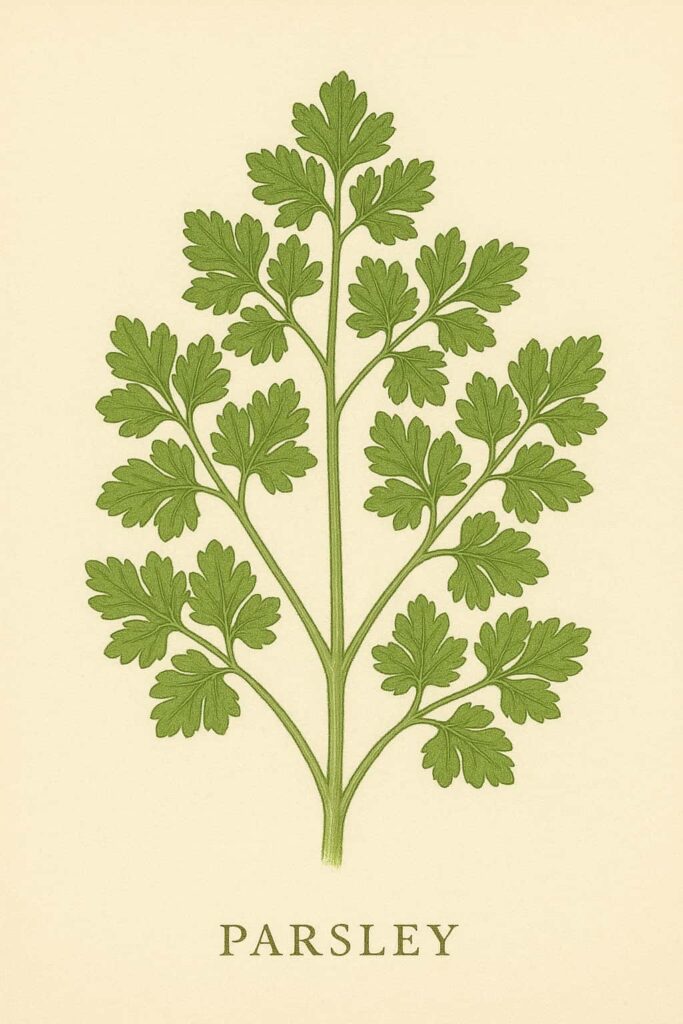
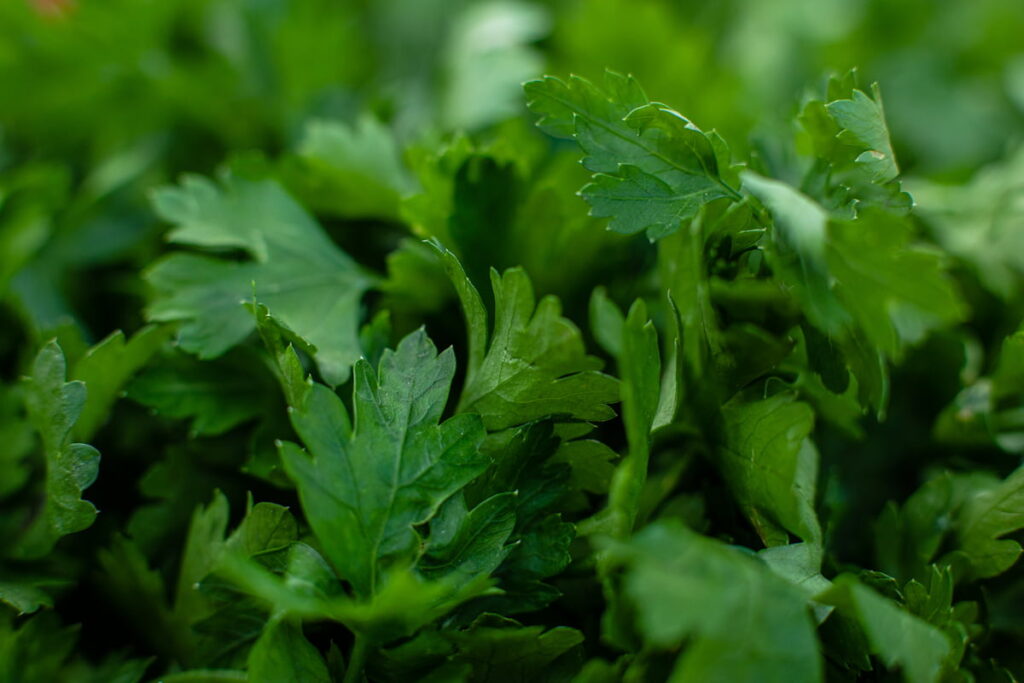
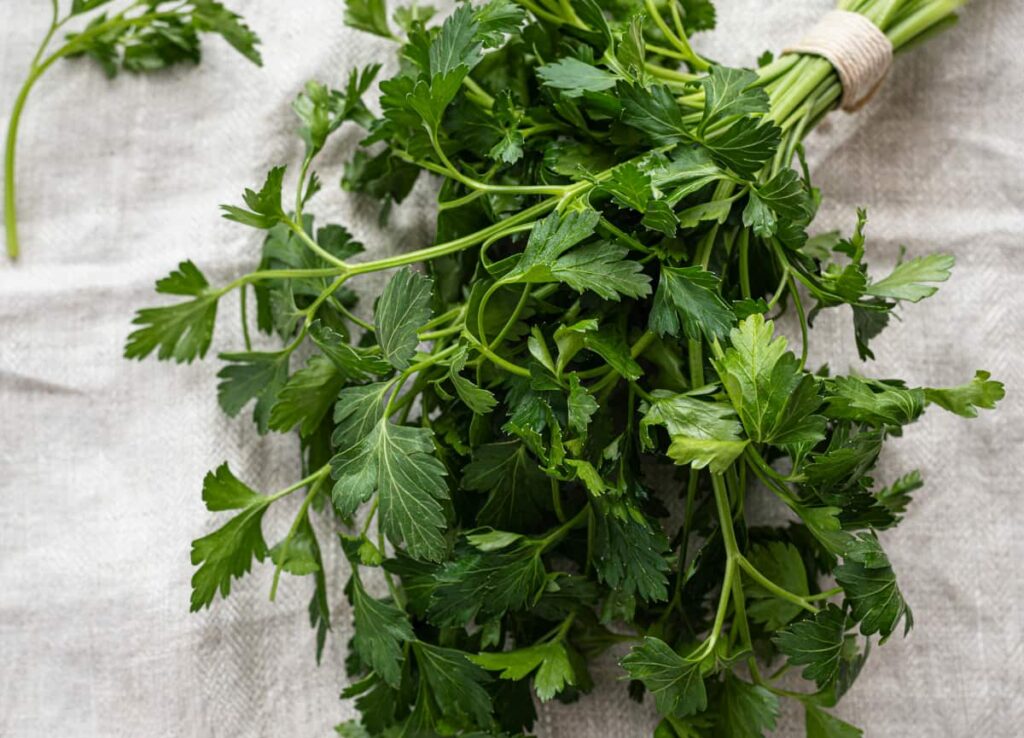
There are two varieties of parsley (Petroselinum crispum) that are the most popular: curly leaf and flat leaf (Italian) parsley. Both can be used interchangeably for medicinal (or culinary) purposes.
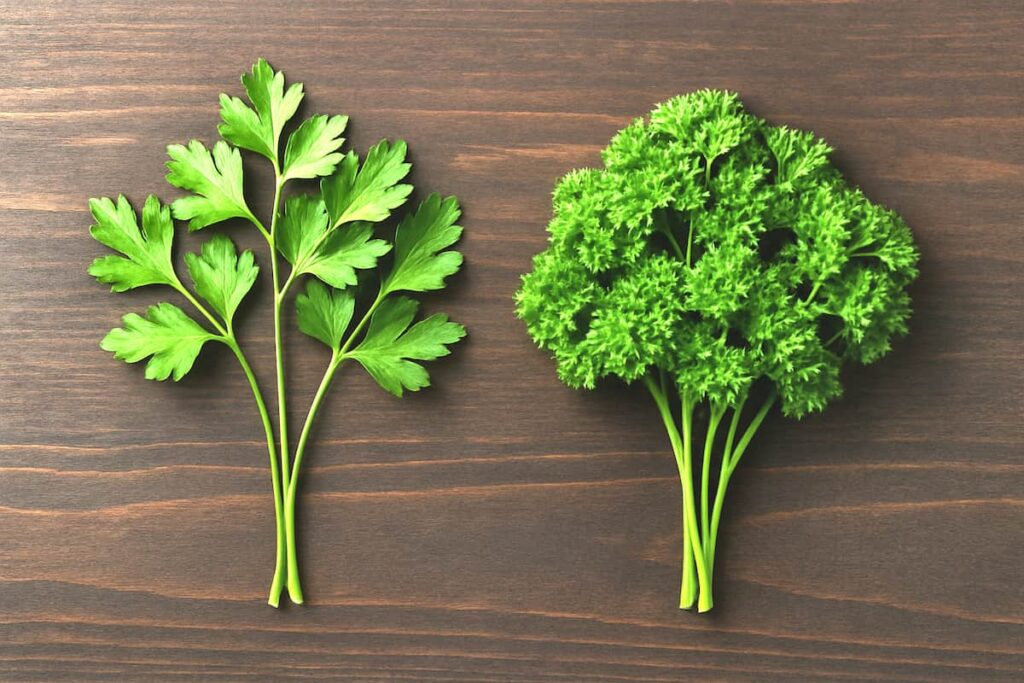
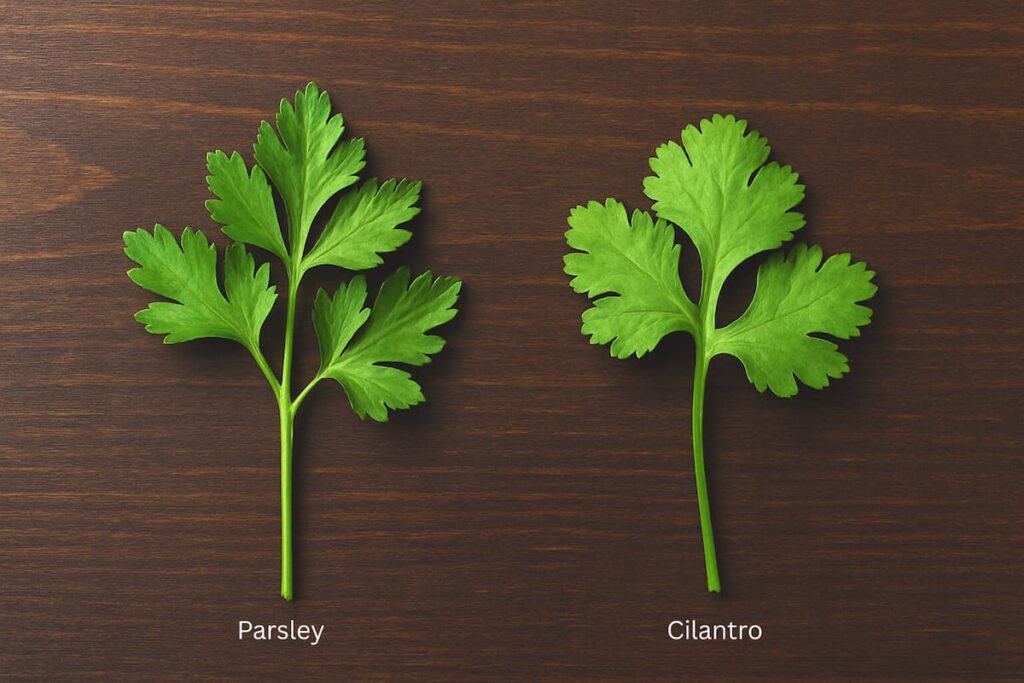
Curley leaf parsley is easy to recognize. It has green leaves that like to curl up and look crinkled. Flat leaf parsley, like the name suggests, have flat leaves that are smooth, broad, and have serrated edges. Flat leaf parsley can be mistaken for cilantro, as they both have similar leaves. The biggest difference between their appearance is that the leaves of the flat leaf parsley are more pointed, while cilantro tends to have more rounded edges.
Parsley is in the same family as carrots, queen anne’s lace, and cow parsley. Poison hemlock is also in the same family, so be 100% sure on your identification when picking any member of the parsley family in the wild.
How to Grow, Harvest, and Store Parsley
Growing parsley is quite easy. It likes full sun and well draining soil. Make sure the soil is rich in organic matter. If you use compost in your soil when planting, parsley will thrive.
It doesn’t like cold weather and does best with temperatures of at least 70 F. I’ve had it do well as starts that I transplanted and direct seeding. If direct seeding, plant the seeds and lightly cover with dirt 3-4 weeks before your last frost date. Parsley seeds do take a few weeks to germinate, so be patient. If you don’t see any signs of germination after a week or two, don’t give up. The seed is likely just taking its time.
To harvest parsley, cut the leaves off the plant. You can harvest all the leaves at once or just give it a trim leaving a few leaves on the plant. It’s quite hardy and will regrow.
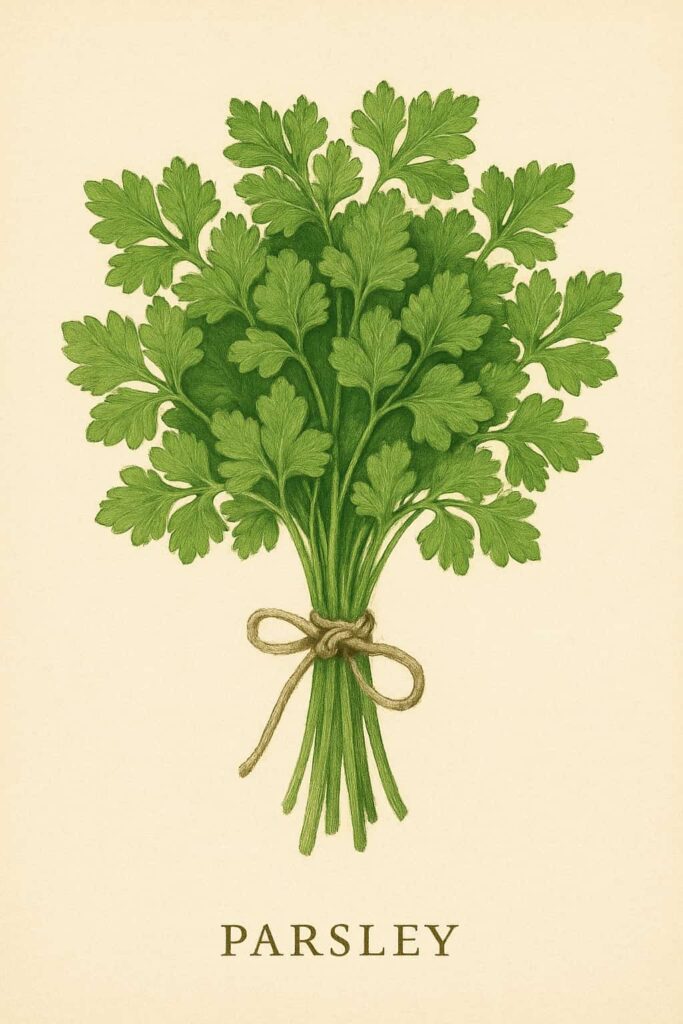
To store parsley fresh, put it in your fridge with the stems in a glass of water. That will keep it fresh for over a week. You can also dry parsley with either a dehydrator or air drying. Once completely dry, it can be stored in a glass container ready to go. You will want to only dry the leaves, not the thicker stem parts if you’re using it for culinary purposes. For medicinal purposes, use the leaves and stems.
Health Benefits of Parsley
There are many health benefits of parsley that we’ll explore here based on scientific studies. I am not a physician and none of the information in this post is medical advice. Please consult your doctor before taking supplementing with any herbs.
The Kidneys, Where Parsley Really Shines
The kidneys are where the health benefits of parsley really shine. One of the simplest things it does is it’s a diuretic. This means it increases urine production to promote the elimination of excess salts, water, and potassium. It also helps reduce uric acid, creatine, and blood urea nitrogen.
It can help cleanse your urethra and help clear UTIs. Parsley can also help clear up a kidney infection called pyelonephritis.
Urolithiasis is the formation of kidney stones. Parsley can help prevent them by decreasing the pH and decreasing the protein and calcium excretion that build up to form the stones.
The shining moment for parsley is with renal disease. Renal disease is devastating. I watched my father go through it, I’ve seen firsthand how horrible it is. Parsley may be able to help.
The same cleansing power that helps with UTIs and other infections, can also help with renal disease. Just like a liver detox, cleansing of the kidneys can help remove excess build up of damaging free radicals. The antioxidant properties of parsley also help promote the removal of free radicals.
Antioxidants also reduce oxidative stress on the kidneys and protect renal tissue. This also helps enhance renal function.
Fluid retention is a big problem with renal disease and parsley can help with that. The diuretic function listed above can also help reduce the retention of fluid. Parsley also can help reduce inflammation, which in turn can also help reduce kidney pain.
Skin Conditions and Wounds
Parsley has a lot of “anti” properties that make it great for skin and wound care. It is antifungal, antimicrobial, anti-inflammatory, and is a great antioxidant. Parsley also has analgesic qualities that make it great for pain relief.
It’s especially good for helping minor burns heal. The anti-inflammatory properties make it helpful for inflammation around wounds and skin abscesses.
It also can have a positive effect on diminishing the appearance of scars. Some studies showed it may be helpful for people who have skin spots or vitiligo as well.
If you’re in an area that has scorpions, parsley may be able to give you some relief from the toxic effects of a scorpion bite.
Benefits For The Liver
A healthy liver is essential for your health. Parsley has some health benefits that can help you keep your liver functioning well, or improve it if it’s started to develop some issues.
Parsley is considered a hepatoprotective. This means it can help protect the liver. It does a lot of that through its antioxidant power. It enhances antioxidant enzyme activity, specifically GSH (Glutathione), in the liver and can aid the detoxification process.
It inhibits lipid peroxidation, which is the degradation of lipids which are essential for healthy cell membranes. It can also restore reduced mitochondrial membrane potential which helps reduce cell death and increases cell viability.
Finally, parsley can help reduce general inflammation in the liver and fibrosis. Fibrosis is scar tissue from damage to the liver. Parsley can help decrease the amount of scar tissue.
Blood Pressure and Cardiac Disease
Parsley can help reduce blood pressure and arterial hypertension. Arterial hypertension is when your blood is forcefully moving through your arteries, it contributes to an increased risk of stroke, heart attack, and kidney disease.
Its strong antioxidant properties can help protect against cardiac disease.
Possible Health Benefits of Parsley for Diabetes
Studies suggest that parsley may have a role in the management of type 2 diabetes mellitus. It has been shown to improve glucose metabolism, enhance insulin function as well as secretion, and help reduce inflammation.
Parsley may also be able to help reduce blood glucose levels and normalize lipid levels.
There’s also evidence that suggests parsley could help reduce complications in diabetic pregnancies as well. However, in large doses (1,000 mg/ kg of body weight) it may cause uterine contractions and disrupt the development of the unborn baby.
As with any herb, you should consult your doctor before taking parsley in larger doses or as an herbal supplement. It’s especially important, however, to consult your doctor before taking any herb while pregnant.
Protect the Gastrointestinal System
A lot of people suffer from gastrointestinal issues. Most of us don’t want to talk about it (or if you’re like my husband maybe you overshare). Either way, it’s not much fun to deal with and parsley has been shown to help with a few things.
The antioxidant properties of parsley come in handy, here, to help reduce and repair oxidative damage caused by free radicals running around your system. Their entire job is to disrupt and cause damage, and parsley is your gut warrior against them.
It can help reduce elevated gastric acid and stomach bleeding as well as reduce damage to your gastric tissue. It promotes a protective barrier and maintains the integrity of your gastric lining, helping to prevent ulcers. It may also help protect your gastric acid from harmful toxins.
Parsley is a wonderful prebiotic, which means it feeds the good bacteria that exist in your gut. This not only feeds them but encourages them to reproduce. Good bacteria are essential for keeping you healthy, you need them to survive. Parsley can help keep them happy and working for you.
Calm and Rebuild the Nervous System
In the nervous system, studies suggest that parsley can help restore low levels of dopamine, serotonin, and acetylcholine. Restoring these neurotransmitters can help you battle mild depression and anxiety.
Parsley can also reduce inflammation in the nervous system. It also helps promote the growth and survival of neurons, the building blocks of your brain and nervous system.
Anti-Cancer
Parsley is an antiproliferative, meaning it can help prevent cancer cell replication. Studies suggest that it may be most effective for certain types of breast cancer and melanoma. They showed that parsley can possibly stop DNA synthesis, metabolic activity, and cell proliferation in both benign and malignant mammary cells.
It may also be able to help protect cells against DNA damage and cell death as well as help prevent cancer cell migration.
Other studies have shown that the antioxidant properties may help with oxidative damage to the thyroid and testicles.
Potential Health Benefits for Infertility in Men and Women
Fertility is something that a lot of people struggle with. I’m someone that has struggled with it. There are herbs that can help with different aspects of infertility. Parsley is one and has been shown to improve both male and female fertility.
For men, studies have shown that it can help improve sperm motility. You can’t have babies if the little swimmers can’t get to their destination!
It’s a little different for women. In women, parsley works on hormones and protein levels. It can help increase uterine protein levels and estradiol. Estradiol is the major form of estrogen used for reproduction. Healthy levels are important for fertility.
In addition to these hormones, it can also help manage hormone-dependent conditions such as PCOS and endometriosis, for example.
Freshen Your Breath (and Your Dog’s Too!)
Parsley has been known to help freshen your breath. Take a bit of the fresh plant, chew it, and you’re breath will smell much better.
It’s also been recommended to me by a veterinarian for dog breath, too. If you have a dog you’ll know they’re breath is not always so great. You can also give them a small handful of parsley to help with their breath. Maybe you have a picky eater that won’t eat it unless it you hide it, if you do I’m sorry. Mine will put just about anything in their mouth and eat it. If yours is like mine, I’m also sorry. It’s a challenge! You may worry about what they have in their mouth now, but when you go to take it you won’t be smelling that doggy breath if you feed them some parsley.
Cautions and Contraindications
Parsley has possible interactions with medications needed following kidney transplants. Do not take a supplement dose (a bit while cooking is not a supplement dose) without consulting with your doctor if you are on medications for a kidney transplant.
High doses of parsley, 1,000 mg per kg of body weight, were shown to have some detrimental effects. As with any herb, consult with your doctor before taking parsley as an herbal supplement. This is especially important if you are pregnant or nursing.
Super high does showed kidney toxicity and an increase in liver enzymes indicating liver damage.
As mentioned in the section on diabetes, large doses of parsley can possibly cause uterine contractions and affect the growth and development of an unborn baby.
How You Can Use Parsley As Medicine
There are several ways you can use parsley as medicine to reap it’s health benefits:
- Eat it
- Make a tea
- Use it as a tincture
- Infuse it in oil
- Take as a Capsule
The first four ways are going to be my standard answer for how to use herbs as medicine, and are definitely the best ways for culinary herbs like parsley.
Eating Parsley
Using it to flavor dishes will help you gain some of its medicinal benefits. Cooking does break the nutritional and medicinal properties down some, but you can still enjoy some benefits by eating it. If you eat it raw as a topper for your meal or in a pesto, you’ll get even more of those delicious and medicinal properties.
Making a Tea to Extract the Health Benefits of Parsley
To make parsley into a tea, take either fresh or dried parsley and put about a teaspoon dried parsley (2 teaspoons fresh) per cup into a tea bag or infuser. Poor 8 oz of boiling water over it and cover the cup to keep the steam from escaping. There are special tea mugs you can buy that come with covers, or you can just cover the cup with a small saucer plate like I do.
Let the tea steep for about 10-15 minutes then remove the cover. Take out the parsley and enjoy your refreshing medicinal tea.
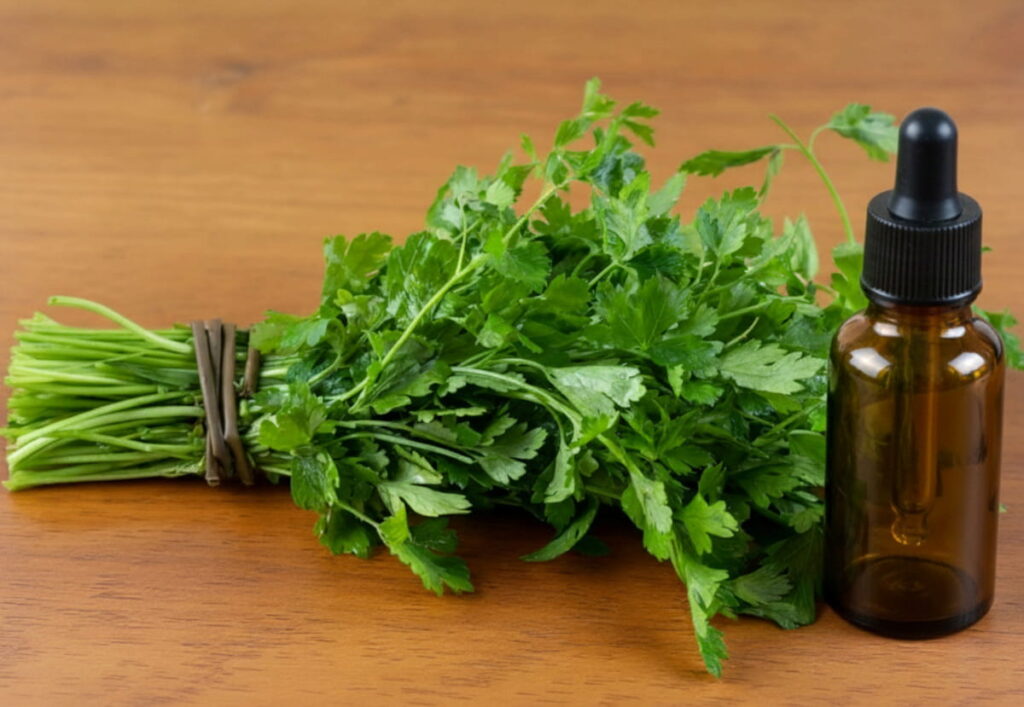
Making a Tincture
Tinctures typically involve alcohol but can be made with vegetable glycerin or vinegar if you do not consume alcohol. Keep in mind that when you are taking a tincture, you are taking such small amounts that it is impossible to feel any effects of alcohol.
I make a tincture by using 100 proof vodka. Fill a jar with fresh parsley. I like to cut it up into smaller pieces so I can fit more in and have more surface area for the alcohol to extract from. I feel it’s important that the plant be fresh, so it still retains all of its water and alcohol soluble properties. Some people like to use dry plant matter, but I don’t think it’s as potent since it’s lost its water-soluble properties in the drying process. Use your own judgement on what works best for you. Make sure you fill the jar to the top with parsley, don’t pick a jar that’s larger than the amount of plant material you have. It doesn’t matter what jar you use, just make sure it has a lid that is tight.
When your jar is full of parsley, pour the alcohol over it until it reaches the brim of the jar. You may have to let it sit for a minute before the alcohol makes it into all the nooks and crannies. Add more if necessary. Seal the jar with the lid and sit it in a cool dark place for 6-8 weeks.
When it’s ready, strain out the plant material and your tincture is ready for use.
Tinctures are pretty powerful medicine, so start slowly when taking it. Start with just a few drops several times a day, and work up until you reach the number of drops your body needs to feel the medicinal affects.
Making an Oil Infusion
An oil infusion is best used to make a salve, cream or lotion, but of course you can always use the oil to cook with too! My favorite oil to use is avocado oil, but you can use a pure olive oil, grapeseed oil, or basically any oil that isn’t soy, vegetable, or canola based. I wouldn’t recommend using those due to their inflammatory properties.
Oil infusions should be made with dry plant material only. Because oil and water are the perfect breeding ground for bacteria, if you use fresh plant material your oil is going to end up growing mold.
Fill a jar up with dried parsley, you can use the stem and all, you don’t have to only use the leaves. Just like with a tincture, cut the plant matter into smaller pieces to allow more surface area for extraction.
Pour the oil over the plant material up to the rim of the jar. Cap it tight and place it in a warm, dark place for 6 weeks. After 6 weeks, strain out the plant material and your oil is ready to go!
Capsules
You can buy ready made capsules from any health food stores, or online. If you choose to buy them, research the company and make sure they independently test their products for purity.
You can also make capsules yourself. To do this, take dried plant material and grind it to a powder. A blender should work fine. The plant must be dried, if you capsule plant material that has any moisture left in it you’ll end up growing mold.
You’ll need a capsule maker and empty capsules. Put your capsules into the capsule maker, spread the powdered plant material around and firmly press it into each capsule. The capsule maker should come with something called a tamper to help you compress the plant material into the capsule.
Place the two plates of the capsule maker together and press. You have now magically made your own capsules with only the plant ingredient(s) you chose to put in them.
Pin It For Later ⤵️
Learn About More Kitchen Herbs With Medicinal Properties
Sources:
Antioxidant Properties of a Parsley (Petroselinum crispum) Juice Rich in Polyphenols and Nitrites
Renal health benefits and therapeutic effects of parsley (Petroselinum crispum): a review


What a fascinating article! I had no idea parsley was so beneficial to my health! Thank you for sharing!
Fabulous article! We grow parsley every year and i love to just eat it straight from the garden. Im inspired to make a tincture to extend life now. Thank you!