How to Grow Parsnips in Loose Soil (For Bigger, Straighter Roots)
Parsnips are one of those vegetables that people often overlook in their garden. The carrot tends to outshine them. But if you’ve ever had parsnips, or haven’t but want to give them a try, they’re worth the space. Once you understand how they grow, parsnips are surprisingly simple and deeply rewarding, especially when harvested after a frost. I’ve grown parsnips for several years, and I encourage you to give them a try this year! Let’s learn how to grow parsnips at home.
*As an Amazon Associate I may earn from qualifying purchases at no cost to you.
Pin It For Later ⤵️
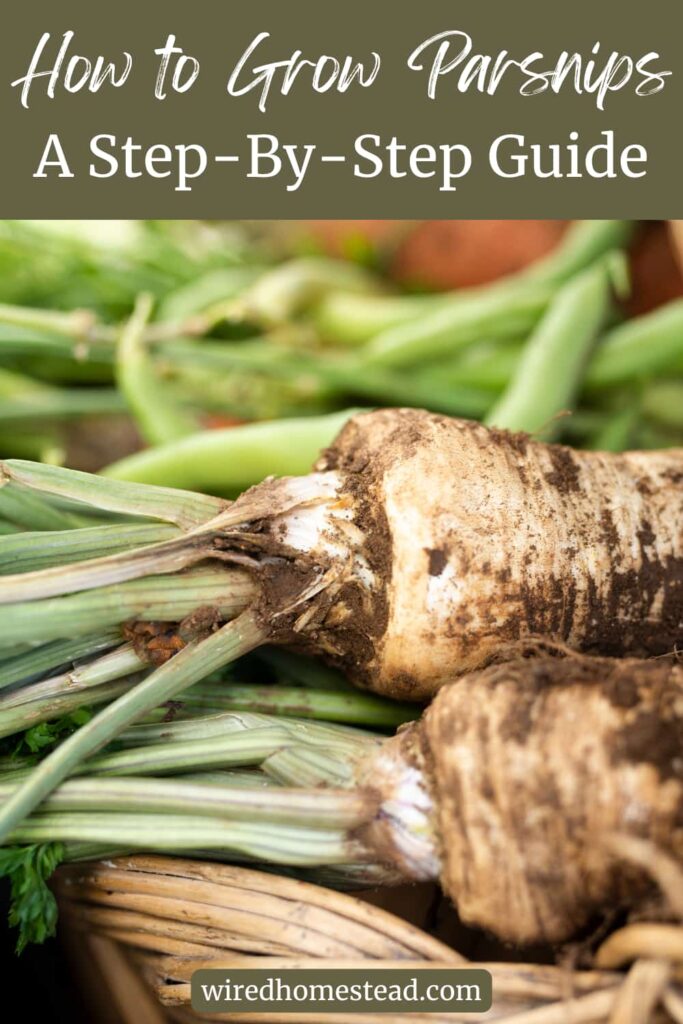
Why Grow Parsnips at Home?
Parsnips grown at home develop a sweeter, richer flavor than store-bought ones. Cold temperatures convert starches into sugars, which is why harvesting parsnips after frost makes such a big difference in taste.
They’re also:
- Cold hardy and reliable
- Easy to care for once established
- Excellent for fall and winter meals
For patient gardeners, parsnips earn their space. And if you’re the plant it and forget it type, like me, parsnips are a great crop for you. Once they get going they’re unfussy and easy to maintain. Perfect for the new, or experienced but lazy, gardener.
How to Grow Parsnips From Seed
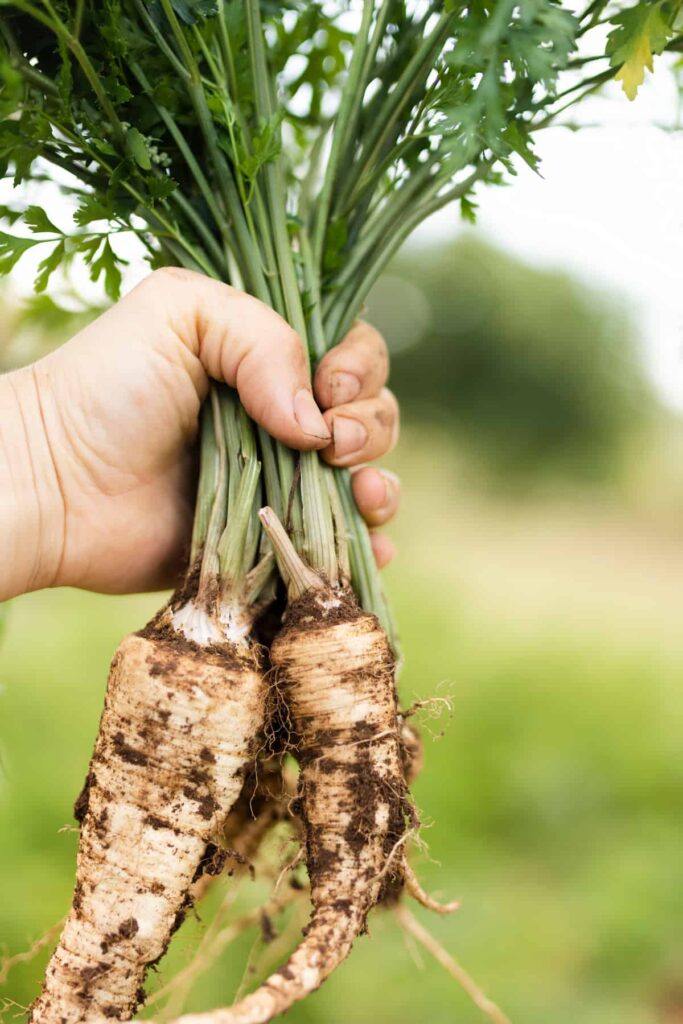
Parsnips must be grown from seed and do not transplant well. Root crops do not like to be moved, so make sure you sow the seed where you want them to grow. They grow best in raised beds and in-ground garden. You absolutely can grow them in containers, you just want a container that’s deep enough to accommodate the root as it grows. Pick one that’s at least 12 inches deep. Some varieties can even grow up to 18 inches long, so the deeper the better.
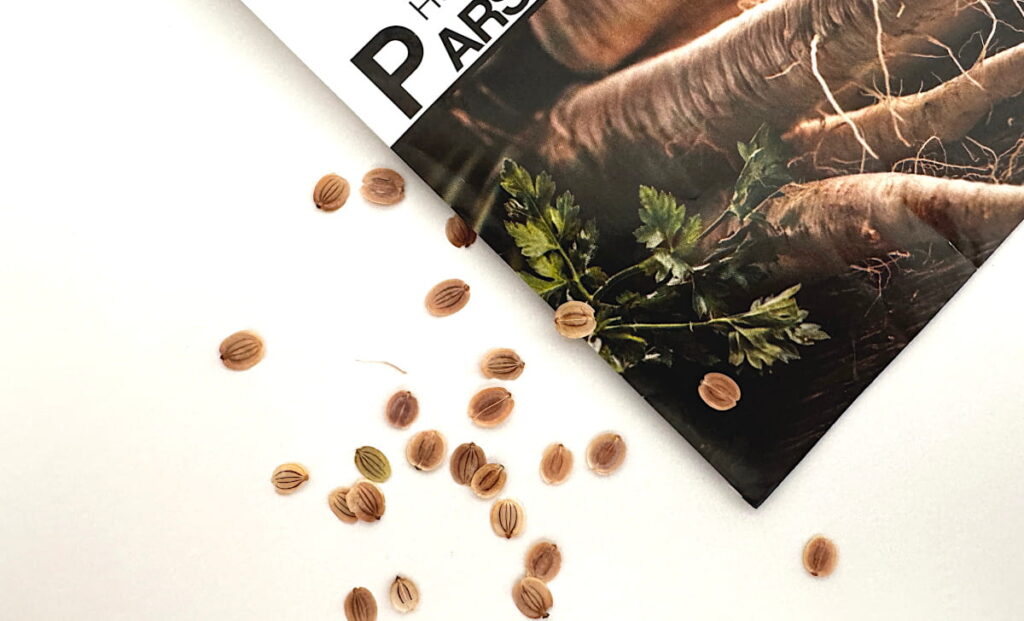
Parsnip seed loses viability quickly, so always start with fresh seed. You can use seed that’s a year old, but I wouldn’t go much older than that. I have used older seed before and out of the 3 24 inch rows I planted, I had 2 seeds sprout. Talk about a disappointment! I learned my lesson after that year.
Good varieties for home gardeners include:
- Hollow Crown (this is the one I usually grow)
- Gladiator
- All American
Fresh seed is the single biggest factor in successful germination. I can’t emphasize the importance of that enough. Learn from my failures!
When to Plant Parsnips
Parsnips should be planted in early spring, as soon as the soil can be worked. They prefer cool soil for germination and need a long growing season. It’s okay if you haven’t passed your frost date yet. Parsnips don’t mind the cold. In W. Washington where I live, I will plant them in mid-March. My last frost date isn’t until around April 24th, but that’s okay. This is one plant you can get out early.
In more mild climates, fall planting is also possible. This allows parsnips to grow slowly and overwinter in the ground. They should be ready (and tasty from the cold) by spring time.
Best Soil for Parsnips
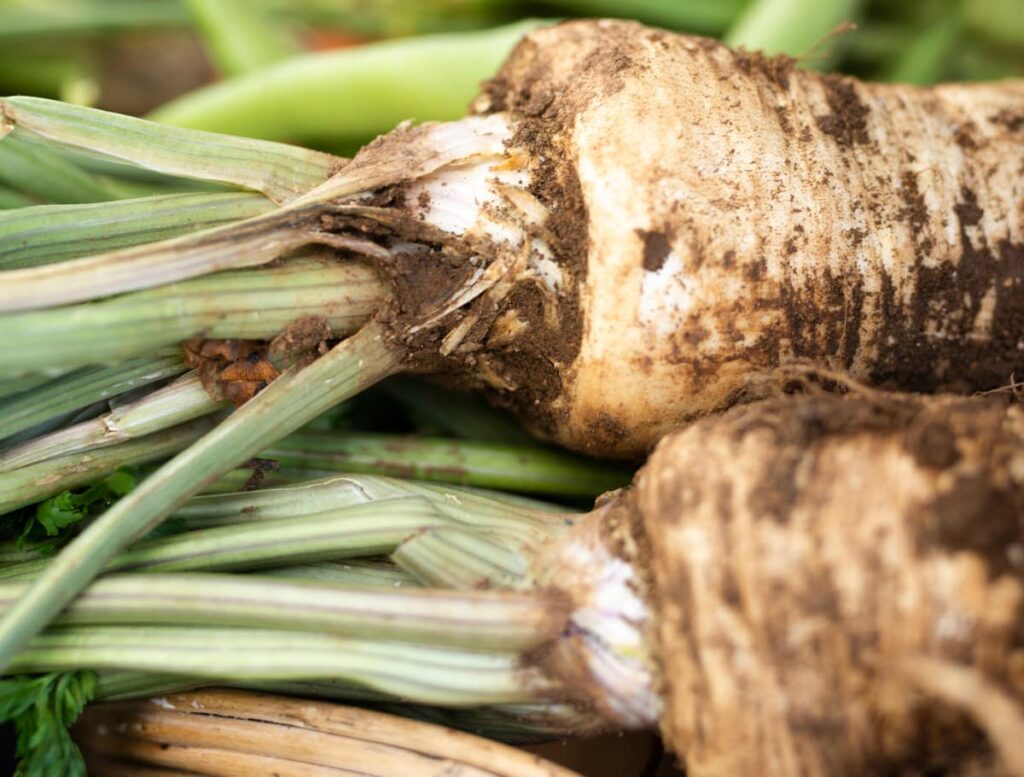
The best soil for parsnips is loose, deep, and free of rocks. Parsnips form long taproots, and compacted soil leads to forked or misshapen roots. It can also make getting them out VERY difficult. I’ve grown in ground and broken many parsnips because the parsnip grew too deep and I couldn’t get it out of the compacted soil.
For best results:
- Loosen soil at least 12 inches deep
- Remove stones and clumps
- Avoid fresh manure or high-nitrogen fertilizer when planting
Raised beds are an ideal option for parsnips if your native soil is heavy or compacted. Read Best High-Yield Soil Mix For Raised Beds to learn how to make the best soil mix to grow parsnips in raised beds.
Can You Grow Parsnips in Containers?
Absolutely you can. You’ll want containers that are at least 12 inches deep. Pots that are 18 inches are better, but they can be expensive and hard to find. I find fabric bags work great. They are easy to move if you need to and work just about everywhere. They allow good airflow to roots, which is especially important for root crops.
No matter the container you choose, make sure it has straight sides. Decorative ones that curve will tend to curve your parsnips if you plant them close to the side. And if you only plant in the middle you end up with wasted space around the edge. Wasted space = no food production. To get the highest-yields, use every inch of space available.
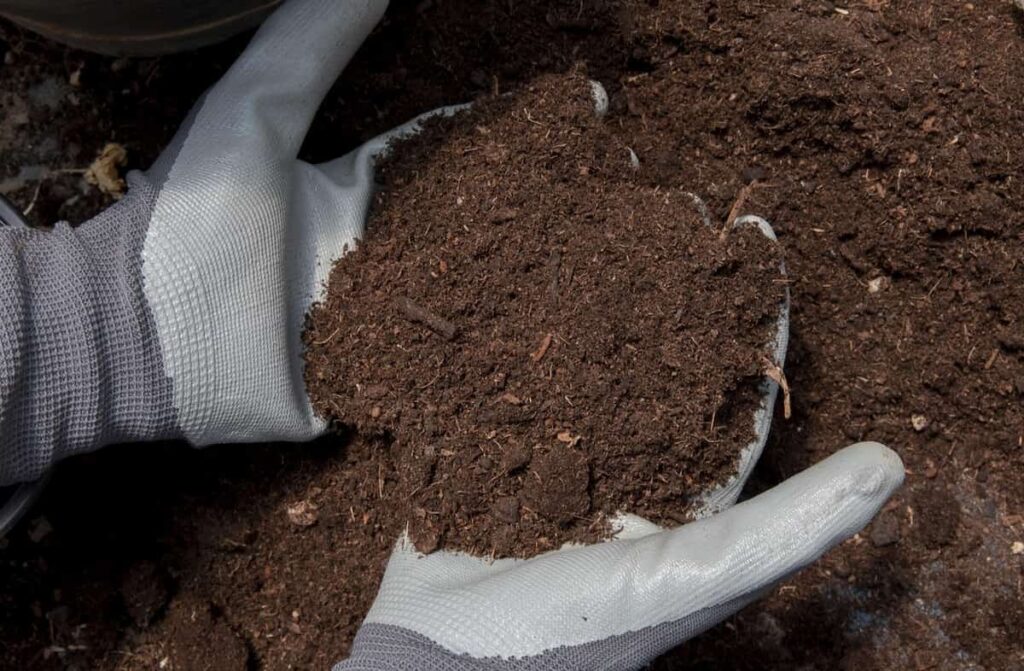
Use a light, potting soil mix. Do not use garden soil. Garden soil does not drain well enough to be used in containers. It also compacts easily. This will cause your roots to become misshapen, stunt growth, and you are not likely to get much of a harvest.
Follow spacing requirements on your seed packet. A 12 inch round pot could grow 12-16 parsnips depending on the variety you choose. That’s a lot of food in a small amount of space!
How to Plant Parsnip Seeds
The standard is to plant seeds about ½ inch deep and 2 inches apart in rows spaced 12–18 inches apart. But the spacing of rows doesn’t have to be so dramatic. Unless you are planting a lot of rows, 4-6 inches has always worked great for me. Water gently with a spray bottle or light mist from a hose. Keep the soil consistently moist.
Unless you live in a dry area, you may not need to water seeds at all. Give the ground a good water before planting. Then let the rain (or snow) do its job. Check in and only water if you notice the soil starting to dry out.
Parsnips are slow to germinate, often taking 14–21 days to emerge. This is normal. Just when you’re sure you’ve failed is when they’ll start to emerge. Hang in there and don’t lose hope!
Mark your rows so you don’t accidentally disturb the soil. I like to use basic plant labels, but you can use any labeling system that works for you. You’ll also know when a parsnip seed and not mistake it for a weed. Yep, I’ve done that too!
Why Won’t Parsnip Seeds Germinate?
The most common reasons your parsnip seeds aren’t germinating are:
- Old or poor-quality seed
- Soil drying out during germination
- Disturbance of the soil during germination
- Soil that’s too warm
Cool, consistently moist soil and fresh seed solve most germination issues.
Caring for Parsnips as They Grow
Once seedlings are a few inches tall, thin them to 3–6 inches apart. This spacing allows roots to grow long and straight. It will help avoid competition for nutrients in the soil. And it gives them space to grow without running into each other.
Water deeply during dry periods and try to keep weeds under control early. Once the plants get going, mulch around them to help cut down on weeds. This also helps retain moisture. After that, parsnips are mostly hands-off.
They tolerate frost well and continue improving in flavor as temperatures drop. Do not race to pick before frost. If you can wait, pick them after. You’ll be pleasantly surprised at what you get!
How Long Do Parsnips Take to Grow?
Parsnips are a long season crop. They’re slow to sprout, take most of the season to mature, and don’t give you much of a clue as to how they’re growing. That’s okay, have faith!
Most parsnips mature in 120–180 days, depending on variety and growing conditions. This is after they germinate, so add another 2-3 weeks or so. They’re not a quick crop, but they don’t require constant attention either. And because they’re frost hardy you don’t have to worry about fitting them into the number of days in your growing season.
Don’t let the timeframe intimidate you. They’re worth it.
Harvesting Parsnips After Frost
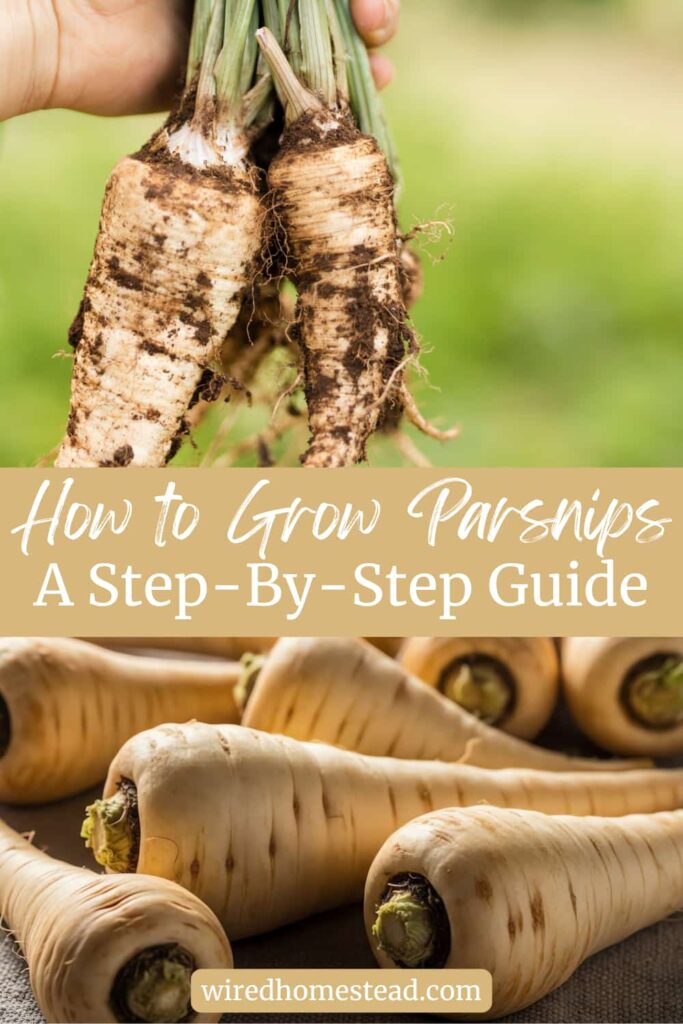
Parsnips should be harvested in late fall, after at least one frost. They can be stored in the ground all winter and be picked as needed. Cold temperatures trigger starches to turn into sugars, improving the sweetness and texture of the root. The colder, the better for harvesting this delicious root.
Read When to Harvest Vegetables for Best Flavor for more information on how to choose when to harvest for maximum flavor.
To harvest, loosen the soil with a garden fork or trowel before pulling. Parsnips can snap if the soil got compacted over the growing season. Take your time pulling them if they’re stuck. Don’t rush the process or you might only get half a parsnip.
Can You Leave Parsnips in the Ground Over Winter?
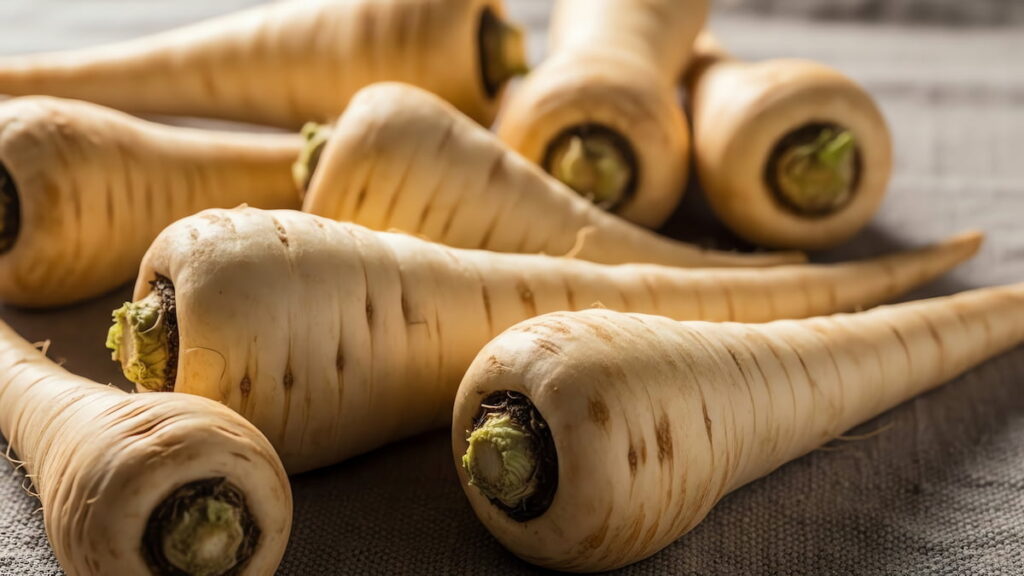
Yes, and many gardeners do including myself.
However, you don’t want the soil to freeze solid. Heavy mulch helps protect roots, keep the soil from completely freezing, and allows you to harvest as needed.
Storing Homegrown Parsnips
Fresh parsnips store well in the refrigerator for several weeks. For longer storage, keep them in damp sand in a cool basement or root cellar. No matter where you store them, make sure you do not clean them once pulled. The dirt helps protect the root, allowing them to keep for several months if stored properly.
You can also leave parsnips in the garden and harvested gradually through fall and winter. Just make sure they’re protected with mulch so the ground around them does not freeze solid.
Now You Can Grow Parsley at Home
Growing parsnips at home may require some patience, but it’s surprisingly easy. With good soil, fresh seed, and realistic expectations, anyone can grow a successful parsnip crop.
Parsnips quietly reward gardeners who are willing to wait.
Frequently Asked Questions
Q: How long do parsnips take to grow?
A: Parsnips usually take 120 to 180days to mature, depending on the variety and growing conditions. They are a long-season crop and grow slowly, especially early in the season.
Q: Why won’t my parsnip seeds germinate?
A: The most common reason parsnip seeds fail to germinate is because you’re using old seed. Parsnip seeds lose viability quickly and should be purchased fresh each year or two. Dry soil during germination or soil that is too warm can also delay or prevent sprouting.
Q: When should I plant parsnips?
A: Parsnips should be planted early in spring, as soon as the soil can be worked. They prefer cool soil, 50-60 degrees F, for germination and need a long growing season to develop properly.
Q: Can you grow parsnips in containers?
A: Yes, parsnips can be grown in containers, but the containers must be deep. Choose pots that are at least 12 to 18 inches deep and use loose, well-draining soil to allow the taproot to grow straight.
Q: What is the best soil for growing parsnips?
A: The best soil for parsnips is loose, deep, and free of rocks. Compact or heavy soil can cause forked or misshapen roots.
Q: Do parsnips need full sun?
A: Parsnips grow best in full sun, but they can tolerate partial shade, especially in warmer climates. At least six hours of sunlight per day is recommended.
Q: Why are my parsnips forked or misshapen?
A: Forked parsnips are usually caused by compacted soil, rocks in the soil, or too much nitrogen early in the growing season. Preparing the soil well before planting helps prevent this issue.
Q: Can you leave parsnips in the ground over winter?
A: Yes, parsnips are very cold hardy and can be left in the ground over winter in many climates. Mulching heavily helps protect the roots from freezing and allows you to harvest as needed.
Q: Do parsnips taste better after frost?
A: Yes. Frost triggers the conversion of starches into sugars, which makes parsnips noticeably sweeter. Many gardeners wait until after the first frost to harvest.
Q: Are parsnips hard to grow for beginners?
A: Parsnips are very beginner-friendly as long as your expectations are realistic. They take a long time to grow and germinate slowly, but they don’t require complicated care once established.
Pin It For Later ⤵️