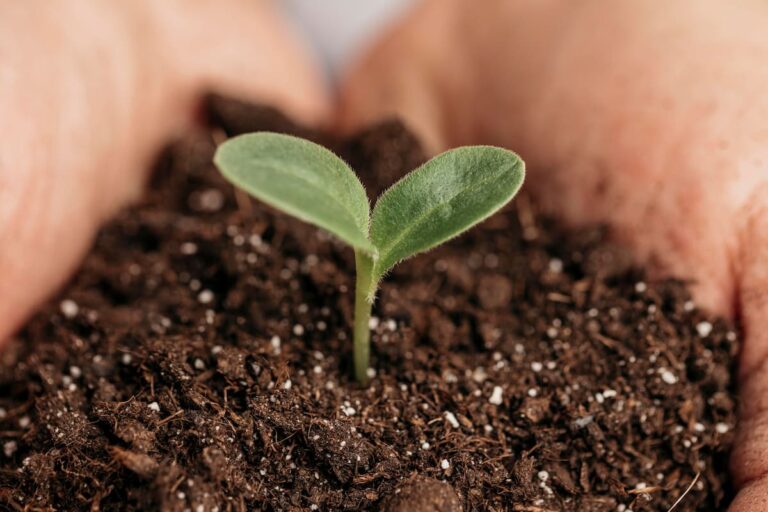
No Till Gardening Benefits: A Simple Way to Build Better Soil
One of the greatest no till gardening benefits is how quietly it restores tired ground into living soil. By leaving the soil undisturbed, earthworms, microbes, and organic matter are free to do the work nature intended. Over time, a no-till garden becomes richer and more resilient. It holds moisture better, growing stronger plants and asking less of you while giving you much more of a return.
*As an Amazon Associate I may earn from qualifying purchases at no cost to you.
Pin It For Later ⤵️
What Is No Till Gardening?
No till gardening is exactly what it sounds like: growing a garden without digging, turning, or flipping the soil. Instead of working the ground with a shovel or tiller, this no till garden approach builds soil fertility from the top down using layers of compost and mulch.
One of the key no till gardening benefits is that it closely mimics how healthy soil forms in nature. Forests, meadows, and prairies are never tilled. Leaves fall, plants die back, and organic matter settles on the soil surface year after year. Rain, worms, fungi, and microbes slowly move those nutrients downward, creating rich, living soil without disturbance.
By practicing no till gardening, you allow the soil to function as a living system. Natural layers remain intact, fungal networks stay connected, and earthworm tunnels continue to aerate the soil. Over time, a no till garden becomes softer, darker, and easier to plant in, all without digging. Instead of fighting the soil each season, this method works with natural processes that have been building healthy ground for centuries.
No Till Gardening vs Traditional Tilling
Traditional tilling can feel productive. Freshly turned soil looks neat and ready for planting. But that short-term gain often comes with long-term consequences. Tilling breaks apart soil structure, collapses air pockets, and exposes beneficial organisms to sunlight and oxygen they aren’t designed to handle.
Each time soil is tilled, organic matter breaks down faster and is lost more quickly. This can leave soil compacted, dry, and dependent on added fertilizers to remain productive.
No till gardening takes a slower, steadier approach. Instead of forcing the soil into shape, it allows natural systems to do the work. Soil stays layered, moisture stays in place, and nutrients are recycled more efficiently.
While a tilled garden may produce well for a season or two, a no-till garden tends to improve year after year. The difference becomes especially noticeable over time, as soil grows darker, looser, and more alive with each passing season.
Key No Till Gardening Benefits
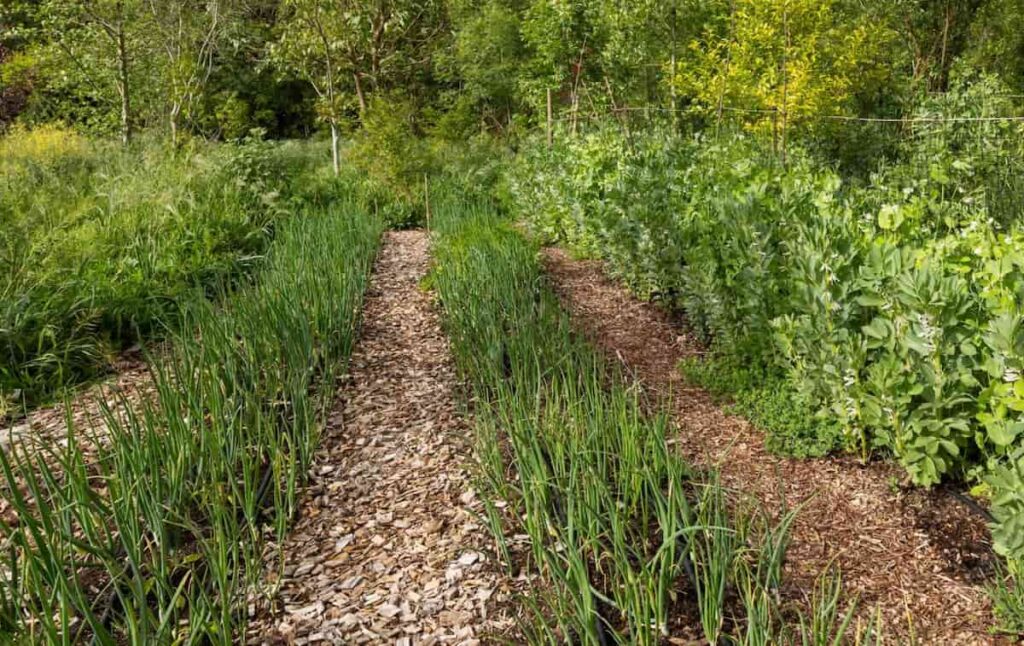
A no-till garden is one where you avoid turning or disturbing the soil and instead build fertility by layering compost, mulch, and organic matter on top. This simple shift has far-reaching benefits, not just for the soil itself, but for the plants, the gardener, and the environment as a whole.
Improved Soil Health and Structure
One of the most important no till gardening benefits is the way it protects and improves soil structure. Tilling breaks apart the natural clumps of soil, known as aggregates, and destroys the channels that allow air and water to move efficiently. In a no-till garden, these structures remain intact, leading to better aeration, improved drainage, and less compaction over time.
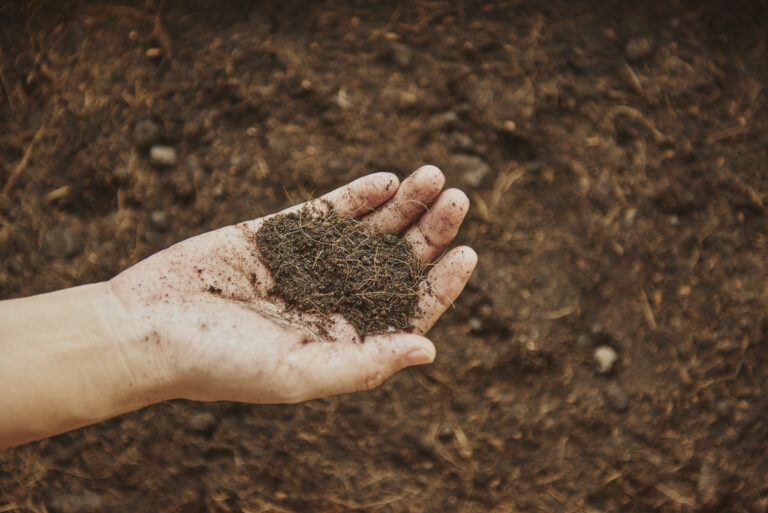
Leaving the soil undisturbed also protects the living organisms that make healthy soil possible. Earthworms, beneficial fungi like mycorrhizae, and countless microbes form a complex soil food web that supports plant growth and immunity. When soil isn’t tilled, these organisms are free to thrive, creating a more fertile and resilient growing environment.
Organic matter plays a key role here as well. In no-till gardening, compost and mulch are added to the surface, mimicking how nature builds soil. As this material breaks down, worms and microbes gradually pull nutrients into the soil, increasing organic matter and improving texture without mechanical disturbance.
Better Water Conservation and Management
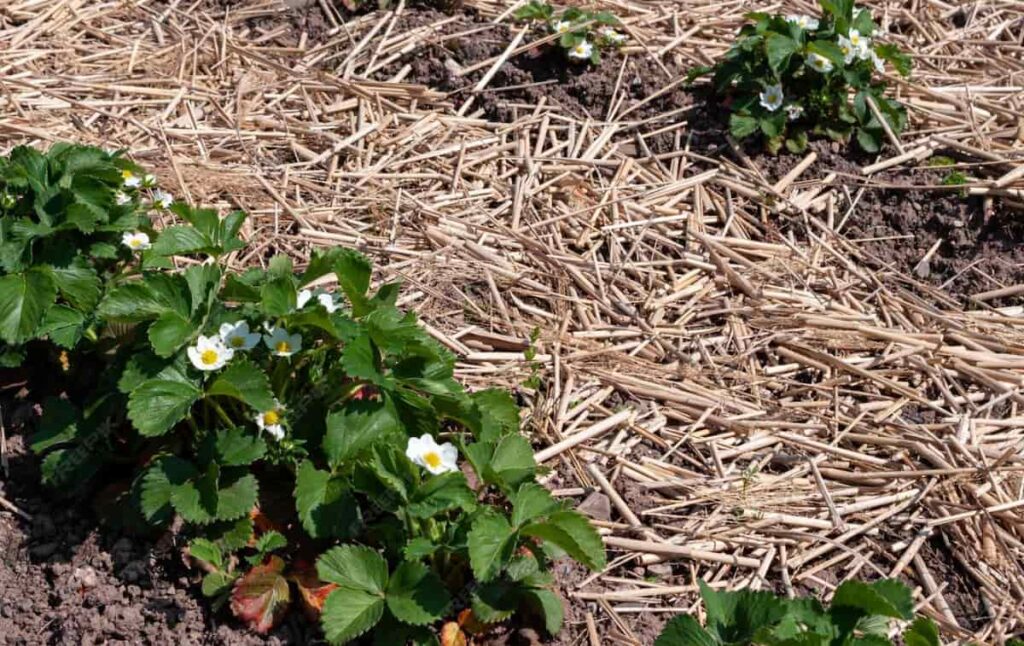
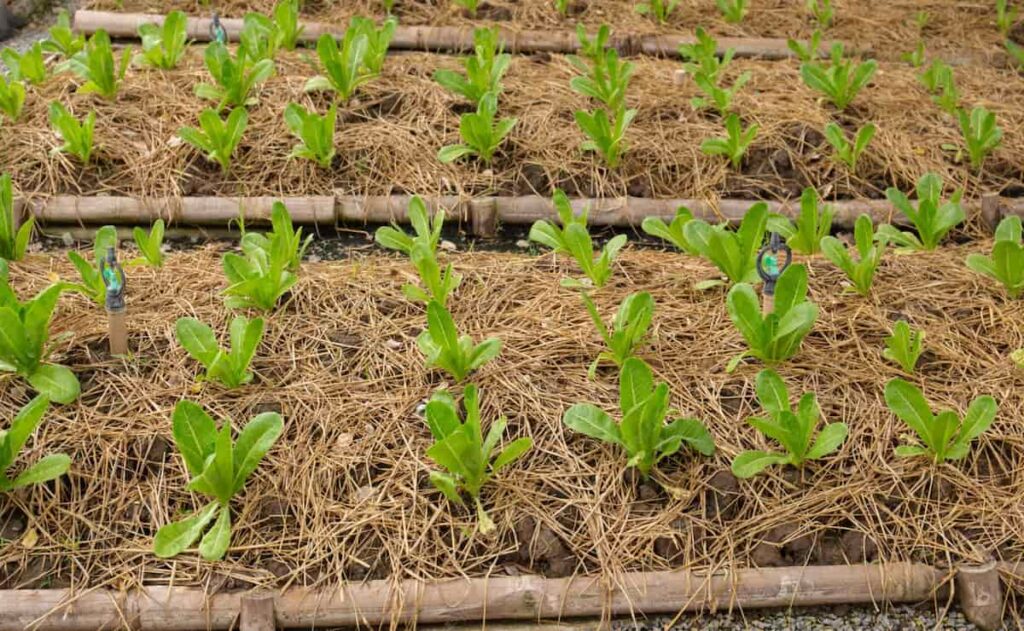
Healthy soil holds water more effectively, and no-till gardening excels in this area. A thick layer of mulch shields the soil from sun and wind, reducing evaporation and keeping moisture where plants need it. As organic matter increases, the soil becomes better at absorbing and storing water, meaning less frequent watering throughout the season. Over time it can even mean no additional watering at all, even during times of little to no rain.
Undisturbed soil also allows water to soak in rather than run off. This improved infiltration helps gardens handle both dry periods and heavy rains more easily, reducing stress on plants and preventing water loss.
Reduced Erosion and Nutrient Loss
Bare, tilled soil is highly vulnerable to wind and rain erosion. In contrast, a no-till garden keeps soil covered year-round with mulch or plant residue. This protective layer prevents valuable topsoil and nutrients from washing or blowing away, keeping nutrients in place where plants can use it.
Easier Weed and Pest Management
Weeds are often easier to manage in a no-till system. Tilling brings dormant weed seeds to the surface, where light triggers germination. No-till gardening leaves those seeds buried while mulch blocks light from reaching new weed seeds on the surface. Over time, this significantly reduces weed pressure.
Healthier soil also supports stronger plants, which are naturally more resistant to pests and disease. Many gardeners find they can reduce or eliminate chemical fertilizers and herbicides as soil balance improves.
Benefits for the Gardener
From the gardener’s perspective, no-till gardening is far less labor-intensive. Eliminating digging and tilling saves time and physical effort, making gardening more accessible and sustainable long term. Once a no-till bed is established, ongoing maintenance is simple.
As soil health improves, plants are able to grow deeper roots, access nutrients more efficiently, and withstand environmental stress. This often leads to higher yields and more consistent harvests over time.
Environmental Advantages
No-till gardening also offers broader environmental benefits. Undisturbed soil holds carbon more effectively, while tilled soil releases carbon into the atmosphere as carbon dioxide. By keeping carbon locked in the soil, no-till methods help reduce greenhouse gas emissions.
Reduced erosion also means less sediment and nutrient runoff into waterways, helping protect streams, rivers, and surrounding ecosystems.
Learn More About No Till Gardening Benefits
This post is an overview of why no till gardening can benefit you, your garden, and your local ecosystem. To learn more I highly recommend this book:
What Your Food Ate: How to Restore Our Land and Reclaim Our Health
So far it’s been my favorite book that talks about this topic.
More Gardening Tips:
A Beginners Guide to Growing Seasons