Why Do Some Plants Transplant Easily While Others Struggle?
Every gardener, myself included, has had the excitement of transplanting a seedling into the garden, just to see it wilt and struggle. I’ve transplanted hundreds, if not thousands, of seedlings, and it still happens sometimes to me. Luckily there are reasons why some plants transplant easily while others struggle. Knowing these reasons can be the difference between happy transplants, and transplant shock.
What Happens During Transplanting?
When you transplant, you interrupt three critical systems at once:
- Root structure
- Water uptake
- Soil microbial relationships
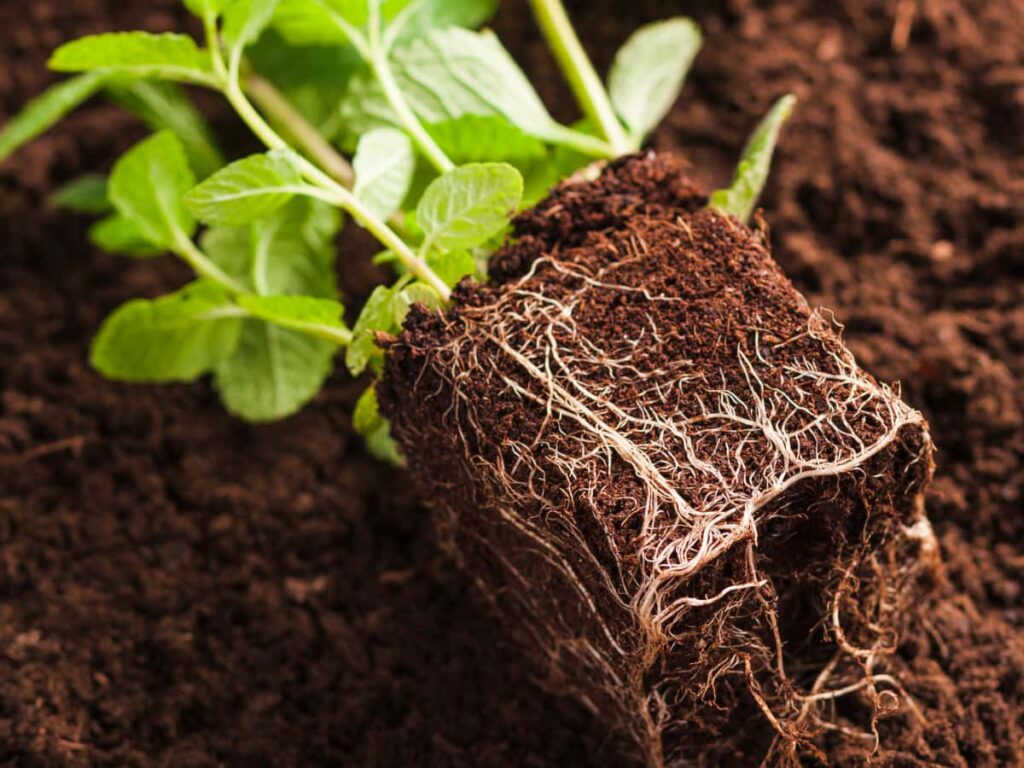
Even when you’re careful, fine root hairs are damaged. There’s no avoiding this. These microscopic structures are responsible for most of the water and nutrient absorption for the plant. Lose enough of them and the plant cannot keep up with moisture demand. That’s when transplant shock symptoms in plants begin to show.
Wilting is not always about lack of water. It’s about the plant temporarily losing its ability to drink.

Root Systems: The Hidden Deciding Factor
The biggest difference between plants that thrive and plants that struggle after transplanting is the root architecture. Having a tap root or a fibrous system of roots make all the difference on how a plant will transplant.
Taproot vs Fibrous Root System Transplant Success
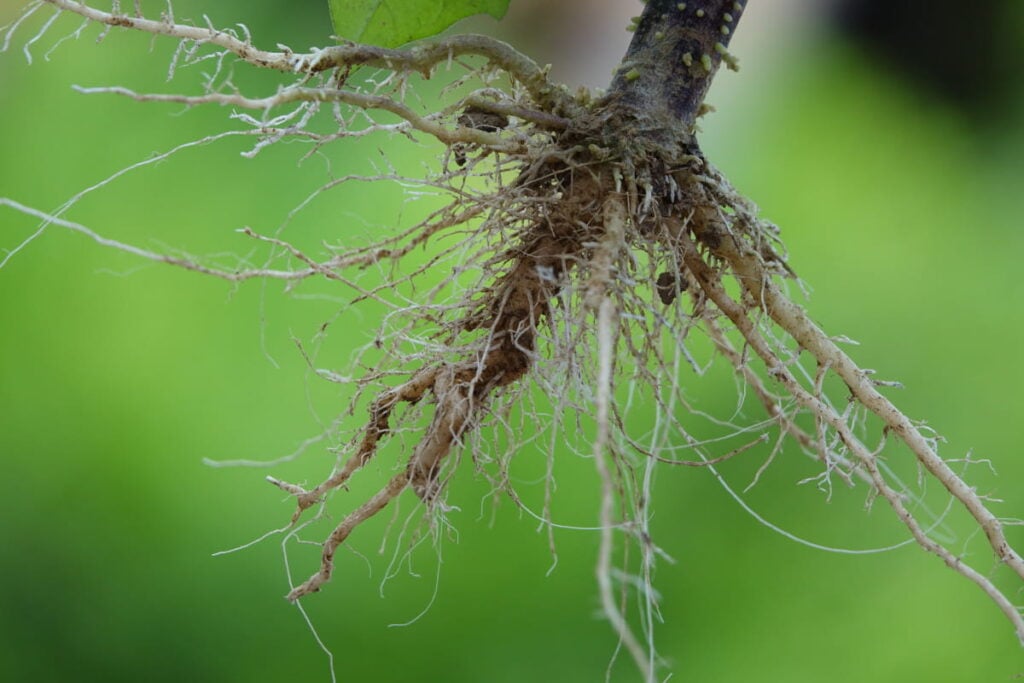
Plants with a fibrous root system have many branching roots that spread out kind of like a net. If some are damaged, others step up and compensate to keep the plant going.
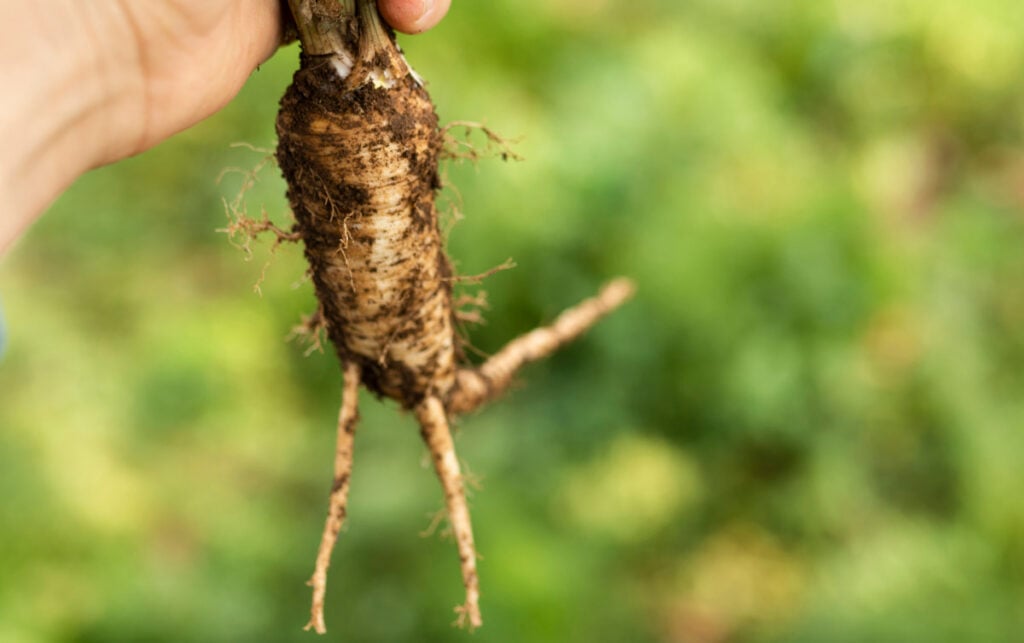
Plants with a taproot system rely heavily on one dominant central root. Disturb it, bend it, or break it, and the plant experiences significant stress. This stress is hard, if not impossible, for the plant to recover from.
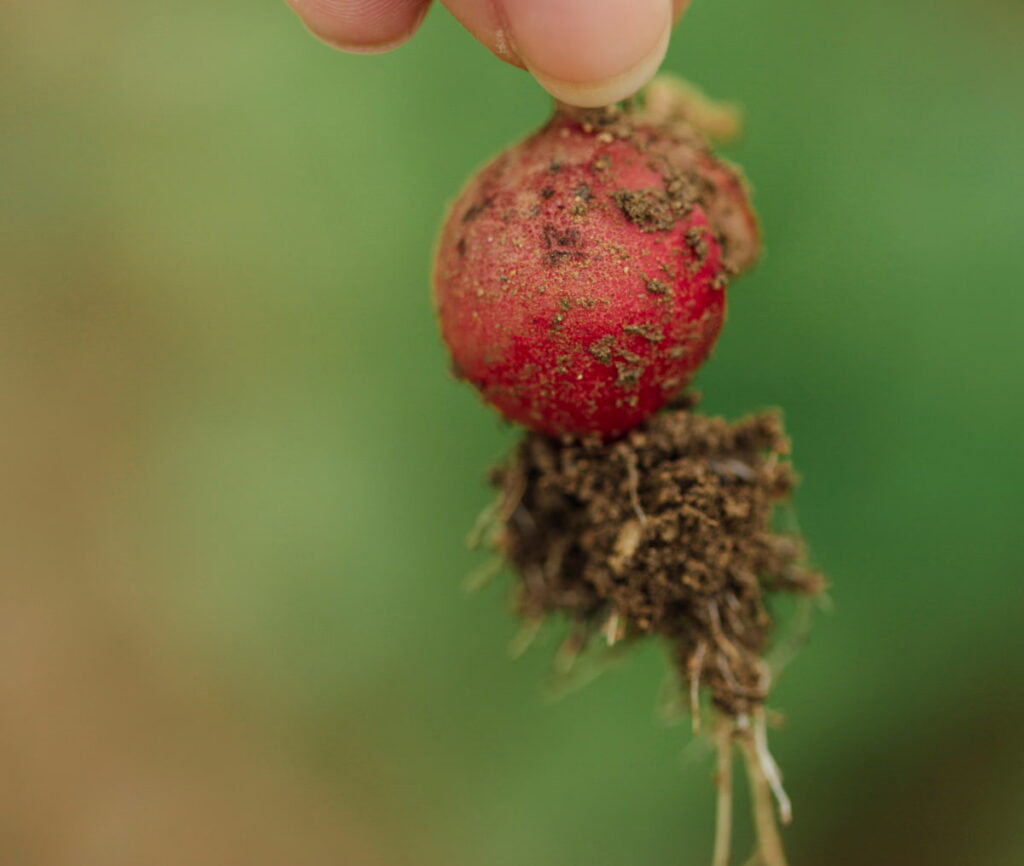
Carrots, radishes, corn, and beans develop strong central roots early. This is why they’re often listed among plants that don’t like to be transplanted. Direct sowing usually gives you better results.
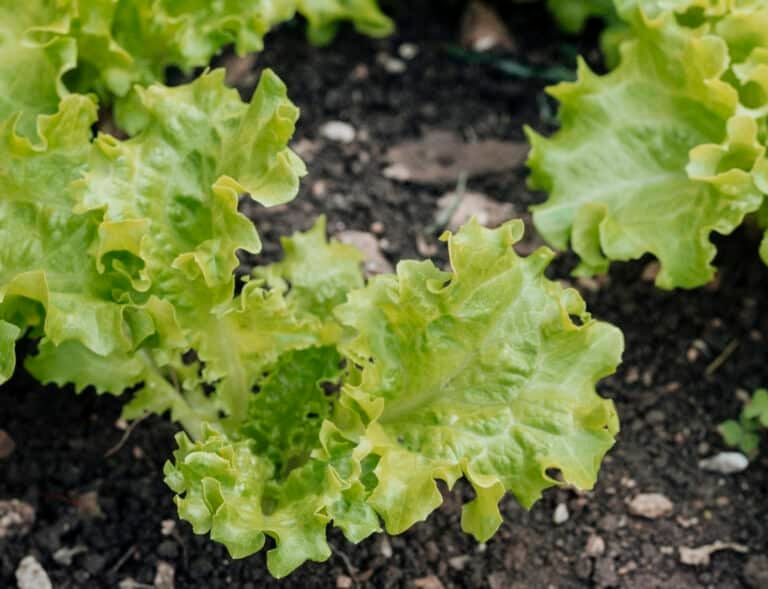
Lettuce, tomatoes, cabbage, and broccoli have branching root systems. They tolerate movement because they can rebuild their root structure fairly quickly.
Plants With Sensitive Root Systems
Some plants will simply hate you if you disturb their roots. Their roots establish early partnerships with soil microbes and fungi. When moved, those relationships are disrupted.
This is one reason why cucurbits like squash and melons sometimes stall after transplanting. Their roots are productive but sensitive to being moved. They get touchy about having to start over in a new place.
If you’ve ever wondered why plants struggle after transplanting even when watered well, root sensitivity is usually the reason.
Environmental Stress Makes It Worse
Even transplant-friendly plants can struggle if conditions aren’t right.
The best time of day to transplant plants is in the evening or on a cloudy day. This reduces moisture loss and lowers stress. Direct sunlight and heat are big stressors for plants. Avoiding changing a plant’s environment during times of high heat and lots of sun help make it easier for the plant.
Other factors that increase transplant shock:
- Hot soil temperatures
- Strong wind
- Dry root balls
- Skipping hardening off seedlings before transplanting
Hardening off matters because indoor-grown plants have never experienced wind, UV intensity, or temperature swings. Moving them abruptly is like taking someone from a quiet library and placing them in the middle of a thunderstorm. You would be over stimulated by that, too!
To learn more about how to harden off plants, see my post How To Transplant Seedlings Without Losing Your Plants.
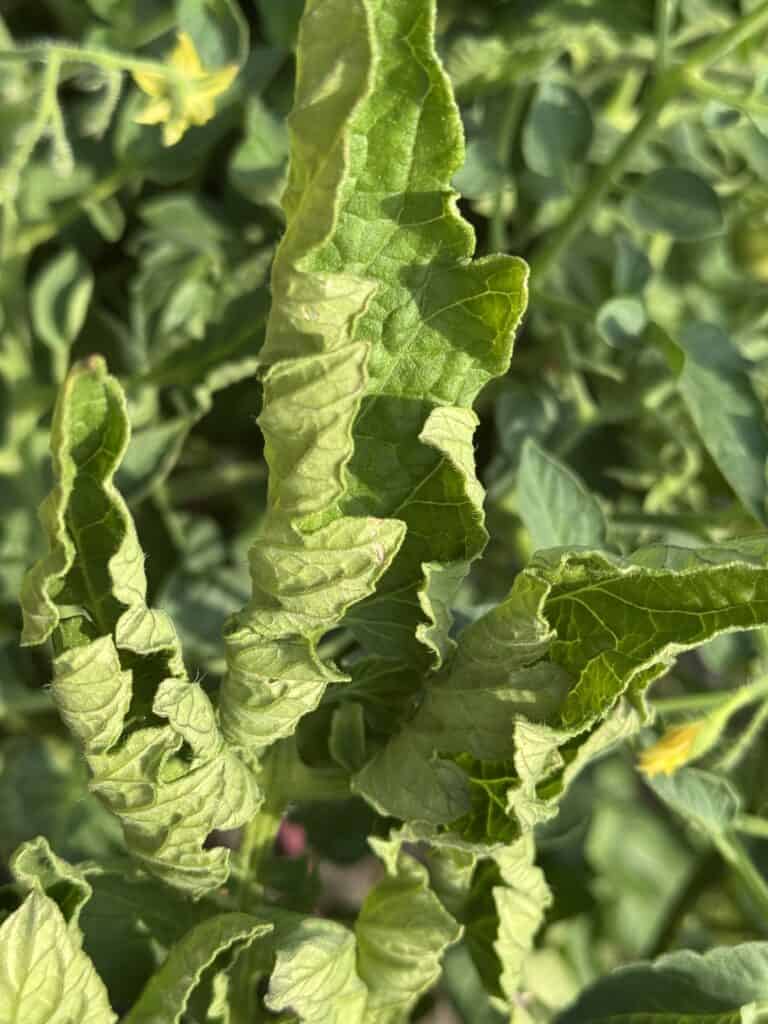
Transplant Shock Symptoms in Plants
Transplant shock can happen for any plant. When transplanting, watch for these signs:
- Wilting despite moist soil
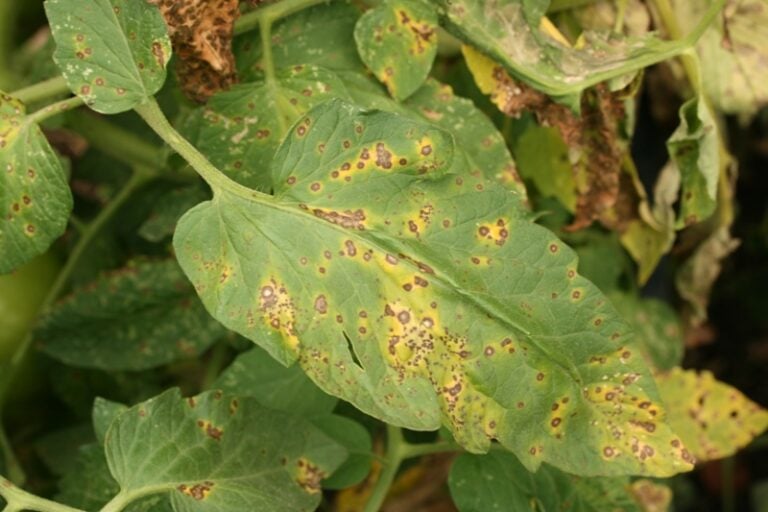
- Yellowing leaves
- Leaf drop
- Slow or stalled growth
Most plants recover within 5 to 10 days if roots reestablish quickly. Severe damage to roots, or insufficient hardening off, may make a plant take longer than that.
How to Prevent Transplant Shock in Seedlings
If you want to reduce transplant stress, focus on roots and moisture.
Here’s a practical checklist:
- Water seedlings thoroughly before transplanting. It’s best do it the morning of if transplanting at night, or the night before if transplanting in the morning. This lets the roots and soil have time to take up the water before being moved.
- Disturb roots as little as possible.
- Keep the entire root ball intact.
- Plant at the same soil depth unless it’s a tomato, which benefits from deeper planting.
- Transplant in the evening whenever possible.
- Provide temporary shade for 2 to 3 days if weather is hot and their new space is very sunny.
Some gardeners use diluted kelp extract to encourage root recovery. While that is optional, consistent watering during the first week is necessary to help the roots recover.
Why Some Plants Seem to Shrug It Off
Plants that transplant easily usually share three traits:
- Fibrous root systems
- Fast growth rate
- Ability to regenerate root hairs quickly
They are built for resilience.
Plants that struggle are not necessarily fragile. They are most likely have a specialized root structure. And specialized root systems tend to not tolerate disruption as well.
Transplanting Success Lies in the Roots
Transplanting success is not about having the perfect technique. It’s more about understanding plant biology and how it grows.
When you match your planting method to the root system, timing, and weather conditions, you dramatically improve your outcomes. Think about the structure of the plant, that’s where you’ll find your success.
Frequently Asked Questions About Transplanting Plants
Q: Why do plants struggle after transplanting?
A: Plants struggle after transplanting because their root systems have been disturbed. Fine root hairs, which absorb most of the water and nutrients, are almost always damaged during the move. Until new root hairs grow, the plant cannot take up enough moisture to support its leaves.
Environmental stress such as heat, wind, or direct sun can make this worse. This temporary setback is commonly called transplant shock.
Q: What are the symptoms of transplant shock in plants?
A: Common transplant shock symptoms in plants include:
- Wilting even when the soil is moist
- Yellowing leaves
- Leaf drop
- Slowed or stalled growth
- Curling or drooping foliage
Mild transplant shock usually resolves within a week. Severe root damage may take longer to recover.
Q: How long does transplant shock last?
A: Most healthy seedlings recover from transplant shock within 5 to 10 days. Fast-growing plants with fibrous root systems often rebound more quickly.
Plants with taproots or sensitive root systems may take two weeks or longer to show new growth. Consistent watering and mild weather conditions can help shorten recovery time.
Q: Can a plant recover from transplant shock?
A: Yes, most plants can recover from transplant shock if their roots remain mostly intact.
To improve recovery:
- Keep soil consistently moist but not soggy
- Provide temporary shade during hot weather or lots of sun
- Avoid fertilizing immediately after transplanting
- Reduce wind exposure
Once new root growth begins, the plant typically resumes normal development.
Q: Which plants do not like to be transplanted?
A: Plants that don’t like to be transplanted usually have taproot systems or very sensitive roots. These include:
- Root vegetables like carrots, radishes, turnips, ect.
- Peas
- Corn
- Beans
- Cucumbers
- Melons
- Squash
Direct sowing these crops often leads to better growth and higher yields because their central root remains undisturbed.
Q: What is the best time of day to transplant plants?
A: The best time of day to transplant plants is in the late afternoon or early evening. This gives the plant several cool hours to settle in before facing full sun.
Cloudy days are also ideal. Avoid transplanting during midday heat or high winds, which increase moisture loss and stress.
Q: Should you water immediately after transplanting?
A: Yes. Watering immediately after transplanting helps settle soil around the roots and removes air pockets.
Deep watering encourages roots to grow outward into surrounding soil. After the initial watering, keep the soil consistently moist for the first week while roots reestablish.
Q: Does fertilizer help prevent transplant shock?
It’s best to avoid strong fertilizers right after transplanting. Damaged roots are sensitive and can burn easily.
Instead, focus on moisture and root stability. Once the plant shows new growth, light feeding can support continued development.