Why Gardening Mistakes Matter: How Mistakes Make A Better Gardener
Every gardener remembers their first big mistake. Maybe it was seeds planted too early that died after a frost. Or tomatoes that were over watered with the best of intentions. I’ve planted a bed that was so overcrowded it looked more like a thicket than a garden. We’ve all made mistakes that turned into a gardening disaster. These moments feel discouraging at the time, but they are where real learning begins. Let’s take a look at why gardening mistakes matter, and how they make you a better gardener.
Gardening Is a Trial-and-Error Teacher
You can read every guide available and still learn something completely new the first time your garden does something different than you expected. That’s because gardening is shaped by variables that change constantly. Rainfall, temperature changes, soil quality, microclimates, and timing all play a role in what your garden needs and how it responds.
Mistakes force you to see the little details that make all the difference. They take the things you’ve read and enable you to adjust them to your garden’s specific needs. Without mistakes, you can’t grow as a gardener.
Common Gardening Mistakes Beginners Make
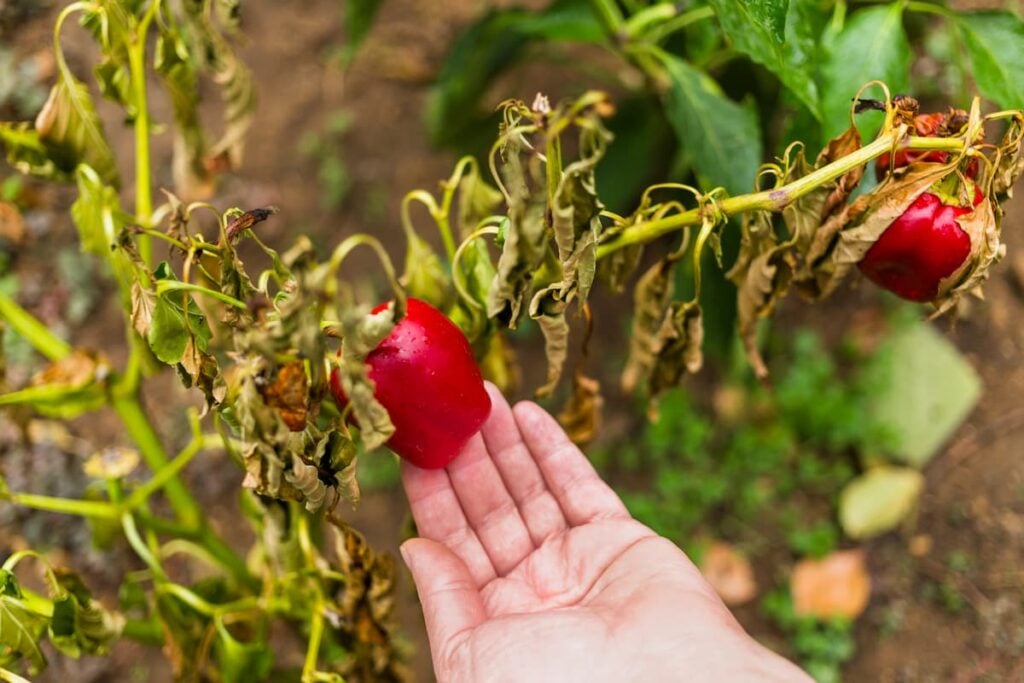
Some gardening mistakes can be considered rites of passage, especially for beginners. That’s because pretty much everyone that’s beginning to garden makes these mistakes. Sometimes even those that have been gardening for a long time make these mistakes, too.
Planting Too Early
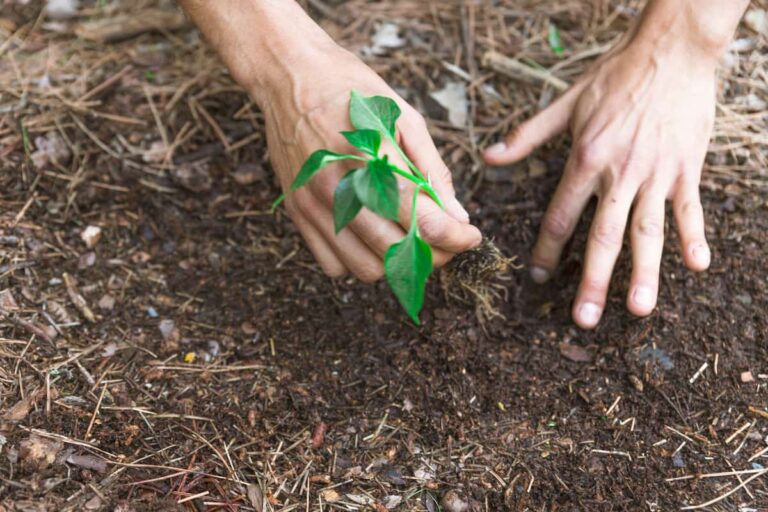
It’s hard not to be excited for the gardening season. The promise of delicious produce and beautiful flowers get you itching to start. But planting too early is our first common mistake. Soil temperature is too cold. Nights are likely too cold. And your plants struggle, become stunted, or maybe completely die. Planting too early often teaches to pay attention to soil and outdoor temperature rather than just looking at calendar dates.
Overwatering
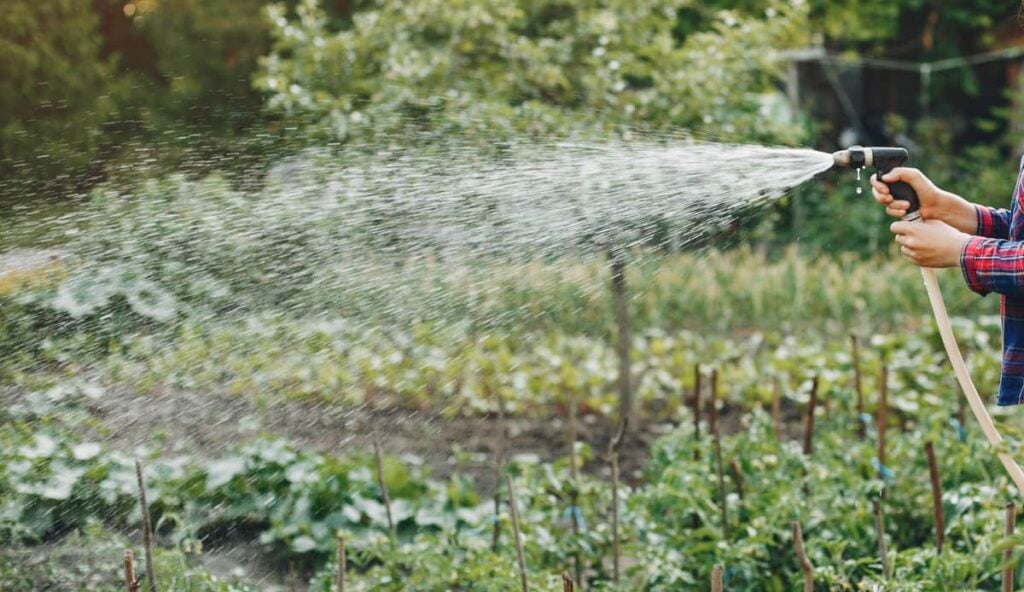
Overwatering is so easy to do. Sometimes it’s just getting into a groove or routine and before you know it, your plants have too much water. Too much water will end up drowning a plant’s roots. When the soil is too saturated, roots cannot breathe and take up nutrients. If you’ve ever dealt with blossom end rot in tomatoes, overwatering is a common reason for it. It’s cause by a lack of calcium. Often it’s just that the soil is so wet the plant take up the calcium that’s there, not that the soil is lacking it. Overwatering is a mistake that will show you how roots need air just as much as moisture.
Inconsistent Watering
While overwatering is a common mistake, it’s also very common to water inconsistently. Letting your garden get too dry, then watering it too much, instead of keeping the soil consistently moist causes stress on your plants. Stressed plants can’t properly take up nutrients. They may become stunted and production could be lowered. This is also a common cause of blossom end rot. Stressed plants also invite disease and pest issues.
Plants respond to patterns. When those patterns are inconsistent, growth suffers. When they are consistent, growth is steady.
Ignoring Soil Health
Soil health includes the structure, pH, nutrient content, organic matter, and the biological and microbial life. Ignoring your soil health can create a poor growing environment for your plants. It can lead to soil that is too heavy or even just dead. Plants build a unique relationship with the life in the soil. They depend on microbes, fungi, and all other life to be able to take up nutrients and just be healthy in general. Ignoring soil health quickly shows why healthy plants start below the surface.
Overcrowding
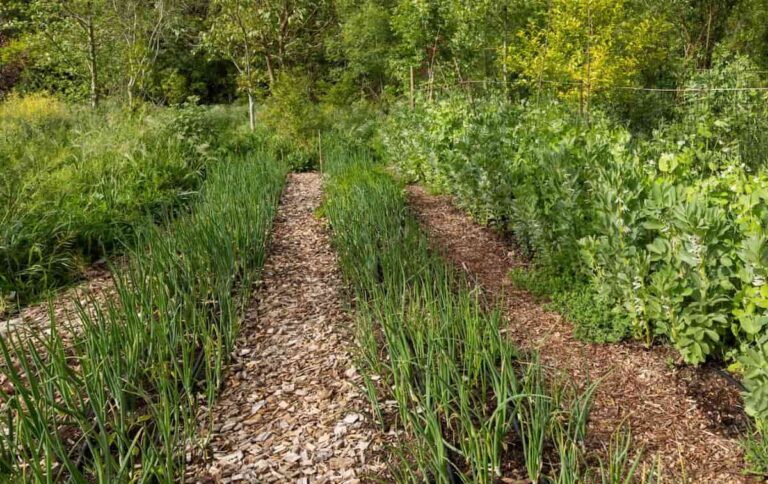
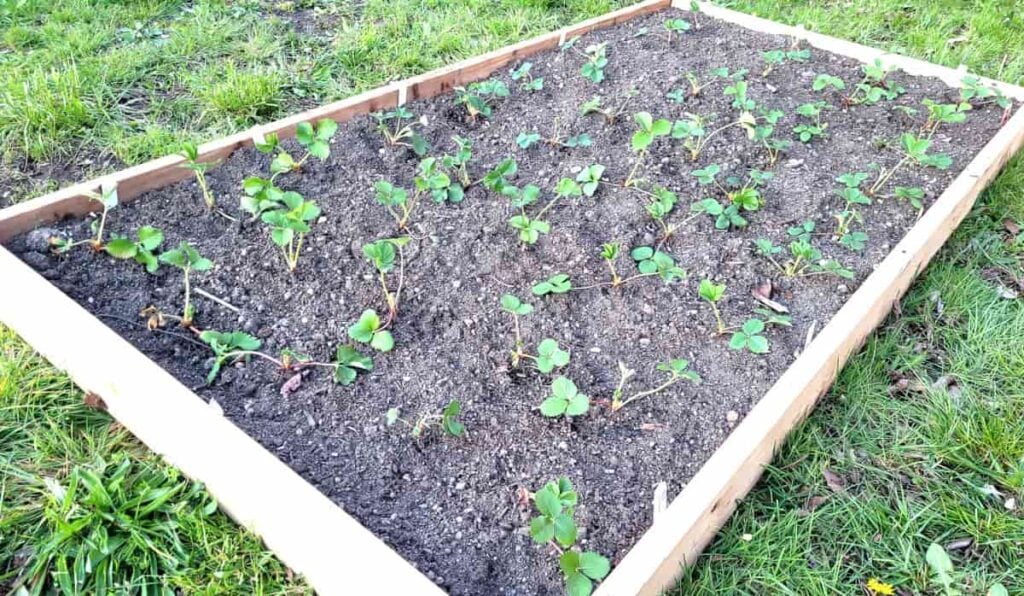
Even planting too much at once teaches restraint and planning. This is one that I still struggle not to make. Seedlings are small, they don’t take up much room. But the goal is to grow them much bigger. A crowded garden may look productive at first, but it rarely stays that way.
It’s important to take each of these garden mistakes as lessons learned. Do not look at them as failures, but as an important opportunity to learn how to be better for next year.
What Mistakes Teach You That Success Never Will
Success feels good, but it doesn’t always teach you much.
Mistakes will build observation skills. You start watching leaf color, growth speed, and plant posture. You learn the difference between a plant that needs a bit of water and one that is drowning. You begin to trust what you see instead of what a schedule tells you.
Mistakes also teach patience. They remind you that plants move at their own pace and that forcing growth often does the opposite.
Most importantly, mistakes teach confidence. When you recover a struggling plant or adjust next season’s plan, you learn that you can adapt. All of a sudden that brown thumb you thought you had turns green. That’s a really great feeling that makes all those failures worth it.
How Mistakes Make You a Better Gardener Over Time
Over the years, gardening mistakes turn into patterns you recognize early.
You remember what failed last spring and adjust before it happens again. You choose varieties better suited to your space and climate. You’ll stop chasing perfection and start aiming for resilience.
This is how gardening failures quietly turn into long-term success. Each season builds on the last, even when the results are messy and not what you wanted.
Reframing Gardening Failure
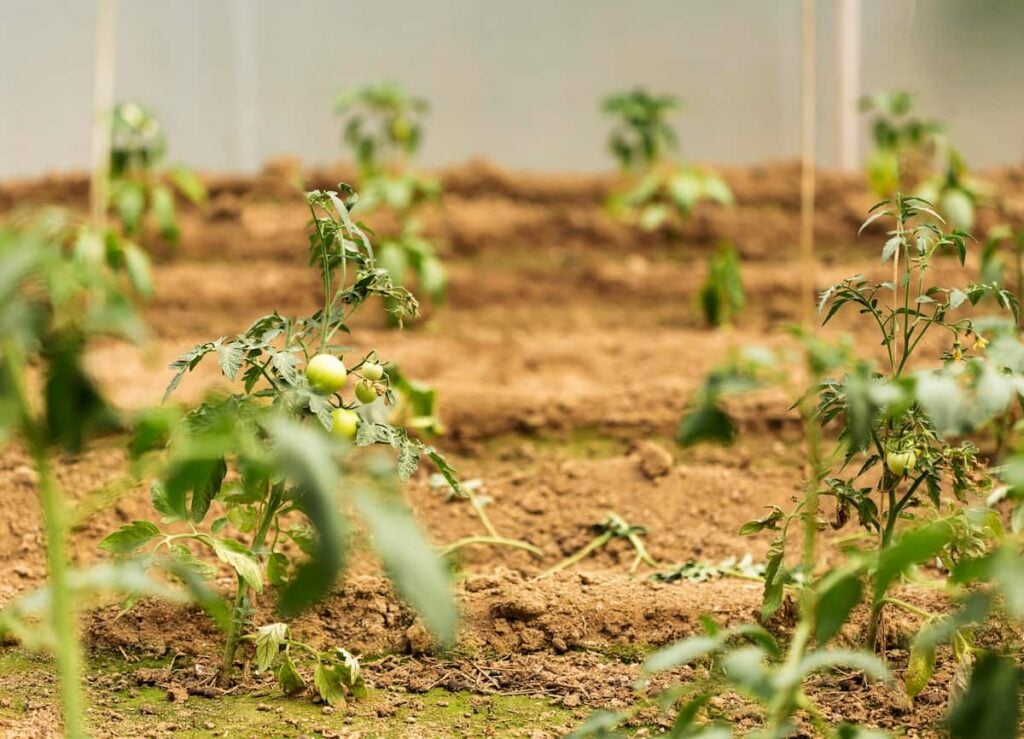
The difference between a frustrated gardener and an experienced one is rarely skill. It’s all about the mindset.
Experienced gardeners expect mistakes. They keep notes, mentally or on paper in a journal. They ask why something didn’t work, and figure out how to fix it instead of giving up.
Mistakes mean you’re paying attention. That leads to growth, in your garden and for yourself.
Encouragement for Beginner Gardeners
If you’re new to gardening and feel discouraged by mistakes, know this: you’re doing it right.
Every confident gardener you admire learned a lot through trial and error. Behind every thriving garden is a long list of lessons learned the hard way.
Gardening mistakes don’t mean you failed. They mean the garden is teaching you and now you have the tools to listen. Your best gardening lessons won’t come from getting everything right. They’ll come from paying attention when things go wrong.
Each mistake adds to your understanding of your land, your plants, and your own instincts as a gardener. Over time, those lessons grow into something stronger than success alone ever could.
Don’t give up, you’ll find that your gardening errors turn into success over time.
Frequently Asked Questions About Gardening Mistakes
Q: Are gardening mistakes normal for beginners?
A: Yes, gardening mistakes are not just normal, they’re expected. Every beginning gardener makes mistakes while learning how plants respond to soil, weather, and care routines. These early mistakes are often the fastest way to understand what works in your specific garden.
Q: What are the most common gardening mistakes beginners make?
A: Some of the most common beginner gardening mistakes include planting too early, overwatering, inconsistent watering, overcrowding plants, ignoring soil health, and choosing plants that aren’t suited to the local climate. Each of these mistakes teaches valuable lessons about timing, spacing, and observation.
Q: Can gardening mistakes ruin a garden permanently?
A: Most gardening mistakes are temporary and fixable. Plants are resilient, and soil can be improved over time. Even when a season doesn’t go as planned, the garden itself is rarely ruined. Mistakes usually affect one crop or one season, not the entire future of the garden.
Q: How do I stop making the same gardening mistakes every year?
A: The best way to avoid repeating gardening mistakes is to reflect on what happened and why. Keeping a garden journal, taking photos, or making notes at the end of each season helps you recognize patterns and adjust your approach next time.
Q: Is gardening really just trial and error?
A: In many ways, yes. Gardening is a balance of basic knowledge and hands-on trial and error. Books and guides provide helpful starting points, but real learning happens when you observe how plants respond in your own soil and climate.
Q: Why do experienced gardeners still make mistakes?
A: Experienced gardeners still make mistakes because gardening conditions change every year. Weather patterns, pests, and soil health are never exactly the same. The difference is that experienced gardeners recognize problems sooner and have learned how to adapt quickly.
Q: What should I do when a plant fails?
A: When a plant fails, start by observing what might have caused the issue. Look at watering habits, sunlight, soil conditions, and timing. Treat the failure as information rather than a loss. Every failed plant offers information that improve future success.
Q: How can I learn from gardening failures instead of getting discouraged?
A: Reframing gardening failures as lessons helps prevent burnout. Instead of focusing on what went wrong, focus on what you learned. Many gardeners find that their biggest improvements come after a difficult season.
Q: Do gardening mistakes help you become a better gardener?
A: Yes, without a doubt. Gardening mistakes build observation skills, confidence, and resilience. Over time, these lessons make you more adaptable and less afraid to experiment, which leads to better long-term results.
Q: Should I give up on gardening if I keep failing?
A: No. Consistent mistakes usually mean you’re actively gardening, experimenting, and learning. Every successful gardener has a history of failures behind their current success. Persistence is often more important than perfection.