Cold Stratification For Seeds Practical Guide: When It Helps and When It Doesn’t
Cold stratification for seeds is a gardening techniques that sounds more complicated than it really is. In it’s simplest form, it just means making sure the seeds experience cold (or freezing) temperatures prior to planting.
In nature, it happens every winter. Seeds fall to the ground, spend time in cold, often moist conditions, and eventually become ready to germinate when spring arrives.
For some plants, this cold period is essential. For others, it doesn’t really make a difference. And for certain seeds, it can actually hinder their ability to germinate.
Understanding when cold stratification helps, which seeds benefit from it, and when you can skip it will make planning your garden much easier.
Let’s look at what happens during cold stratification and how to determine whether your seeds actually need it.
What Is Cold Stratification?
Cold stratification is the process of exposing seeds to a period of cold temperatures to help break internal seed dormancy. Often times the environment is a cold, moist environment but not always.
A good way to think of cold stratification is nature’s way of making sure seeds don’t germinate at the wrong time.
Imagine a perennial plant dropping seeds in late summer or fall. If those seeds germinated immediately, the tiny seedlings might not survive the approaching winter. Instead, certain seeds have built-in dormancy mechanisms that prevent them from germinating until they experience the perfect environmental conditions for that seed.
For many cold/mild weather loving plants, that means spending time in cold, moist soil.
During this period, physiological changes occur inside the seed that allow it to become capable of germinating once temperatures become favorable.
This is why simply planting some seeds in warm potting soil in the spring may not produce the results you expect. The seed may be perfectly viable, but it hasn’t received the environmental signal it needs to wake up.
Not understanding this often leads to frustration. I know I’ve experienced frustration with it, especially when it comes to trying to start flowers.
There are two common ways to accomplish cold stratification:
- Natural cold stratification: Seeds are planted outdoors in fall or winter and experience the natural temperature and moisture conditions of the season.
- Artificial cold stratification: Seeds are placed in a moist growing medium and stored in a refrigerator for a specified period before planting.
Both methods can work. The best choice depends on the plant, the length of stratification required, whether they need just cold or frozen temperatures, and when you want your seeds to be ready to plant.
When Does Cold Stratifying Seeds Help?
Cold stratification for seeds is most helpful when a seed has physiological dormancy that must be overcome before germination can occur. Meaning the seed won’t be triggered to germinate and grow without experiencing cold.
This is especially common among many perennial flowers, native wildflowers, trees, and shrubs that evolved in climates with cold winters.
These plants have adapted to use winter as a natural waiting period. The cold tells the seed that winter has passed and conditions may soon be suitable for growth. The seed basically goes on standby until the weather conditions are favorable for it to sprout.
Here are some situations where cold stratification can make a noticeable difference.
1. When Growing Native Wildflowers
Many native wildflowers have evolved to germinate after experiencing a period of winter-like conditions.
Some examples include:
- Purple coneflower
- Black-eyed Susan
- Milkweed (depending on species)
- Columbine
- Cardinal flower
- Blue vervain
- Certain native asters
Not every species within these plant groups has identical requirements, so it’s important to check the specific variety.
If you are growing a pollinator garden or adding native plants to your landscapes, cold stratification can significantly improve germination rates.
Some native seeds may germinate poorly or unevenly without it, even when everything else about your seed-starting setup is correct.
2. When Starting Perennial Flowers From Seed
Perennial flowers can be a little more demanding than the annual flowers many gardeners are accustomed to growing.
Some perennial seeds germinate readily when planted in warm soil. Others need several weeks or even months of cold, moist conditions before they will sprout.
Examples of perennials that may benefit from cold stratification include:
- Delphinium
- Lupine
- Echinacea
- Milkweed
- Columbine
- Certain varieties of penstemon
- Lavender
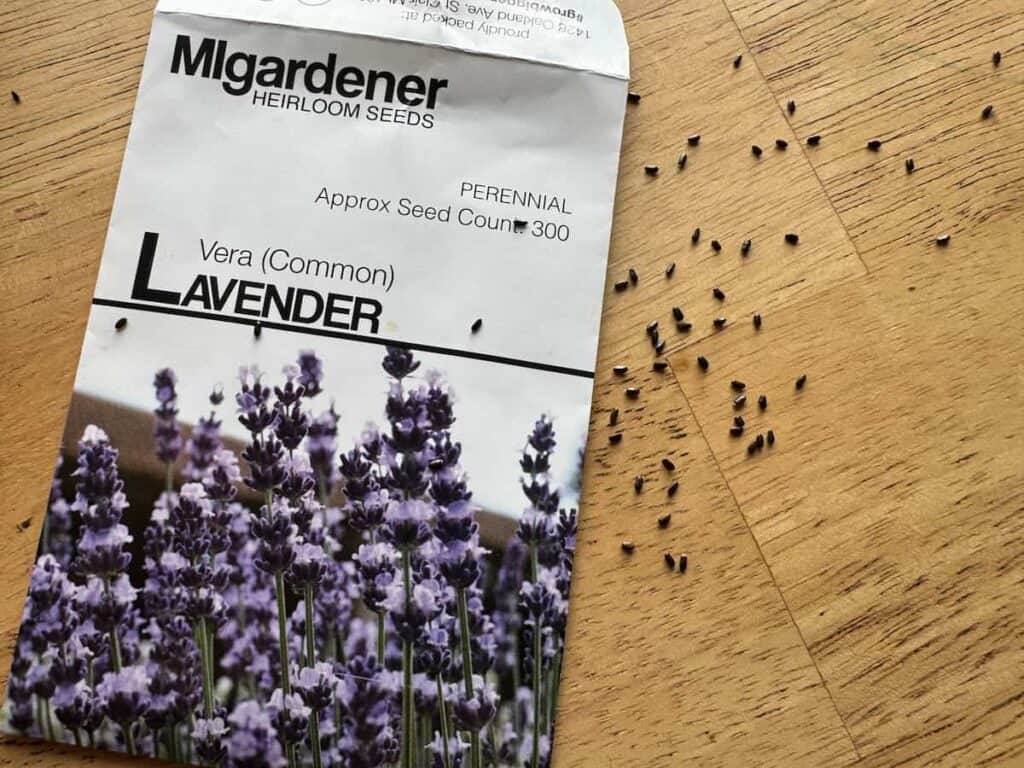
One important distinction: a seed needing stratification doesn’t necessarily mean it needs the same amount of time as another seed.
Some require only a few weeks, while others need 60 to 90 days or longer.
Always check the germination instructions for the particular species you’re growing for its specific needs.
3. When Starting Trees and Shrubs From Seed
Woody plants are another group where cold stratification is particularly important.
Many tree and shrub seeds have dormancy mechanisms that prevent them from germinating until they have experienced an appropriate period of cold.
Examples include:
- Redbud
- Flowering dogwood
- Some maples
- Hawthorn
- Certain viburnum species
- Serviceberry (aka Saskatoon or Juneberry)
Some woody seeds have more complicated germination requirements. They may need a warm, moist period followed by cold stratification, or even more than one seasonal cycle.
This is one reason growing trees and shrubs from seed can require a little more planning than starting vegetables. And why it often takes longer.
If you’re growing something unusual or collecting seeds from native plants, research the germination requirements before putting them in the refrigerator. Knowing what the seeds need before you start will help you have higher success rates, and therefore less frustration.
4. When Seeds Have a Known Cold-Moist Requirement
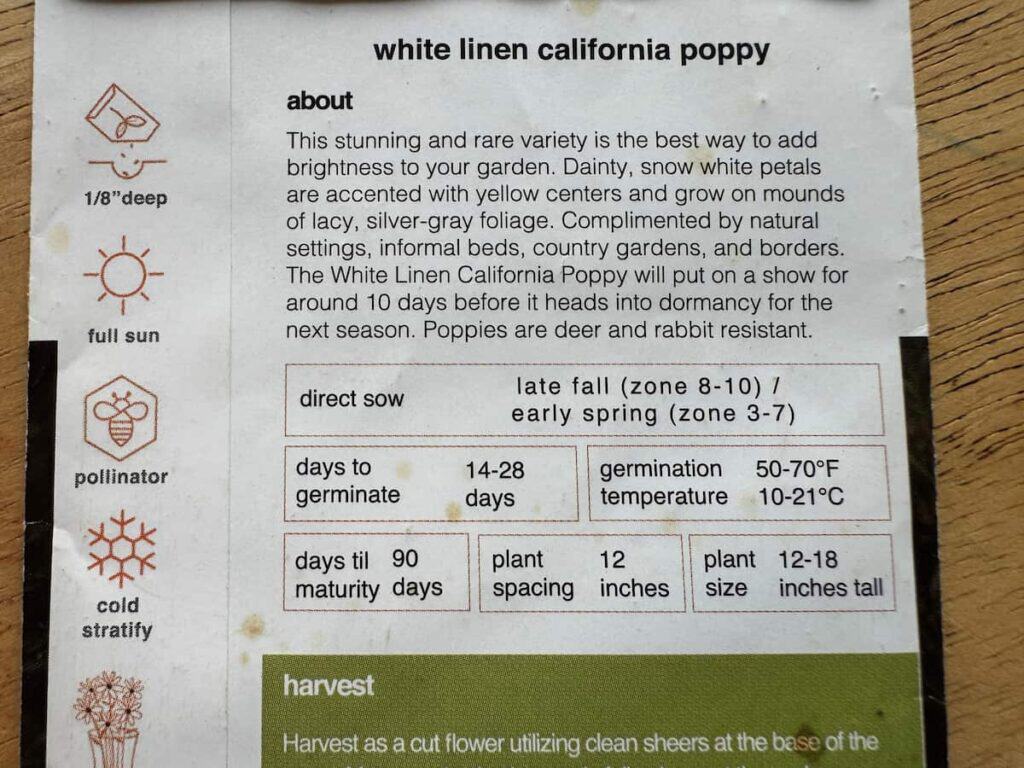
Sometimes the simplest answer is right on the seed packet.
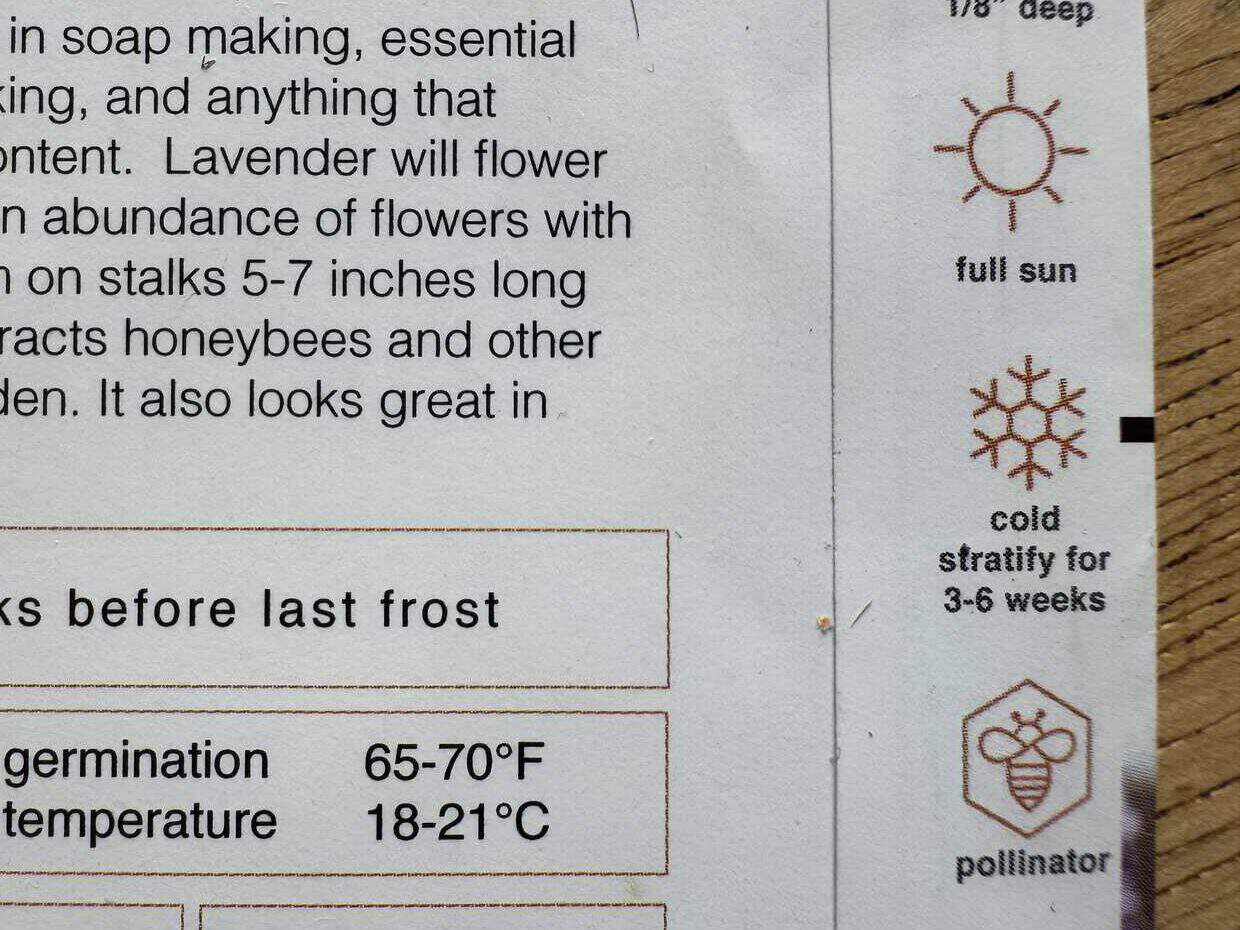
If the instructions mention cold stratification, moist chilling, or a specific number of days in the refrigerator, the seed likely has a dormancy requirement that needs to be addressed. Sometimes it’s as simple as the instructions saying to sow the seeds in the fall. That means they need the cold winter (cold stratify seeds) in order to properly germinate.
This is especially common with native wildflower and perennial seed packets.
Following those instructions can make the difference between a tray full of seedlings and a tray that ends up completely empty.
When Cold Stratification Doesn’t Help
Here’s where gardeners can save themselves some unnecessary work.
Not every seed benefits from cold stratification. Many common vegetable and annual flower seeds are perfectly happy germinating without ever experiencing a cold period.
In fact, most of the vegetables we grow in a summer home garden do not need cold stratification.
1. When Growing Most Common Vegetable Seeds
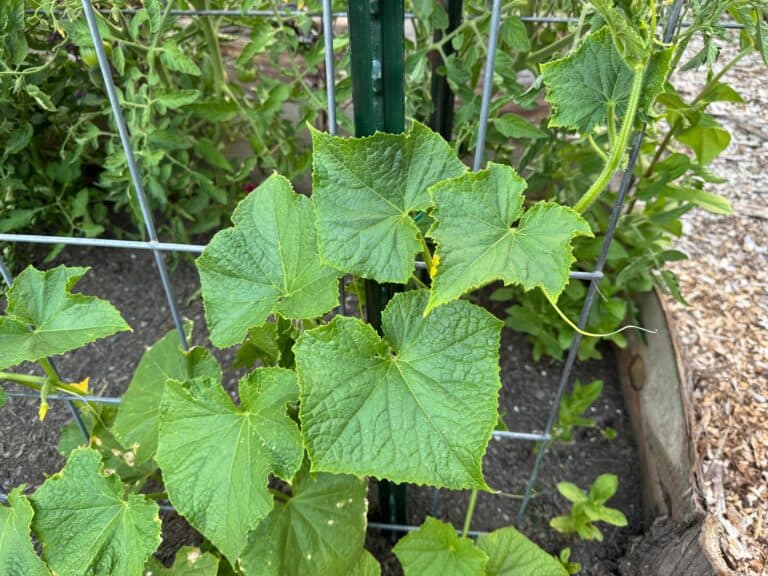
If you’re starting tomatoes, peppers, cucumbers, squash, beans, or lettuce, cold stratification generally isn’t necessary.
These seeds have different germination requirements.
For example:
- Tomatoes germinate best in warm soil.
- Peppers prefer consistently warm conditions.
- Cucumbers germinate readily in warm, moist soil.
- Squash seeds generally germinate without a cold treatment.
- Beans germinate readily when soil temperatures are appropriate.
- Lettuce generally germinates without cold stratification, although some varieties have temperature-sensitive germination.
Putting these seeds through an unnecessary refrigerator treatment won’t give you an advantage and may actually end up giving you a disadvantage.
For warm-season vegetables, your attention is better spent on soil temperature, moisture, planting depth, and seed viability.
If you’re getting ready to start your vegetable garden, 15 Seed Starting Tips for Beginners can help you get the basics right before planting.
2. When Seeds Are Already Ready to Germinate
Some seeds have little to no dormancy and will germinate as soon as they receive the right combination of moisture, oxygen, and temperature.
For these seeds, cold stratification is basically a waste of time.
Annual flowers such as zinnias, marigolds, and cosmos generally don’t need cold stratification.
They are designed to grow during the warm growing season and can typically be started directly in warm soil.
If the seed packet doesn’t mention stratification, or planting in the fall, you probably don’t need to cold stratify seeds.
3. When the Seed Needs Scarification Instead
This is an important distinction that often gets overlooked.
Cold stratification and scarification are two different treatments that solve different seed requirements.
Cold stratification addresses internal seed dormancy needing cold weather.
Scarification addresses physical dormancy caused by a hard seed coat that prevents water from entering the seed.
Some seeds have extremely tough outer coverings that need to be scratched, nicked, or softened before they can absorb enough moisture to germinate.
Examples include:
- Sweet peas
- Morning glories
- Lupines (depending on species)
- Certain legumes
- Passion fruit
Some seeds need both scarification and stratification, but others only need one treatment.
If a seed has a hard seed coat, putting it in a refrigerator without addressing that physical barrier may not accomplish much.
Always identify the type of dormancy before choosing a treatment.
4. When Seeds Require Warm Stratification Instead
Not all seeds need cold temperatures to break dormancy.
Some seeds require a warm, moist period before they are ready to germinate. Others need a warm period followed by cold stratification.
This is sometimes called double dormancy.
Certain trees, shrubs, and woodland perennials have particularly complicated germination requirements. For example:
- American holly
- Some viburnums
- Dogwood
- Hawthorn
- Some roses
- Mountain ash
For these seeds, placing them directly into the refrigerator may not be enough. They may need several weeks or months of warm, moist conditions first.
This is another reason I recommend looking up the specific plant rather than relying on a general seed-stratification chart.
The order of treatments can matter.
Which Seeds Need Cold Stratification? A Quick Reference
Here is a starter list of seeds that need cold stratification and ones that don’t.
| Seed type | Cold stratification? |
| Tomatoes | No |
| Peppers | No |
| Cucumbers | No |
| Zucchini and squash | No |
| Beans | No |
| Zinnias | Generally no |
| Marigolds | No |
| Cosmos | No |
| Purple coneflower | Often beneficial or required |
| Black-eyed Susan | Often beneficial or required |
| Milkweed | Depends on species |
| Columbine | Often beneficial |
| Lupine | Depends on species |
| Delphinium | Often beneficial |
| Redbud | Generally required |
| Flowering dogwood | Generally required |
| Hawthorn | Often required |
| Serviceberry | Species-dependent |
A note about this chart: These are general tendencies, not universal rules. Seed species, individual varieties, seed maturity, and growing conditions can all affect germination. Some seeds also have additional requirements, such as scarification or warm stratification.
How to Cold Stratify Seeds in the Refrigerator
If you’ve determined that the seeds you want to start need cold stratification, the good news is that you don’t need expensive equipment or a complicated setup.
A refrigerator and a few basic supplies will usually do the job.
What You’ll Need
- Seeds that require cold stratification
- A small amount of seed-starting medium, such as sand, vermiculite, or peat-free seed-starting mix
- A resealable plastic bag or small airtight container
- Water
- A marker and labels
Step 1: Prepare Your Growing Medium
Moisten your chosen medium until it feels like a wrung-out sponge.
You want it evenly damp, not dripping wet.
Too much moisture can encourage mold and cause seeds to rot during storage.
Step 2: Mix in Your Seeds
Combine your seeds with the damp medium and place everything inside a labeled resealable bag or container.
Label it with the plant name, the date you started stratification, and the expected removal date.
Trust me, once you have several varieties tucked away in the refrigerator, you’ll be glad you labeled everything.
Step 3: Refrigerate
Place the container(s) in your refrigerator, ideally between 33°F and 40°F, unless the species-specific instructions recommend a different temperature.
Do not put the seeds in the freezer.
Freezing temperatures can damage some seeds, and a freezer does not generally provide the cold, moist conditions required for stratification.
Step 4: Check Periodically
Check your seeds every week or two.
Look for signs of mold, excess moisture, or premature germination.
If the medium begins drying out, add a little water. If it becomes soggy, adjust the moisture or replace the medium.
Some seeds may even begin germinating while they’re still in the refrigerator. If that happens, carefully remove the sprouted seeds and plant them according to their growing requirements.
Step 5: Plant After Stratification
Once the required cold period is complete, plant your seeds according to their individual germination instructions.
Some need light to germinate, while others need to be covered with soil.
Don’t assume that completing stratification means every seed should be planted at the same depth or temperature.
The cold stratification for seeds addresses dormancy. You still need to provide the right conditions for successful germination and growth.
Using Winter Sowing for Natural Cold Stratification
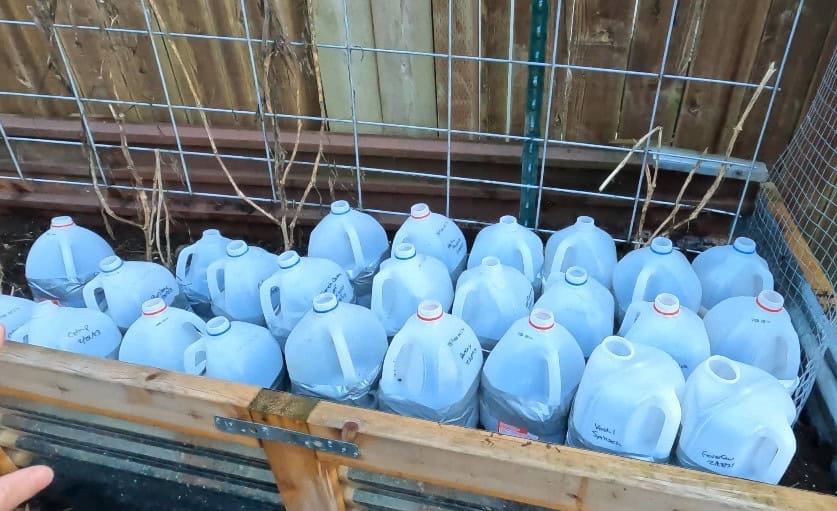
If you don’t want to take up refrigerator space with bags of seeds, winter sowing is another way to provide the cold, moist conditions some seeds need to break dormancy.
Winter sowing allows nature to do much of the work for you. Instead of placing seeds in a bag of damp vermiculite in the refrigerator, you sow them in containers and leave them outdoors through the winter.
As temperatures fluctuate, rain and snow provide natural moisture while the cold weather helps satisfy the stratification requirements of seeds that need it.
Here’s how it works:
- Sow your seeds in late fall or winter. Use containers with drainage holes and a suitable seed-starting mix.
- Moisten the soil. The growing medium should be damp but not waterlogged.
- Place containers outdoors. Choose a location where they will receive natural precipitation and experience outdoor temperatures.
- Let winter do its work. The seeds experience the cold, moist conditions needed to help break dormancy.
- Watch for germination in spring. As temperatures and daylight increase, seeds that have completed their dormancy requirements may begin to sprout.
Read my guide on How to Start Seeds Outdoors for more complete instructions.
One of the biggest advantages is that you don’t have to keep track of multiple bags in your refrigerator or worry about accidentally letting the growing medium dry out.
Can You Skip Cold Stratification?
Sometimes, yes.
If a seed species requires cold stratification, skipping the treatment may result in poor, slow, or uneven germination. Some seeds may remain dormant until they experience the appropriate conditions naturally.
However, that doesn’t necessarily mean the seeds are dead or unviable.
You may simply have seeds that aren’t ready to germinate yet.
If you have missed the ideal time for artificial stratification, you have a few options:
- Try the recommended refrigerator treatment if there is still enough time before planting.
- Sow the seeds outdoors in fall or winter and allow nature to provide the cold period.
- Follow the seed supplier’s instructions for alternative germination methods.
- Save the seeds for the next growing season if they need a particularly long treatment.
For many gardeners, winter sowing is an easy way to accomplish natural cold stratification without taking up refrigerator space.
In fact, this is one of the reasons I love winter sowing. You can let the weather do much of the work while you focus on planning the rest of your garden.
Cold Stratification vs. Winter Sowing: What’s the Difference?
These two terms are often used together, but they aren’t quite the same thing.
Cold stratification is a seed treatment. Winter sowing is a method of starting seeds outdoors during the winter.
When you winter sow seeds that require cold stratification, the process happens naturally inside the container.
However, not every seed planted using the winter sowing method needs cold stratification.
Some seeds simply benefit from the outdoor growing conditions, natural temperature fluctuations, and gradual transition into spring.
This distinction is important because winter sowing is not limited to seeds that require cold treatment.
If you haven’t tried winter sowing yet, take a look at my guide Why Winter Sowing Works: The Powerful Benefits of Letting Nature Lead. It’s a great way to get certain flowers, herbs, and other plants started without filling your house with seed trays.
Common Cold Stratification Mistakes to Avoid
Even when you have the right seeds, a few small mistakes can interfere with the process. You can also check out my guide to Seed Germination Problems for even more information.
Here are some of the most common problems to watch for.
1. Stratifying seeds that don’t need it.
Not every seed needs a cold treatment. Research the specific plant before starting.
2. Using too much water.
The growing medium should be damp, not saturated. Excess moisture can encourage mold and seed rot.
3. Forgetting that different seeds need different amounts of time.
One seed may need 30 days, while another may need 90 days or longer. Don’t assume all seeds can come out of the refrigerator at the same time.
4. Skipping other dormancy requirements.
Some seeds need scarification, warm stratification, or a combination of treatments. Cold stratification alone may not be enough.
5. Starting too late.
If your seeds require several months of cold stratification, waiting until spring to begin can put you behind schedule.
Planning ahead is particularly important when growing native perennials, trees, and shrubs from seed.
6. Assuming seeds that don’t germinate are dead.
I think we’re all guilty of this. Dormant seeds can remain viable without germinating. Before throwing them out, research whether they need additional treatments or time.
How to Know Whether Your Seeds Need Cold Stratification
Before starting any seeds, I recommend taking a few minutes to research their germination requirements.
Start with the seed packet, then look up the botanical name if you need more specific information.
Ask yourself:
- Does this plant naturally grow in a climate with cold winters?
- Does the seed packet mention stratification or moist chilling?
- Does the seed require a specific number of cold days?
- Does it need cold stratification, warm stratification, or both?
- Does it have a hard seed coat that requires scarification?
University Extension resources, botanical gardens, and reputable native seed suppliers are excellent places to find this information. This Epic Gardening article on 37 Seeds That Need Cold Stratification is a great starting resource.
The more you understand the individual needs of your seeds, the less time you’ll spend troubleshooting poor germination.
Not Every Seed Needs a Winter
Cold stratification is an incredibly useful gardening technique, but it isn’t something you need to do just because you’re starting seeds.
For plants that require it, the cold period helps break dormancy and prepares seeds to germinate when conditions are right. For most common vegetable seeds and many annual flowers, it is an unnecessary step.
The trick is learning which seeds need a little winter before they are ready for spring.
Before you put another packet of seeds in the refrigerator, take a minute to research its germination requirements. That small bit of preparation can save you weeks of waiting and help you get much better results from your seed-starting efforts.
Frequently Asked Questions About Cold Stratification for Seeds
Do all seeds need cold stratification?
No! Most vegetable seeds, including tomatoes, peppers, cucumbers, squash, and beans, germinate without cold stratification. Many annual flowers, such as zinnias and marigolds, don’t need it either. Cold stratification is primarily necessary for certain perennial flowers, native wildflowers, trees, and shrubs that have evolved to germinate after experiencing winter conditions. Always check the requirements for the specific plant you’re growing.
How long do seeds need to be cold stratified?
It depends on the plant. Some seeds need as little as two to four weeks, while others require 60 to 90 days or even several months of cold, moist conditions. There isn’t one universal timeline for every seed. Check your seed packet or research the botanical name before starting so you give your seeds the appropriate treatment.
Can I cold stratify seeds in my refrigerator?
Absolutely! A refrigerator is one of the easiest ways to artificially cold stratify seeds. Place seeds in a slightly damp medium, such as sand, vermiculite, or a paper towel, inside a labeled container or bag. Store them in the refrigerator at approximately 33°F to 40°F, checking periodically to make sure the medium stays moist but not soggy. Keep them away from the freezer.
Can I put dry seed packets in the refrigerator to cold stratify them?
Not if the seeds require cold, moist stratification. Simply refrigerating dry seeds doesn’t provide the moisture needed for the physiological changes that help break dormancy. The seeds need to be hydrated and exposed to the appropriate cold conditions. There are some species with different chilling requirements, so check the instructions for your particular seeds.
Can you use winter sowing instead of refrigerator stratification?
Yes! Winter sowing is an excellent way to provide natural cold stratification for many seeds. By planting seeds in containers outdoors during winter, you allow them to experience natural temperature fluctuations and moisture from rain and snow. As spring approaches, the seeds that have completed their dormancy requirements can begin germinating. Just remember that some seeds have very specific temperature or moisture requirements that may be easier to manage indoors.
Can I cold stratify seeds too long?
It depends on the species. Some seeds can tolerate a longer period of cold stratification than recommended, but that doesn’t mean extending the treatment is always beneficial. Prolonged storage in overly wet conditions can encourage mold, rot, or premature germination. Other seeds may have specific chilling requirements that should be followed closely. Stick with the recommended duration whenever possible and check your seeds regularly.
What happens if I plant seeds without cold stratification?
If a seed requires cold stratification, planting it without the treatment may result in poor or uneven germination. Some seeds may remain dormant in the soil until they experience the necessary conditions naturally. Others may eventually germinate after another winter. It doesn’t necessarily mean the seeds are dead. They may simply not have received the environmental signals needed to break dormancy.
Can I cold stratify seeds in the freezer?
Generally, no. Most seeds that require cold stratification need temperatures just above freezing, along with adequate moisture. A typical refrigerator is a much better choice. Freezing temperatures can damage hydrated seeds, and freezing is not a substitute for the cold, moist conditions needed to break dormancy. Always follow species-specific instructions if a seed supplier recommends a different treatment.
Why are my seeds growing mold during cold stratification?
Mold usually develops when seeds are kept too wet, have insufficient air exchange, or are stored in contaminated growing material. Your stratification medium should feel like a wrung-out sponge, not a soaked paper towel. Check your seeds periodically, remove any obviously rotting material, and replace excessively wet medium if necessary. A clean container and fresh growing medium can also help reduce problems.
What should I do if my seeds sprout in the refrigerator?
Don’t panic! This can happen when seeds complete their dormancy requirements and begin germinating before you expect them to. Carefully remove the sprouted seeds and plant them according to their individual growing requirements. Handle the emerging root gently because it can be easily damaged. Provide appropriate light, moisture, and temperature once they’re planted.
Do flower seeds need cold stratification?
Some do, but certainly not all of them. Many perennial flowers and native wildflowers benefit from cold stratification, including certain varieties of coneflower, columbine, lupine, and delphinium. Most common annual flowers, such as zinnias, cosmos, and marigolds, can germinate without it. Research the specific species and variety before deciding whether a cold treatment is necessary.
What is the difference between cold stratification and scarification?
Cold stratification exposes seeds to cold, usually moist conditions to help overcome physiological dormancy. Scarification, on the other hand, weakens or breaks through a hard seed coat so water can enter the seed. Some seeds need one treatment, while others require both. When a seed needs both, the order of treatment can matter, so follow the recommended germination instructions for that plant.
What is double dormancy in seeds?
Double dormancy means a seed has two separate barriers preventing germination. Some seeds need a period of warm, moist conditions followed by cold, moist stratification. Others have physical dormancy caused by a hard seed coat combined with internal physiological dormancy, requiring scarification followed by stratification. Certain trees, shrubs, and woodland plants have these more complicated requirements. This is why researching the exact species is so important when growing unusual plants from seed.
Can seeds that need cold stratification be started indoors?
Yes! You can complete the cold stratification process in your refrigerator and then start the seeds indoors in trays or pots. Once the required treatment is complete, follow the plant’s individual germination instructions. Some seeds need light to germinate, while others need to be covered. Completing stratification doesn’t eliminate the need to provide the right temperature, moisture, and light for successful germination.