How Earthworms Are Good For The Garden and Compost
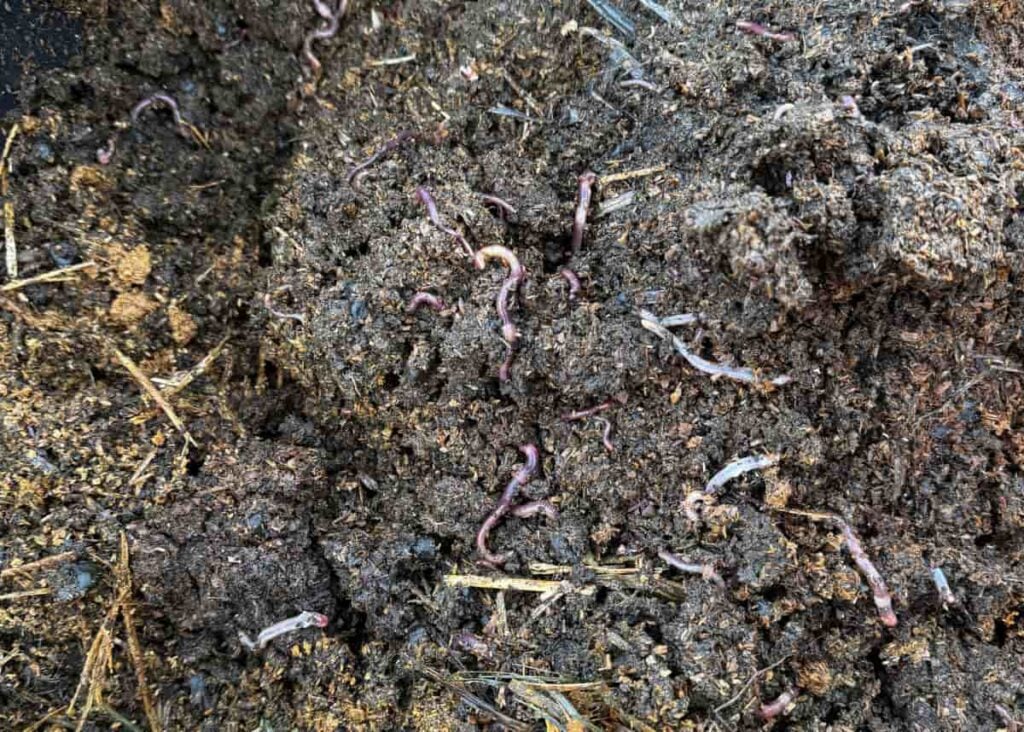
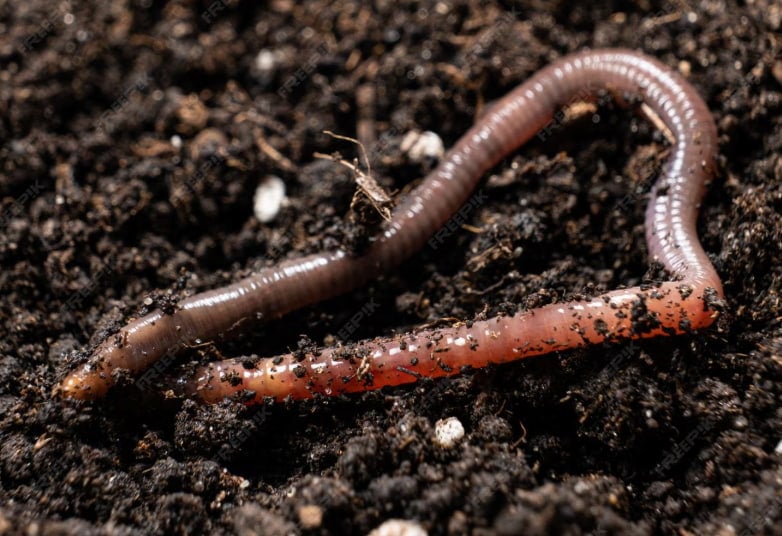
The other day I was moving compost from my compost pile to my new garden beds. I took a hay fork and grabbed a scoop of compost, and to my delight there were hundreds of worms. Seeing such a healthy population of worms was exciting. It told me my compost is rich, healthy, and full of nutrients. If you’ve ever wondered how earthworms help soil or whether worms in compost are good or bad, the answer is simple: they are some of the hardest-working partners in your garden.
*As an Amazon Associate I may earn from qualifying purchases at no cost to you.
Benefits of Earthworms in Garden Soil
Earthworms are basically nature’s soil engineers. They improve your garden in ways you never could.
1. They Improve Soil Structure
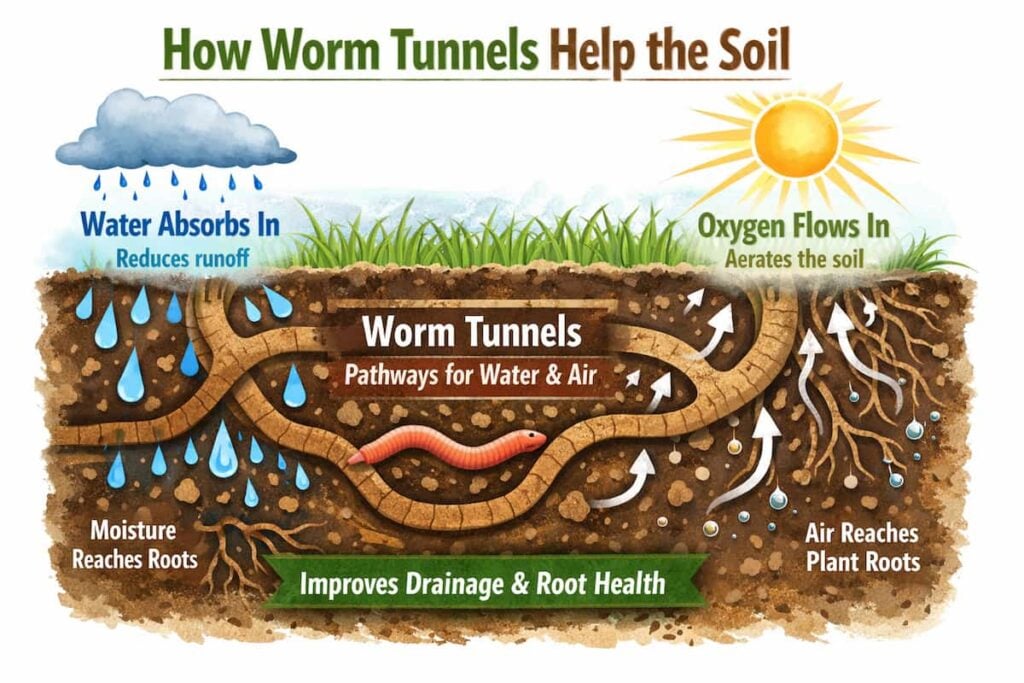
As worms tunnel, they create natural air channels in the soil. These tunnels:
- Improve soil aeration
- Help roots grow deeper
- Allow water to soak into the soil instead of running off
If you’re looking for a natural way to improve soil structure, earthworms do it for free.
When earthworms move in, you’ll start to notice heavy clay soil becoming looser. Sandy soil starts to hold moisture better. And compacted beds slowly soften over time.
2. They Increase Soil Fertility
As worms consume organic matter, they produce what’s called worm castings. These castings are tiny nutrient-rich deposits (worm poop) filled with:
- Nitrogen
- Phosphorus
- Potassium
- Beneficial microbes
The benefits of earthworm castings for plants include improved nutrient absorption and stronger root development. The nutrients in castings are more plant-available than many synthetic fertilizers. They provide slow release nutrients, exactly what plants need. You can buy earthworm castings to help soil fertility, but nothing beats getting it straight from the worm.
3. They Support Beneficial Microorganisms
Healthy soil is not just dirt. It’s an entire ecosystem and worms play an important role in building this living soil.
Earthworms help spread beneficial bacteria and fungi through their movement and digestive process. Their castings introduce microbial life directly into the root zone, helping plants access nutrients more efficiently.
Earthworms in Compost: Benefits You Should Know
If you’ve opened your compost pile and spotted worms, I hope you get excited like I do!
Benefits of earthworms in compost include faster decomposition and a richer finished compost.
How Worms Improve Compost
Worms:
- Break down food scraps more quickly
- Mix materials naturally
- Reduce odors
- Improve texture
- Improve nutrient quality and bioavailability
Their castings transform raw scraps into dark, crumbly compost that smells like rich, earthy soil. Many gardeners even practice vermicomposting. Vermicomposting uses red wigglers, specifically, to process kitchen scraps indoors in bins.
Ideal Compost Conditions for Worms to Thrive
Worms like certain conditions to thrive in your compost pile. Without these conditions, they will move on to somewhere else they find with more preferable living conditions.
They prefer:
- Moist but not soggy conditions
- Moderate temperatures
- Plenty of organic matter
If worms disappear, your compost may be too hot, too dry, or lacking food for the worms. Their presence is often a sign your compost system is balanced and healthy.
How to Attract Earthworms to Your Garden
If your soil looks and feels lifeless, it is possible to encourage worms to move back in.
Here’s how to naturally attract earthworms to your garden:
Add Organic Matter
Compost, aged manure, shredded leaves, and mulch feed the soil and the worms.
Reduce Tilling
Frequent tilling disrupts worm tunnels and habitat. No-till or low-till gardening protects their work and their home.
Keep Soil Moist But Not Soggy
Worms need moisture to survive. Mulch helps retain moisture, but will still let excess water drain away.
Avoid Chemical Pesticides
Many chemicals harm soil life. Building soil naturally supports a thriving worm population and naturally reduces pest problems.
Why Earthworms Are Good for the Garden
When you step back and look at the big picture, earthworms:
- Improve soil structure
- Increase soil fertility
- Help compost break down faster
- Support beneficial microbes
- Encourage deeper root growth
They turn kitchen scraps into nourishment. They turn compacted soil into breathable ground.
Healthy gardens start in the soil. If you want better harvests, stronger plants, and soil that gets richer every year, start by caring for and encouraging the life that lives there.
Frequently Asked Questions
Q: How do earthworms help soil?
A: Earthworms help soil by improving soil structure, increasing aeration, and boosting soil fertility. As they tunnel, they create channels that allow water and oxygen to reach plant roots. Their waste, known as worm castings, adds nutrients and beneficial microbes that support healthy plant growth.
In short, earthworms turn compacted dirt into living, breathable soil.
Q: Do earthworms improve soil fertility?
A: Yes, earthworms naturally improve soil fertility. Their castings contain plant-available nutrients like nitrogen, phosphorus, and potassium. These nutrients are released slowly, which helps plants absorb them more efficiently than synthetic fertilizers.
Earthworms also stimulate microbial activity, which plays a key role in nutrient cycling.
Q: Why are earthworms good for the garden?
A: Earthworms are good for the garden because they:
- Loosen compacted soil
- Improve drainage
- Help roots grow deeper
- Increase organic matter breakdown
- Enhance nutrient availability
Gardens with healthy worm populations often have better plant growth and improved soil texture over time.
Q: Are worms in compost good or bad?
A: Worms in compost are almost always good. They help break down organic matter faster and produce nutrient-rich castings that improve the quality of finished compost.
If worms are present, it usually means your compost pile has healthy moisture levels and plenty of organic material.
Q: How do worms improve compost?
A: Worms improve compost by:
- Eating food scraps and organic matter
- Breaking materials into smaller particles
- Mixing compost naturally as they move
- Adding beneficial microbes through their castings
This process speeds up decomposition and creates dark, crumbly compost that plants love.
Q: What are earthworm castings good for?
A: Earthworm castings benefit plants by:
- Improving soil fertility by adding nutrients
- Supporting strong root development
- Increasing moisture retention
- Boosting microbial life
Castings can be mixed into garden beds, added to potting soil, or brewed into compost tea.
Q: How can I attract more earthworms to my garden?
A: To attract earthworms to your garden:
- Add compost or aged manure regularly
- Mulch to keep soil moist
- Avoid excessive tilling
- Limit chemical fertilizers and pesticides
Healthy soil that is rich in organic matter naturally invites worms to move in and stay.
Q: Why don’t I see earthworms in my soil?
A: A lack of earthworms may indicate:
- Compacted soil
- Dry conditions
- Low organic matter
- Heavy chemical use
Improving soil health over time with compost and mulch can help naturally restore worm populations.
Q: Do earthworms harm plant roots?
A: No, earthworms do not harm healthy plant roots. In fact, their tunnels often help roots grow more deeply and access nutrients more easily.