6 Simple Signs Your Soil Is Ready To Plant In Spring
Every spring, gardeners get the itch. Or if you’re like me that starts in January. Planting season can’t come fast enough! We’re finally starting to get longer days. I’ve completed my seed orders and received them. Now I ask: Is my soil ready to plant? Planting too early into cold or soggy soil is one a common beginner mistakes. Seeds will rot. Roots stall or just die. Soil structure gets damaged before the season even begins. But nature gives some pretty clear signs on if it’s ready to go or not.
And if your soil isn’t quite there yet, a little preparation now can make all the difference. Here’s how to prepare your garden soil for spring so your plants start strong instead of struggling.
*As an Amazon Associate I may earn a commission from qualifying purchases at no cost to you.
1.The Soil Passes the Squeeze Test
One of the easiest ways to tell if soil is ready to plant is the classic squeeze test for soil planting.
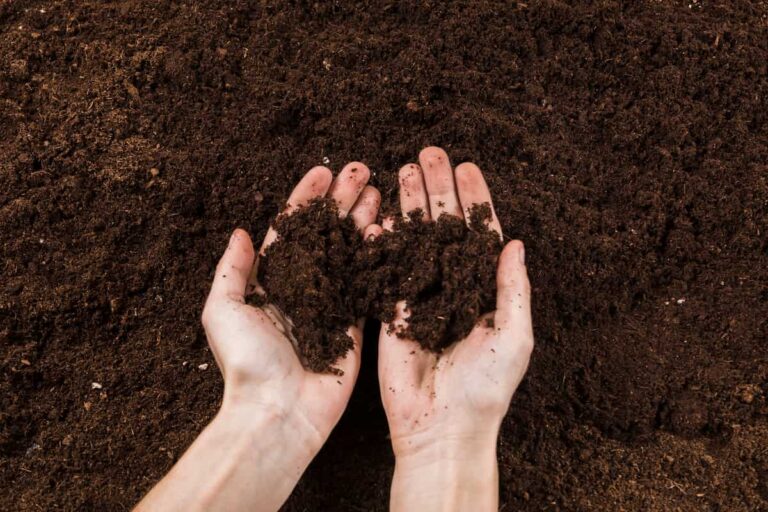
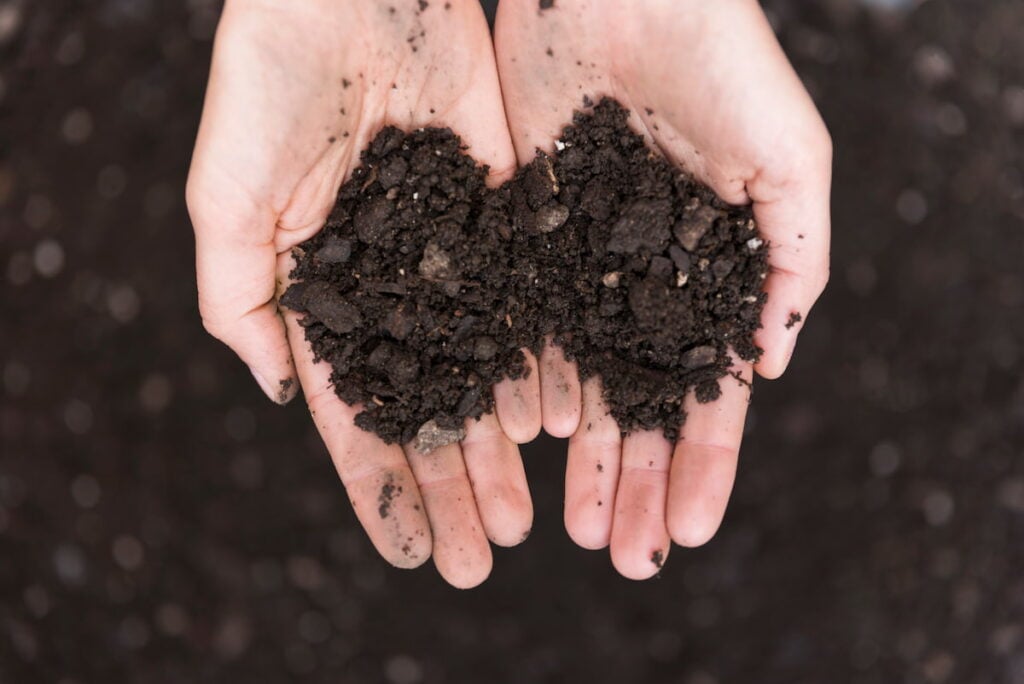
Grab a handful of soil from about 3 to 4 inches deep. Squeeze it firmly in the palm of your hand.
- If water drips out or it forms a tight muddy ball that stays stuck together, the soil is too wet to plant.
- If it crumbles apart easily when you poke it, it is ready.
It’s not likely that your soil will be too dry in the spring. Soil that is too wet becomes compacted when you walk or dig in it. Compacted soil restricts oxygen and makes it hard for young roots to spread. Think of it as trying to breathe through a pillow.
If you are wondering, “Can you plant in wet soil?” the short answer is no. At least not soggy soil. Waiting a few extra days, or even a week or two, can save weeks of slow plant growth. If your soil fails this test, it’s a clear sign it needs a bit more prep before planting. Taking time to improve your soil before planting helps prevent compaction and gives roots the loose, healthy structure they need.
2. The Soil Temperature Is Warm Enough
Air temperature can trick you into thinking it’s time to plant. However, a warm afternoon does not mean your soil temperature is ideal for planting vegetables yet.
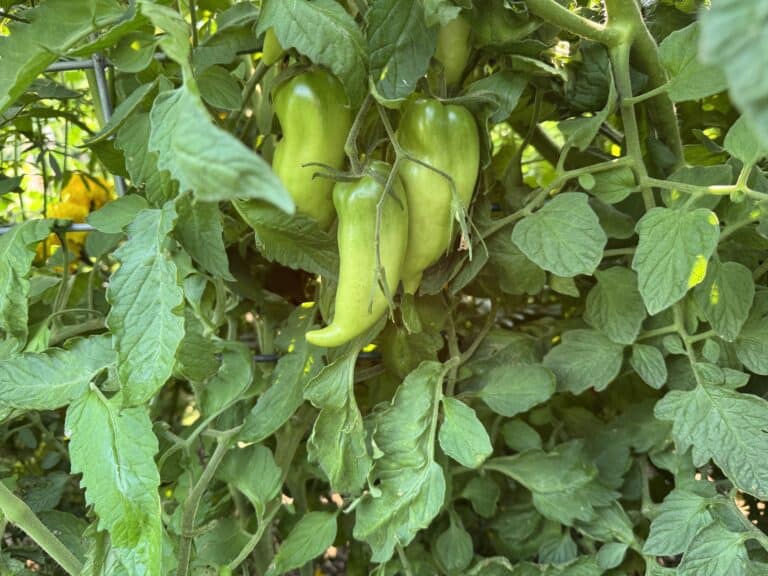
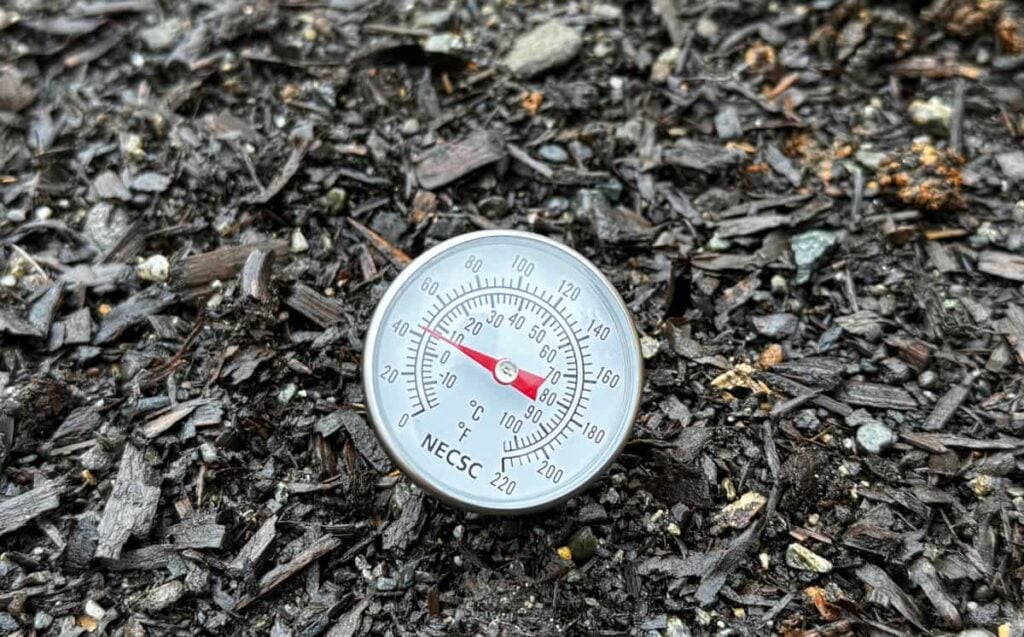
For most cool-season crops like lettuce, spinach, and peas, soil should be at least 40 to 50°F (4.5-10°C). Warm-season crops like tomatoes and peppers prefer soil temperatures closer to 60 to 70°F (15.6-21°C).
When is soil warm enough to plant? A simple soil thermometer inserted 2 to 4 inches deep gives you an accurate temperature reading for you to go by.
Cold soil slows germination and plant growth. Seeds may sit for weeks before conditions are right for sprouting. This significantly increases the risk of the seeds rotting in the ground.
Warm soil, on the other hand, wakes seeds up fairly quickly.
3. The Soil Is Moist, Not Waterlogged
Another sign your soil is ready for planting is balanced moisture content.
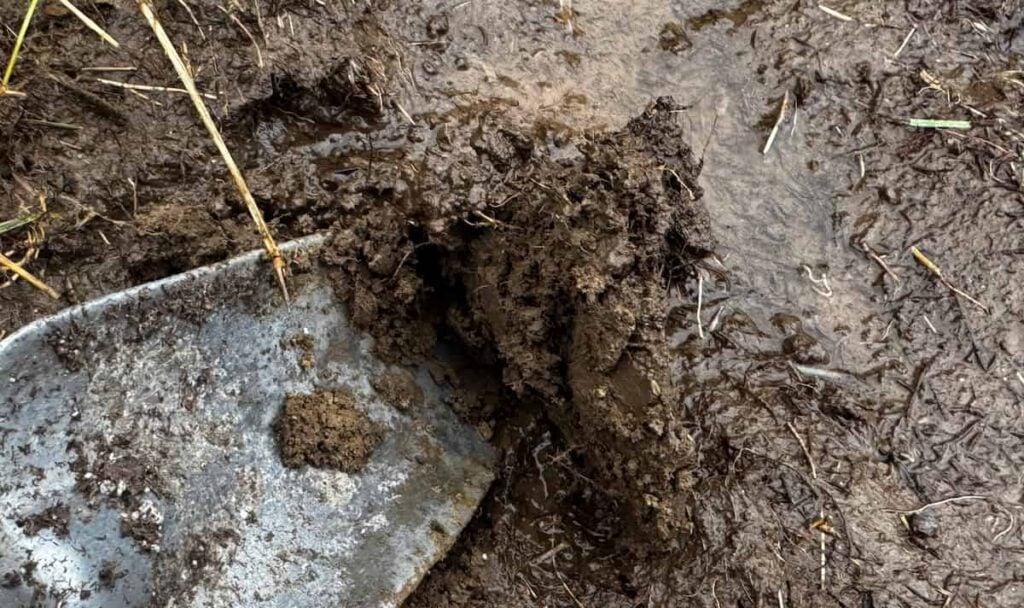
Soil that is too wet often looks shiny, feels sticky and muddy, and sticks heavily to tools and boots. Raised beds usually dry out faster in the spring than in-ground gardens do.
After heavy rain, wait until:
- The surface no longer glistens
- Footprints do not leave deep impressions
- The soil passes the squeeze test
Healthy soil should feel kind of like a wrung-out sponge. Damp, but not wet enough to drip.
4. The Soil Crumbles Easily
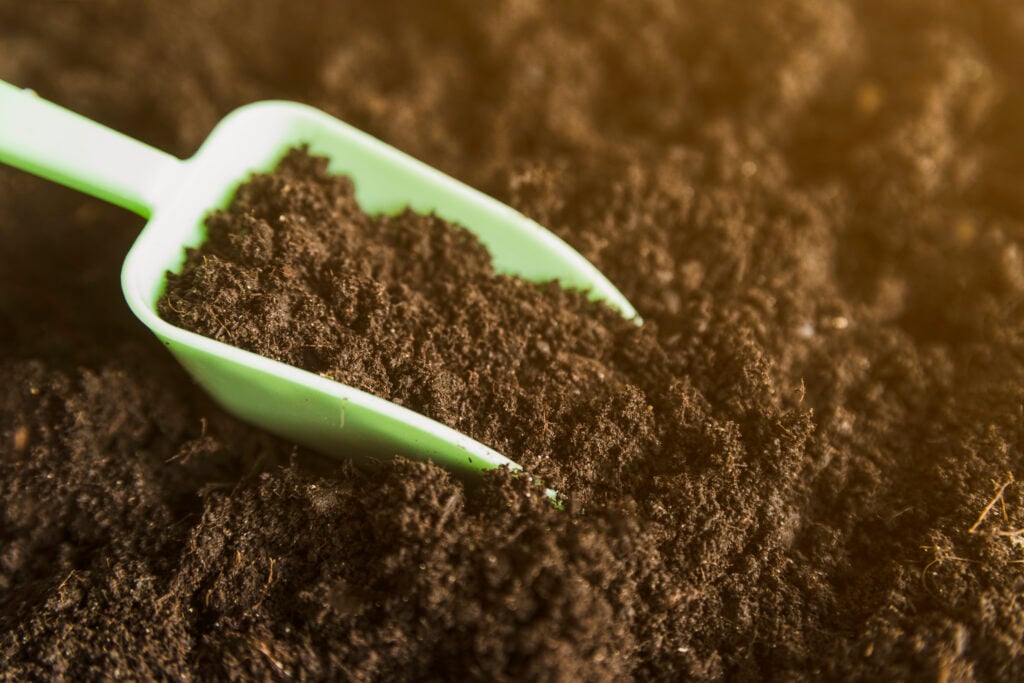
Good garden soil has structure. It forms loose aggregates instead of hard blobs.
When preparing garden soil for spring planting, gently dig with a hand trowel. If the soil breaks apart into crumbly pieces rather than forming heavy chunks, it is workable.
This crumbly texture allows:
- Better root growth
- Improved drainage
- Proper airflow
If your soil feels heavy or clumpy instead, it likely needs a little work first. These are signs it’s time to look into how to improve soil structure before planting so roots can grow freely.
Adding compost improves this structure year after year. Over time, it will become easier and easier to know when your soil is ready. And the soil will likely become ready sooner.
5. Earthworms Are Active
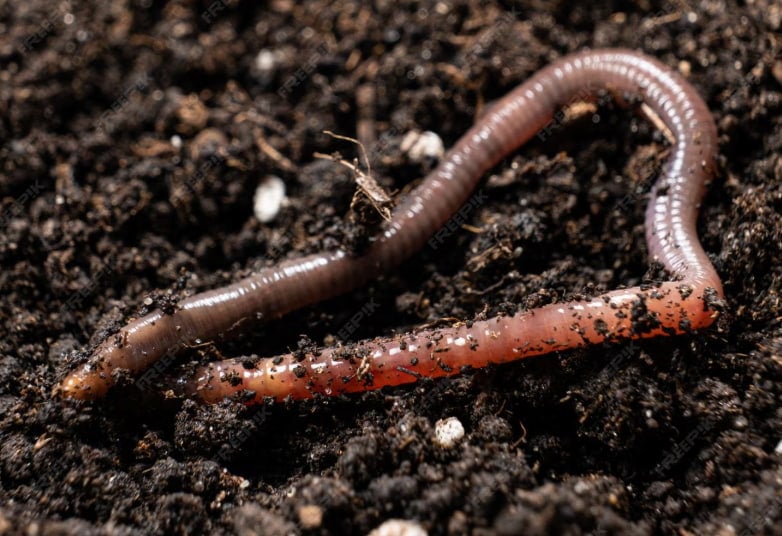
If you want to know how to check soil before planting in a more natural way, look for earthworms.
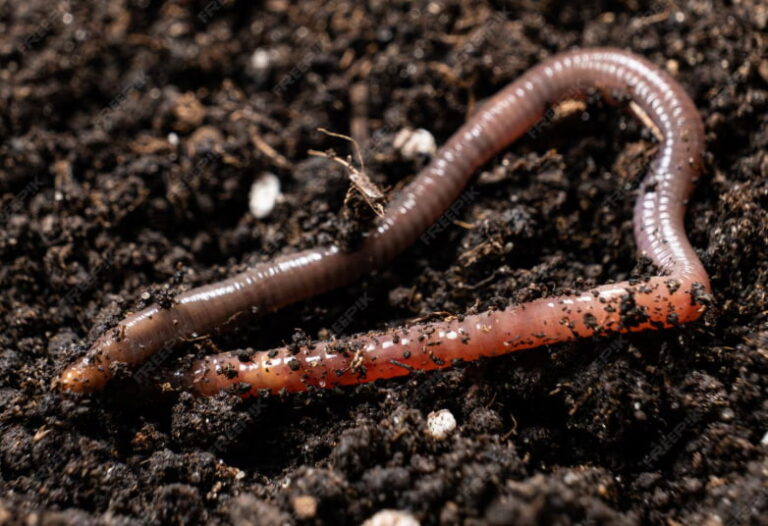
When soil warms and dries properly, worms become active near the surface. Their tunnels improve drainage and oxygen flow. Seeing worms is a sign that the life in your soil is waking up and ready to work. Living soil grows resilient plants.
To learn more about how earthworms improve soil, see my post How Earthworms Are Good For The Garden and Compost.
6. Frost Risk Matches Your Crop
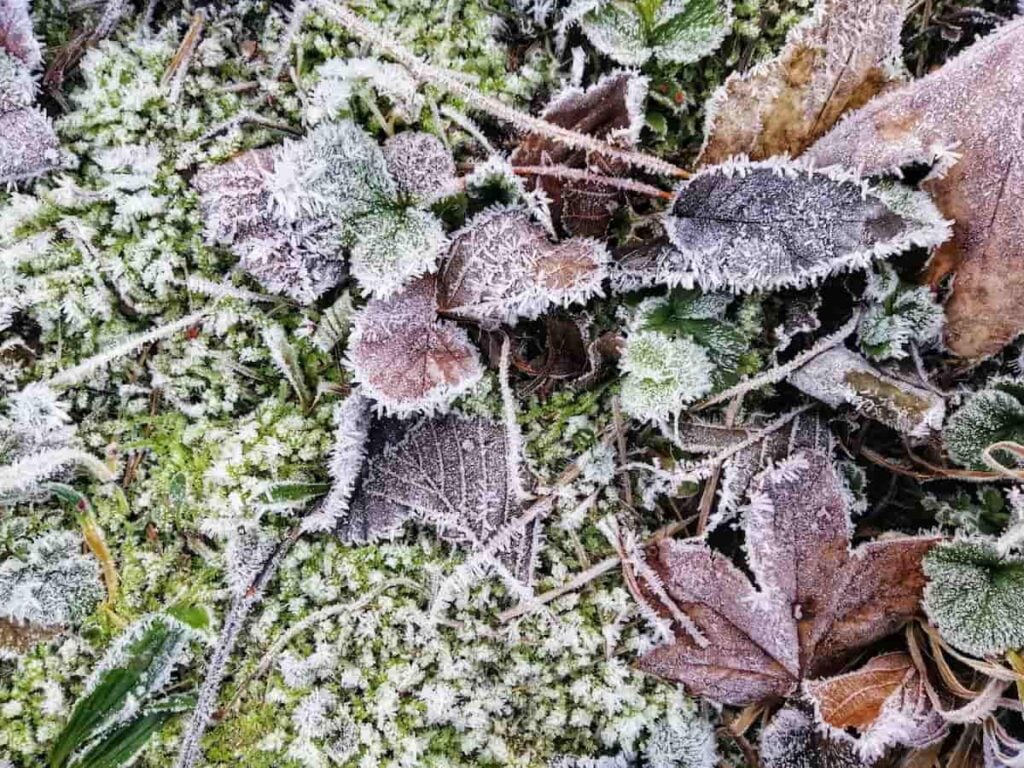
You might find that your soil is ready, but that does not mean every plant is ready to be planted. Cool-season crops tolerate chilly nights without issue. Warm-season crops, however, do not.
Match planting time to both soil readiness and your local last frost date. Visit the Farmer’s Almanac website if you are in the U.S. to find out what your last frost date is. Tender seedlings placed into cold soil often stall even if frost does not kill them.
Quick Soil Readiness Checklist
Your soil is ready to plant if:
- It passes the squeeze test
- Soil temperature matches your crop
- It is moist but not waterlogged
- It crumbles easily when handled
- Earthworms are active
- Frost risk aligns with what you are planting
Now You Can Plant Into Thriving Soil
Knowing the signs soil is ready for planting can make the difference between struggling seedlings and vigorous growth throughout the season.
Soil is not just dirt. It is a living ecosystem that needs time to wake up and come alive again in the spring. When you plant into soil that is warm, crumbly, and alive, you are not forcing the season before it’s ready to begin.
Always work with nature, not against it.
Frequently Asked Questions
Q: How do you know when soil is ready to plant?
A: Soil is ready to plant when it:
- Passes the squeeze test and crumbles easily
- Is moist but not soggy
- Has reached the proper soil temperature for your crop
- Does not stick heavily to tools
- Shows signs of biological activity like earthworms
If it feels like a wrung-out sponge and breaks apart instead of forming mud, you are good to go.
Q: What happens if you plant in soil that is too wet?
A: Planting in wet soil can:
- Cause seeds or roots to rot
- Slow germination
- Compact the soil
- Reduce oxygen availability to roots
- Lead to poor root development
Wet soil compresses easily, squeezing out air pockets that roots depend on. It is better to wait a few extra days than to try to repair compacted soil.
Q: What soil temperature is best for planting vegetables?
A: It depends on the crop.
- Cool-season vegetables like lettuce and peas: 40 to 50°F (4.5-10°C) minimum
- Most spring vegetables: 50 to 60°F (10-15.6°C)
- Warm-season crops like tomatoes and peppers: 60 to 70°F (15.6-21°C).
Checking soil temperature 2 to 4 inches deep with a soil thermometer gives the most accurate reading.
Q: Can you plant seeds in cold soil?
A: You can, but it’s not ideal.
Cold soil slows germination and increases the risk of seed rot. Some hardy crops tolerate chilly soil, but warm-season vegetables struggle if soil temperatures are below 60°F (15.6°C).
Seeds prefer warmth. Think of soil temperature as the switch to tells a seed to germinate.
Q: How long should you wait to plant after heavy rain?
A: Wait until:
- The soil no longer looks shiny or saturated
- It passes the squeeze test
- Walking on it does not leave deep footprints
This could be a few days in sandy soil or over a week in clay soil. Raised beds typically dry faster than in-ground gardens.
Q: How dry should soil be before planting?
A: Soil should be evenly moist but not sticky.
If it clumps tightly and stays in a muddy ball, it is too wet. If it falls apart in loose crumbs and feels damp to the touch, it is ready.
Very dry soil is not ideal either. Seeds need consistent moisture to germinate.
Q: How do I prepare garden soil before planting?
A: Before planting:
- Remove weeds
- Add compost or organic matter
- Lightly loosen soil if needed
- Check soil temperature
- Ensure proper drainage
Preparation is less about aggressive digging and more about improving soil structure and biology.
Q: Should I water the soil before planting seeds?
A: If your soil is dry, lightly water before planting. Seeds need consistent moisture to germinate.
However, if soil is already moist from recent rain, additional watering is not necessary.