Practices That Damage Soil Biology & How To Rebuild
At first glance, soil looks like nothing more than dirt. But there’s an entire ecosystem in there that make soil a living thing. A single teaspoon of healthy garden soil can contain billions of microorganisms. If your garden struggles despite your best efforts, the problem may not be what you’re adding to the soil. It may be what you’re taking away from it. Let’s talk about common practices that damage soil biology so you can take the first step toward building truly healthy and resilient soil.
Why the Soil Microbiome Matters
The soil microbiome functions as the biological highway of your garden. Bacteria, fungi, protozoa, nematodes, and other microscopic life forms work together in a complex system known as the soil microbiome. This underground ecosystem helps your plants take up nutrients, protects them from disease, and builds the soil structure that allows your garden to thrive.
Beneficial microbes perform essential roles, including:
- Converting organic matter into plant-available nutrients
- Forming partnerships with plant roots
- Improving soil structure and aeration
- Helping plants resist pests and disease
- Increasing drought tolerance
One of the most important relationships is between plants and mycorrhizal fungi. These fungi attach to plant roots and extend their reach, bringing water and nutrients to plants that they could never reach by themselves. In exchange, plants feed the fungi sugars it makes.
This exchange has evolved over hundreds of millions of years. But it can be disrupted quickly by many modern gardening practices.
Practice 1: How Tilling Affect Soil Microbes
Tilling may make soil look soft and ready for planting, but beneath the surface it causes widespread issues.
Soil fungi form delicate thread-like networks that connect plants and transport nutrients. Tilling breaks these networks apart. This decreases the amount of nutrients available to plants.
It also exposes microbes to oxygen levels, sunlight, and temperature extremes they are not adapted to survive. Killing the microbes in the soil will prevent organic matter from being broken down. If microbes aren’t available to efficiently break it down, it doesn’t matter how much compost or organic matter you put down. The nutrients in it won’t become available to your plants.
Research shows that repeated tilling reduces microbial diversity and disrupts the soil food web. It destroys the tunnels and other pathways worms and other soil life create. Those pathways allow water and air to penetrate into the soil. Your plant’s roots won’t get the oxygen or water it needs. Water will run off instead of soaking into the ground. When water can’t penetrate into the soil it often takes soil with it as it runs off, creating an erosion problem.
Over time, tilled soil becomes more dependent on external inputs and less capable of sustaining plant health naturally.
Better approach:
Reduce tilling as much as possible, or go completely no till if you can. Allow soil structure and microbial communities to rebuild naturally. Read my post on The Benefits of No Till Gardening to learn even more about this gardening method.
Practice 2: Leaving Soil Bare Exposes the Microbiome
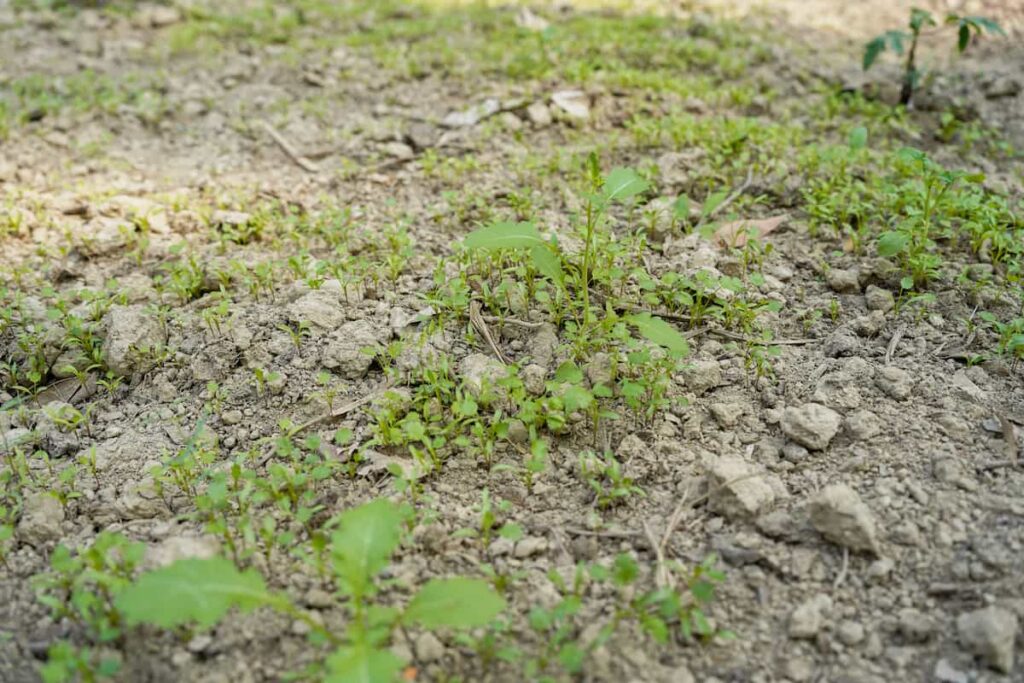
Bare soil is one of the most harmful conditions for soil microbes.
Without protection, soil is exposed to:
- Ultraviolet radiation
- Temperature extremes
- Moisture loss
These conditions kill beneficial microorganisms and reduce organic matter.
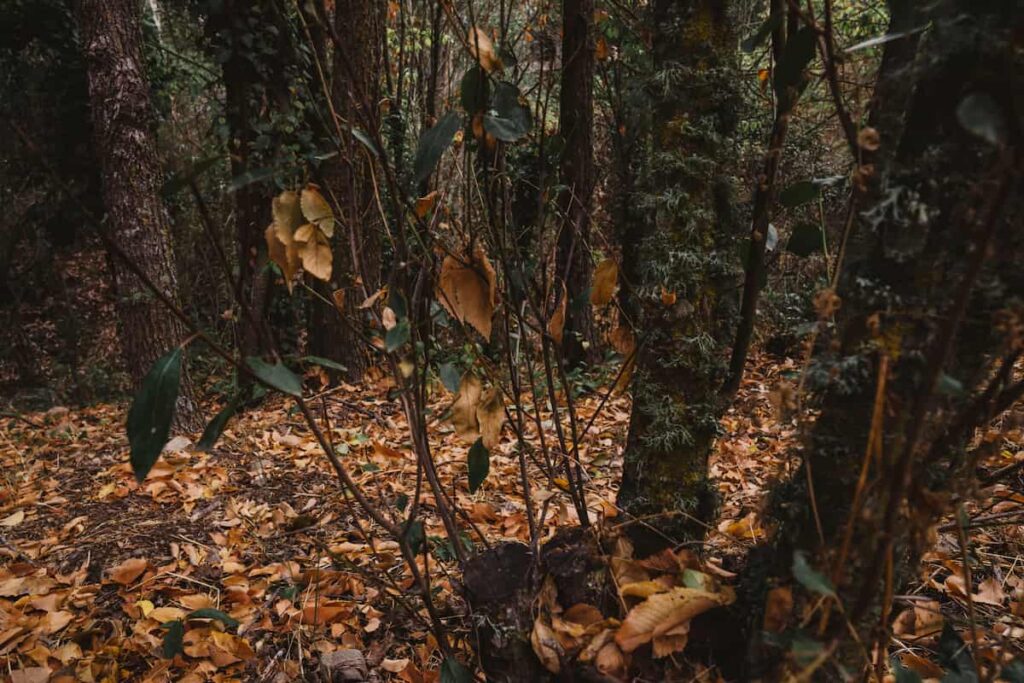
In nature, soil is almost never bare. It is covered by plants, leaf litter, or organic debris. If you see a bare patch, it will soon be filled in with plants or covered with leaves or other debris. This is the basic principle behind the Back to Eden gardening principle. Nature knows what it’s doing. Mimic it with your garden.
Better approach:
Cover soil with mulch, compost, or living plants (think cover crops during the off season) to protect microbial life.
Practice 3: Synthetic Fertilizer Effects on Soil Microbiome
Synthetic fertilizers provide nutrients in a readily available form. While this can boost short-term growth, it can actually weaken the natural relationship between plants and microbes. When nutrients are immediately available, plants spend less energy supporting it’s microbial partners.
Over time, microbial populations decline. Some synthetic fertilizers also increase salt levels in soil, which can harm beneficial organisms.
Better approach:
Use compost and organic amendments that feed both plants and microbes.
Practice 4: Using Broad-Spectrum Fungicides Target All Fungi
Fungicides cannot distinguish between harmful fungi and beneficial ones.
Many beneficial fungi help plants absorb nutrients and resist disease. Plants rely on them to gather nutrients as much as the fungi rely on the plants for their food. Killing these organisms disrupts this essential process. In this way, fungicides hurt the fungi and the plants it’s meant to protect.
This can create a cycle where plants become more dependent on chemical treatments. They cannot rely on natural processes because they’re partnership with the fungi they need has been destroyed.
Better approach:
Focus on improving soil health so beneficial microbes naturally suppress disease.
Practice 5: Removing Plant Residue Removes Organic Matter
When plants die, their roots and leaves become food for soil microbes. Removing all plant material deprives microbes of their primary energy source. Without organic matter, microbial populations decline.
The exception to this is if you have diseased plants. Do not let those break down in your garden or you are likely to spread the disease to next year’s crop.
Better approach:
Leave roots in the soil and allow plant material to decompose naturally.
Practice 6: Soil Compaction Removes Soil Pathways
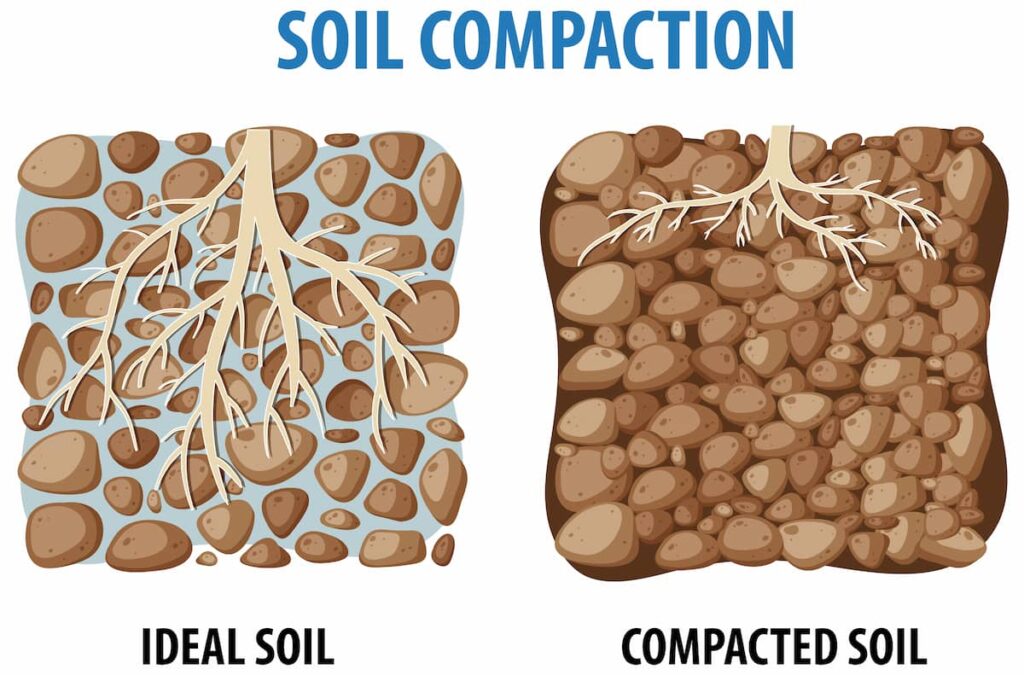
Compacted soil has fewer air spaces, limiting oxygen availability. It also removes the little cracks and tunnels that allow water to seep into the soil.
Many beneficial microbes require oxygen to survive. All life requires water.
Compaction reduces microbial activity and slows nutrient cycling. It also makes it hard for roots to penetrate deep into the soil. Shallower roots cannot access the nutrients it needs. This can lead to stressed and unstable plants. Stressed plants are susceptible to pest and disease issues. Unstable plants are more prone to be affected by weather events.
Better approach:
Avoid walking on garden beds or using heavy equipment in the garden. Instead use designated paths to walk in the garden.
Signs Your Soil Microbiome Needs Help
Signs of poor soil biology include :
- Hard, compact soil
- Poor plant growth
- Increased pest and disease problems
- Soil that dries out quickly
- Lack of earthy smell

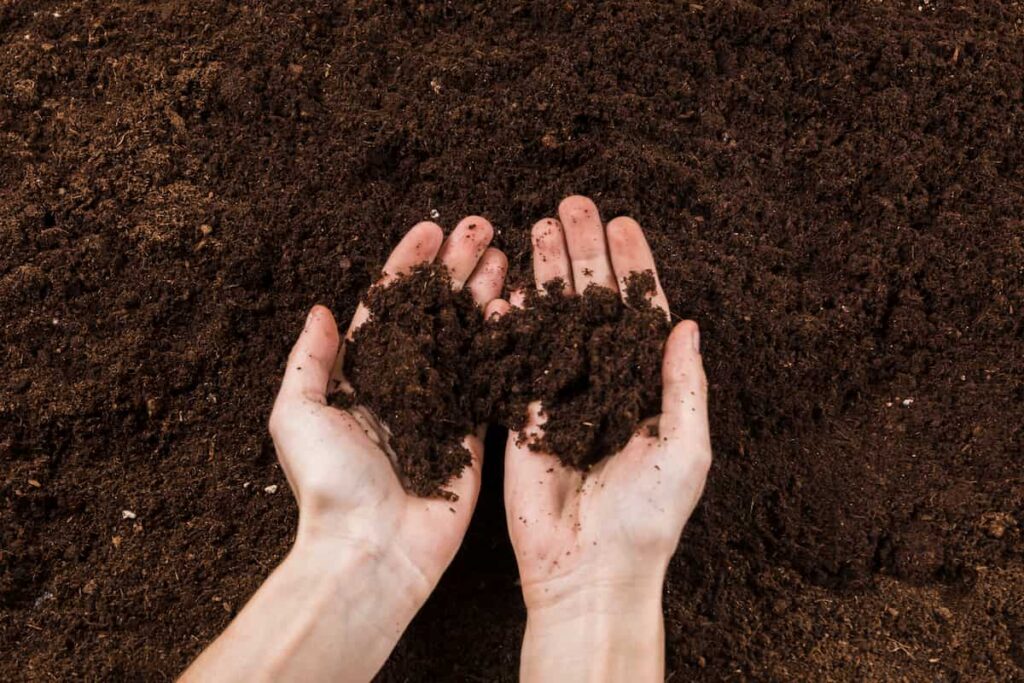
Healthy soil has a rich, earthy scent and a crumbly texture. It’s dark brown to black and retains moisture without becoming soggy. You can often see life in it in the form of worms or little white stands of fungi.
How to Restore Soil Microbes Naturally
Soil biology can recover surprisingly quickly, even in very depleted soil. Regenerative gardening practices really help rebuild soil microbiome.
Some regenerative gardening practices that will help are:
- Adding compost regularly
- Keeping soil covered
- Reducing tilling or eliminating if possible
- Growing diverse crops
- Avoiding unnecessary chemical inputs
- Leaving roots in the soil instead of taking the plant out at the end of the season
Each of these practices feeds and protects beneficial microbes. They can restore soil health naturally, no matter the scale of your garden.
If you have chickens a great option is to let them into the garden after your growing season has ended. They will not only clean up the garden debris, but they’ll also leave fertilizer in form of poop all over the garden. Your plants next season will thank you for this. If you don’t have chickens or are new to them, check out this post on A Beginner’s Guide to Raising Backyard Chickens.
A Healthy Garden Starts in the Ground
Healthy soil is not built with fertilizers or other chemical inputs.
Instead, it is built with life and organic material. When you protect the soil microbiome, you create a self-sustaining system that naturally supports plant health.
Instead of fighting nature, try to work with it. Once the underground ecosystem recovers, everything above ground gets easier.
Frequently Asked Questions
Q: What kills beneficial microbes in soil?
A: Several common garden practices can reduce beneficial soil microbes, including:
- Frequent tilling
- Overuse of synthetic fertilizers
- Broad-spectrum fungicides
- Leaving soil bare
- Soil compaction
- Excessive watering
These practices disrupt the soil food web, reduce microbial diversity, and limit the natural partnerships between plants and soil organisms. Protecting the soil microbiome naturally means minimizing disturbance and keeping soil covered and biologically active.
Q: How does tilling affect soil microbes?
A: Tilling breaks apart fungal networks, especially mycorrhizal fungi, that connect plant roots and transport nutrients. It also exposes soil microbes to sunlight and oxygen levels they are not adapted to handle.
Repeated tilling reduces microbial diversity and can make soil more dependent on fertilizers over time. In soil microbiome gardening, reduced-till or no-till methods help preserve these underground networks.
Q: Do synthetic fertilizers harm soil biology?
A: Synthetic fertilizers do not directly sterilize soil, but they can weaken the relationship between plants and beneficial microbes.
When nutrients are delivered in highly soluble forms, plants rely less on microbial partners. Over time, microbial populations can decline, and soil structure may suffer. High salt concentrations from some fertilizers can also damage sensitive microorganisms.
Q: Does fungicide kill beneficial soil fungi?
A: Yes, many broad-spectrum fungicides do not distinguish between harmful fungi and beneficial ones. This includes mycorrhizal fungi, which form essential partnerships with plant roots. Disrupting these relationships can reduce nutrient uptake and weaken plant resilience.
Building strong soil biology through organic matter and plant diversity is often a more sustainable disease prevention strategy.
Q: How can I tell if my soil biology is unhealthy?
A: Signs of poor soil biology include:
- Hard, compacted soil
- Poor drainage or crusting
- Lack of earthworms
- Weak plant growth
- Increased pest and disease problems
- Soil that lacks a rich, earthy smell
Healthy soil microbiome activity often produces a crumbly texture and a noticeable forest-like scent.
Q: How long does it take to rebuild soil microbes?
A: Soil biology can begin recovering within one growing season if you:
- Stop tilling
- Add compost
- Keep soil covered
- Increase plant diversity
More severely degraded soils may take several years to fully rebuild microbial diversity, but improvements in structure and plant health often appear quickly. Regenerative gardening practices accelerate this recovery process.
Q: Is compost enough to restore soil health naturally?
A: Compost is one of the most effective ways to reintroduce beneficial microbes and organic matter.
However, compost works best when combined with:
- Living roots in the soil
- Minimal disturbance
- Mulch or cover crops
- Diverse plantings
Soil microbiome garden health depends on continuous biological activity, not just a one-time amendment.
Q: Can overwatering damage the soil microbiome?
A: Yes. Overwatering can create anaerobic conditions, meaning oxygen is removed from the soil. Many beneficial microbes require oxygen to survive. Prolonged saturation can reduce microbial diversity and promote harmful pathogens.
Improving soil structure with compost and avoiding compacted soil helps balance moisture and airflow.
Q: What is the soil food web in gardening?
A: The soil food web describes the interconnected community of organisms living in soil. This includes bacteria, fungi, protozoa, nematodes, arthropods, and earthworms. Each plays a role in decomposing organic matter, cycling nutrients, and supporting plant growth.
Soil microbiome regenerative gardening focuses on supporting this entire living system rather than feeding plants directly.
Q: What is the fastest way to improve soil microbiome health?
A: The fastest improvements typically come from:
- Adding high-quality compost
- Keeping soil covered with mulch
- Planting diverse crops
- Reducing tillage
- Leaving roots in the ground
Think of soil as a living ecosystem. The more continuous food and protection it receives, the faster it recovers.