How to Read Seed Germination Problems: What Your Seeds Are Telling You
If you want to become a better gardener, start by observing seed germination instead of trying to force it. Seeds respond to the conditions around them, not to what a packet says. They react immediately to temperature, moisture, and soil health. And their behavior tells you exactly what your garden needs. Understanding seed germination problems allows you to stop guessing and become more confident in seed starting.
How to Read Seed Behavior
Understanding seed behavior simply means paying attention to how seeds respond in your environment.
- Do they sprout quickly?
- Do they hesitate?
- Do they germinate at the same time… or appear sporadically?
Every seed species has its own preferences. Lettuce often germinates quickly in cool soil. Peppers take a little longer and prefer warmth. Beans want consistent moisture but don’t like soggy soil.
Soil temperature for seed starting matters more than most gardeners realize. A packet may say “7–10 days,” but that estimate assumes ideal conditions. Cold soil can double that time. For more information on ideal soil temperature see my post about How to Tell if Soil is Ready to Plant in the Spring.
Observation replaces frustration with knowledge.
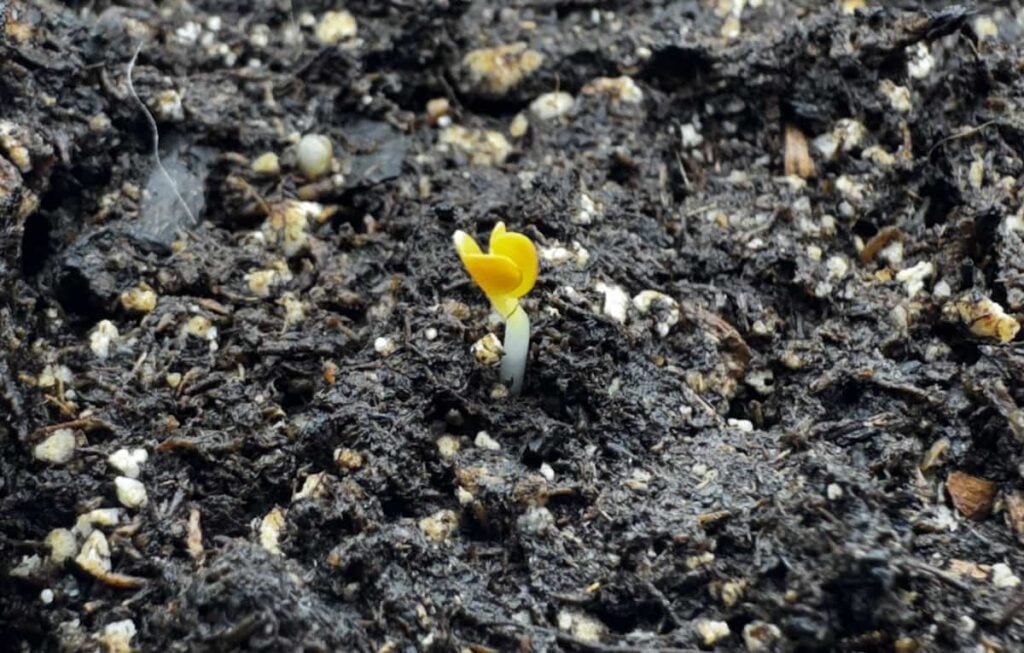
Why Seeds Germinate Slowly (And What It Means)
Slow germination doesn’t mean you’ve failed. It’s feedback letting you know that the conditions the seed wants aren’t quite right.
If seeds take longer than expected, ask:
- Is the soil too cool?
- Has watering been inconsistent?
- Are the seeds old?
Learning how to tell if seeds are viable can prevent confusion. A simple germination test on a damp paper towel reveals whether poor sprouting is environmental or simply age-related.
To test germination, take 10 seeds and place them in a damp paper towel. Put the paper towel in a plastic sandwich bag so it stays moist. Place in a warm spot. Watch for germination. The number that germinate over 1-2 weeks is an estimate of your seed’s germination rate. If only 3 out of ten germinate, than your rate is about 30%.
You can check out this Seed Germination YouTube short to see this principle used to germinate seeds.
When seeds delay, they are not being stubborn. As long as they are not too old, then chances are they are just waiting for better conditions.
You might find Seed Starting Problems: Why Seeds Didn’t Sprout and 15 Seed Starting Tips for Beginners if you are having issues with germination.
Uneven Germination Causes: What to Look For
Uneven germination causes are often hidden in plain sight.
One corner of your bed may warm faster in spring. Another may hold moisture longer. Soil compaction in a single row can restrict emerging roots.
If seedlings appear in patches rather than rows, your garden is showing you its microclimates.
This is where observing seed germination becomes powerful. Instead of reseeding immediately, look for patterns. Does the sunny edge sprout first? Does the low area lag behind?
Make sure you record the answers in a journal or draw a diagram. This will be information you’ll want to have for future seasons. Your future successful seed starting self will thank you for it.
Signs of Healthy Seedlings vs Unhealthy Seedlings
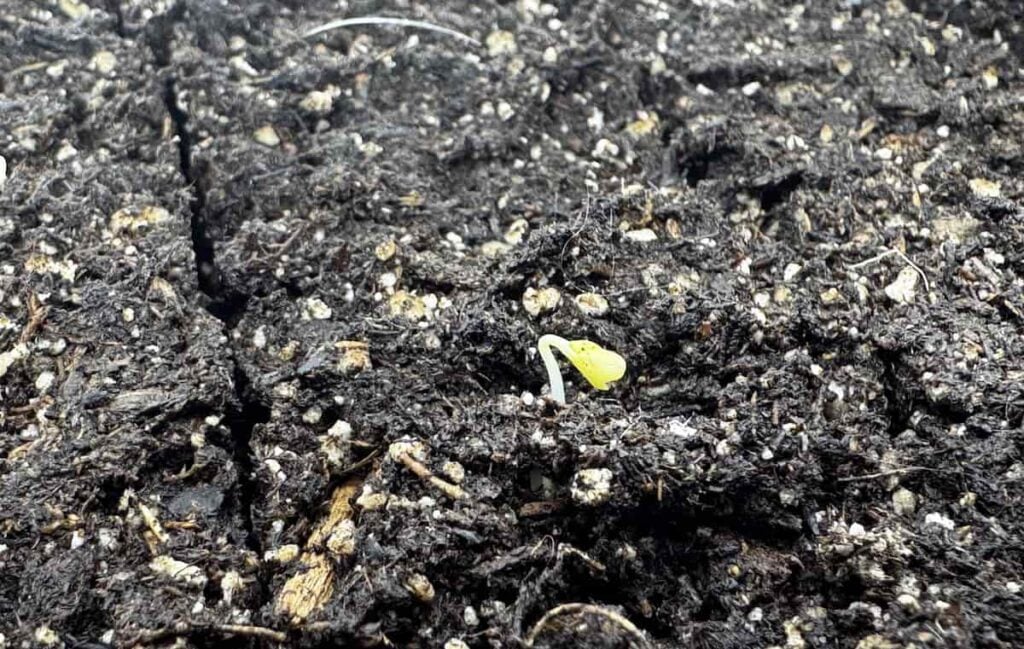
Once seedlings emerge, they can tell you a lot of information about how they’re doing very quickly.
Signs of healthy seedlings include:
- Thick stems
- Deep green leaves
- Upright posture
- Steady growth
Leggy seedlings signal insufficient light. Yellowing leaves may suggest nutrient imbalance or overwatering. Collapsed stems at soil level often point to damping off, a fungal issue tied to excess moisture and poor airflow.
Damping off prevention tips include:
- Avoid overwatering
- Provide good air circulation
- Use well-draining seed starting mix
How to Fix Leggy Seedlings, What is Damping Off, and Why Airflow is Important for Healthy Plants are helpful guides you may want to read for a more in-depth look at these issues and the fixes.
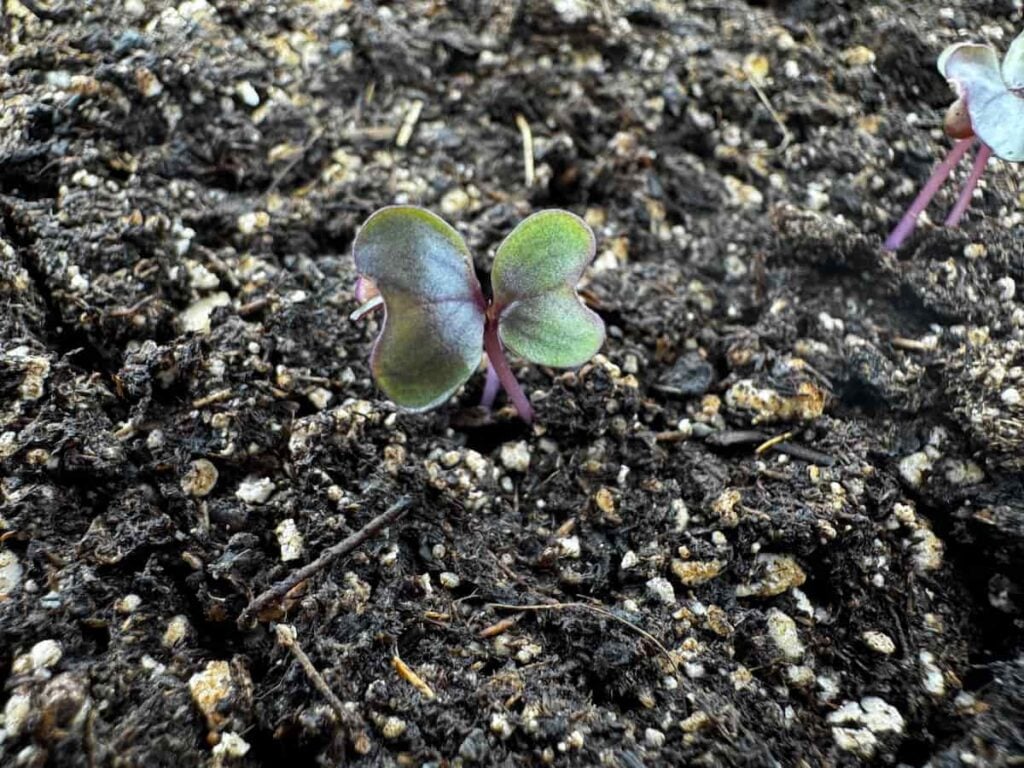
Why Seeds Don’t Germinate: 5 Common Causes
When seeds fail to sprout, it is usually one of a few common seed germination problems:
- Planted too deeply
- Allowed to dry out
- Kept too wet
- Planted in soil that is too cold
- Seeds are too old and no longer viable
Direct sow vs transplant timing also plays a role. Some crops resent root disturbance and perform best when sown directly into warm soil. Others benefit from an early indoor start.
Last year I planted at least 8 rows of carrots. I had only a dozen or so sprout. It turns out that my seeds were just too old. This was a valuable lesson in how long carrot seeds stay viable. Instead of blaming yourself, study what happened. Failure give you invaluable information that you won’t learn any other way.
For more detailed information, check out my guide on Why Seeds Didn’t Sprout and How to Fix It.
Building a Seed Observation Practice
Better gardening begins with observation.
Keep a simple seed starting journal with:
- Date planted
- Soil temperature
- First sprout date
- Germination percentage (approximate is fine)
- Notes on vigor
Over time, you’ll develop your own seed starting troubleshooting guide tailored to your climate and soil.
Soon, patterns emerge with each seed variety. You’ll know when your soil is truly warm enough for beans. And you’ll recognize when uneven germination signals compaction rather than poor seed quality.
Experience is quickly gained when you are attentively observing your seeds.
Seeds as Soil Health Indicators
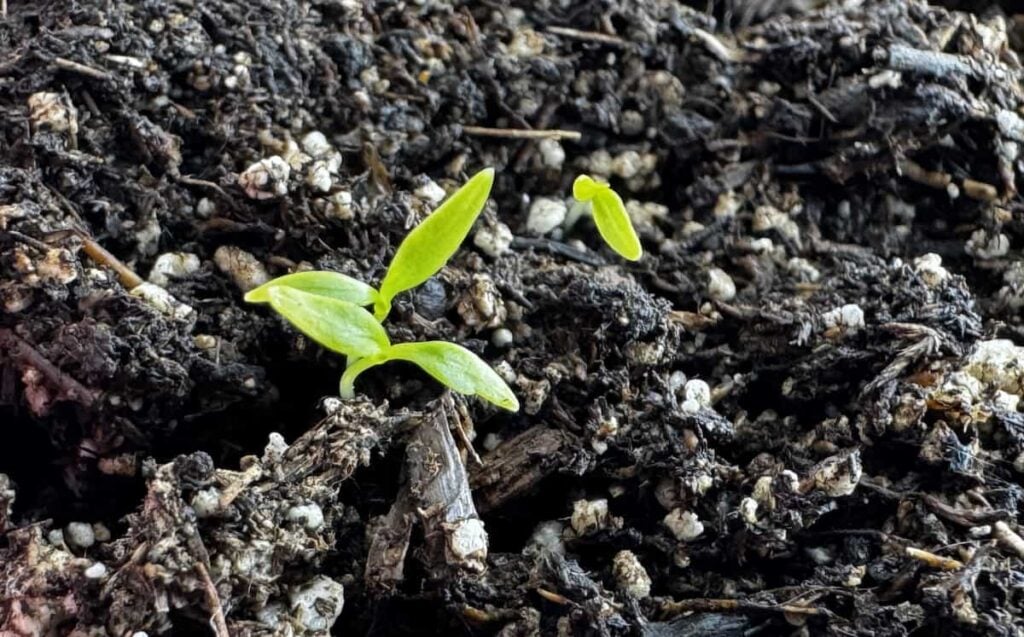
Seeds are an early detection system that tells you how good or poor your soil health is.
Strong, penetrating roots suggest a good structure and active soil life. Struggling seedlings often point to compaction or an imbalance in the soil microbiome.
When you focus on understanding seed behavior and germination, you begin gardening from the ground up. Literally. Seeds can be your first line of detection. Mature plants won’t show problems until much later.
Observation at the seed stage allows correction before the season is lost. Read more with my guide How to Tell if Soil is Ready to Plant. If it is not, you can check out my guide on How to Prepare Your Soil for Planting.
Now You Can Read Your Seeds
Seeds are responsive, adaptive, and surprisingly communicative. Understanding seed behavior starts with observing your seeds. When you observe seed germination carefully, you stop fighting your garden and start to learn from it.
And once you learn to read your seeds and seedlings, the garden feels less intimidating. You start to feel like you really can do this. And you’re right, you can!
Frequently Asked Questions
Q: Why are my seeds not germinating even though I followed the packet instructions?
A: Seed packets assume ideal conditions. The most common reasons seeds fail to sprout are:
- Soil temperature is too low
- Inconsistent moisture
- Seeds planted too deep
- Old or non-viable seeds
Before replanting, check your soil temperature and consider doing a simple germination test indoors to determine if the issue is environmental or seed quality related.
Q: How long should seeds take to germinate?
A: Germination time depends on the crop and conditions. While packets often list a range like 7 to 14 days, soil temperature plays a major role. Cool soil can double germination time, especially for warm-season crops like peppers and beans.
If seeds haven’t sprouted within the expected window, gently uncover one to see if it has begun to split. That tells you the seed is germinating and you can expect to see growth above the soil soon.
Q: What causes uneven germination in garden beds?
A: Uneven germination causes usually include:
- Variations in soil temperature
- Uneven watering
- Soil compaction
- Poor seed-to-soil contact
- Old or non-viable seeds
Microclimates within a single bed are more common than gardeners realize. Observing where seedlings emerge first can reveal warmer or better-drained sections of your soil.
Q: How can I tell if my seeds are still viable?
A: To check seed viability:
- Place 10 seeds on a damp paper towel.
- Fold it over and seal it in a plastic bag.
- Keep it in a warm spot.
- Check after the typical germination window.
If 7 out of 10 sprout, you have approximately a 70 percent germination rate. This quick test prevents confusion between poor conditions and old seeds.
Q: Why are my seedlings tall and weak?
A: Leggy seedlings are almost always caused by insufficient light. When seedlings stretch toward light, their stems become thin and unstable.
To fix this:
- Move lights closer to seedlings
- Provide 12 to 16 hours of bright light daily
- Improve air circulation
Healthy seedlings should have sturdy stems and compact growth.
Q: What are signs of healthy seedlings?
A: Signs of healthy seedlings include:
- Thick stems
- Even green coloration
- Upright growth
- Consistent leaf development
If leaves are pale, curling, or slow to grow, observe watering habits and soil drainage.
Q: What is damping off and how do I prevent it?
A: Damping off is a fungal issue that causes seedlings to collapse at the soil line. It thrives in overly wet conditions with poor airflow.
Damping off prevention tips include:
- Use well-draining seed starting mix
- Avoid overwatering
- Provide airflow with a small fan
- Clean containers before reuse
Prevention is far easier than recovery.
Q: Should I start seeds indoors or direct sow them?
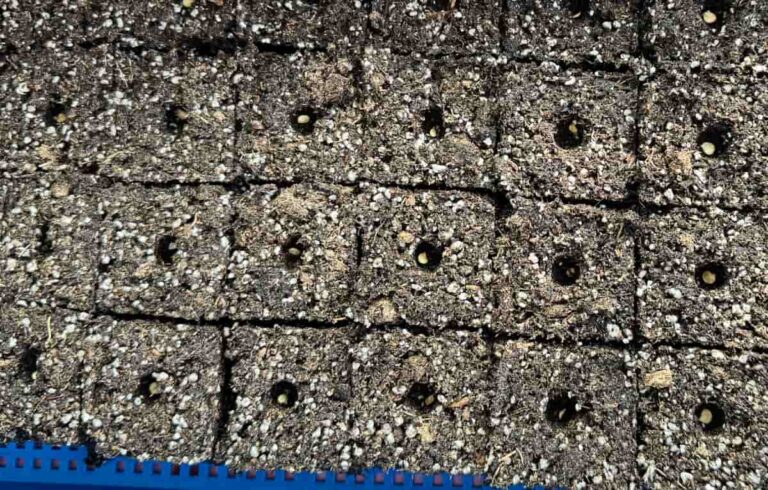
A: Direct sow vs transplant timing depends on the crop. Root crops, beans, and peas often perform better when direct sown. Tomatoes and peppers benefit from indoor starting in cooler climates. Using soil blocks can help give beans and peas a head start indoors. See my post on How To Soil Block For Seed Starting for more information.
Observing seed behavior in your climate over several seasons will help you decide what works best in your specific garden.
Q: Can soil health affect seed germination?
A: Yes. Compacted soil, poor drainage, and low biological activity can slow or weaken germination. Strong early root growth is often a sign of good soil structure and active microbial life. If the seeds struggle, your soil may need attention. See my post about Practices That Damage Soil Biology & How To Rebuild for more information on soil health.