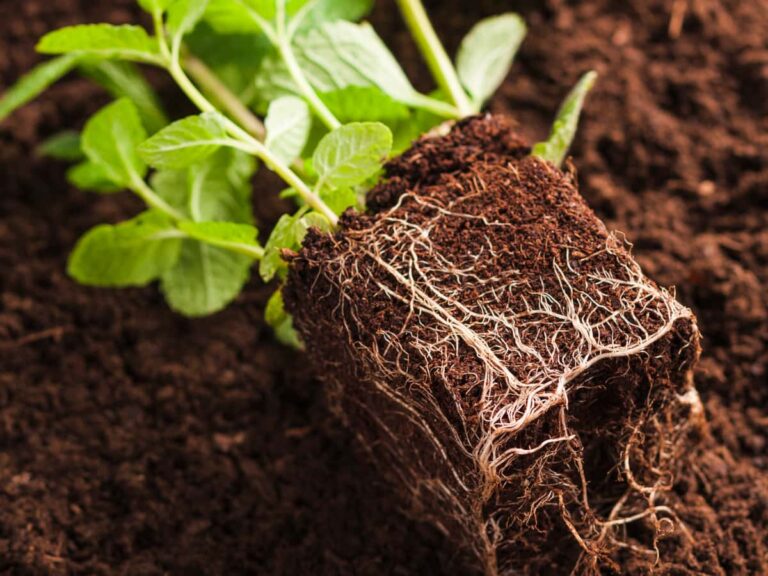
How To Tell If Your Plants Are Stressed Before It’s Too Late!
A healthy garden seemly grows without any help. It happily trucks along producing throughout the entire season. That scenario is not reality, though. Stress will happen. And a stressed plant in the garden makes everything feel different. Instead of letting it break your confidence, use it as a teaching tool. The key knowing if your plants are stressed is learning to notice small changes before they turn into big problems.
*As an Amazon Associate I may earn from qualifying purchases at no cost to you.
What Is Plant Stress?
Plant stress happens when growing conditions fall outside of what the plant’s preferences are. Too much water, not enough water, extreme heat, poor soil, crowded roots, or nutrient imbalance are all common triggers of plant stress.
Think of it as the plant going into survival mode. Instead of focusing on growth and fruit production, the plant diverts energy toward staying alive.
The longer the stress continues, the weaker the plant will become. Weak plants invite pest and disease problems along with disappointing harvests.
Early Signs That Show Plants Are Stressed
Most gardeners only notice stress after leaves wilt quite dramatically. But there are earlier signals if you are watching your plants closely.
Early signs of stress include:
- Leaves lose their vibrant green and look dull
- New growth appears smaller than normal
- Leaf edges curl slightly
- Growth slows, even during peak season
If you see subtle leaf curl in garden plants, investigate right away. That small curl is often your first clue that your plants are stressed.
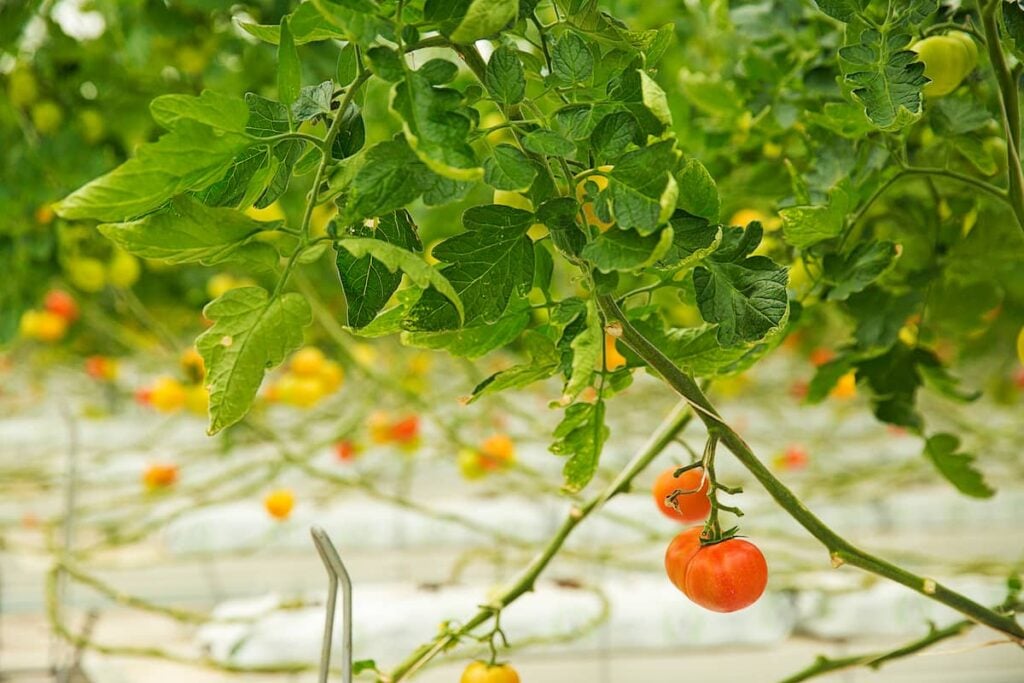
Water Stress: The Most Common Cause
Improper watering causes more plant problems than anything else.
Overwatered Plant Symptoms
- Yellowing lower leaves
- Wilting leaves but soil is moist
- Mushy stems
- Fungus gnats hovering near soil
Roots need oxygen to take up nutrients. When soil stays saturated, roots will suffocate and eventually rot.
Underwatered Plant Signs
- Dry, crumbly soil several inches down
- Leaves that feel thin or papery
- Wilting during the heat of the day that does not recover by evening
Check soil by inserting your finger 2 to 3 inches deep. Surface dryness does not tell you what’s happening several inches below. If the soil is dry up to 3 inches below the surface, a deep watering is needed.
Heat Stress in Vegetable Plants
During intense summer sun and heat, even well-watered plants struggle.
Heat stress in vegetable plants often shows as:
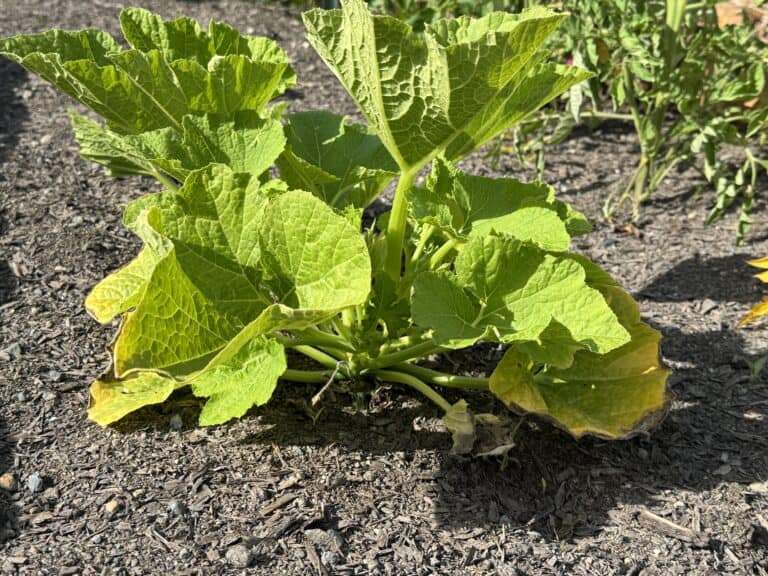
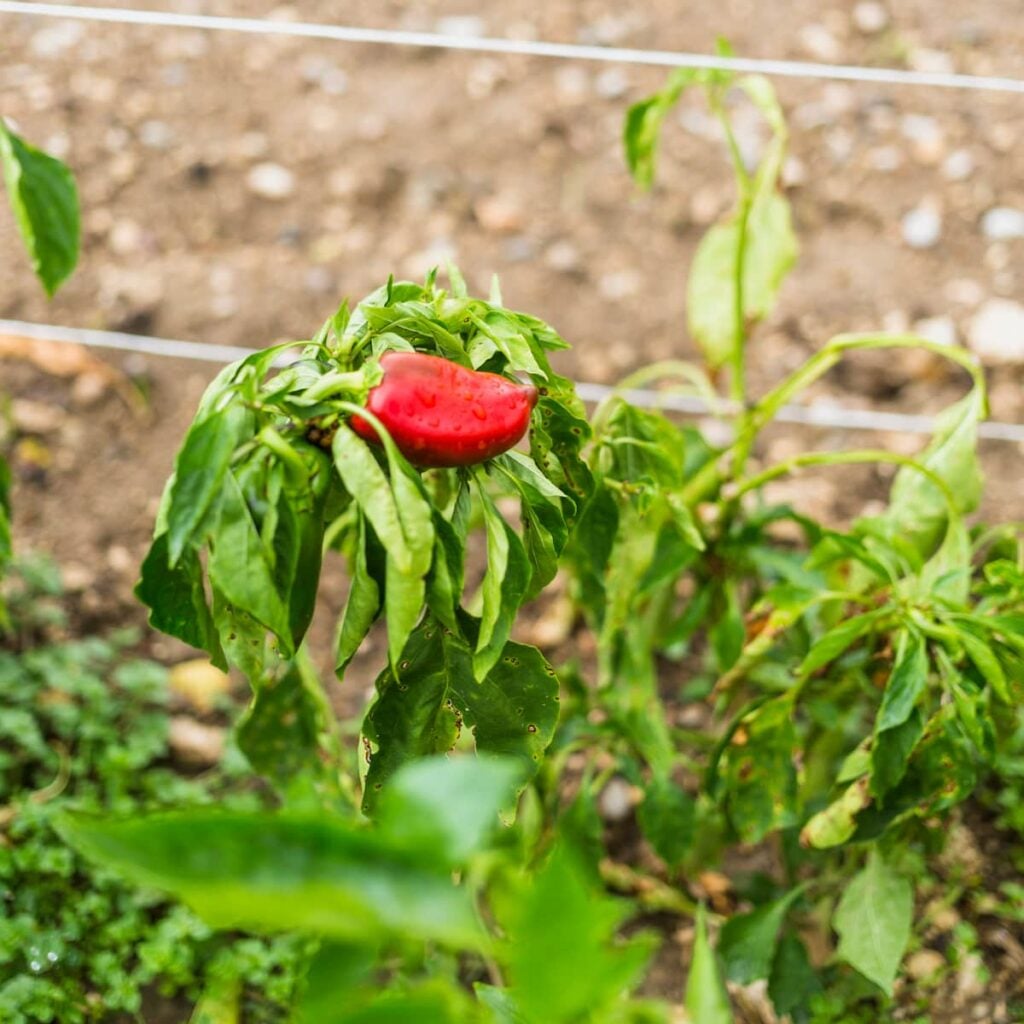
- Leaf cupping or upward curling
- Blossom drops in tomatoes and peppers
- Pale or bleached patches known as sunscald on vegetable plants
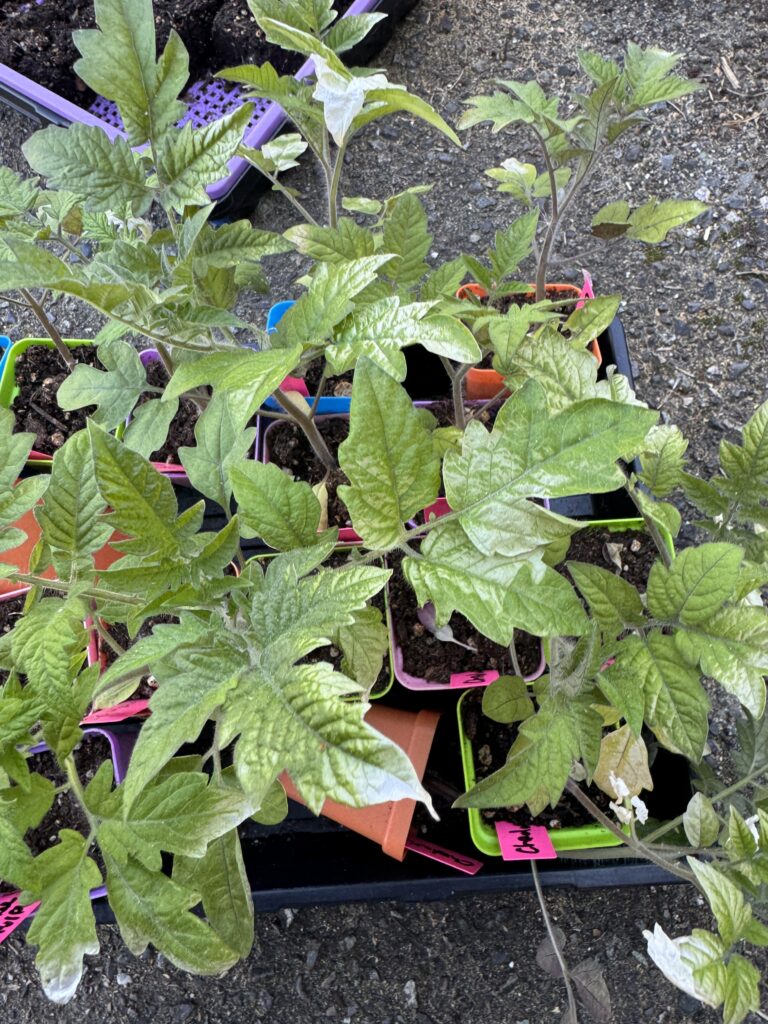
High heat forces plants to conserve moisture. Leaves curl to reduce surface area. Plants drop flowers to preserve their core energy.
Mulching and afternoon shade can make a big difference for plants. Mulch helps keep soil temperatures consistent and helps retain moisture. To provide shade a simple shade cloth set up to shade the plant in the afternoon works great. Both will help the plant handle intense heat and sun.
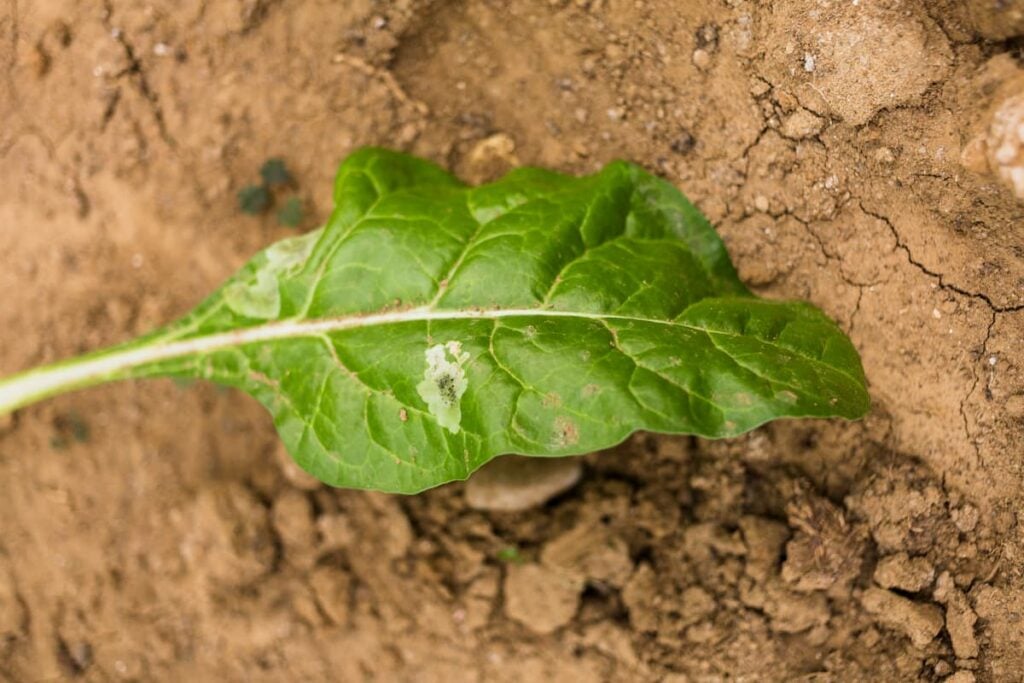
Nutrient Deficiency Symptoms in Vegetables
Color patterns in plant leaves are what tell the story of nutrient deficiency.
- Yellow leaves with green veins often signal magnesium deficiency
- Uniform yellowing on older leaves suggests nitrogen deficiency
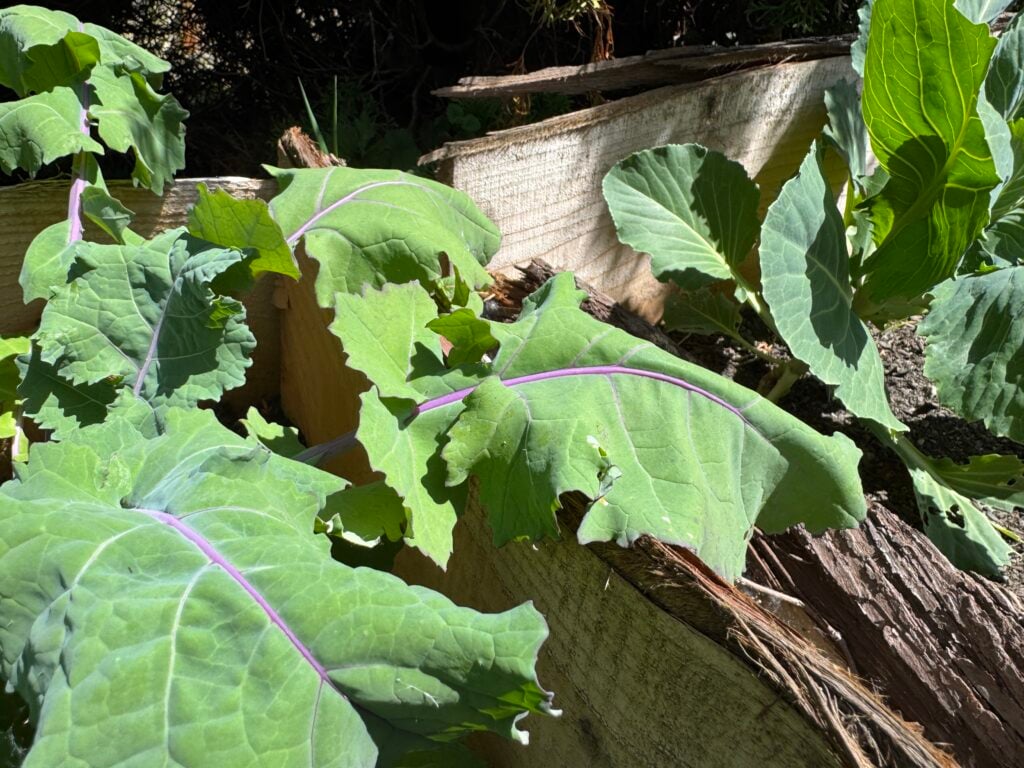
- Purple tinges can indicate phosphorus shortage
Unlike water stress, nutrient issues usually follow predictable patterns across multiple leaves.
Improving soil with compost and balanced organic fertilizer often resolves mild deficiencies naturally. Consistent watering, without overwatering, will also help plants effectively take up nutrients from the soil.
Using no-till methods also help keep soil microbiomes in place that help with nutrient uptake. To learn more about no till gardening, read my blog post No Till Gardening Benefits Soil.
You can read more about soil biology and how to improve it in my post Practices that Damage Soil Biology and How to Rebuild It.
Transplant Shock Symptoms in Plants
After moving seedlings into the garden, you may notice:
- Wilting despite adequate watering
- Dropped lower leaves
- Paused growth for one to two weeks
Transplant shock symptoms in plants are temporary if roots were handled gently. Consistent moisture and protection from harsh sun help plants reestablish quickly. Read more about this in my post Why Do Some Plants Transplant Easily While Others Struggle?
How to Diagnose Plant Stress Step by Step
Before you reach for fertilizer or spray, slow down and take a breath. Do these things first:
- Check soil moisture several inches deep.
- Look at leaf patterns. Are symptoms uniform or patchy?
- Inspect stems and undersides of leaves for pests.
- Consider recent weather. Sudden temperature swings often trigger stress.
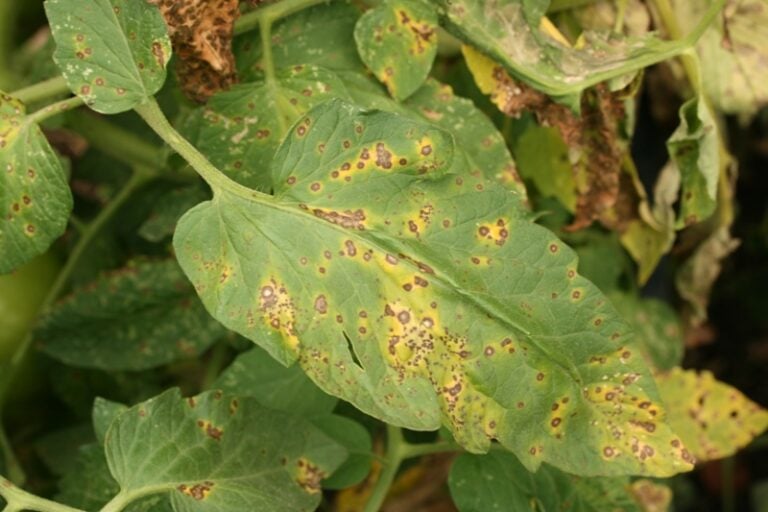
Treat the cause, not just the symptom. If you think you might have a disease issue, see my post on Common Tomato Diseases and How to Fix Them. Many of these apply to plants other than tomatoes, as well.
How to Revive Stressed Plants Naturally
Most stressed plants recover with simple adjustments.
- Correct your watering schedule to be consistent, but not too much
- Add mulch to regulate soil temperature
- Provide temporary shade during heat waves if you can
- Improve airflow by pruning crowded growth
- Apply compost tea for gentle nutrient support
The good news is, plants are resilient. Given the right conditions, they often rebound faster than expected.
When Is It Time to Remove a Plant?
If a plant shows severe stem rot, widespread disease, or fails to improve after correcting environmental issues, removal may protect the rest of your garden. It’s important to prevent the spread of any issues that you are unable to treat.
Sometimes the healthiest choice for the garden is letting one plant go.
Frequently Asked Questions
Q: What are the most common signs of plant stress?
A: Plants under stress send visual cues like wilting leaves, yellowing foliage, leaf curl or distortion, brown tips, stunted growth, spotting or blotches, and abnormal shapes. These symptoms reflect environmental issues (water, light, temperature, disease) or nutrient problems.
Q: Why are my plant leaves turning yellow?
A: Yellow leaves (chlorosis) often signal trouble in nutrient uptake, especially nitrogen, iron, or magnesium. Chlorosis may also result from poor soil drainage, damage to the soil microbiome, or root issues that prevent roots from taking up nutrients and/or them reaching the foliage.
Q: My leaves are wilting even though I water them — what could be wrong?
A: Wilting can mean both under‑ and overwatering. Too little water makes leaves droop, while too much saturates the soil and starves roots of oxygen, causing similar wilting. Always check deeper soil moisture, 2-3 inches below the surface. Do not water based only on the soil surface.
Q: Do curled or distorted leaves mean stress?
A: Yes. Leaf curl and distortion often point to environmental stresses like heat, dehydration, wind, or pests. Patterns in how leaves curl can help indicate which is the cause.
Q: What does brown leaf edge or tip mean?
A: Brown tips commonly indicate inconsistent watering patterns, salt buildup (often from over‑fertilizing), low humidity, or exposure to intense sun or heat.
Q: Can pests cause plant stress?
A: Absolutely. Insect feeding and infestations flip on stress responses in plants. Look for sticky residue, tiny moving dots under leaves, webbing, or unexplained holes — these are strong clues pests are stressing your plants. The reverse is also true, existing plant stress can invite pest issues.
Q: How can I tell if it’s nutrient deficiency or something else?
A: Look at the pattern:
- Older leaves yellow first = nitrogen
- Newer leaves yellow first = iron
- Purple or reddish tints can mean phosphorus issues
Tracking which leaves show symptoms helps target the right nutrient solution.
Q: When is it normal seasonal change vs stress?
A: Some plants naturally change color or drop leaves in autumn. Outside normal patterns, sudden leaf drop or unusual color changes mid‑growing season usually signal environmental or root stress, not seasonal shifts.
Q: How quickly do stressed plants show signs?
A: It depends. Some stresses, like sudden drought or heat, show within hours to days. Nutrient deficiencies and root issues might take weeks to show distinct symptoms. Regular observation helps you catch subtle changes early.
Q: Can stressed plants recover?
A: Yes. Early detection and adjustment of water, light, soil, and nutrients often reverse stress symptoms. Severe root rot or persistent nutrient imbalance may take longer or require interventions like repotting, soil amendment, or targeted feeding.