A Simple, Proven Method to Harden Off Seedlings Without Shock
If you’ve ever started seeds inside you know that they’re pretty sheltered. Grow lights are not as powerful as the sun. There’s no winds whipping through the plants and no storms to deal with. When starting seeds inside they don’t develop the ability to deal with these conditions from the start. It’s important that we introduce the outdoor conditions to the plants gently and let the seedlings become accustomed to them before planting them in the garden. That’s why it’s important to learn how to harden off seedlings. The hardening off process teaches the plants how to handle the environment and gives them the ability to thrive in the garden.
What Does Hardening Off Seedlings Mean?
Hardening off is the process of gradually acclimating indoor-grown seedlings to outdoor conditions. That includes sunlight intensity, temperature swings, wind, and rain.
Inside, your seedlings are used to still air, grow lights, light watering, and consistent warmth. Outside, everything changes at once. Without time to transition, plants can experience transplant shock, which shows up as:
- Drooping leaves
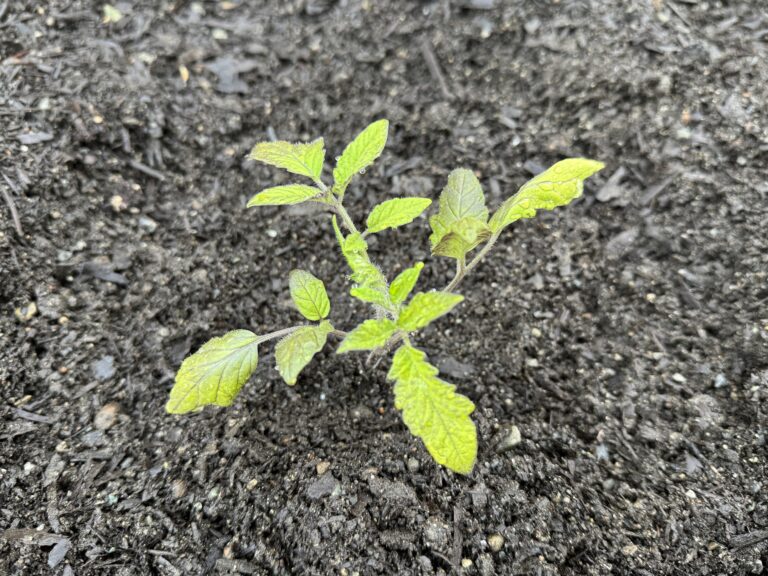
- White or brown sunscald patches
- Stunted growth
- Sudden wilting even when soil is moist
Hardening off bridges that gap so your plants adjust to their new environment slowly instead of trying to take it all in at once.
When to Harden Off Seedlings
Picking the right time to harden off seedlings matters just as much as technique.
Start the hardening off process about 7–14 days before your planned transplant date. The key is to wait until:
- The danger of hard frost has passed. If you’re in the U.S. you can check the Farmers Almanac website to find your last frost dates.
- Daytime temperatures are consistently above 50-60°F (10-15.5ºC) for most crops
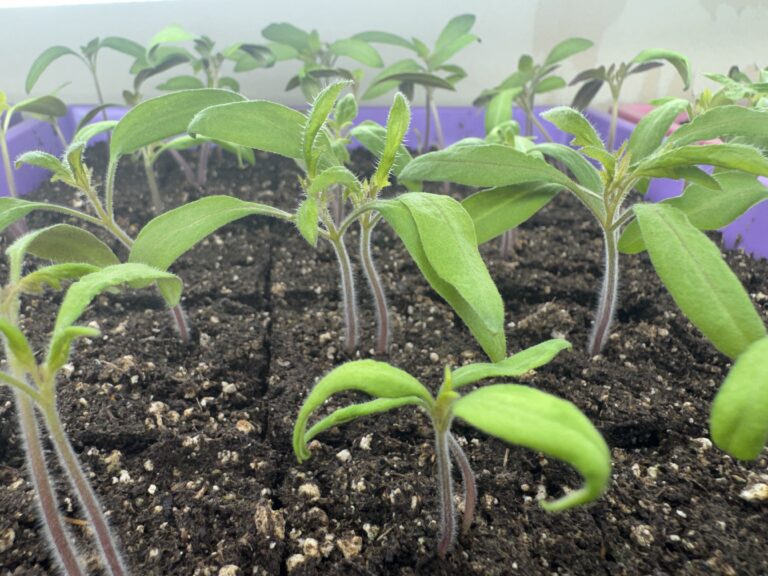
- Seedlings have at least 2–3 sets of true leaves and sturdy stems
If you’re growing warm-season crops like tomatoes or peppers, you need to wait a little longer. Peppers need night time temps above 50ºF (10ºC) and soil temperatures of at least 60ºF (15.5ºC). These plants hate cold weather.
If you’re unsure about timing, When Is It Safe to Plant After Last Frost? is a great resource on when to plant seedlings outside.
Step-by-Step How to Harden Off Seedlings
Days 1–2: Gentle Introduction
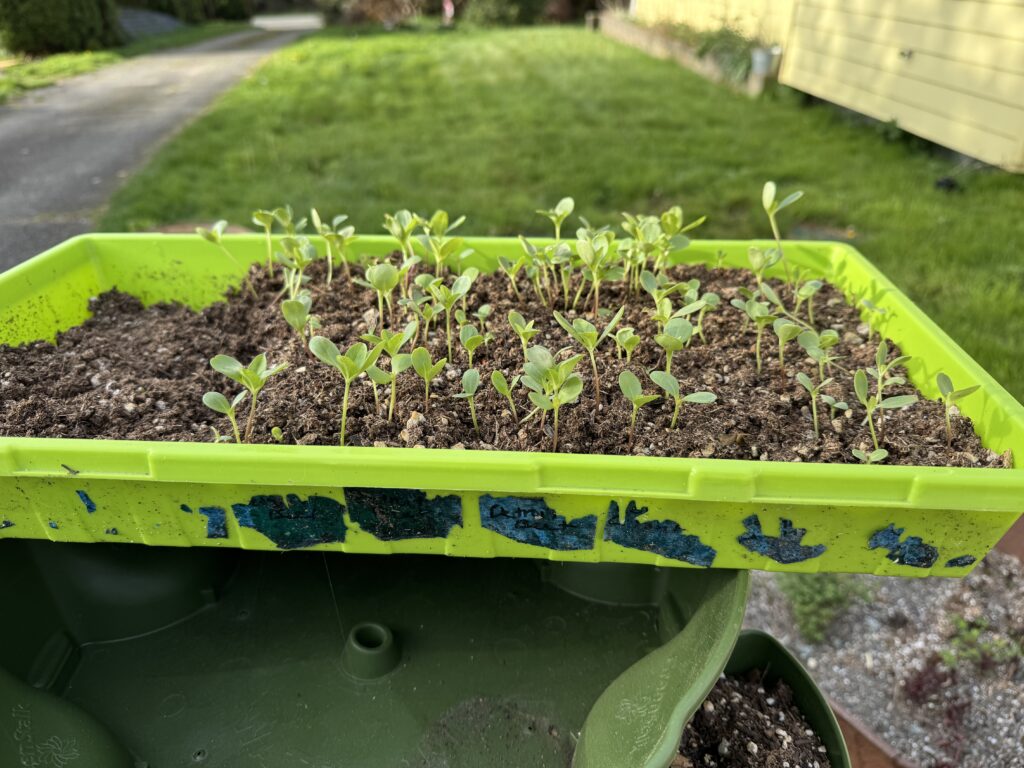
Place seedlings outdoors in a shaded, sheltered spot for half a day. Think dappled light under a tree or beside a wall.
- Avoid direct sun
- Protect from wind
- Bring them back inside afterward
This is their gentle introduction to the outside world. You don’t want to completely overwhelm them right away. Some say to only set them out for 1-2 hours, but I find that’s not really reasonable for busy lives. I do half a day, or about 4-5 hours, to start. So far it’s worked well for me.
Days 3–5: Increasing Exposure
Now stretch their time outside for most of the day. I like to set them out before I go to work and bring them inside in the evening.
- Introduce a bit of morning sun
- Keep afternoon shade
- Watch leaves closely for stress
Your plants will start to acclimate their leaves to sunlight during these days. They still need some protection, but not as much as when they first experience the outdoors.
Days 6–8: Strength Building Phase
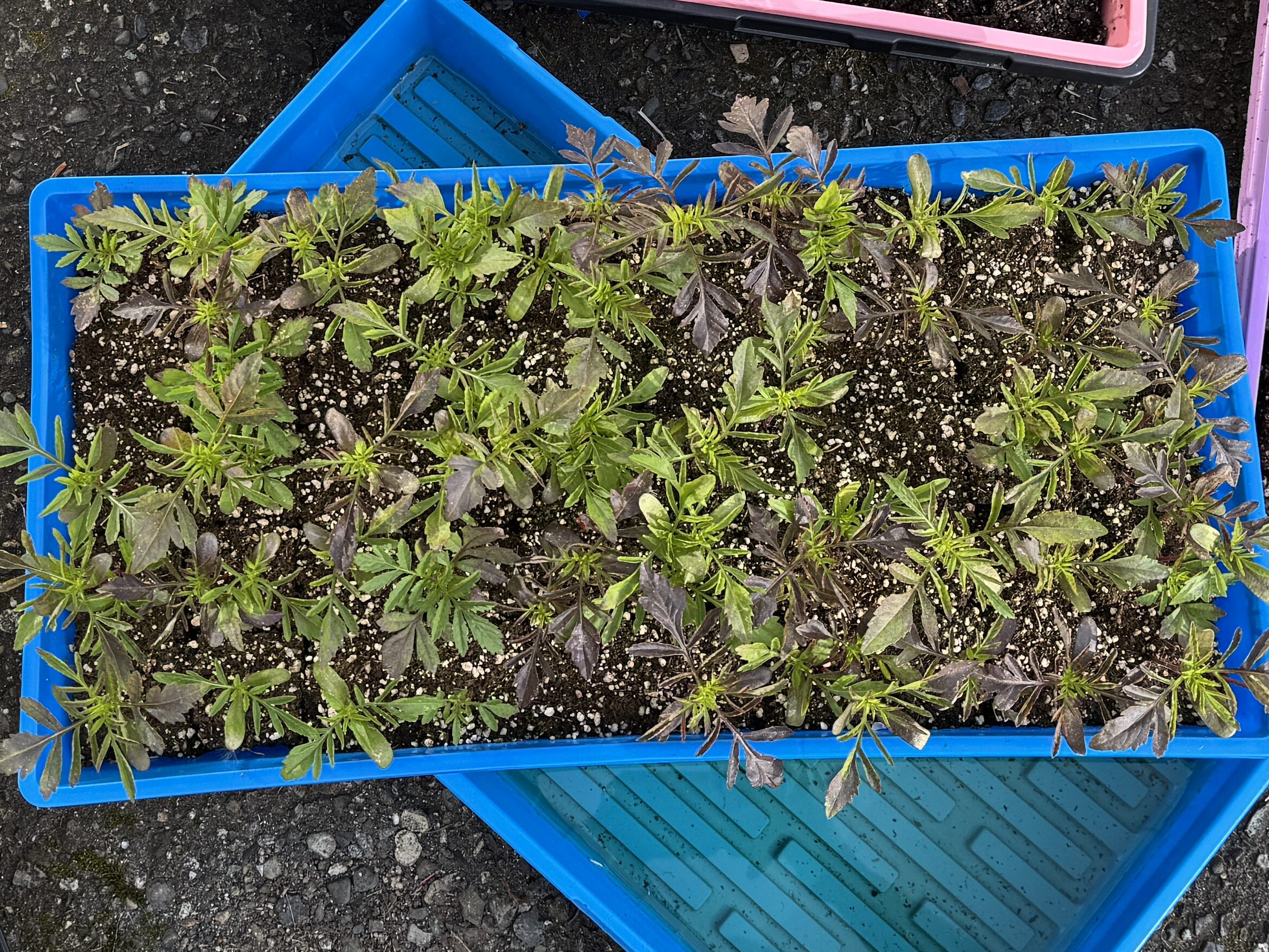
Keep seedlings outside for most of the day. During this time I put them out when I wake up and bring them in before I go to bed.
- Increase sun exposure gradually
- Reduce shade coverage step by step
- Begin introducing mild wind exposure
At this stage, they’re acclimating their stems to be prepared for the wind and rain they’ll experience outside.
Days 9–14: Full Outdoor Living Prep
Keep putting your seedlings out in the morning. If they’re tolerating everything well and you have warmer nights (45-50º F for most plants) or are mostly above freezing for cool weather plants, you can start leaving them out all night.
- Full sun exposure (if appropriate for the plant)
- Mild overnight exposure if temperatures are safe
- Stronger wind tolerance
I like to do this for a few days before planting to make sure they’re doing okay. It’s easier to back up a step at this stage than it is to plant straight away and find out that the plants weren’t quite ready.
If you’re working with containers, the hardening off process is the same. Proven High Yield Container Gardening Tips for Small Spaces will give you even more tips on successful container gardening after your plants are hardened off.
Best Conditions to Harden Off Seedlings
There are some weather conditions to consider when you plan to harden off plants. It’s best to shoot for ideal conditions, but we don’t live in an ideal world. Do the best you can and know that you may have to provide some shelter for your seedlings if the weather turns on you.
Ideal conditions:
- Temperatures between 50–75°F
- Light breeze (not strong wind)
- Cloudy or partly cloudy days for early stages
Avoid:
- Cold snaps
- Strong midday sun during early hardening
- Heavy wind storms
If the weather turns dramatic, it’s completely fine to pause. If you have a big wind storm, bring your seedlings in and try again the next day. They’ll be better off being delayed by a day rather than destroyed by strong wind.
Common Mistakes That Hurt Seedlings
Even experienced gardeners can make mistakes rushing this process.
1. Skipping the process entirely
This is the fastest way to sunburn tender leaves. If you get a strong wind or rain storm and your plants aren’t acclimated to it, you risk them snapping. Then you’ve lost all that hard work and have to start over.
2. Full sun on day one
This will burn the leaves of your seedlings. They’re not used to the intensity of the sun and can’t handle it immediately. This will fry your plants.
3. Forgetting about wind
Wind can dry out your plants and bend, or snap, the stems. A light breeze is okay, hopefully your plants got to experience that with a small fan inside. But anything stronger than a light breeze and you risk your plants not being strong enough to handle it.
4. Underwatering during transition
Outdoor conditions dry soil faster than indoor setups. Check the soil moisture every day. If you can water before the plants go out, that’s the best. If you don’t have the time, that’s okay. Make sure to water in the evening when you bring the seedlings in if the soil feels dry. It’ll likely still be moist the next day when you set them back out.
Avoiding these mistakes can be the difference between thriving plants and a tray of disappointment. For more details on the transplanting process read How To Transplant Seedlings Without Losing Your Plants.
Special Care: Tomatoes, Peppers, and Tender Crops
Warm-season crops need a little extra attention when you are hardening them off.
Tomatoes
Tomatoes can stretch quickly indoors, but they still need a slow introduction outdoors. Bright sun too early can cause bleaching. They also need a bit more warmth before you can begin hardening them off. All danger of frost has to have passed and you need night time temperatures above 45ºF (7.5ºC). Tomatoes do not like to be cold.
Peppers and Eggplant
These are even more sensitive. They prefer warmer nights (above 50ºF, 10ºC) and may need even slower transitions.
A good rule of thumb: if you’re still wearing a jacket outside, your peppers probably want one too. Peppers are a plant that originated from the warmer climates around the equator. They cannot tolerate cold or they will become stunted and your harvest will be impacted.
For more detailed tomato-focused growing success, you might enjoy my post on How to Grow Tomatoes in Small Spaces, especially if you’re planning a compact, high-yield garden.
How Long to Harden Off Seedlings Before Planting
Most seedlings need about 7–14 days total.
You’ll know they’re ready when:
- Leaves stay firm and green after full sun exposure – if they get white spots that’s sunscald
- No wilting during daytime heat
- Stems feel sturdy, not floppy
- Growth continues steadily and is not stalled
Hardening off is much easier that it may seem, it just takes some patience to acclimate indoor seedlings to outdoor conditions.
Troubleshooting: When Seedlings Struggle
Sometimes things don’t go perfectly.
Wilting during the day
Move them into shade and reduce sun exposure time for a couple days.
White or scorched patches
That’s sun stress. Take a step back and put the plant in partial shade immediately.
Slow recovery
Check soil moisture and reduce wind exposure for a few days.
Plants are surprisingly resilient. A small setback doesn’t mean you have to start over. It just means you might have to take a step or two back and slow things down a bit.
Frequently Asked Questions: How to Harden Off Seedlings
Q: How do you harden off seedlings for the first time?
A: Start slow and gentle. On day one, place seedlings outside in a shaded, protected spot for about 4 hours. Avoid direct sun and strong wind. Each day after that, gradually increase both the time outside and the amount of sunlight exposure so the plants can adjust without stress.
Q: When should I start hardening off seedlings?
A: Begin the process about 7–14 days before you plan to transplant them into the garden. The best timing is after your last frost date has mostly passed and daytime temperatures are consistently mild. If nights are still cold, keep seedlings indoors overnight.
Q: How long does it take to harden off seedlings completely?
A: Most seedlings need about 1–2 weeks to fully adjust. Fast growers in stable weather may be ready sooner, but tender plants or unpredictable weather can stretch the timeline. The goal is steady adaptation, not speed.
Q: Can I skip hardening off seedlings if the weather is warm?
A: It’s tempting, but skipping this step is not advised. Even warm days can bring strong sun, wind, and temperature swings that indoor-grown plants aren’t ready for. Without acclimation, seedlings can suffer sunscald, wilting, or transplant shock.
Q: Do seedlings need shade when first moved outside?
A: Yes. Early on, seedlings should stay in partial or full shade. Direct sun right away can damage leaves because indoor-grown plants haven’t developed the protective layers needed for intense light. Gradually introduce morning sun over several days.
Q: What temperature is safe for hardening off seedlings?
A: Most seedlings do best when daytime temperatures stay above 50–60°F, depending on the crop. Warm-season plants like peppers and tomatoes prefer even warmer conditions. If it dips too cold or windy, bring them back inside or delay exposure.
Q: Why are my seedlings wilting after going outside?
A: Wilting is usually a sign of transplant or sun shock. It can happen if seedlings are exposed to too much sun, wind, or heat too quickly. Move them back into shade, reduce outdoor time for a few days, and reintroduce conditions more gradually.
Q: How do I know when seedlings are ready to plant in the garden?
A: Seedlings are ready when they can handle full sun for a full day without wilting, leaves stay firm, and growth continues steadily. Stems should feel strong and supported, not floppy or stretched. At that point, they’re officially garden-ready.
Q: Do I need to bring seedlings inside every night?
A: At the beginning, yes. During the first few days, it’s best to bring them in overnight to protect them from temperature drops. As they toughen up and nights stay consistently warm, they can start staying outside full time.
Q: What happens if I rush the hardening off process?
A: Rushing often leads to stressed plants, scorched leaves, slowed growth, or even plant loss. Seedlings may survive, but they’ll spend valuable time recovering instead of growing. A slower transition almost always leads to stronger harvests later in the season.