The Best Cut-and-Come-Again Vegetables for Small Gardens
When you garden in a small space, productivity matters. Whether you are growing in raised beds, containers, or a compact backyard plot, you need crops that justify the space they occupy. Cut-and-come-again vegetables for small gardens are the perfect solution for maximizing yields. They are some of the most efficient plants you can grow because they allow you to harvest multiple times from a single planting. This method stretches your harvest window, increases total yield per square foot, and reduces the need for constant replanting.
For gardeners who want to grow more food in less space, this approach makes practical sense.
*As an Amazon Associate I may earn from qualifying purchases at no cost to you.
What Does Cut-and-Come-Again Mean?
Cut-and-come-again vegetables are crops that regrow after a partial harvest. This means you take a little of the plant to use and leave the rest of it so the plant continues to grow. Most of them are leafy greens, although a lot of herbs and some root crops grown for their greens also fall into this category.
In many leafy crops, the central crown (where leaf growth originates from) remains intact when outer leaves are removed. As long as that growing point is not damaged, the plant continues producing new foliage.
When you harvest thoughtfully, the plant continues producing energy. That stored energy supports new leaf formation. If too much foliage is removed, regrowth slows because the plant lacks enough leaves to produce the energy needed to recover quickly.
Understanding how to harvest leafy greens without killing the plant is the key to success with this method.
Why Cut-and-Come-Again Crops Work So Well in Small Gardens
Small garden spaces benefit from crops that are efficient, productive, and adaptable. Cut-and-come-again vegetables for small gardens offer several advantages for gardeners who only have a small bed or garden on a patio.
They maximize yield per square foot.
One planting can produce food for weeks or even months if the environmental conditions are right. This reduces empty space between crop cycles and gives you food longer without planting more.
They reduce the need for aggressive succession planting for small gardens.
While succession sowing is still useful for maintaining continuous harvests, each plant already contributes multiple harvests before it needs to be replaced. This reduces the space needed for succession planting.
They perform well in raised beds and containers.
Many leafy greens have relatively shallow root systems. This makes them well suited to container gardening and compact beds. These are plants pretty much anyone can grow no matter where you are or what your space looks like. They’ll even grow in a sunny window if that’s all you have.
They extend the harvest season.
By harvesting lightly and consistently, you encourage plants to remain in a state of growth longer. This delays flowering and/or bolting so you can harvest from the plant for longer periods of time.
If you are planning spring planting, reviewing my post on When Is It Safe to Plant After Last Frost can help you time cool-season greens for maximum productivity.
Best Cut-and-Come-Again Vegetables for Small Gardens
Leaf Lettuce
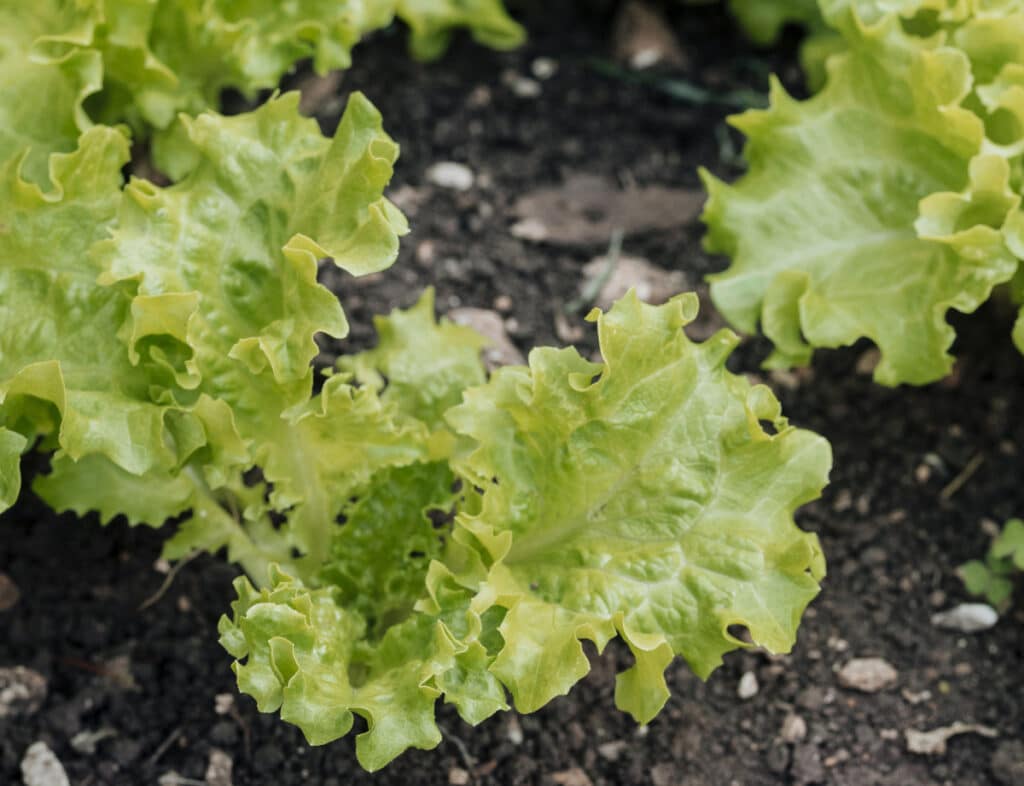
Leaf lettuce is often considered the standard for cut-and-come-again vegetables. Unlike head lettuce, it forms loose leaves rather than a tight central head. That structure makes repeated harvesting very easy.
If you are wondering how to grow cut and come again lettuce, start by choosing loose-leaf or romaine types instead of crisphead varieties. Sow seeds densely in rows or blocks. Once leaves reach 4 to 6 inches tall, begin harvesting the outer leaves of each plant.
Remove individual leaves from the outside of the plant, leaving the center intact. You can typically harvest at least every 7 to 10 days in cool weather. Most plantings provide three to five harvests before quality declines.
You can get away with planting leaf lettuce very densely because you are harvesting frequently. Harvesting is done at the “baby” lettuce stage. This just means that the lettuce leaves are not full grown. You are not allowing the plants to mature before harvesting, so they do not need the space of one that would be allowed to fully mature.
Consistent moisture is essential. Lettuce that experiences water stress may bolt prematurely, which reduces leaf production and makes the flavor bitter.
Spinach
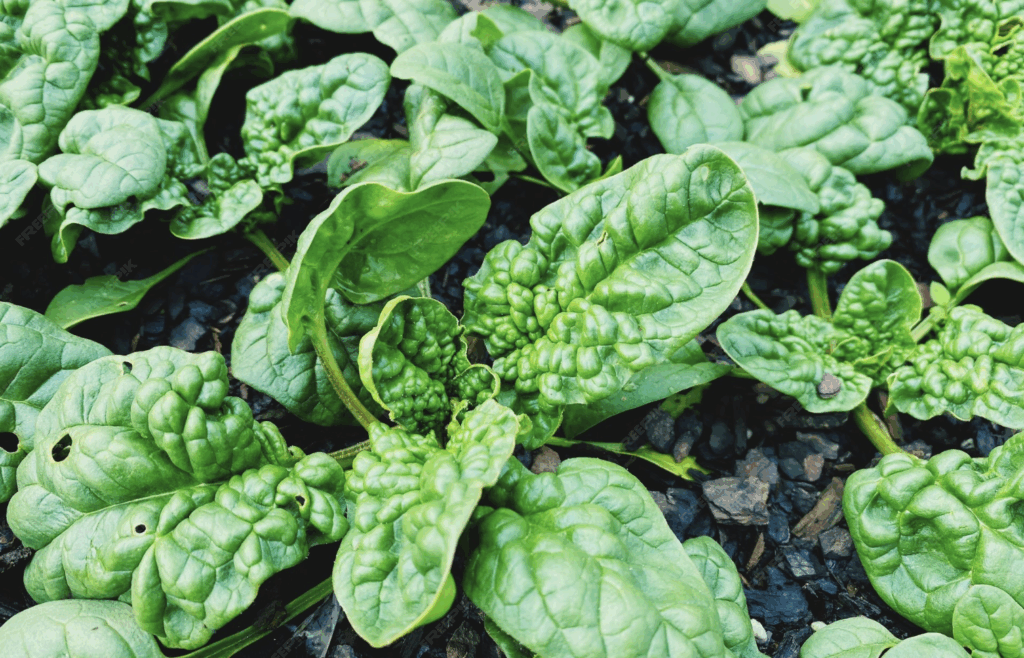
Spinach is another reliable continuous harvest vegetable for small spaces. It grows quickly and produces tender leaves that are well suited for repeated picking.
You can seed spinach densely, just like lettuce, and for the same reason.
Harvest outer leaves when they are large enough to use. Avoid removing more than one third of the plant at a time. This protects the growing point and ensures the plant maintains enough foliage to continue growing.
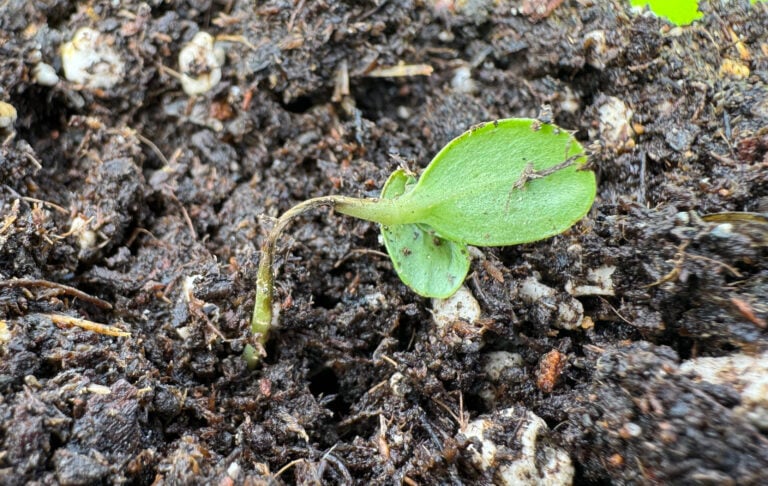
Spinach prefers cool temperatures. Once daytime temperatures are consistently warm, bolting becomes more likely. To reduce early losses, ensure seedlings are healthy from the start. If you have experienced seedlings collapsing in the past, my post on What to Do About Dampening Off addresses prevention strategies that apply well to spinach.
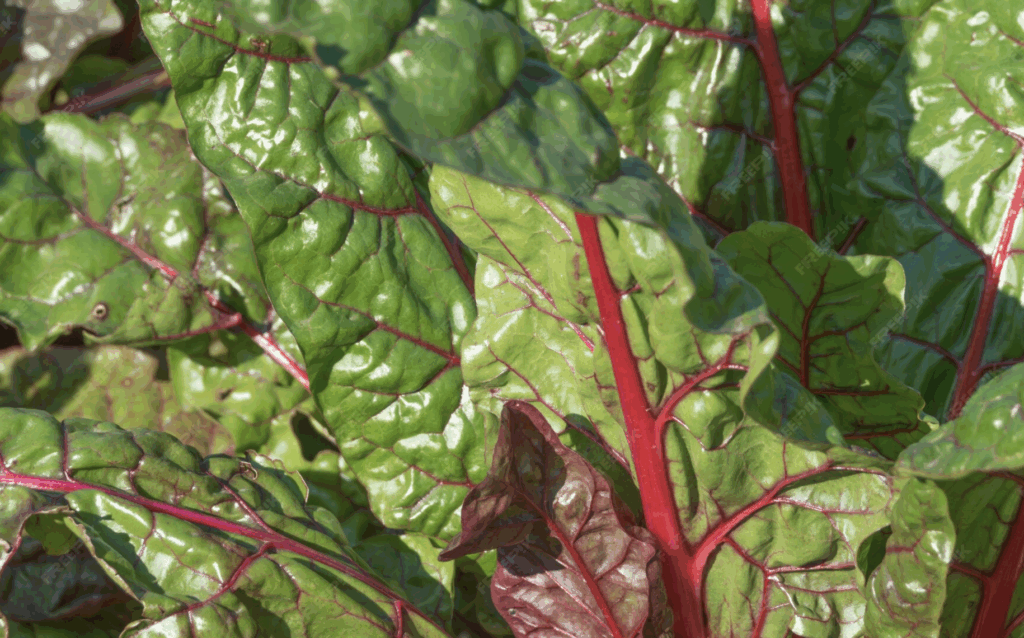
Swiss Chard
Swiss chard is one of the most durable leafy greens that regrow after cutting. It tolerates a wider temperature range than lettuce or spinach and can remain productive for several months.
Harvest by cutting outer stalks close to the base while leaving the central leaves untouched. The plant will continue producing new leaves from the crown.
Because chard grows larger than many other greens, spacing is going to be important. Your seed packet will tell you the ideal spacing for the plant. This allows enough room for airflow. If you want a deeper explanation of why spacing matters in dense plantings, my post on Why Airflow Is Important for Healthy Plants explains how circulation affects disease pressure and overall plant health.
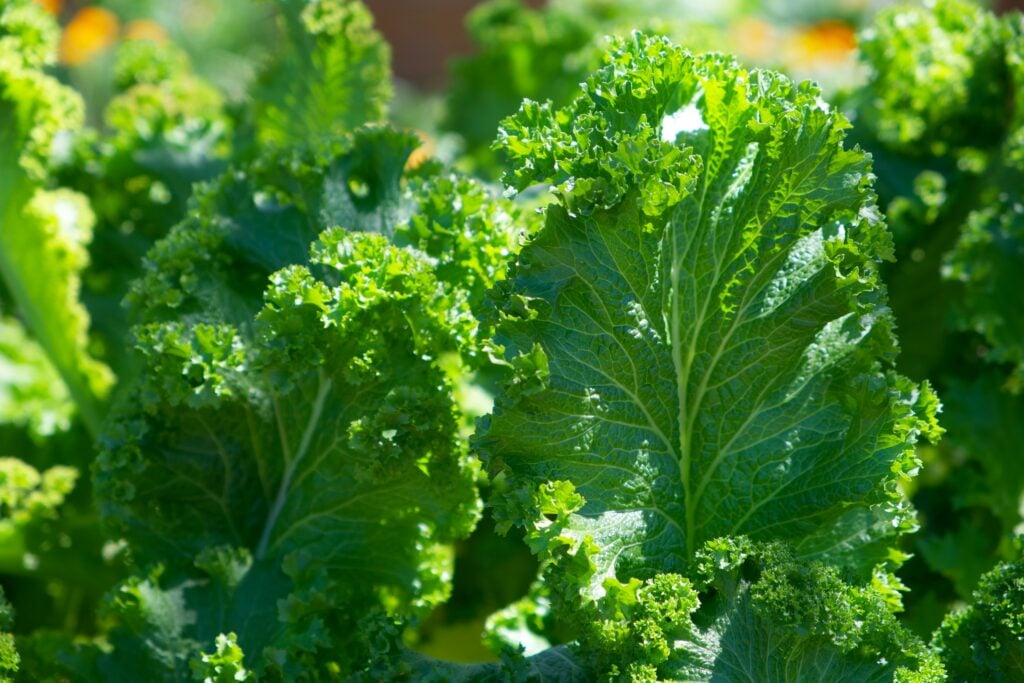
Kale
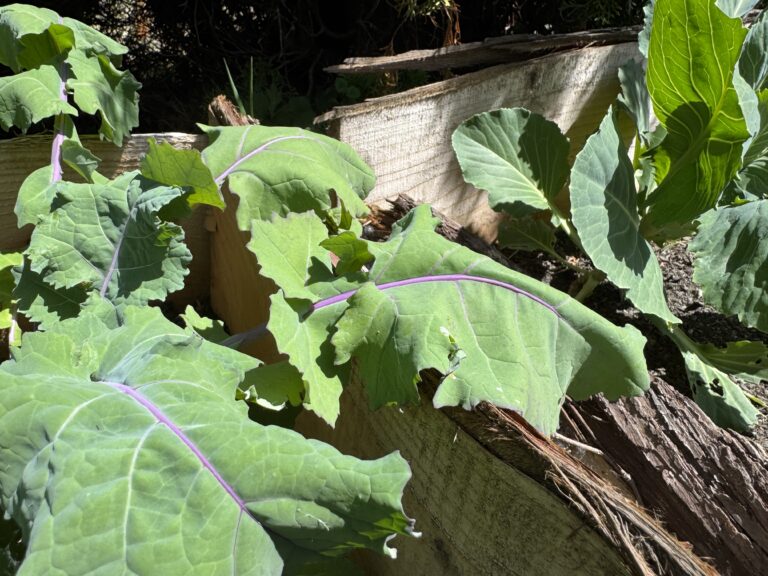
Kale responds well to repeated harvesting and is highly productive in small garden systems. You will want to lightly follow spacing recommendations for the kale you plant. You can plant it a little denser that the packet says, but not like lettuce or spinach.
Begin harvesting once leaves reach usable size. Remove the lowest leaves first and continue working upward over time. Always leave the top growth intact, since this is where new leaves develop.
Regular harvesting encourages steady production. Kale can often produce well into cool fall weather if planted early and not over harvested.
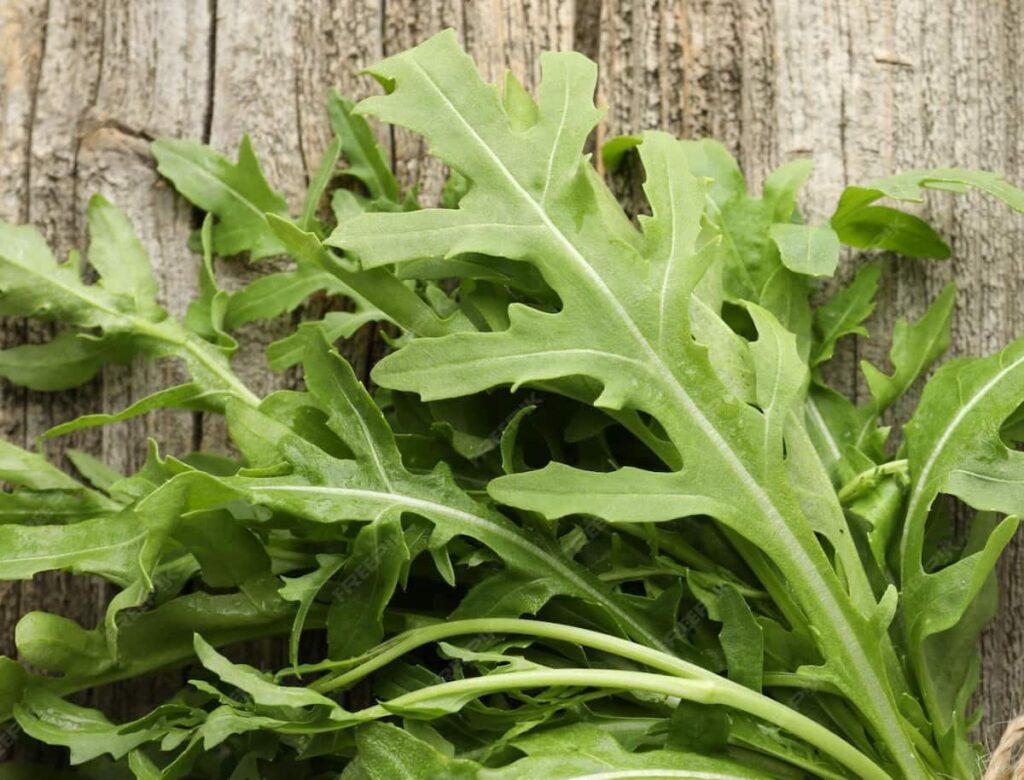
Arugula
Arugula grows quickly and is ideal for succession planting in small gardens. It can be harvested in two ways.
You can pick individual leaves from larger plants, or you can shear an entire planting about one inch above the soil line. If cut above the growing point, the plants will regrow rapidly in cool conditions.
Arugula tends to bolt in warm weather. For best results, plant early in spring and again in fall.
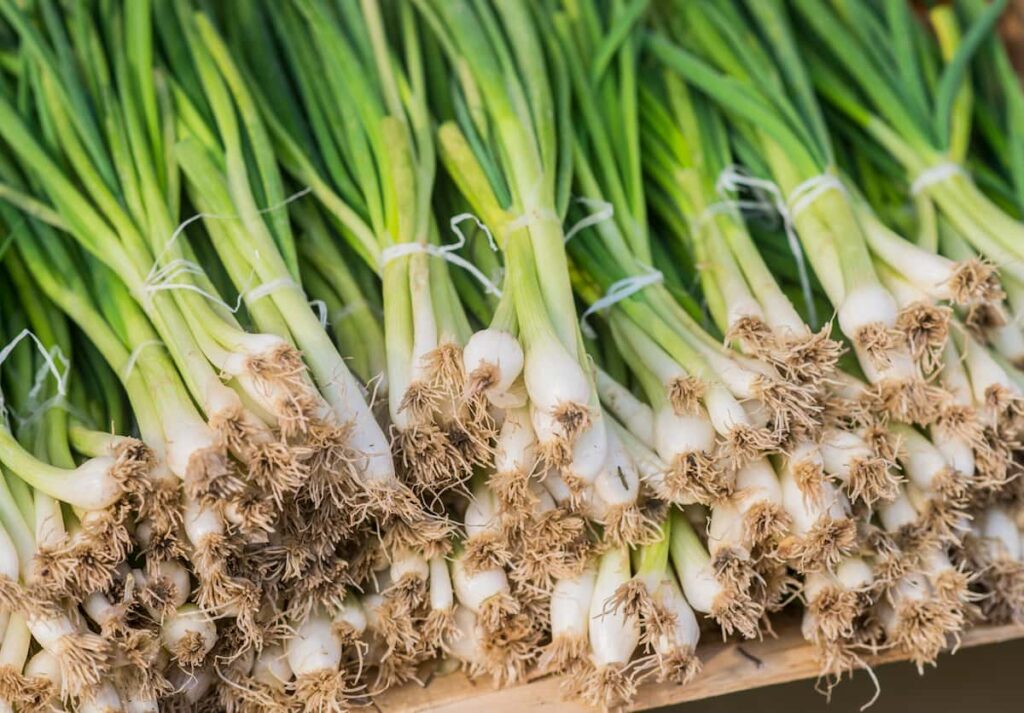
Green Onions
Green onions, also called scallions or spring onions, are well suited for tight spaces and edge plantings. You can basically stash them anywhere you have an inch of space and they’ll do quite well.
Harvest by trimming the green tops and allowing the white base and roots to remain in place. As long as the root system stays intact, new leaves will continue to form.
This makes green onions one of the easiest vegetables you can harvest multiple times with almost no effort.
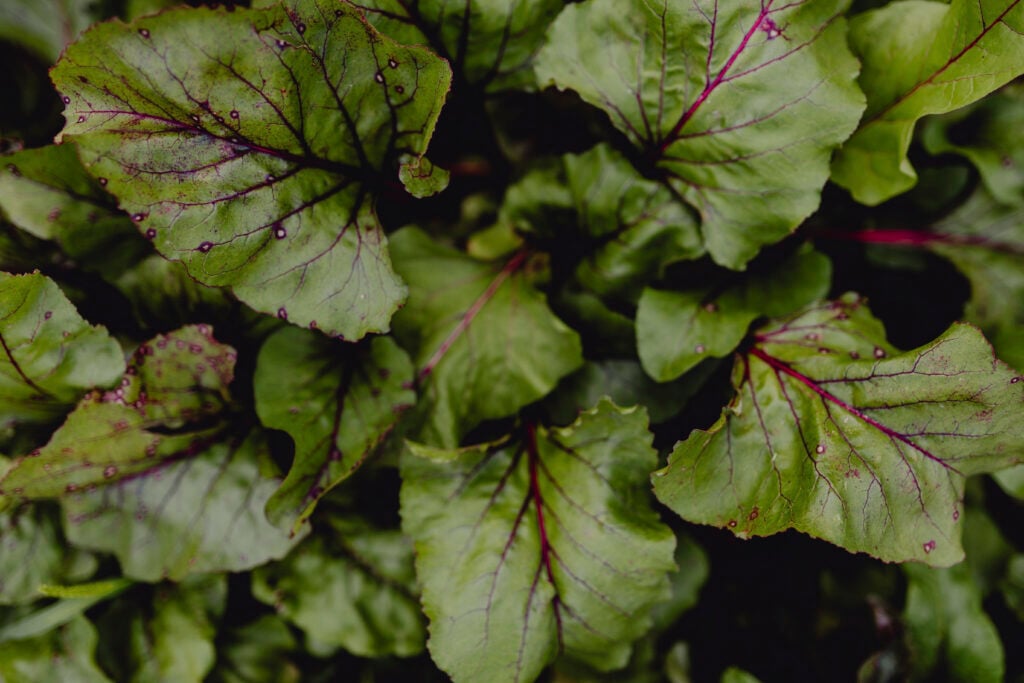
Beet Greens
Beets are commonly grown for their roots, but their greens are also excellent cut-and-come-again crops.
Harvest outer leaves sparingly while allowing the plant to continue developing its root. Avoid removing too many leaves at once, since the foliage supports root growth.
This dual-purpose approach allows you to harvest greens early and still collect the mature roots later.
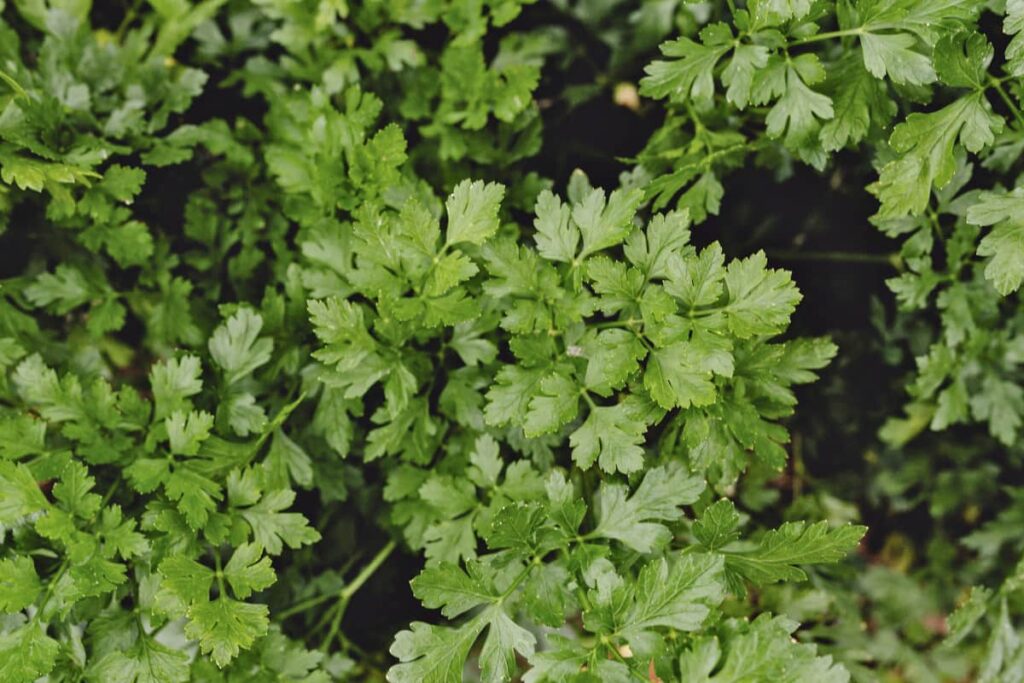
Herbs That Regrow
Many herbs function as cut-and-come-again crops. Cilantro and parsley are common examples. Basil is another.
Harvest the outer stems of parsley and cilantro first. Avoid cutting the entire plant to ground level unless you intend to replant. Doing so will cause the current plants to stop growing. Regular light harvesting encourages bushier growth. Parsley also has wonderful health benefits beyond making your food taste delicious. Read about The Health Benefits of Parsley to learn more.
For basil, cut the stem right above a growth node (where two leaves are growing further down on the stem). By cutting there and harvesting the top leaves, the plant will actually grow two new stems from that one growth node. The plant will get bushier as it regrows each time. Basil has wonderful medicinal properties just like parsley. Read all about the Medicinal Benefits of Basil.
Basil is a fun example of how harvesting 1 stem actually causes the plant to grow 2 more stems.
How to Harvest for Continuous Production
Proper harvesting technique determines how productive your plants remain.
- Harvest outer leaves first and leave the central growing point intact.
- Never remove more than one third of the plant at one time.
- Use clean scissors or garden snips for precise cuts and to avoid spreading disease.
- Harvest in the morning when leaves are fully hydrated.
- Water plants consistently, but without overwatering, after harvest to reduce stress.
Repeated harvesting works because plants respond to moderate leaf loss by producing new growth. Severe defoliation, however, can delay recovery and reduce overall yield.
Growing Tips to Maximize Regrowth
Maintain Soil Fertility
Leafy greens require steady nutrients, particularly nitrogen, to replace harvested foliage. Before planting, incorporate compost into the soil. During the growing season, consider light side-dressing with compost or a balanced organic fertilizer.
Nutrient deficiencies reduce regrowth speed and leaf quality.
Water Consistently
Inconsistent watering leads to stress. Stress is a big contributer of bolting in cool-season greens and herbs. Maintain evenly moist soil without waterlogging.
Containers dry out more quickly than in-ground beds. Monitor them closely to make sure they do not get too dry.
Provide Adequate Airflow
Dense planting is efficient, but overcrowding increases humidity around leaves. High humidity promotes fungal diseases.
Spacing plants properly and thinning when necessary improves air circulation and reduces disease risk. Harvesting densely planted greens regularly also helps improve air flow around the remaining leaves.
Monitor Temperature
Most cut-and-come-again vegetables are cool-season crops. Heat stresses the plant and tells it to being flowering and produce seeds. This reduces, and may even hault, leaf production.
Plant early in spring and again in late summer for fall harvests. Timing is critical. If you need guidance, revisit When Is It Safe to Plant After Last Frost to plan your planting windows accurately.
Designing a Small Garden Around Continuous Harvest
When designing a small garden that is focused on continuous harvest vegetables for small spaces, consider grouping similar crops together. This simplifies watering, harvesting, and is a more efficient use for your space.
Interplant fast-growing greens between slower crops. For example, lettuce can mature before larger warm-season plants do. By the time the lettuce is done producing, the warmer season crops are growing and starting to take over that space.
This means that there isn’t a single point in your growing season that your space isn’t being utilized. Less dead space equals a bigger harvest.
Use vertical supports like a climbing trellis for crops like tomatoes or cucumbers. This frees up ground space for leafy greens to grow below those plants. This further maximizes the efficient use of the space you have.
Rotate plantings throughout the season. Replace bolting spring greens with heat-tolerant crops. Then reintroduce cool-season greens in late summer as your warm season crops produce and begin to die back.
By planning intentionally, you can maintain steady harvests from early spring through fall without expanding your garden footprint.
Frequently Asked Questions About Cut-and-Come-Again Vegetables for Small Gardens
Q: What does cut-and-come-again mean in gardening?
A: Cut-and-come-again refers to a harvesting method where you remove only part of a plant, usually the outer leaves, while leaving the central growing point intact. The plant continues producing new leaves, allowing for multiple harvests from one planting.
Q: What are the best cut and come again vegetables for small gardens?
A: Leaf lettuce, spinach, Swiss chard, kale, arugula, green onions, beet greens, parsley, and cilantro are among the best options because they tolerate repeated harvesting.
Q: How many times can you harvest leafy greens?
A: Most leafy greens can be harvested three to five times, depending on temperature, soil fertility, and harvesting technique. You might be able to get more harvests from crops like swiss chard and kale that can grow through the summer heat.
Q: Do cut-and-come-again vegetables need fertilizer?
A: Yes. Because foliage is repeatedly removed and regrown, plants benefit from consistent nutrients, especially nitrogen, to support that regrowth.
Q: Can you grow cut-and-come-again vegetables in containers?
A: Absolutely. In fact these are great options for container gardening. All of these plants perform well in containers, even small containers, as long as the soil contains the nutrients the plants need and remains evenly moist.
Q: When should you stop harvesting and replant?
A: Once plants bolt, become bitter, and/or show declining regrowth, it is time to replace them. Planning succession planting for small gardens ensures new crops are ready when older ones finish. Succession planting every few weeks will keep you harvesting food longer.
Q: How do you harvest leafy greens without killing the plant?
A: Harvest outer leaves first and leave the center intact. Avoid removing more than one third of the plant at one time. Use clean scissors or snips to make precise cuts, and maintain consistent watering to support regrowth.
Q: Can you use the cut-and-come-again method with head lettuce?
A: Head lettuce varieties such as iceberg are not ideal for this method because they form a single tight head. Once harvested, the plant does not typically regrow. Loose-leaf and romaine types are better choices for repeated harvests.
Q: Do cut-and-come-again vegetables eventually stop producing?
A: Yes. Most leafy greens will eventually bolt, become bitter, or slow production due to heat or plant age. At that point, it is best to remove the plant and replant with a new crop through succession planting.
Q: Why did my lettuce not regrow after cutting?
A: Common reasons include cutting too low and damaging the growing point, removing too much foliage at once, heat stress, nutrient deficiencies, or inconsistent watering. Proper harvesting technique and steady care are essential for regrowth.
Q: What is the best fertilizer for cut-and-come-again greens?
A: Leafy greens benefit from nitrogen-rich amendments because nitrogen supports leaf production. Compost, fish emulsion, or a balanced organic vegetable fertilizer applied lightly during the growing season can improve regrowth.
Q: Is cut-and-come-again the same as succession planting?
A: No. Cut-and-come-again refers to harvesting multiple times from the same plant. Succession planting involves sowing new crops at intervals to ensure continuous harvest. Many small garden systems use both methods together for maximum productivity.