When Is It Safe to Plant After Last Frost? (Avoid These Costly Mistakes)
If you start your own seeds, you know that by the time Spring rolls around your seed starting shelf is starting to get a little crowded. The weather outside is bouncing between being awfully nice, and cold and wet. It’s tempting to start kicking your seedlings out on those nice days. I’m tempted every year. But when is it safe to plant after last frost? The average air temperature does play a big role in deciding. So does soil temperature and other factors.
*As an Amazon Associate I may earn a commission from qualifying purchases at no cost to you.
What “Last Frost Date” Actually Means for Your Garden
Your average last frost date is just that — an average.
Historical weather data from your location is analyzed and a date is generated for the last day you are likely to see frost. This date It’s not a guarantee. It’s just an average built off previous years.
This is why planting strictly by the calendar can be risky.
If you do know know when your average last frost date is, you can find it via the Farmer’s Almanac website. Type in your zip code (if in the United States) and it will tell you what your date is. You can learn more about frost dates in the post Growing Seasons: A Beginner’s Guide to Successful Gardening.
It’s really important to know that date for your location. You will plan a lot around that date. However, your weather and garden may not completely cooperate.
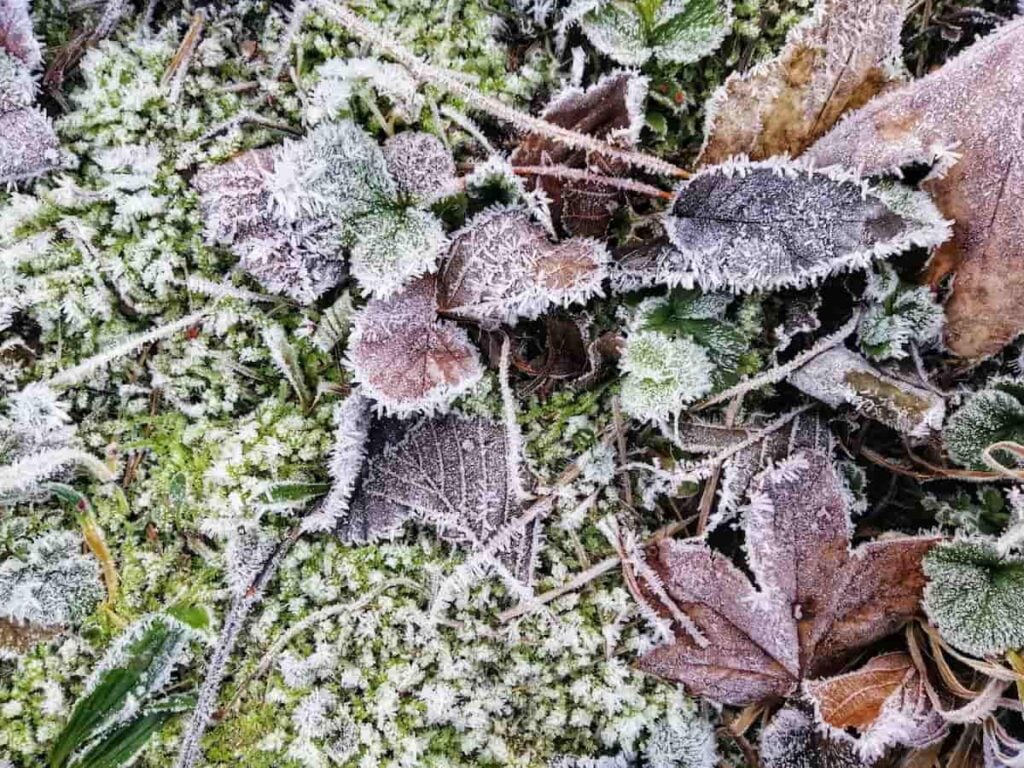
Low spots can collect cold air. Raised beds warm faster than in-ground gardens. South facing walls act like heat reflectors and warm soil faster. Microclimates matter more than people realize.
When It’s Actually Safe to Plant (Beyond the Frost Date)
If you want a simple rule, wait 7 to 14 days after your average last frost date before planting warm-season crops. Real life isn’t that simple, though.
Experienced gardeners also watch for these signs frost danger is over:
- Nighttime temperatures consistently above 45°F (50°F for peppers)
- Soil is no longer cold and soggy
- Soil temperature is at least 60°F
I live in Western Washington and my last frost date for 2026 is April 26th. However, I never plant tomatoes before Mother’s Day, 3 weeks later. The weather here is too unpredictable. And peppers, melons, and squash get planted the beginning of June. That’s a whole 4-5 weeks later.
I’ve learned to read the climate in my area. That is generally the time the air and soil temperatures are right for these plants. If I went strictly by the last frost date, I’d have some very unhappy vegetables!
Safe Planting Temperatures for Vegetables
Air and soil temperatures are what you really want to pay attention to. Once you learn your last frost date, start watching the weather and check your soil temperature every few days to once a week. Begin about 2-3 weeks before the last frost date.
Once your temperatures hit the target you’re looking for, you know you can plant.
Here are general safe planting temperatures for vegetables:
Crops You Can Plant Before the Last Frost
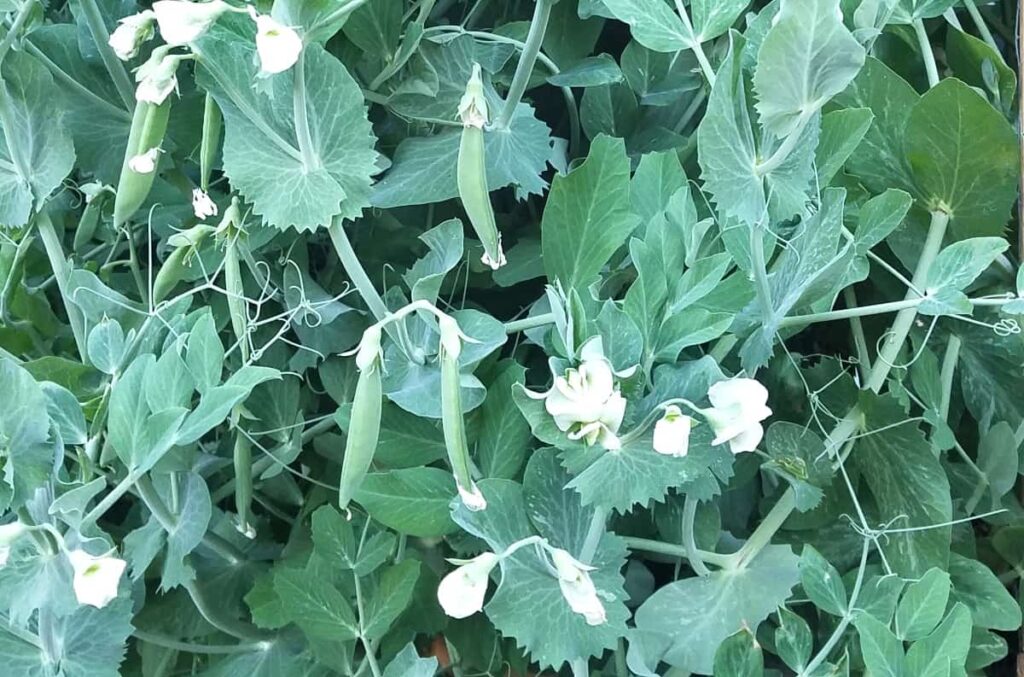
Safe soil temp: 40 to 50°F
- Spinach
- Kale
- Lettuce
- Peas
- Carrots
- Parsnips
- Kohlrabi
Crops to Plant Just After Last Frost
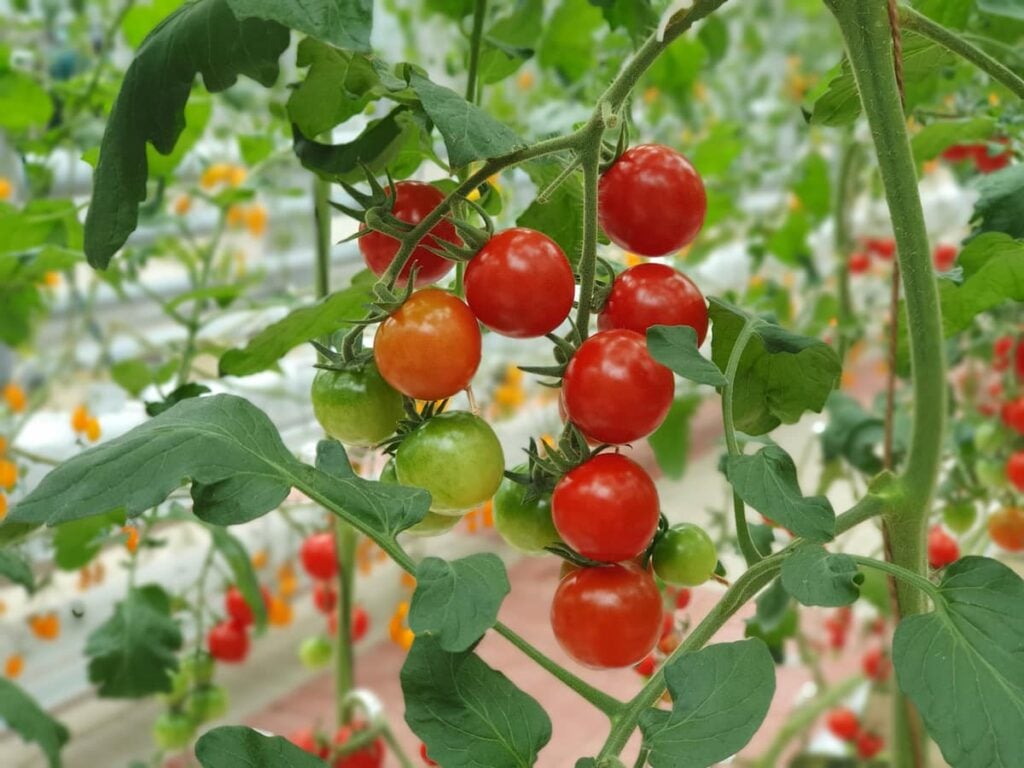
Safe soil temp: 60°F
- Beans
- Corn
- Cucumbers
- Tomatoes
- Most herbs
Crops You Should ALWAYS Wait to Plant
Safe soil temp: 65 to 70°F
- Peppers
- Squash
- Melons
- Basil
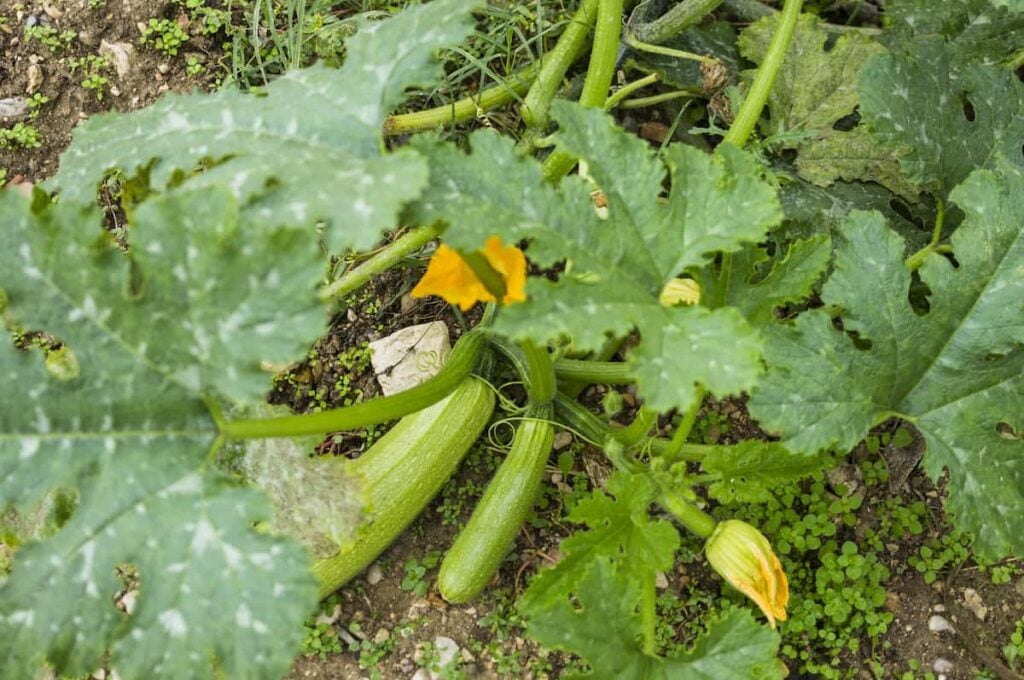
Soil Temperature for Planting Vegetables
The basic truth is that seeds care about soil temperature. They don’t care about a date on the calendar so use that as a guide only.
Cold soil slows germination and growth. Warm soil wakes seeds up and helps plants grow strong and healthy.
You can check soil temperature with an inexpensive kitchen or soil thermometer inserted 2 inches into the soil in the morning.
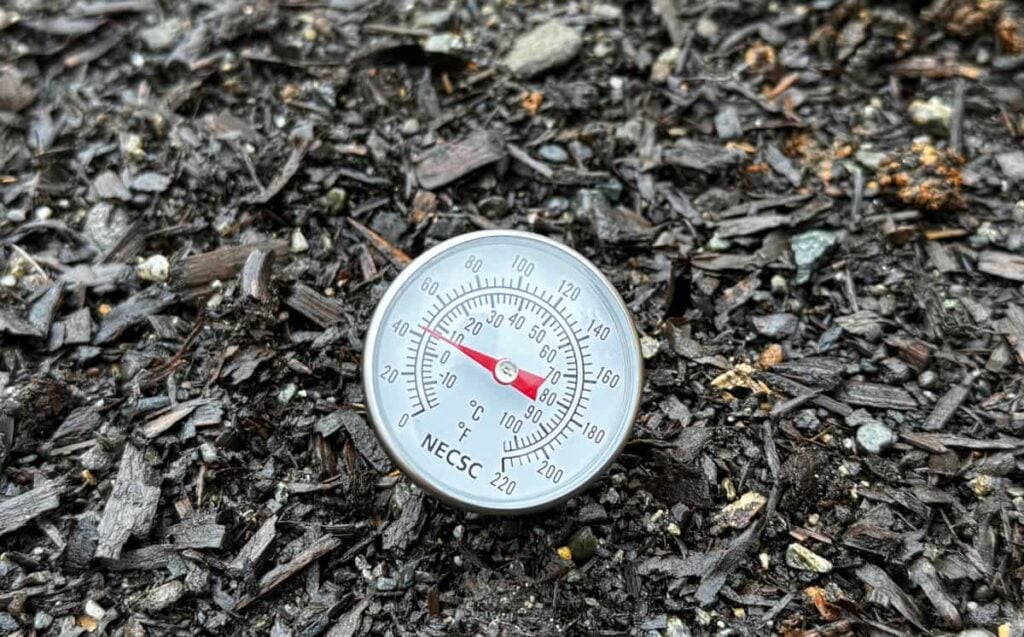
Always test in the morning, that’s when your soil will be the coolest.
If you want to warm soil faster:
- Remove mulch temporarily to let sun reach the soil
- Use black plastic for 1 to 2 weeks
- Plant in raised beds
- Improve soil health so it drains better
In fact, improving soil structure ahead of time makes a noticeable difference. If you are building fertility this season, my post on Practices That Damage Soil Biology & How To Rebuild walks through practical steps that help build soil that will heat and drain more efficiently.
The post How To Tell If Soil Is Ready To Plant In Spring goes into even more detail to determine if your soil is ready to plant in or not.
What to Plant After Last Frost
Once frost danger passes and the soil warms, you can safely plant:
- Tomatoes
- Peppers
- Zucchini
- Winter squash
- Bush beans
- Basil
- Melons
- Marigolds

If you started seedlings indoors, hardening off becomes critical right before you transplant your seedlings outside. Sudden full sun and wind exposure can stress plants quickly.
Learn more about the conditions peppers require to be happy outside in How To Grow Peppers In Containers For High-Yields. Even if you are not growing in containers, the same rules apply for transplanting peppers.
How to Protect Plants from Late Frosts
Even after your safe window, spring can throw a curveball. It’s happened to every gardener, you’re not alone. But if you plan ahead, you will be ready if this happens to you. You’ll be able to shrug it off as a temporary inconvenience.
To handle this situation, you’ll need to have some frost protection on hand. Late frost protection for plants can save your plants, and your harvest.
Options include:
- Floating row covers
- Old bed sheets overnight
- Upside down buckets for small plants
- Garbage bags placed over plants
- Watering soil before sunset to retain warmth
- Moving containers into a garage
If plants still look stressed afterward, refer to my guide on How to Tell If Your Plants Are Stressed so you can quickly assess any plant damage and what you can do to help them recover.
Hardening Off Seedlings After Frost
Hardening off is the gradual introduction of indoor seedlings to outdoor conditions.
Start with:
Day 1: 1-4 hours outside in shade
Day 2: 4-6 hours in shade
Day 3: all day in shade
Then start moving them into the sun, or to a place that will put them in sun for part of the day. Increase the amount of sun daily.
After 7 to 10 days, they are ready to transplant. My post How to Tell If Seedlings Are Ready to Transplant talks about what to look for in seedlings to know if they’re ready to transplant.
Without this step, leaves can scorch and stems weaken. In my post on How To Transplant Seedlings Without Losing Your Plants, I go into more depth on how to harden off your transplants for maximum success.
If you have ever dealt with dampening off earlier in the season, you already know how fragile young plants can be. Healthy seedlings plus proper hardening off equals a much smoother transition.
This foundation makes transplant shock much less dramatic. My post Why Do Some Plants Transplant Easily While Others Struggle? Goes into even more detail on transplant shock and the importance of root structure.
Common Mistakes to Avoid After Your Last Frost Date
There’s a moment every spring where it feels like the time has finally arrived. The frost date has passed, the sun shines more often than not, and it’s tempting to plant everything all at once.
This is where many gardeners go wrong.
Trusting the date too much
Your last frost date is an average, not a promise. Some years follow the pattern perfectly. Others do not. If you plant tender vegetables the day your frost date passes, you are gambling with unpredictable weather. A better approach is to treat the date as a starting point, not the green light to go full speed ahead.
Planting everything at once
It is tempting to fill every bed in a single weekend, but plants do not all thrive under the same conditions. Cool-season crops like lettuce and peas are ready earlier, while tomatoes and peppers need warmer soil and nighttime temperatures. Planting everything at once often leads to uneven growth and losses that could have been avoided.
Ignoring soil temperature
This is one of the most common mistakes and one of the most costly. When I was starting out I didn’t realize it’s importance, but I do now! Seeds and roots respond to soil warmth, not just air temperature. You might have a warm afternoon, but if the soil is still cold, seeds can rot and transplants can stall. If you shock your peppers too much with cold soil they will hate you all summer. Checking your soil temperature before planting gives you a much clearer signal than the calendar will.
Avoiding these mistakes does not require you to be a perfect gardener. It just requires slowing down long enough that you pay attention to the details.
A Simple Planting Timeline You Can Follow
If you’re a planner and prefer an easy to follow guide, this timeline will help you move through the planting season with confidence.
2–4 Weeks Before Your Last Frost Date
This is your preparation window.
- Start seeds indoors for warm-season crops like tomatoes and peppers
- Direct sow hardy vegetables like spinach, kale, and peas
- Begin preparing your garden beds by loosening soil and improving drainage
- Check that your soil is workable and not overly wet
This early effort sets the stage for everything that follows.
At Your Last Frost Date
This is your transition point.
- Continue planting cool-season vegetables
- Begin hardening off seedlings in the “Just After Last Frost” category above
- Watch nighttime temperatures closely
- Start checking soil temperature regularly
Think of this phase as easing your plants into the outdoors so they’re not shocked at the change in scenery.
1–2 Weeks After Your Last Frost Date
Now the garden really starts to liven up.
- Transplant warm-season crops like tomatoes, peppers, and squash, as long as the soil temperature and nighttime temperatures meet the plant’s needs
- Direct sow beans, cucumbers, and corn
- Plant flowers that prefer warmer conditions
- Keep frost protection materials nearby just in case
By this point, soil temperatures are rising and the risk of frost is much lower, giving your plants a stronger, more reliable start.
Frequently Asked Questions On When Is It Safe To Plant After Last Frost
Q: Can I plant on my last frost date?
A: Technically, yes you can. Practically, it really depends.
Your average last frostdate means there is still about a 50 percent chance frost could occur. If you plant tender crops like tomatoes or peppers on that exact date, you are taking a big chance on the weather.
For safer results:
- Plant cool-season crops on or before your last frost date
- Wait 2-3 weeks after for warm-season vegetables
- Watch nighttime lows and soil temperature
If overnight temperatures are still dipping below 45°F, it’ll be best to wait.
Q: How long after last frost is it safe to plant tomatoes?
A: Tomatoes prefer:
- Night temperatures consistently above 45°F
- Soil temperatures at least 60°F
Most gardeners wait 2-3 weeks after the last frost date before transplanting tomatoes outdoors. But go by temperatures, not time.
If you rush this step, growth stalls. The plants do not usually die, but it takes a while for them to perk back up and start growing again.
Q: What temperature will damage vegetable plants?
A: It depends on the crop.
- 32°F: Light frost – damage begins for tender plants
- 28°F: Severe frost – damage is likely
- Below 25°F: Very hard frost – Most warm-season, and some cold-season, vegetables will not survive
Cool-season crops like kale and spinach can tolerate light frost. Tomatoes, peppers, cucumbers, and squash cannot.
If a surprise cold snap appears, cover plants in the evening before temperatures drop.
Q: Is soil temperature more important than air temperature?
A: Yes, especially for seeds.
Seeds germinate based on soil temperature, not air temperature.
For example:
- Lettuce germinates at 40 to 50°F soil
- Beans need 60°F soil
- Peppers need 70°F soil
Cold soil slows germination and can cause seeds to rot.
Q: What vegetables can I plant before the last frost?
A: Several crops actually prefer cool weather and light frost.
A few are:
- Peas
- Spinach
- Kale
- Lettuce
- Carrots/Parsnips
- Radishes/Beets/Turnips
- Broccoli/Cauliflower/Cabbage
Some of these crops actually taste sweeter after a light frost.
Planting them early extends your growing season and reduces pest pressure later in summer.
Q: How do I protect plants from a late frost?
A: If frost is predicted, you can protect plants by:
- Covering with floating row covers
- Using old sheets or blankets overnight
- Placing buckets or containers over small plants
- Watering soil before sunset to help retain heat
Remove coverings in the morning once temperatures rise.
Q: How do I know when frost danger is over?
A: Look for these signs:
- Nighttime temperatures consistently above 45 to 50°F
- Trees are fully leafed out
- Warm soil that crumbles instead of clumps
- No frost in the forecast for 10 days
Your local climate patterns will teach you more each season. Keep notes in a garden journal to refine your timing year after year.
Q: What happens if I plant too early after last frost?
A: Planting too early can cause:
- Stunted growth
- Yellowing leaves
- Root stress
- Delayed harvest
- In severe cases, plant death
Even if plants survive, early cold exposure can slow them down enough that later-planted crops catch up and surpass them.
Sometimes patience results in earlier harvests.