Poor Pollination in the Vegetable Garden: Causes, Signs, and Easy Fixes
There are few things more frustrating than walking through your garden and seeing plants covered in beautiful flowers…only to harvest almost nothing. Poor pollination in the vegetable garden creates a lot of disappointment.
Your squash blooms shrivel and fall off. Cucumbers produce dozens of flowers but no fruit. Melons seem healthy yet never grow. Tomatoes bloom endlessly without setting many tomatoes.
Many gardeners immediately assume they need more fertilizer or that a disease is attacking their plants. In reality, poor pollination is one of the most common causes of disappointing harvests, especially in home vegetable gardens. The good news is that most pollination problems are surprisingly easy to solve once you understand what’s happening.
In this guide, you’ll learn why poor pollination happens, how to recognize the symptoms, and the best ways to dramatically improve fruit production naturally.
What Is Pollination?
Pollination occurs when pollen moves from the male part of a flower (the anther) to the female part (the stigma).
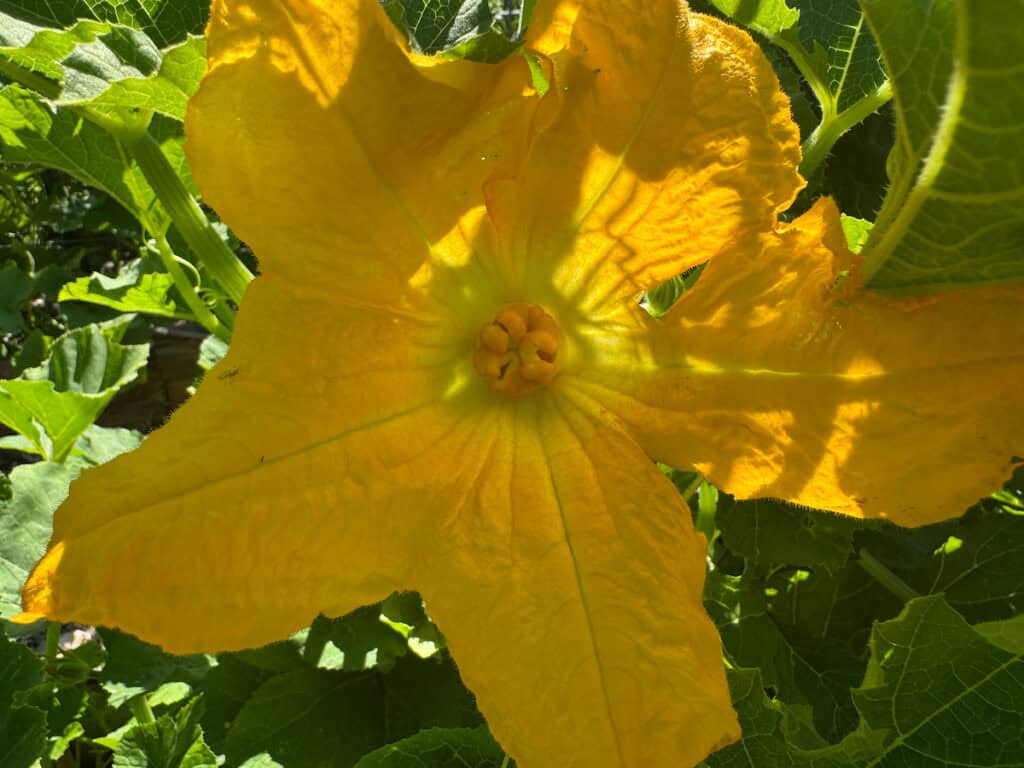
Once pollen reaches the stigma, fertilization occurs and the plant begins developing fruit and seeds.
Without successful pollination:
- Flowers may drop.
- Tiny fruits may shrivel.
- Vegetables become misshapen.
- Production declines dramatically.
Without proper pollination, the plant can’t produce any fruit.
Which Vegetables Need Pollination?
Many common garden vegetables depend on insects or wind to transfer pollen.
These include:
- Cucumbers
- Squash
- Pumpkins
- Watermelon
- Cantaloupe
- Zucchini
- Gourds
These plants produce separate male and female flowers, meaning pollen must physically move between blooms. They need something, like a bee, to pick up pollen from the male flower and take it to the female flower.
Some crops, like corn and other grains, rely on wind. Wind carries pollen from the tassels at the top to the silky strands in the corn husk. Without wind, and a large enough patch, your corn cobs will be bare of corn kernals.
Other crops, such as tomatoes and peppers, have flowers containing both male and female parts. They can self-pollinate but still benefit greatly from wind and visiting bees that shake pollen loose.
Signs of Poor Pollination in the Vegetable Garden
If you’re wondering whether pollination is the issue causing little to no fruit, look for these common symptoms.
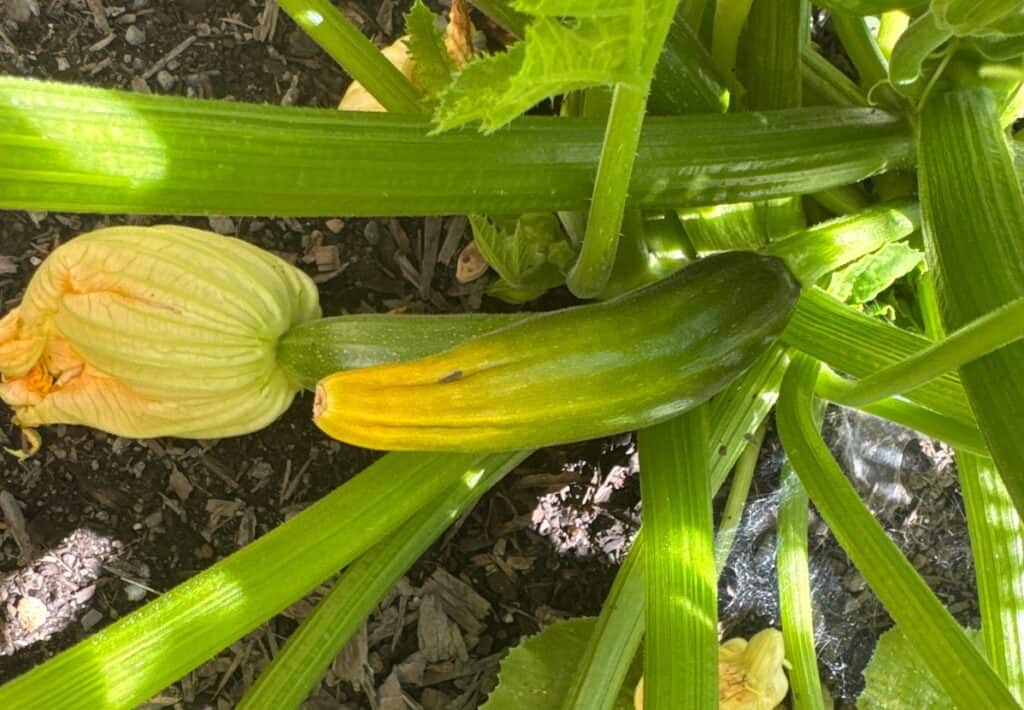
Flowers Bloom but Never Produce Fruit
One of the biggest warning signs is seeing dozens of flowers but no vegetables are forming.
This is especially common with cucumbers and squash. While poor pollination is an extremely common reason, there are other reasons that a plant may bloom but not set fruit. Read Why Cucumbers Are Not Producing Fruit to troubleshoot the other common reasons your plants may not be producing.
If you’ve been searching for why vegetables are not pollinating, this is usually the first symptom you’ll notice.
Tiny Fruits Turn Yellow and Fall Off
Many gardeners think insects or disease caused this. But it’s actually an unfertilized fruit that cannot continue growing, so the plant aborts it. The plant understands that the fruit can’t grow so it stops trying to give it energy and lets it fall off.
You’ll often see:
- Tiny cucumbers or pumpkins turning yellow
- Baby squash rotting at the blossom
- Small melons stopping growth
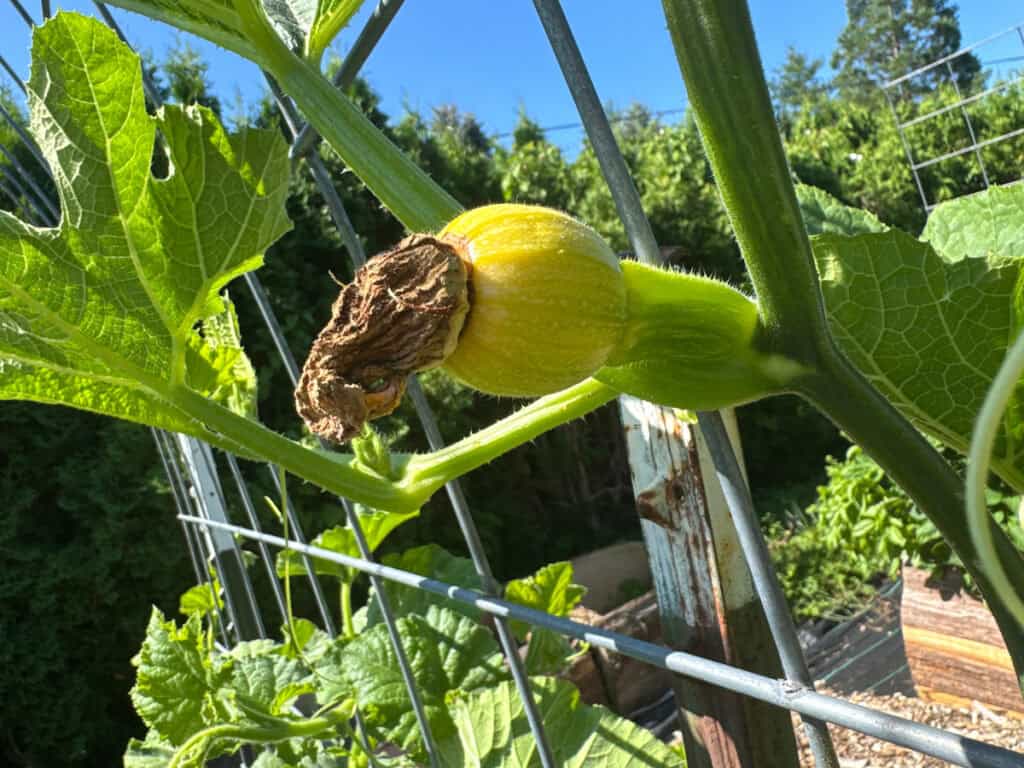
Misshapen Vegetables
Partial pollination can create strange-looking vegetables. Partial pollination means that the female flower got some of the pollen it needed, but not all of it. As a result, only part of the flower was pollinated. The rest was not.
Examples include:
- Curved cucumbers
- Lopsided pumpkins
- Uneven zucchini
- Oddly shaped melons
Flowers Drop Prematurely
It’s perfectly normal for male flowers to fall after releasing pollen.
However, female flowers dropping before fruit develops usually indicate pollination problems.
Why Poor Pollination Happens
Several different factors can interfere with successful pollination. Let’s look at what these might be.
Too Few Pollinators
The biggest cause is simply a lack of bees, or they may be visiting at the wrong time. Honey bees often receive most of the attention, but native bees are actually among the most efficient vegetable pollinators.
Modern neighborhoods often have:
- fewer flowering plants
- more lawn
- pesticide use
- fewer nesting areas
As pollinator populations decline, poor pollination in the vegetable garden follows.
Maybe you do have pollinators, but if they’re visiting in the late morning, afternoon, or evening it could just be a timing issue. Squash tend to have flowers that open in the morning and are only open for a few hours of the day. By the afternoon the flowers have closed and are no longer available to pollinators.
If the bees, or other pollinators, are visiting after the flowers have closed they didn’t have a chance to do their job.
Hot Weather
Extreme temperatures reduce pollen viability.
When daytime temperatures climb into the upper 90s for extended periods, pollen becomes less effective and flowers may fail to set fruit.
Tomatoes are especially sensitive to heat during flowering. You may want to read my post on Why Tomatoes Aren’t Producing Fruit for even more ideas on why tomatoes may not be producing any fruit.
Rainy Weather
Heavy rain can wash pollen away before insects have a chance to move it. In the late spring, this is a problem I often deal with in the Pacific Northwest.
Long stretches of wet weather also reduce bee activity. No bees visiting generally mean little pollination.
Windy Conditions
Strong winds prevent pollinators from flying and may dry flowers before successful pollination occurs.
Too Much Nitrogen
Nitrogen encourages leafy growth, not fruit production.
Too much results in lush green plants with surprisingly few vegetables. Instead of investing energy into fruit production, the plant continues producing foliage.
You may get some flowers, but they are not what the plant is focusing on when it’s taking up a lot of nitrogen. It wants to use the nutrients available, so it producing more leaves to use the nitrogen.
Lack of Pollinator Diversity
A garden relying on only one type of pollinator is more vulnerable to poor pollination issues. Different insects work under different weather conditions.
Bumblebees often forage earlier and in cooler temperatures than honey bees.
Native solitary bees are excellent pollinators for squash and pumpkins.
Greater diversity means more consistent pollination throughout the season.
How to Improve Pollination Naturally
Fortunately, pretty much all pollination issues can be corrected without chemicals.
Plant More Flowers
This is probably the most obvious, and easiest solution, to creating a garden that pollinators want to visit.
Excellent flowers include:
- Zinnias
- Cosmos
- Calendula
- Sunflowers
- Borage
- Bee balm
- Lavender
- Alyssum
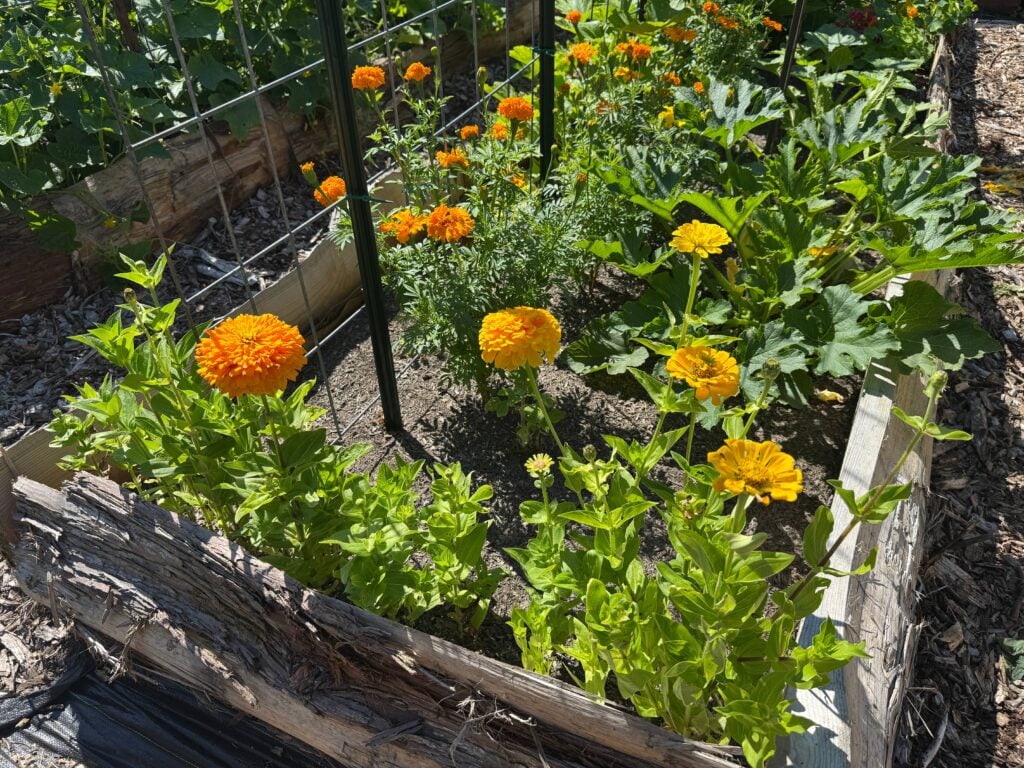
Plant flowers throughout the vegetable garden rather than keeping them in one area. This encourages pollinators to move continually between flowers and crops. There’s a greater chance they will visit all of your vegetables rather than just a few.
The Xerces Society for Invertebrate Conservation has some great tips for creating a pollinator garden.
Grow a Diversity of Bloom Times
Provide nectar from early spring through fall by planting flowers that will bloom at different times throughout the growing season.
When flowers are available all season, pollinators remain nearby instead of moving elsewhere. They follow the food sources. If you are providing the food they need, they’ll stick around.
Avoid Spraying During Bloom
I’m a big proponent of no spray gardens. Even organic insecticides can harm beneficial insects.
If you’ve exhausted all natural remedies and spraying becomes necessary:
- spray at dusk
- avoid open flowers
- never spray when bees are active
Natural Remedies for Garden Pests is a great resource on how to organically control different pests that can invade your garden throughout the gardening season.
Reduce Mulch in Small Areas
Many native bees nest underground. Leaving small patches of bare soil around your property provides valuable nesting habitat.
Provide Water
Pollinators become dehydrated during hot weather.
A shallow dish filled with pebbles and water creates a safe drinking station. Do not skip on the pebbles. It’s very easy for bees to drown, even in a shallow dish.
Grow Pollinator-Friendly Herbs
Many culinary herbs become pollinator magnets when allowed to flower. I’ve had a lot of success with thyme, specifically. Bees seem to love their flowers.
Consider letting some of these bloom:
- Basil
- Oregano
- Thyme
- Dill
- Cilantro
- Chives
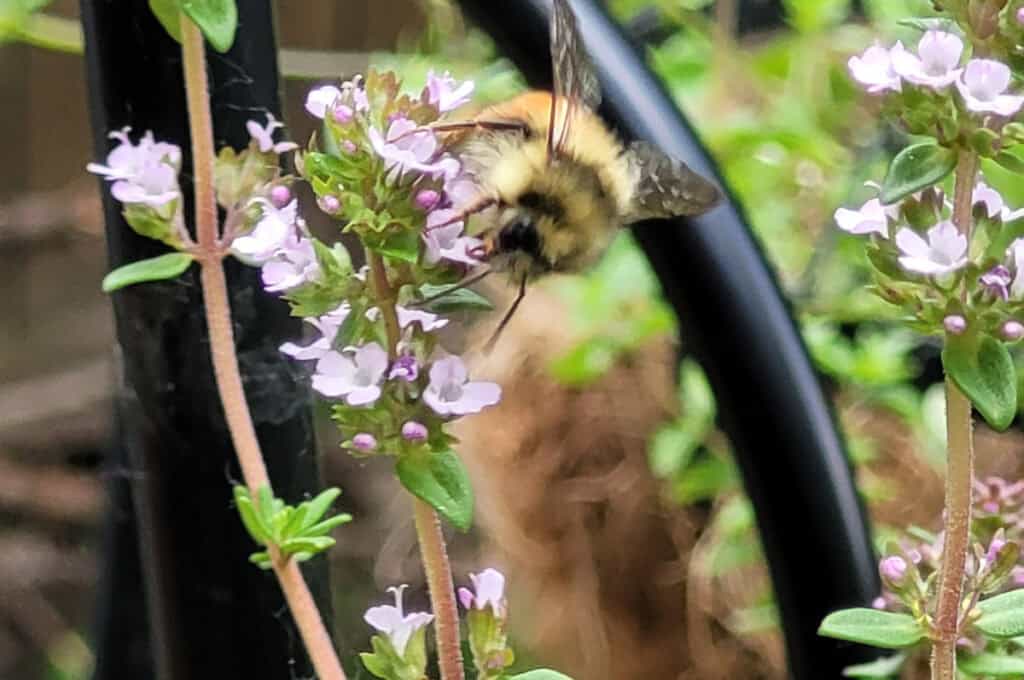
The added bonus to this is attracting beneficial insects that help control pests naturally. You’ll bring in ladybugs, praying mantises, parasitic wasps, and other insects that help control the population of harmful insects.
Using nature to help keep your garden healthy is one of the best things you can do for it.
How to Hand Pollinate Vegetables
Sometimes nature needs a little help.
Hand pollination is simple and highly effective. I usually end up doing this with my pumpkins or I end up with a very poor harvest.
Step 1
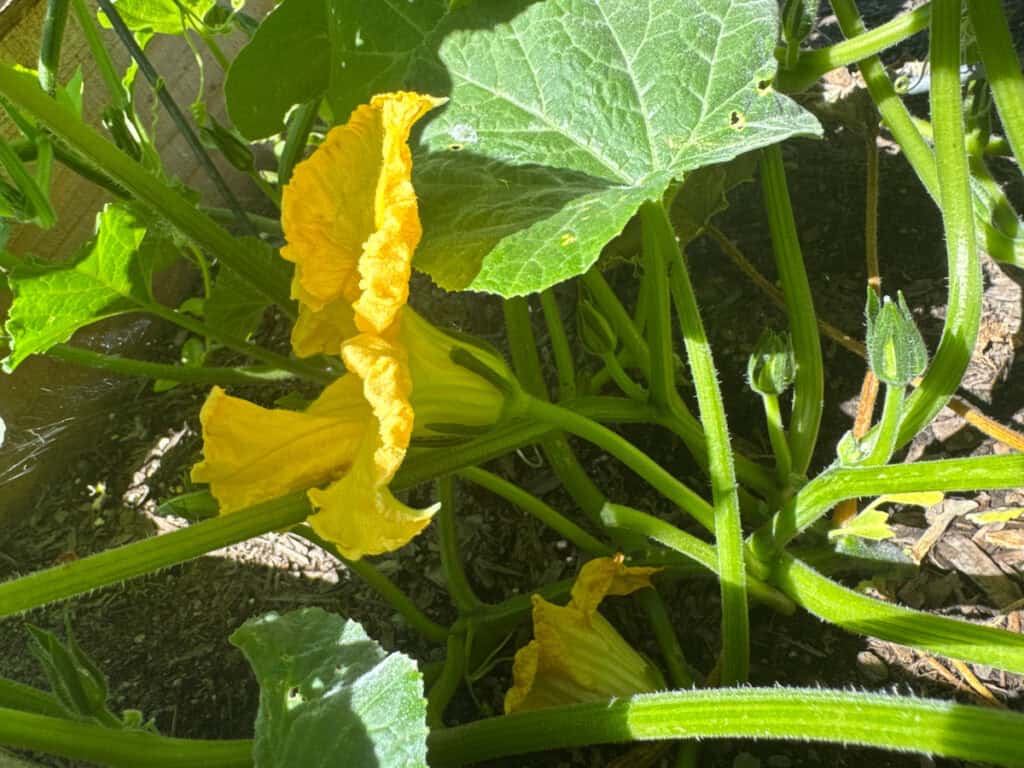
Locate a freshly opened male flower.
Male flowers have a thin stem behind the blossom.
Step 2
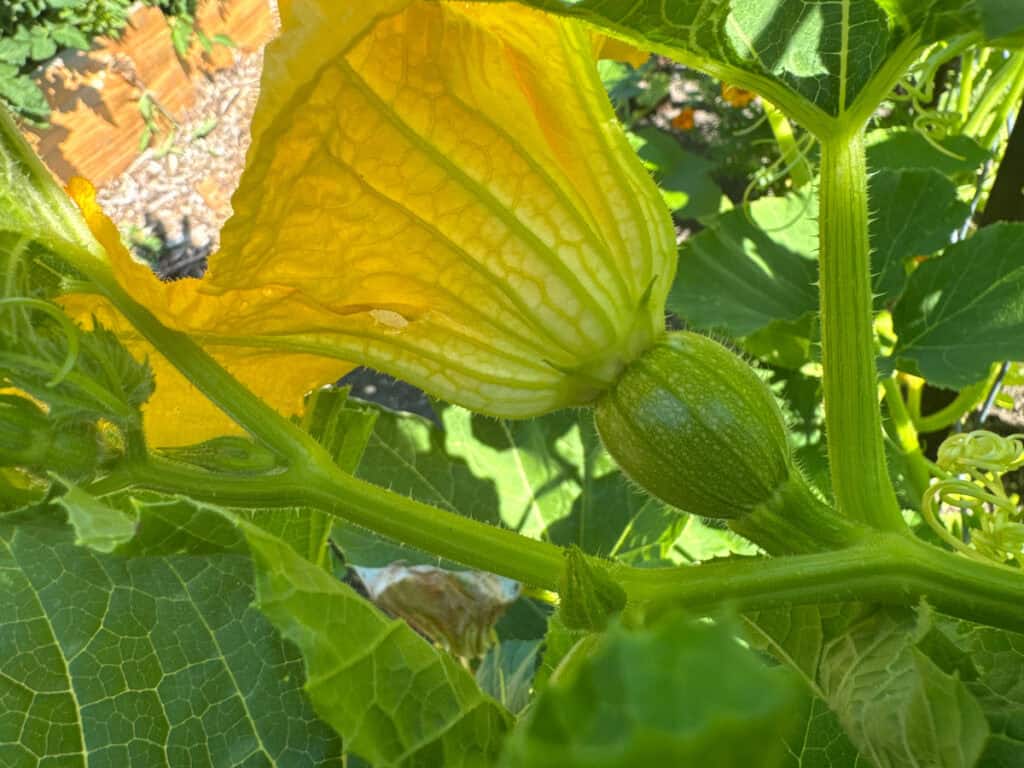
Locate a female flower.
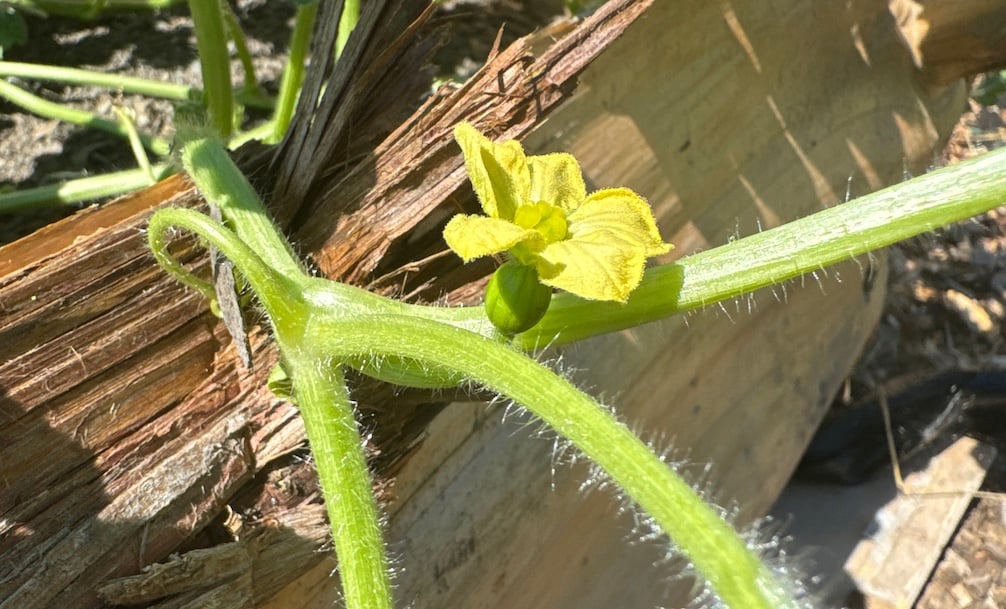
Female flowers have a tiny immature fruit behind the bloom.
Step 3
Use a small paintbrush or cotton swab to collect pollen from the male flower. Or you can pluck the flower and carefully remove the petals so the anther (part in the middle with the pollen) is fully exposed.
Step 4
Gently brush pollen onto the center of the female flower with the paintbrush. Or rub the anther onto the stigma of the female flower.
Ensure that you rub the pollen to all sides and middle of the stigma for full pollination.
Morning is usually the best time because pollen is freshest.
This technique works exceptionally well for:
- squash
- pumpkins
- cucumbers
- melons
Many gardeners notice fruit beginning to develop within a few days.
Which Vegetables Benefit Most From Hand Pollination?
Although many crops self-pollinate, hand pollination can dramatically improve yields for:
| Vegetable | Hand Pollination Helpful? |
|---|---|
| Squash | Excellent |
| Pumpkins | Excellent |
| Cucumbers | Excellent |
| Melons | Excellent |
| Watermelon | Excellent |
| Tomatoes | Occasionally (gently shake flowers) |
| Peppers | Occasionally |
Can You Have Too Many Pollinators?
Not really.
More pollinators generally mean:
- better fruit set
- larger harvests
- more uniform vegetables
- improved seed production
In this scenario the limiting factor is usually the number of flowers, not insects.
Final Thoughts on Poor Pollination in the Vegetable Garden
Poor pollination is one of the most overlooked reasons vegetable gardens underperform, yet it’s also one of the easiest problems to correct.
By planting more flowers, avoiding pesticides during bloom, welcoming native pollinators, and hand pollinating when needed, you can dramatically increase the number of vegetables your garden produces.
Remember that a productive garden isn’t just about healthy plants. It’s also about creating an ecosystem where pollinators can thrive. When bees, butterflies, hoverflies, and other beneficial insects have everything they need, they’ll reward you with fuller harvests, straighter vegetables, and healthier plants all season long.
Frequently Asked Questions: Poor Pollination in the Vegetable Garden
Why are my vegetable plants flowering but not producing fruit?
The most common reason is poor pollination. Many vegetables, including cucumbers, squash, pumpkins, and melons, need pollen to be transferred from one flower to another before fruit can develop. If bees and other pollinators aren’t visiting your garden, or weather conditions interfere with pollination, you’ll end up with plenty of flowers but very little harvest. Other factors like extreme heat, too much nitrogen fertilizer, or immature plants can also delay fruit production.
What causes poor pollination in the vegetable garden?
Poor pollination usually comes down to one of a few things: not enough pollinators, unfavorable weather, or flowers that aren’t getting enough pollen transferred between them. Rain, high winds, and very hot temperatures can all reduce pollination. Gardens with few flowering plants or heavy pesticide use also tend to attract fewer beneficial insects.
How can I improve pollination naturally?
One of the best ways is to make your garden more attractive to pollinators. Plant a variety of flowers that bloom throughout the growing season, allow some herbs to flower, and avoid spraying insecticides when plants are in bloom. Providing a shallow water source and leaving a few undisturbed areas for native bees to nest can also make a big difference. If pollinator activity is still low, you can hand-pollinate crops like squash and cucumbers with a small paintbrush.
Can I pollinate my vegetable plants by hand?
Absolutely. Hand pollination is a simple way to improve fruit set, especially if you don’t see many bees visiting your garden. Use a small paintbrush or cotton swab to collect pollen from a male flower and gently transfer it to the center of a female flower. It’s easiest to do in the morning when flowers are freshly open and pollen is most viable.
Which vegetables need pollinators?
Many popular garden crops rely on pollinators to produce fruit. These include cucumbers, zucchini, summer squash, pumpkins, winter squash, melons, and watermelons. Tomatoes, peppers, and eggplants are self-pollinating, but they still produce better when bees or wind help move pollen around the flowers.
Why are my squash flowers falling off?
Male squash flowers naturally bloom first and fall off after they’ve released their pollen, so seeing a few flowers drop is completely normal. If you’re losing female flowers or tiny squash begin to form before turning yellow and falling off, poor pollination is often the culprit.
Does rain affect pollination?
Yes. Heavy rain can wash pollen off flowers and keep bees from flying, while extended wet weather reduces pollinator activity altogether. Once conditions improve, pollination usually picks back up, provided flowers are still being produced.
Can hot weather prevent vegetables from producing?
It can. Many vegetables struggle to set fruit when daytime temperatures climb into the 90s or nighttime temperatures stay unusually warm. Heat can reduce pollen viability, making successful pollination much less likely. Tomatoes, peppers, and beans are especially sensitive to prolonged heat during flowering.
Why are my cucumbers small and turning yellow?
Small cucumbers that stop growing and turn yellow are often the result of incomplete pollination. When a flower doesn’t receive enough pollen, the developing fruit can’t continue growing, so the plant eventually aborts it. Increasing pollinator activity or hand-pollinating flowers can help prevent this problem.
How do I attract more bees to my vegetable garden?
The easiest way is to plant flowers alongside your vegetables. Choose a mix of annuals, perennials, and flowering herbs so there’s always something blooming. Avoid using broad-spectrum insecticides, provide a shallow source of water, and let a few areas of your garden remain a little less “perfect.” Native bees often nest in bare soil or hollow stems, and they’ll reward you with better pollination throughout the season.
Do tomatoes need bees to produce fruit?
Tomatoes are self-pollinating, which means each flower contains both male and female parts. However, they still benefit from bees, especially bumblebees, which use a technique called buzz pollination to shake pollen loose. Even a light breeze or gently tapping the plants can improve pollination and increase fruit set.
Why do I have lots of male flowers but no female flowers?
Many vining crops, including cucumbers and squash, naturally produce male flowers first. This gives the plant time to establish strong roots and plenty of foliage before it begins supporting fruit. It also helps to start attracting pollinators to the plant. Female flowers usually appear a week or two later, so don’t worry if the first flush of blooms doesn’t produce vegetables right away. You often just need a little patience.