5 Beginner Garden Tips That Actually Work (Simple First Garden Guide)
This guide gives you 5 practical beginner garden tips that actually matter when you’re just getting started. No overwhelm. No perfection chasing. Just the real-world basics that help you grow food successfully in your first garden.

It’s easy to get overwhelmed by the amount of gardening information out there. There’s even thousands of books on the topic, all claiming they will make you the perfect gardener. Spoiler alert: there is no such thing as a perfect garden or gardener. Don’t spend your time looking at loads of confusing information, it will only hinder your progress with your own garden.
If you’re brand new, you might also find What Are Growing Zones and Growing Seasons for Beginners helpful.
Those two posts pair perfectly with this one and will help you avoid one of the biggest beginner mistakes: planting the wrong things at the wrong time.
Now let’s dig in.
1. Start With Your Growing Season (Not Just Your Zone)
One of the biggest beginner gardening mistakes is focusing too much on USDA growing zones.
What actually matters more is your growing season—the number of frost-free days between your last spring frost and first fall frost.
This determines:
- When you can plant
- What varieties will actually mature in time
- Whether a crop will succeed or stall out
If you want a deeper breakdown into frost dates, check out Growing Seasons for Beginners. You can visit the Farmer’s Almanac website to determine your frost dates and growing season length.
Now why, exactly, is this so important?
Each plant has a “days to maturity” or a “days to harvest,” meaning the number of days that plant will take before it will produce vegetables or be ready for eating. If you have a growing season of 110 days but you want to plant something that takes 120 days before it’s ready for harvesting, then that variety is probably not a good choice for your garden. Choose a different variety that will be ready to harvest in less than 110 days.
2. Be Honest About Your Space (and Start Smaller Than You Think)
Most beginner gardeners overplant. Almost everyone does it.
I’ll be the first to admit that I’m guilty of trying to plant way more plants than I have space for. It’s so easy to want to plant “all the things” that you forget that you have a finite amount of space to work with. Before deciding you’re going to plant 30 tomato plants, figure out how much space you have available so you can have a more reasonable goal.
It’s easy to imagine a lush homestead garden… and accidentally plant a jungle.
Before you buy seeds or seedlings, decide:
- Are you using containers, raised beds, or in-ground planting?
- How much space do you actually have?
- How much time can you realistically maintain it?
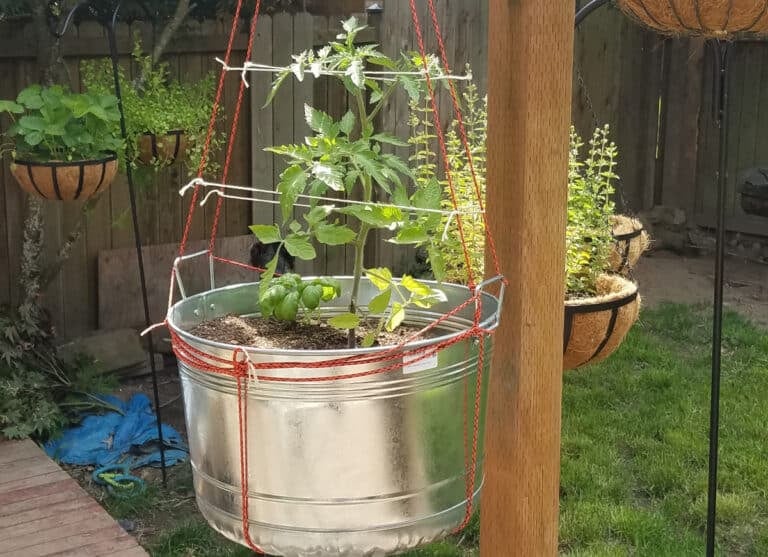
If you’re working with limited space, focus on crops that match it. A few peppers in containers will outperform 30 overcrowded plants every time.
If you’re building raised beds, keep them narrow enough to reach the center (no more than 3–4 feet wide).
Small, manageable gardens almost always outperform large, overwhelming ones.


3. Pay Attention to Sunlight, Shade, and Plant Relationships
Plants don’t just need space—they need the right environment.
Most vegetables need at least 6–8 hours of sunlight, but not all plants want the same conditions.
Here’s where beginners often level up quickly:
- Tall crops like tomatoes can shade other plants
- Leafy greens actually love partial shade
- Poor spacing can create airflow problems and disease
Sunlight
Every plant needs some amount of sunlight to grow. Some plants need a lot, like peppers and squash, while some can get away with less such as leafy greens and many root vegetables. Some leafy greens will grow in full shade, but their growth will be significantly slowed. You can start to plan what plants would be a good fit for the space once you know the amount of sunlight your growing space receives.
You will also need to think about how a plant grows when it comes to sunlight. If you are growing something tall like a tomato, or something that needs trellising like a cucumber, these plants will create shade spots around them. If you build a trellis and fill it with cucumbers, but put a squash plant right on the other side where it will get shaded, your squash plant is not going to be very happy.
However, you can take that shaded space created by the trellised cucumbers and plant something like lettuce or spinach that likes shade and cooler temperatures. This is a more efficient use of the space and means you can grow more food in a smaller area.
Companion Planting
This is part of companion planting – the idea that you pair different plants together to create a beneficial relationship. Using the shade created by the cucumbers to grow lettuce and spinach is a great example of using one plant to benefit another. Companion planting is a rabbit hole that’s easy to go down, so I won’t go into great depth in this post. Utilizing the concept of companion planting can help you grow more in a smaller space, and help with pest issues in some cases as well.
Companion planting can be very beneficial, but when planting any plant be sure to consider how much space that plant needs to thrive. A melon or other vining plant will need a lot of space, even though they start off as pretty small plants. It’s easy to think that you can put seedlings close together because they start off with large gaps in between plants.
Plant Spacing
When you plant seedlings, do not look at the size of the plant when it goes into the ground. Instead, think about the size of the plant once it’s fully grown. Tomato plants can’t be planted right next to each other because when they get bigger they need space to expand and for air to get between the leaves. If you pack them in too tight, it could stunt growth and open them up for developing fungal infections because air isn’t able to circulate. They need at least 18-24 inches between them to grow properly.
For example:
- Use tall plants to create shade for lettuce in hot areas
- Avoid placing sun-loving crops behind heavy shade producers
- Keep airflow in mind to prevent fungal issues
Tomatoes and other nightshades are especially prone to fungal and disease issues. Learn more about Common Tomato Diseases and how to prevent them (or fix them if you’re already battling them).


4. Grow What You Actually Eat (Not What Looks Interesting)
It’s easy to get caught up with flashy vegetables or all the different types of tomatoes, but when choosing what you’d like to plant, try to be realistic. I know it’s hard!
This makes seed catalogs dangerous.
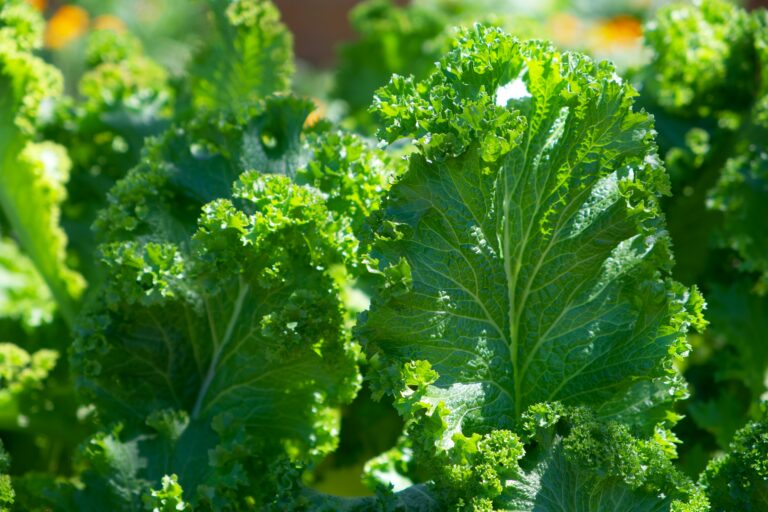
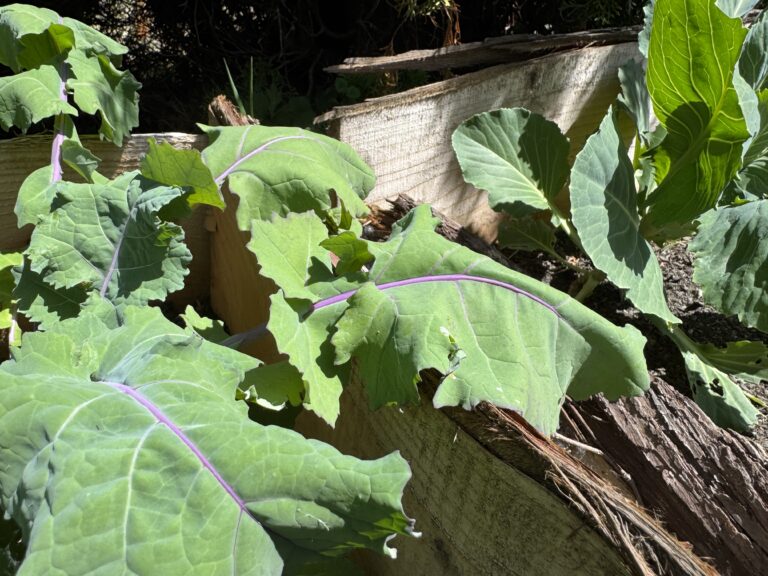
Everything looks like it belongs in a magazine garden… until you realize no one in your household actually eats kohlrabi. In my case it’s kale. I love watching kale grow but everyone in my house hates it.
A successful beginner garden starts with a simple question:
What Does Your Family Like to Eat?
First and foremost, grow what you’re going to eat. Growing kale if your family doesn’t like it doesn’t do anything but waste your time and the space it takes up in the garden. I admit, I’ve done this more than once. Don’t be like me, pick the vegetables you and your family actually like to eat.
- Tomatoes for sauces and salads
- Lettuce for quick harvests
- Peppers for cooking
- Herbs you’ll actually use
Once you’ve determined what your family likes to eat, look into varieties that grow well in your area. Don’t choose a long season vegetable if you have a short growing season. You need enough warm weather to allow the plant to grow, produce, and then ripen fruit.
This keeps your garden practical instead of experimental chaos.

5. . Keep a Simple Garden Journal (Future You Will Thank You)
How many times have you said “I’ll remember that” only to forget a short time later? If I had a penny for every time I’ve said that I’d be rich. Who am I kidding, if I had a penny for every time I’ve said that just about my garden I’d be rich. This is where journaling comes in.
If there’s one habit that quietly transforms beginner gardeners into confident ones, it’s this:
Track what you’re doing.
You don’t need anything fancy. A notebook, phone notes, or photos all work.
Start recording:
- Planting dates
- Germination times
- What worked (and what absolutely didn’t)
- Pest or disease issues
- Where things were planted
Over time, this becomes your personal growing guide—specific to your soil, climate, and habits.
It also helps you avoid repeating mistakes like:
- Planting too early
- Overcrowding beds
- Forgetting what variety actually performed well

Final Thoughts: Start Small, Learn Fast, Grow Better Each Year
These successful beginner garden tips aren’t about doing everything perfectly.
It’s about:
- Starting small enough to manage
- Learning your space
- Paying attention to your conditions
- And improving a little each season
If you’re feeling overwhelmed, that’s normal. Gardening has a steep learning curve at first—but once things click, it becomes incredibly intuitive.
And most importantly: your first garden doesn’t need to be big. It just needs to exist. Don’t get caught up in growing all the things, a few plants is enough. It’s most important that you start.
From there, everything grows.
Frequently Asked Questions About Beginner Garden Tips
Q: What is the best garden for a beginner to start with?
A: The best garden for beginners is usually a small vegetable garden or raised bed garden. These setups are easier to manage, have better soil control, and reduce weeds compared to large in-ground plots.
If you’re brand new, start with a few easy crops like lettuce, tomatoes, or herbs instead of trying to plant everything at once. A smaller, well-managed garden will outperform a large, overwhelming one every time.
Q: What are the easiest vegetables to grow for beginners?
A: Some of the easiest vegetables for beginner gardeners include:
- Lettuce and leafy greens
- Radishes
- Tomatoes (especially cherry varieties)
- Green beans
- Peppers
- Zucchini
These crops tend to germinate easily, grow quickly, and don’t require advanced gardening techniques to succeed.
Q: When should I start my beginner garden?
A: The best time to start your garden depends on your growing season, not just the calendar.
You’ll want to plant after your last frost date in spring and make sure crops have enough time to mature before your first fall frost.
Understanding these two factors prevents one of the most common beginner mistakes: planting too early or too late.
Q: How much sunlight does a beginner garden need?
A: Most vegetable gardens need 6–8 hours of direct sunlight per day to grow well.
Leafy greens like lettuce and spinach can tolerate partial shade, but fruiting plants like tomatoes, peppers, and cucumbers need full sun to produce properly.
If your yard has mixed light, observe it for a few days before planting to see where the sun consistently lands.
Q: Do I need raised beds for a beginner garden?
A: No, raised beds are not required, but they can make gardening easier for beginners.
Raised beds offer:
- Better drainage
- Easier weed control
- Improved soil quality
- Less bending and strain
That said, you can absolutely start a successful garden directly in the ground or in containers. The key is starting small and manageable, not the structure itself.
Q: What is the biggest mistake beginner gardeners make?
A: The most common mistake is starting too big too fast.
Many beginners plant more than they can maintain, which leads to overcrowding, poor yields, and frustration.
Other common mistakes include:
- Ignoring sunlight requirements
- Planting at the wrong time
- Choosing crops they don’t actually eat
- Not spacing plants properly
Starting small and learning your space is the fastest path to success.
Q: How do I make my first garden successful?
A: A successful first garden comes down to a few simple habits:
- Start small and realistic
- Choose easy, proven crops
- Pay attention to sunlight and timing
- Track what you plant and how it performs
- Adjust each season instead of trying to get it perfect the first time
Gardening improves with observation, not perfection.