Why Do Bottom Leaves Turn Yellow On Plants First? 5 Common Causes and Easy Fixes
One day everything looks fine, and the next you notice the lower leaves shifting from green to pale yellow, while the top of the plant still looks healthy and growing. This pattern is one of the most common questions gardeners ask: why do bottom leaves turn yellow on plants first? The short answer is when something is off—nutrition, water, roots, or light—they respond in a predictable order, and older, lower leaves are usually the first to be cut off. Let’s walk through what’s actually happening and how to read the signals correctly so you can fix the problem before it spreads upward.
*As an Amazon Associate I may earn from qualifying purchases at no cost to you.
Why Bottom Leaves Turn Yellow on Plants First
Lower leaves are the oldest part of the plant. They were the first to grow, the first to photosynthesize, and they are the least essential when the plant starts conserving resources.
When stress shows up, plants prioritize new growth at the top. That means nutrients and energy get redirected upward, leaving older leaves to fade.
This is why you often see:
- yellow leaves starting at bottom of plant
- lower leaves fading while upper leaves stay green
- slow progression upward instead of random spotting
It’s a redistribution of nutrients, water, and other resources that the plant is undergoing. Let’s look at why the plant may be doing this.
1. Nutrient Deficiency (Especially Nitrogen)
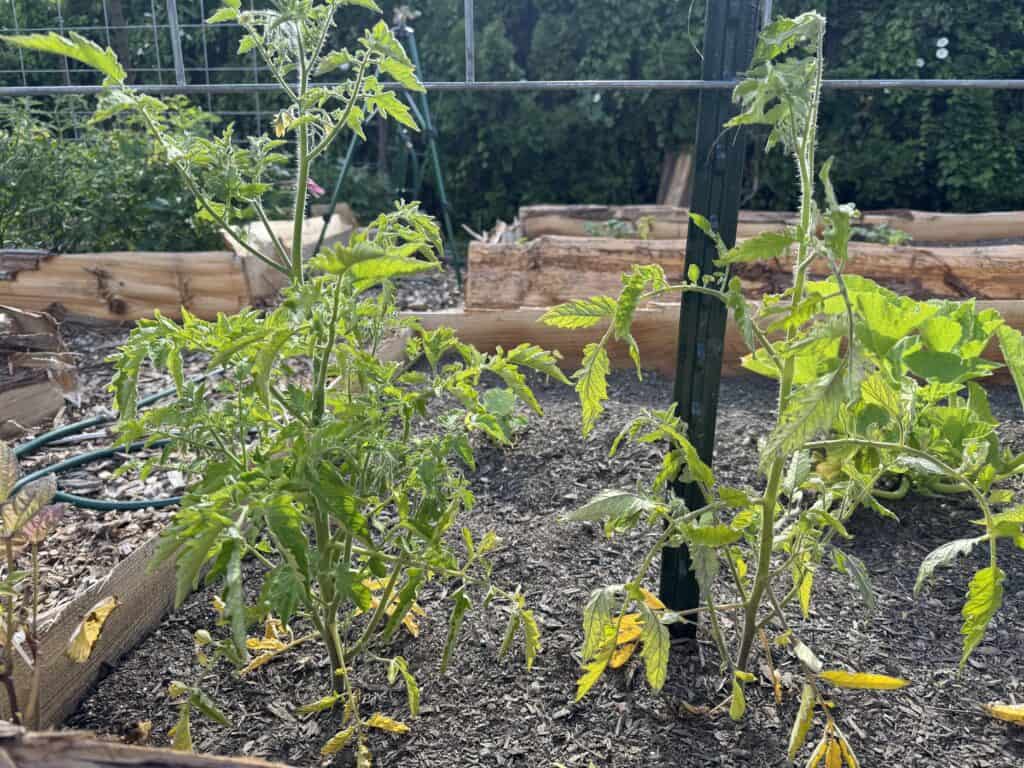
One of the most common reasons for lower leaves turning yellow but top is green is nitrogen deficiency.
Nitrogen is mobile in plants. That means when the plant is low on it, it moves existing nitrogen from older leaves to newer growth.
What it looks like:
- Yellowing starts at bottom leaves
- Leaves turn pale green → yellow → drop off
- New growth stays green but may slow down
This is especially common in heavy feeders like tomatoes, squash, and leafy greens.
What to do:
- Apply a balanced fertilizer or nitrogen-rich amendment
- Compost tea or fish emulsion can help quickly
- Check if soil is depleted from repeated planting
If your soil is tired, you may want to revisit your setup. My guides on Best High-Yield Soil Mix for Raised Beds and How to Prepare Soil For Planting can help you refresh your soil.
2. Watering Issues (Too Much or Too Little)
Water stress is another major trigger behind plant leaves yellowing from bottom up, in indoor and outdoor gardens.
The tricky part? Both overwatering and underwatering can cause similar symptoms.
Overwatering signs:
- Yellow lower leaves first
- Soil stays wet or soggy
- Leaves may feel soft or limp
- Root oxygen deprivation begins
Underwatering signs:
- Yellowing plus crispy edges
- Soil pulling away from container
- Plant droops during heat
When roots can’t function properly, the plant begins shutting down older leaves first to reduce demand.
What to do:
- Check soil moisture 2–3 inches deep
- Improve drainage (especially in containers)
- Water deeply but less frequently
If you want a deeper dive, check out my posts on How to Water Seedlings the Right Way and Plants Wilting Even When Soil Is Wet because early watering habits often carry into mature plant issues. Once you have watering issues, you need to know how to fix them.
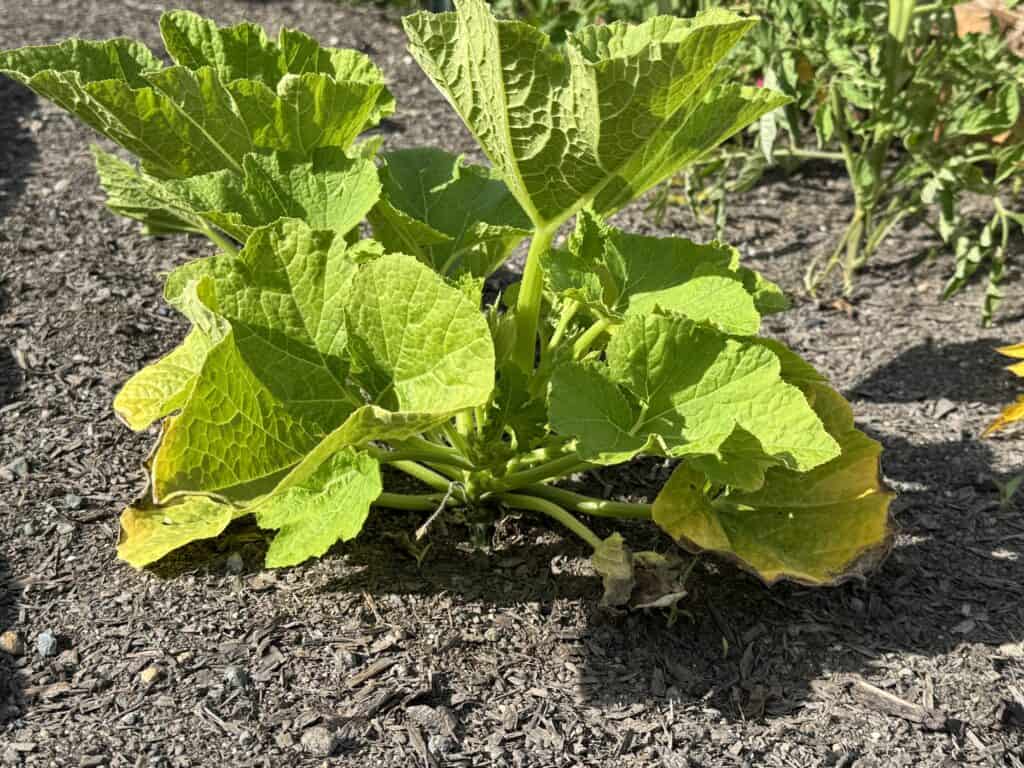
3. Root Stress or Being Root-Bound
When roots become cramped or damaged, the plant can’t move nutrients efficiently. The result is often a slow fade starting at the bottom.
Common causes:
- Pot-bound container plants
- Compacted garden soil
- Transplant shock
- Root damage from pests or overwatering
What it looks like:
- Yellowing starts low and moves upward slowly
- Growth stalls even if conditions seem good
- Water runs through container too quickly.
What to do:
- Loosen compacted soil gently
- Transplant into larger containers if needed
- Avoid disturbing roots unless necessary
- Add organic matter to improve structure
Healthy roots are what drive the health of the entire plant. When they struggle, the first “non-essential” parts to go are the bottom leaves.
4. Pests and Disease Pressure
Sometimes the answer is not nutrition or water, but biological stress.
Disease often hits the lower leaves first because they are closest to the ground. Splash back from water hitting the soil and bouncing up is one major cause of disease in plants. The lower leaves get hit first, then it moves up the plant once the disease gets ahold. This tends to be where the most moisture is, as well. Fungal diseases thrive in the conditions around the lower leaves.
Sap-sucking insects like aphids or spider mites often attack lower leaves first because they are shaded and easier to access.
Signs to look for:
- Speckled yellowing instead of uniform color loss
- Sticky residue on leaves
- Visible pests under leaves
- Curling or distorted growth
What to do:
- Inspect undersides of leaves carefully
- Remove heavily affected foliage
- Improve airflow around plants
- Use neem oil or insecticidal soap if needed
Catching this early prevents the upward spread of damage. Common Tomato Diseases and How to Fix Them provides a deeper dive into tomato diseases, but many of these diseases can affect other plants as well.
If you find yourself dealing with garden pests, check out Natural Remedies for Garden Pests for more ways to naturally handle pest infestations that work.
5. Natural Aging (Yes, Sometimes It’s Normal)
Not every yellow leaf is a problem.
As plants grow, they naturally shed older leaves that no longer contribute much energy. This is especially common in:
- Tomatoes
- Peppers
- Squash
- Houseplants like pothos or peace lilies
What normal aging looks like:
- Slow, gradual yellowing of only the lowest leaves
- No spread to upper foliage
- Overall plant remains vigorous
If the rest of the plant looks strong, this may simply be part of its life cycle. This is one instance where you don’t need to worry, the plant is doing exactly what it should be doing.
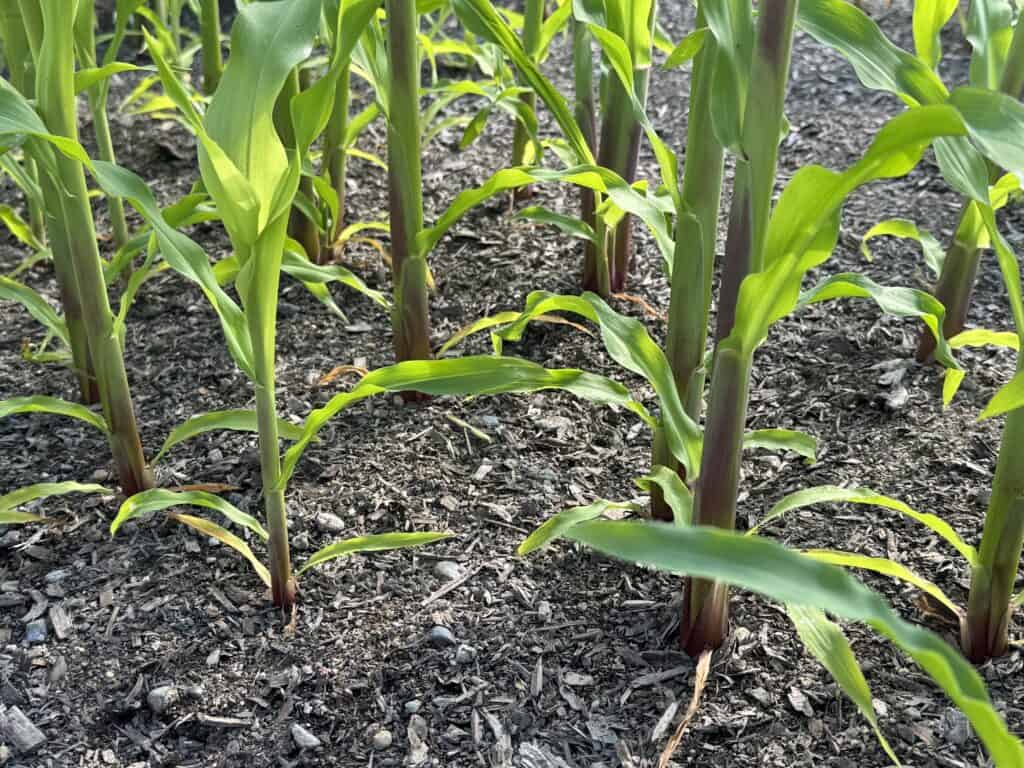
Questions to Diagnose Yellowing Leaves at the Bottom (Quick Checklist)
When you see yellowing starting low, run through this simple check:
- Is the soil too wet or too dry?
- Are upper leaves still strong green?
- Has growth slowed recently?
- Are pests visible under leaves?
- Is the plant root-bound or crowded?
- Has fertilizing been consistent?
This helps narrow down whether you’re dealing with stress, deficiency, or normal aging. Based on your answers to these questions, you can determine how to fix the issue.
How to Fix Yellow Leaves Starting at the Bottom of Plant
Once you identify the cause, the fix is usually straightforward.
Step 1: Remove heavily yellow leaves
They won’t recover and may drain energy. Removing them means your plant doesn’t waste anymore energy on them. Your plant will thank you for that.
Step 2: Correct the root cause
- Fertilize if nutrient-related
- Adjust watering if moisture-related
- Repot or loosen soil if root-bound or soil is heavy and compacted
- Treat pests if present
Step 3: Stabilize conditions
Plants don’t like sudden swings. Water consistently and only when needed. Try to protect the plants during extreme temperature swings.
Step 4: Watch new growth
New leaves tell the truth. If they stay green and healthy, your correction worked.
Prevention: Keeping Lower Leaves Healthy Longer
While you can’t stop all natural leaf aging, you can slow premature yellowing.
Best practices:
- Feed regularly with balanced nutrition during active growth
- Water deeply when needed, not frequently
- Improve soil structure with compost or amendments
- Ensure good airflow around plants
- Avoid overplanting or crowding beds
Healthy soil and steady care reduce most cases of early yellowing dramatically.
For deeper soil strategy, my post on How to Prepare Soil For Planting goes through how to build long-term plant resilience from the ground up.
Final Thoughts
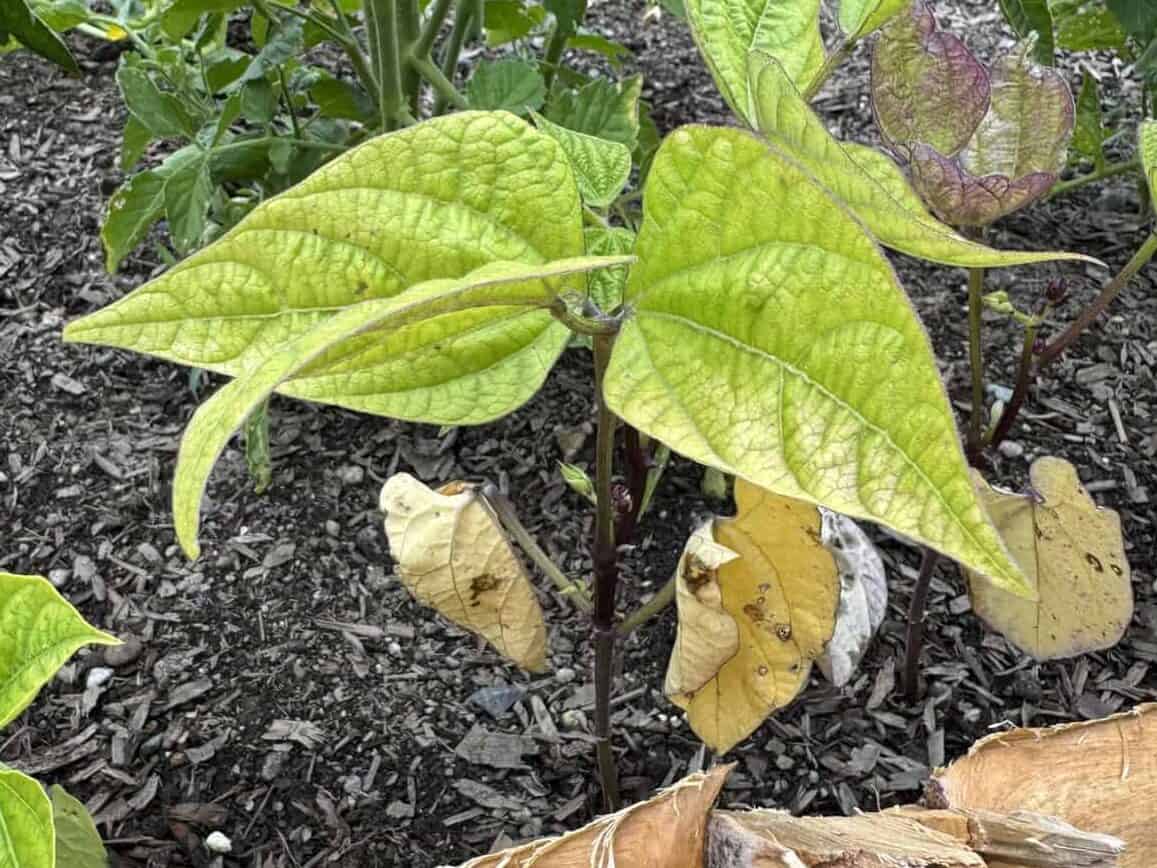
When leaves turn yellow at the bottom first, it’s rarely random. It’s the plant reorganizing resources or responding to stress in its environment. Sometimes it signals an issue, but not always.
Once you learn to read that pattern, you can spot problems early, adjust quickly, and keep plants productive longer.
Frequently Asked Questions: Why Leaves Turn Yellow at the Bottom First
Q: Why do bottom leaves turn yellow on plants first?
A: Lower leaves are the oldest on the plant, so they’re the first to be “let go” when the plant is under stress. If nutrients, water, or root function are off, the plant redirects energy upward to newer growth. That’s why yellowing usually starts at the bottom instead of showing up randomly.
Q: Is it normal for older leaves to turn yellow and fall off?
A: Yes, to a point. As plants mature, older leaves naturally die off because they’ve already done their job. If it’s only a few lower leaves and the rest of the plant looks strong and green, that’s usually normal aging. If it spreads upward, something else is going on.
Q: What nutrient deficiency causes yellow leaves at the bottom?
A: Nitrogen deficiency is the most common. Nitrogen moves within the plant, so when levels drop, the plant pulls it from older leaves first. That’s why you’ll see lower leaves turning pale yellow while the top stays green and growing.
Q: Can overwatering cause yellow leaves starting at the bottom?
A: Yes, and it’s one of the most common mistakes. When soil stays too wet, roots can’t access oxygen properly. That stress shows up first in older leaves. They turn yellow, soften, and may drop even while the soil still feels wet.
Q: Why are my plant leaves turning yellow and drooping at the bottom?
A: That combo usually points to root stress. It can come from overwatering, compacted soil, or poor drainage. When roots struggle, the plant starts shutting down lower leaves first to reduce demand.
Q: Do indoor plants get yellow leaves at the bottom for the same reasons?
A: Yes. Indoor plants often show yellowing from watering issues, low light, or nutrient depletion in potting soil. Since containers limit root space and nutrients, lower leaves are usually the first to show stress.
Q: How do I fix yellow leaves starting at the bottom of a plant?
A: First, identify the cause. Check watering habits, soil condition, and nutrients. Then correct the issue—adjust watering, improve drainage, or fertilize if needed. Remove fully yellow leaves since they won’t recover. Focus on stabilizing new growth instead of trying to “save” old leaves.
Q: Should I cut off yellow leaves on plants?
A: Yes, if they’re fully yellow or dying. They won’t turn green again and can drain energy from the plant. Just don’t remove too many at once—leave enough foliage for the plant to keep photosynthesizing.
Q: Why do cucumber leaves turn yellow from the bottom up?
A: Cucumbers are heavy feeders and sensitive to water stress. Bottom-up yellowing often comes from nitrogen deficiency, inconsistent watering, or root pressure in hot weather. If the upper plant is still healthy, it’s usually a nutrient or moisture imbalance starting to show.
Q: How do I prevent lower leaves from turning yellow too early?
A: Keep soil consistently nourished, water deeply but not constantly, and avoid compacted or poorly draining soil. Healthy root systems and steady feeding are what keep plants from sacrificing lower leaves too soon.