What Are Growing Zones? A Simple Guide for Gardeners
If you’ve ever looked at a seed packet or plant label and wondered what are growing zones and what do those numbers mean, you’re not alone. USDA growing zones can feel confusing when you’re first learning to garden. But once you understand what they actually measure, and what they don’t, they become a helpful tool for choosing plants, planning your garden, and avoiding expensive mistakes.

What USDA Growing Zones Mean
A growing zone is a value that has been assigned to a specific location and describes the average coldest temperature that location can expect to see during the winter. My growing zone is 8b; that means the lowest temperature I will see in an average winter will be 15 to 20 F, (-6.7 to -9.4 C).
To find your growing zone, visit the USDA Hardiness Zone Map.
Understanding your growing zone is one of the first steps to knowing when it’s safe to plant after your last frost and choosing crops that will actually thrive in your climate.
Why Growing Zones Confuse Beginner Gardeners
One of the biggest mistakes beginner gardeners make is assuming growing zones tell you everything you need to know about planting. They sound incredibly important, so it’s easy to think your USDA growing zone determines exactly when to plant your garden, what vegetables will grow well, and what your weather will be like all season long. But that’s not actually what growing zones measure.
Growing zones are based only on the average coldest winter temperature in your area. That means they’re mainly helpful for understanding whether perennial plants, trees, shrubs, and berries can survive winter where you live. They do not tell you your last frost date, your summer temperatures, rainfall, humidity, soil quality, or how long your growing season lasts.
That’s where many gardeners get frustrated. Two people can live in the exact same growing zone and still have completely different gardening conditions. One gardener may have dry heat and long summers, while another has cool nights, heavy rain, or short growing seasons. Even within the same town, microclimates can change growing conditions dramatically. A sheltered backyard near a building may stay warmer than an open field just a few miles away.
This is also why frost dates matter so much more for annual vegetable gardening. Knowing your growing zone is helpful, but knowing when your area usually gets its last spring frost will help you decide when it’s actually safe to plant tomatoes, peppers, cucumbers, and other warm-season crops outside. If you plant too early, cold temperatures can stunt or kill young plants, even if the plant is technically “hardy” in your zone.
Knowing your growing season is essential for planting your summer garden. Learn more in my guide Growing Seasons: A Beginners Guide to Successful Gardening.
Growing zones are best used as one tool in your gardening toolbox, not the entire planting plan. Once you understand what they’re actually designed to measure, they become much less confusing and much more useful.
How Growing Zones Are Classified
Locations are divided into numbers from 1-13 and categorized based on the average lowest winter temperature in a typical year. The lower the number, the colder the average lowest temperature is that you can expect to see during the winter. Zone 4 has a much lower average lowest temperature in winter than a Zone 8 location can expect to see.
The number is further divided into a and b to make the classifications just a little more accurate to a location. For example, growing zone 5 has average lowest winter temperatures of -10 to -20 F, -23.3 to -28.9 C. To narrow it down further, it’s split into 5a and 5b with 5a being the lower half of that range and 5b being the warmer half of that range.
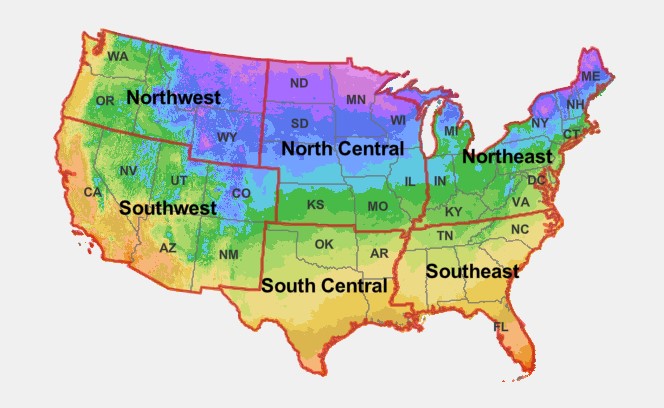
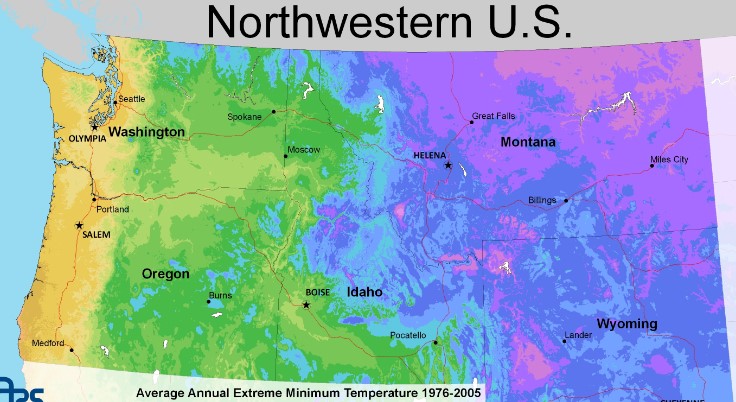
Each growing zone is depicted with a color. Colder colors, like pink, purple, and blue, are used for the colder zones of 1-5 while warmer colors of yellow, orange, and brown are used for the hotter zones of 8-13. Different shades of green are used for the moderate zones of 6-7.
What Growing Zones Do NOT Tell You
Growing zones don’t tell you a lot. Your growing zone does not tell you what your last frost of the year will be in the spring, or when the first frost will hit in the fall. They don’t tell you how long your growing season is or what your general climate is during that growing season.
Growing zones only focus on the coldest temperatures in the winter. They don’t actually tell you much about what you can expect during the spring, summer, and fall of your areas.
You may be able to grow year round in a zone 10. Or maybe the climate in one location in zone 10 has such hot summers that it’s hard to grow any crops during the Summer. Maybe they can grow easily during the late winter/spring season and then again in the fall. But the summer may be too harsh for a lot of plants.
However, it’s possible for someone in that same zone in a different location to grow year round because their summers may stay a bit more mild. It’s all about climate during the growing season, and growing zones don’t give you those details.
Growing Season vs Growing Zone (Quick Comparison)
| Feature | Growing Season 🌱 | Growing Zone 🌍 |
|---|---|---|
| What it measures | Number of frost-free days between last spring frost and first fall frost | Average annual minimum winter temperature |
| Main purpose | Helps you time planting and harvesting | Helps you choose perennials that survive winter |
| Based on | Local frost dates and climate patterns | USDA temperature zone map |
| What it tells you | How long plants have to grow and produce | Whether plants can survive your winter |
| What it does NOT tell you | Exact winter hardiness for perennials | Length of your growing window or summer conditions |
| Most useful for | Vegetable gardening and annual crops | Trees, shrubs, and perennial plants |
| Beginner takeaway | “When can I grow?” | “What can survive here year-round?” |
Why Frost Dates Matter More Than Growing Zones
One of the biggest misconceptions beginner gardeners have is thinking their growing zone tells them exactly when to plant or what will grow successfully in their garden. In reality, growing zones only measure the average coldest winter temperature in your area.
You can guess that growing zones with a lower number have shorter growing seasons overall than zones with a higher number. Locations farther from the equator tend to have colder climates than locations closer to it. Their colder winters will give them a lower growing zone number.
To get an accurate picture of your climate and growing season, start with finding your first and last frost dates. Those tell you more about your growing season than your growing zone will.
To find your average first and last frost date go to the Farmer’s Almanac website and type in your zip code. Here are the dates for my region and my predicted number of days in my growing season for the 2025 year.

If you are outside of the U.S. a Google or Internet search may yield a good resource for you to find your frost dates and growing season length. I am only familiar with resources for the U.
These dates will tell you when to start seeds, when you can start planting outside, how long you are likely to have to grow before the first fall frost kills off all but the cold hardy plants. This information helps you choose varieties that are likely to do well in your area.
The general climate in a location is the other piece that helps you determine what you might successfully grow there.

When Growing Zones Matter Most
The growing zone of a location matters the most when you are dealing with perennial plants. Perennial plants are plants that come back year after year; they don’t completely die off during the winter months. This is different than a self-seeding annual plant that looks like it comes back year after year. These are different plants that are growing each year from the seeds the previous year’s plants dropped.
There are some plants that can be perennial plants in some locations but only annuals in others. Artichokes, for example, will grow year after year in a warmer climate. But in colder climates, the winters get too cold for the plant to survive. They die off when the temperatures drop, and you will have to replant them every year.
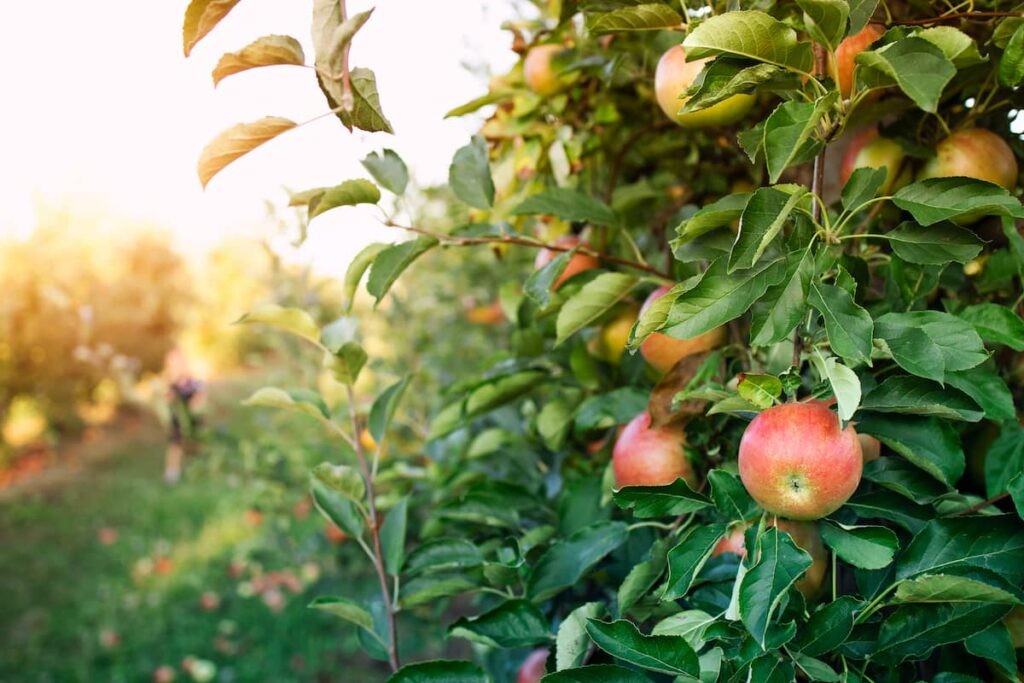
This information will tell you whether a specific plant will do well in your area. This is really helpful when looking at fruit trees or cane berries. Nurseries label trees with the growing zones they will survive in. That information tells you whether or not they’ll survive the winter or if they’re likely to die.
If they’re likely to die off, then that’s not a variety that you’ll want to plant in your location. You’re better off picking varieties of fruit trees that will survive your winters so you will actually be able to get a harvest from them when they mature.
Growing Zones vs Climate: Why They Aren’t the Same
One of the most confusing parts of gardening is that growing zones and climate are often talked about like they mean the same thing. While they are connected, they are not interchangeable, and understanding the difference can save you from a lot of frustration in the garden.
Your USDA growing zone is based on one specific factor: the average coldest winter temperature in your area. That’s it. It tells you how cold your winters typically get and helps gardeners determine whether perennial plants can survive those temperatures year after year.
Climate is much broader. Your climate includes things like summer heat, humidity, rainfall, wind, drought conditions, and the length of your growing season. These factors have a huge impact on how well plants actually grow.
Your first and last frost dates are dependent on the climate in your location. You can infer climate patterns from a growing zone, but it doesn’t actually tell you the reality of what a specific location’s climate looks like.
For example, I live in Zone 8b in Western Washington, but zone 8 is also found in the south from Texas through Georgia. Our zones are the same, but our gardens will look completely different. The south has a hot, dry climate with intense summer heat, while I tend to have cool, damp summers with frequent rain through most of it. Even though we share the same growing zone, we grow entirely different crops successfully. They do great with sweet potatoes, I do not.
This is why some plants struggle even when the plant tag says they are “hardy” in your zone. A plant may survive your winter temperatures but still dislike your humidity, dry conditions, heavy rainfall, or extreme summer heat.
It’s also why local experience matters so much in gardening. Paying attention to your frost dates, weather patterns, soil conditions, and seasonal changes will teach you far more than your growing zone alone ever can. Over time, you’ll learn the little quirks of your own garden space, from the spots that warm up first in spring to the areas that stay cooler or wetter after rain. How to Plan A Vegetable Garden That Actually Produces will help you plan out your best vegetable garden using your growing season as a guide.
Growing zones are a helpful starting point, but climate is what truly shapes your gardening experience.
Frequently Asked Questions: What Are Growing Zones?
Q: What is the difference between a growing zone and a frost date?
A: Growing zones tell you the average coldest winter temperature in your area. Frost dates tell you when freezing temperatures usually end in spring and begin again in fall.
Q: Can two places have the same growing zone but different climates?
A: Yes. Two areas can share the same growing zone while having completely different rainfall, humidity, summer heat, and growing seasons.
Q: Do growing zones tell you when to plant vegetables?
A: Not exactly. Frost dates and soil temperatures are more important for annual vegetable gardening.
Q: How do I find my USDA growing zone?
A: You can enter your zip code into the USDA Hardiness Zone Map to find your growing zone.
Q: Why do seed packets list growing zones?
A: Growing zones help gardeners know whether perennial plants can survive winter in their area.