Raising Backyard Chickens: A Beginner’s Guide to Happy, Healthy Hens
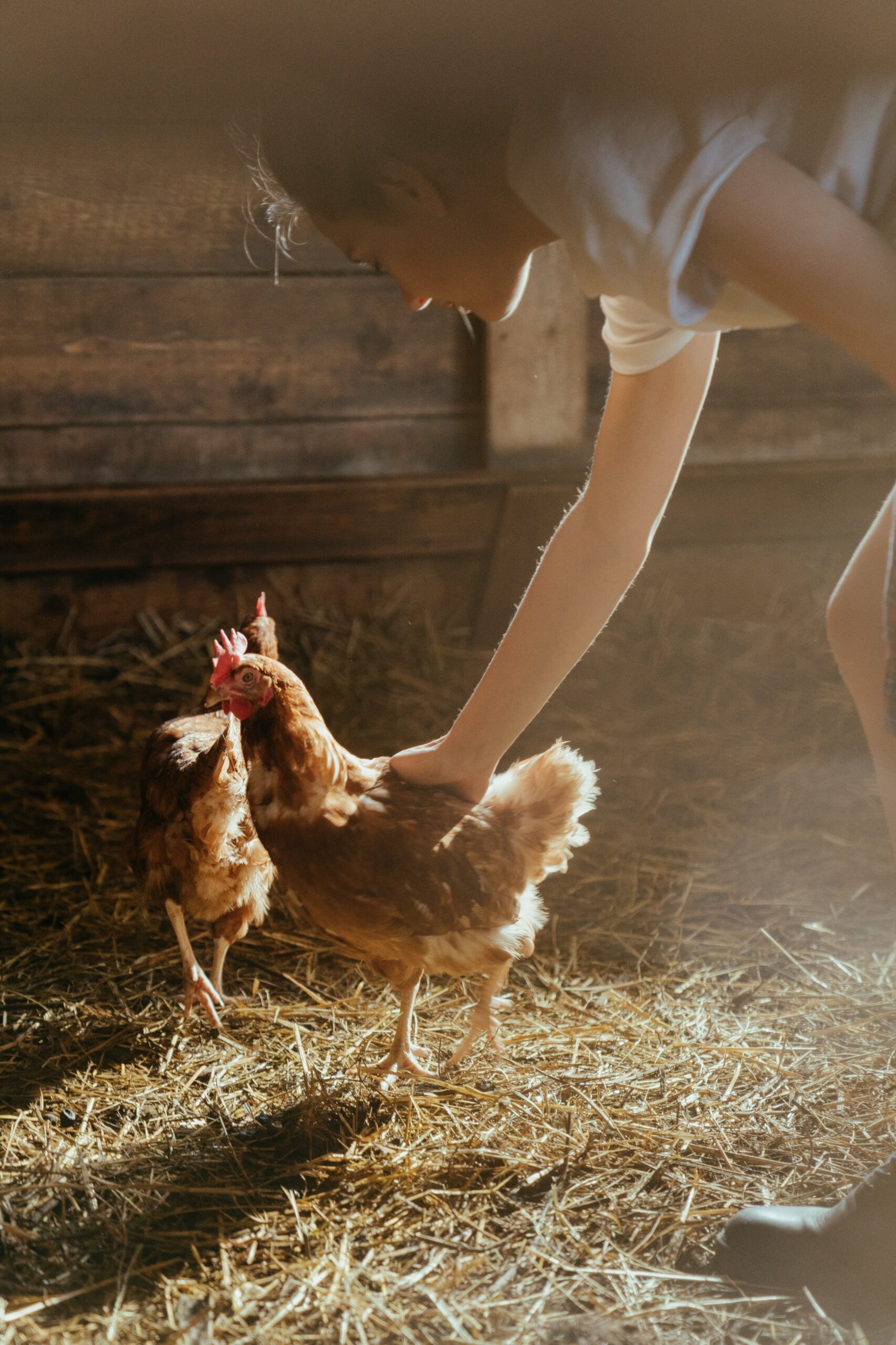
Welcome to the wonderful world of raising backyard chickens! Whether you’re looking for fresh eggs, natural pest control, or just the joy of having these delightful birds, raising chickens can be fun and productive your for homestead. They are often the first livestock people get. They are useful, small, they don’t need a lot of space, and often times even people in the city can have a few. This guide will walk you through the basics on choosing and taking care of your hens so they stay healthy and productive.
Why Raise Chickens?
Backyard chickens offer more than just fresh eggs. They’re great for composting kitchen scraps, they provide natural fertilizer for your garden, and they can help control pests. Plus, they’re fun and educational for the whole family.
I raise chickens mostly for the eggs, but they are also great garbage disposals. They also love milk, and my goats give me way more than I need during the summer. Chickens are a great resource for using that extra milk, and they turn it into the most delicious, and nutritious, eggs.
Gardening comes with a lot of plant waste. You harvest what you need and then the plants get taken out and composted. That’s how I did it for years, and then I got chickens.
When I take plants out, I throw them to the chickens and they devour them. It’s a great way to turn your garden into a no waste space. Have a wormy turnip? Chickens will go crazy for it. And in return they give you an abundance of eggs and fertilizer that can go back to your garden.
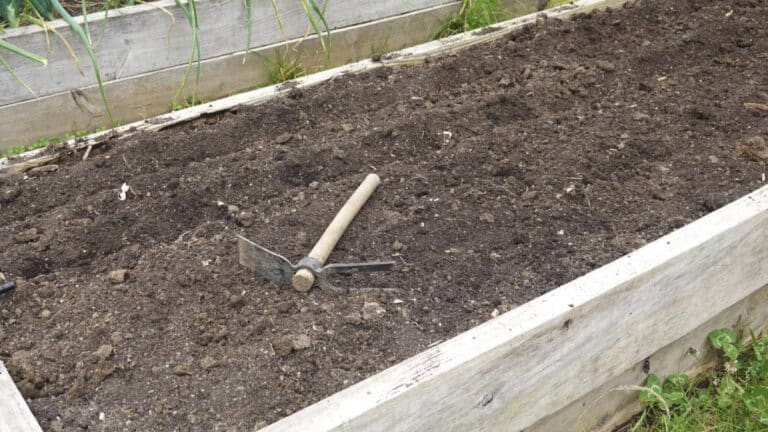
At the end of the season I like to let the chickens run around in the garden. They clean up plants and scraps. And they also poop everywhere, leaving behind the fertilizer that will help you grow even better plants next season. You can see my posts on How to Repair Soil and How to Prepare Soil for more information on how compost benefits your garden soil, and therefore how chickens will benefit it.
Choosing the Right Breed
The first step is to select a breed. Consider factors like the climate of your area, the space you have available, and what you want from your chickens (e.g., egg production, meat, or just as pets).
Popular breeds for beginners include the Rhode Island Red, Plymouth Rock, Barred Rock, and Sussex because they are typically pretty friendly and easy keepers.
If you want colored eggs Easter Eggers may be a great option. I also had some Americanas that laid lovely light blue eggs and were easy to keep.
The different Marans (black copper marans, cuckoo marans, wheaten marans, etc.) lay lovely dark brown eggs. Some are speckled, and some are plain brown.
If you would like a smaller sized chicken, consider looking for bantam chickens. You can find many different breeds in bantam, or smaller, sizes. I prefer standard sized chickens, but if you have a smaller space bantam breeds may be the perfect choice for you.
Consider the Production and Egg Size of the Breed
Part of the fun of raising backyard chickens is getting a rainbow of colors, but there’s more to picking breeds than just the color of eggs.
Before choosing the breed(s) of chickens you want, look at what their production is. Every chicken breed has an estimated yearly production amount. I love White Leghorns because they have an egg production of about 300 eggs per year. There are very few days of the year (and mostly in winter) when I’m not getting eggs from these hens.
Other breeds, like the Marans or Cream Legbars, only have production amounts of 150-200 per year. That doesn’t mean you shouldn’t get them, but you will want to keep that in mind. You aren’t going to get the abundance from these breeds that you would get from a White Leghorn (or Rhode Island Red, Plymouth and Barred Rocks, etc.)
Egg size is another factor to consider. Does the breed you’re looking at lay medium, large, or extra large eggs? Which size do you want? Or do you want a mix of sizes? Personally I like breeds that lay large eggs because that’s what works best for baking. And I bake a lot. You’re needs may be different.
Will Your Chosen Breed Go Broody?
What is broody? Broody is the term used for hens that have stopped production and are trying to hatch eggs. Basically, they’re ready to be mammas.
You can usually look up a breed to see if it’s likely to go broody or not. The only breed I’ve ever personally owned that went broody was the Orpingtons. I had Chocolate Orpingtons that decided they needed to be mammas. And boy were they persistent about it!
Out of all the other breeds I’ve had, the Orpingtons are the only ones that have gone broody. But there are plenty of other breeds that will. If this quality matters to you (as either a pro or con) research it first so you know what to expect.
Housing Your Chickens
Chickens need a safe, comfortable place to live. A good chicken coop provides shelter from weather and predators, nesting boxes for laying eggs, and space for the chickens to roost at night. Make sure there’s enough space for all your chickens – a general rule is about 3-4 square feet per bird inside the coop and 8-10 square feet per bird in an outside run.
Make sure the run is predator proof as well. I’ve had a coyote steal chickens in the late morning, when you would expect all the predators to be bedded down for the day. That was a hard lesson to learn, but an important one.
One improvement I made to my coop is adding an automated door. This is a complete game changer for me. I work full time and have a small toddler. I do chores at odd hours and am not always out to open the door for the chickens in the morning.
I’ve been using this solar powered NyPots automatic chicken door for a year and a half now and it’s still going strong. I love it and can’t imagine not having it. I can set the time it opens and closes. It’s easy to update and I don’t have to worry about having electricity at my coop. The solar panel works well even in the cloudy and rainy conditions of our Pacific Northwest winters.
Feeding and Watering
Chickens require a balanced diet to stay healthy. You can feed them a commercial chicken feed, supplemented with kitchen scraps and insects they find while foraging. Fresh water should be available at all times, especially during hot weather.
I feed my chickens a balanced layer feed from a local mill. I’ve also fed them Scratch and Peck layer feed. I loved the feed, and so did the chickens, but it can get a little pricey. I wouldn’t consider this food to be budget friendly. Your local feed store should have some great options for you to choose from.
For adult hens that are laying, make sure to pick a layer specific feed. It will have the protein and mineral needs that a laying hen requires for health and maximum egg production.
If you start with chicks, make sure to get a specific chick feed. It’s higher in protein to boost growth and the particles are smaller to make it easier for small chicks to eat.
Health and Maintenance
Regular check-ups are important to keep your chickens healthy. Look out for signs of illness like lethargy, poor appetite, or abnormal droppings. Keep the coop clean to prevent disease. Raise nesting boxes off the floor and cover them so the hens can’t hang out on top and poop into them.
Your run should have a layer of sand, woodchips, pea gravel, or other substrate on the bottom of the chicken run. It helps keep the chickens out of mud or standing water. This helps them stay healthier.
Inside the coop sand, saw dust, wood shavings are great options for the floor. They make clean up very easy. You don’t want to have to scrape chicken poop off the floor, it’s miserable.
Having an area of sand, dirt, or wood ash available is important to give the birds a place to take dust baths. Dust baths are important for pest control, so do not over look this.
Your hens will also need some kind of grit, whether they pick that up from dirt outside or you have that available to them inside the coop. Chickens don’t have a stomach where their food is digested. Instead they have an organ called a gizzard that uses the grit (small pebbles and sand) to grind the food. Chickens can’t digest properly without it.
Lastly, having oyster shell or another source of calcium will help the chickens lay eggs with strong shells.
Now The Fun Part – Eggs!
One of the greatest joys of raising chickens is collecting fresh eggs. Most hens will start laying eggs at around 4-6 months of age and can continue for several years. The frequency of laying depends on the breed, the time of year, and the hen’s overall health.
Refer back to the section on Choosing The Right Breed for more details.
And for ideas on what to do with those eggs, see Have Too Many Eggs? 21 Easy Ideas To Use Your Egg Abundance.
Local Regulations
Before you start, check your local city and neighborhood regulations regarding backyard chickens. Some areas may not allow chickens and others may have restrictions on the number of chickens you can keep. If you live in a neighborhood roosters are often prohibited because they make a lot of noise.
Conclusion
Raising backyard chickens can be a fulfilling hobby that brings a bit of the rural lifestyle to your home, even if you’re in the city. It’s a great way to produce your own food and teach your family about sustainable living. With a little preparation and care, you will love the addition of chickens to your homestead.