How To Choose Plants For Difficult Garden Areas
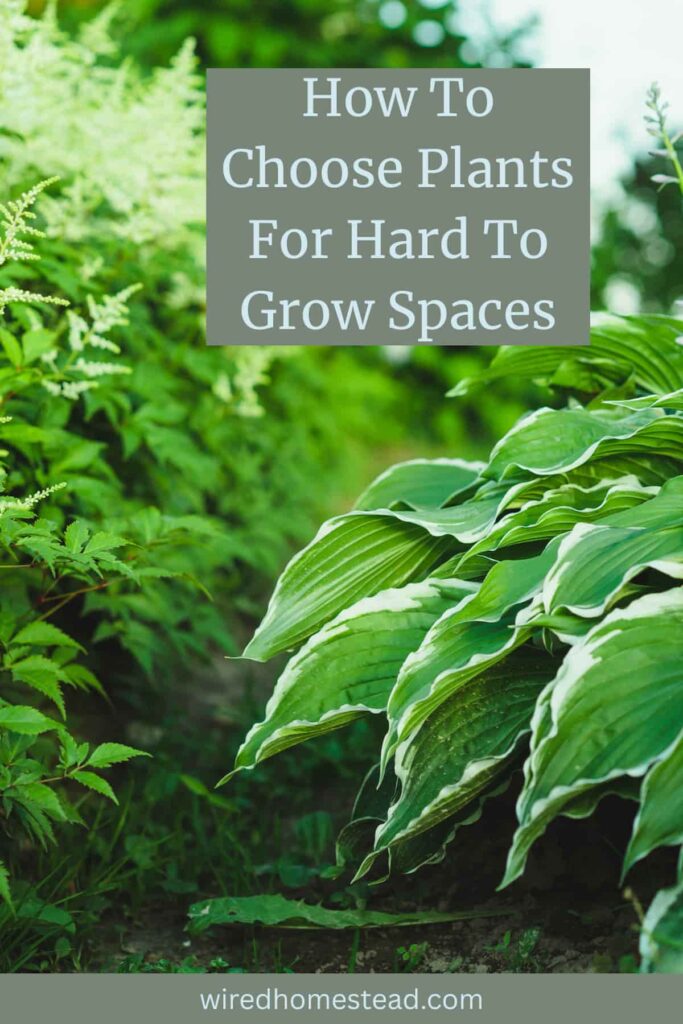
Every garden has that spot. The corner where nothing seems happy. The strip along the fence that gets blasted by wind. The shady patch under the old tree. My old garden area had a lot of shade problems and my new one has shade, wind, and even an excessive amount of sun. I’ve become a bit of an expert in how to choose plants for difficult garden areas. You can become an expert, too, by learning how to choose the right plants for your difficult spots.
Pin It For Later ⤵️
Create a Map of Your Garden
Before you buy a single plant, spend at least a few days observing. If you can, observe the area through the spring, summer, and fall. This will give you the best information on how sun, shade, wind, and other challenges change for all parts of your garden area throughout the year.
Sketch or write down the answers to these questions:
- Where does the sun land in the morning versus afternoon?
- Does wind whip through or gently pass by?
- Does the soil stay moist, or bake dry and crack?
Taking the time to observe before you plant will save you time, money, and frustration later.
Choosing Plants for Shade
There are varying degrees of shade based on how much shade an area receives throughout the day.
- Full shade: 2 or less direct sunlight
- Partial shade: 3-6 hours of sun at any time of day
- Dappled shade: shifting light through trees
Many beginner gardeners assume nothing grows in shade, but that’s not true at all.
Some reliable shade tolerant plants for home gardens include:
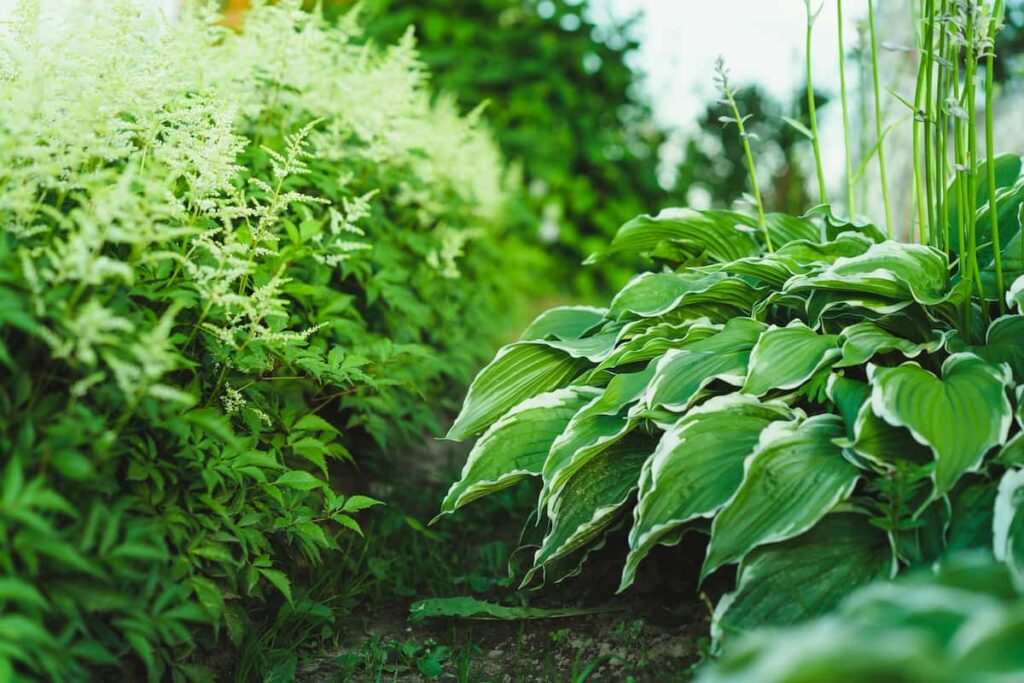
- Hostas
- Ferns
- Heuchera (coral bells)
- Bleeding heart
- Hellebore
- Astilbe
- Coleus
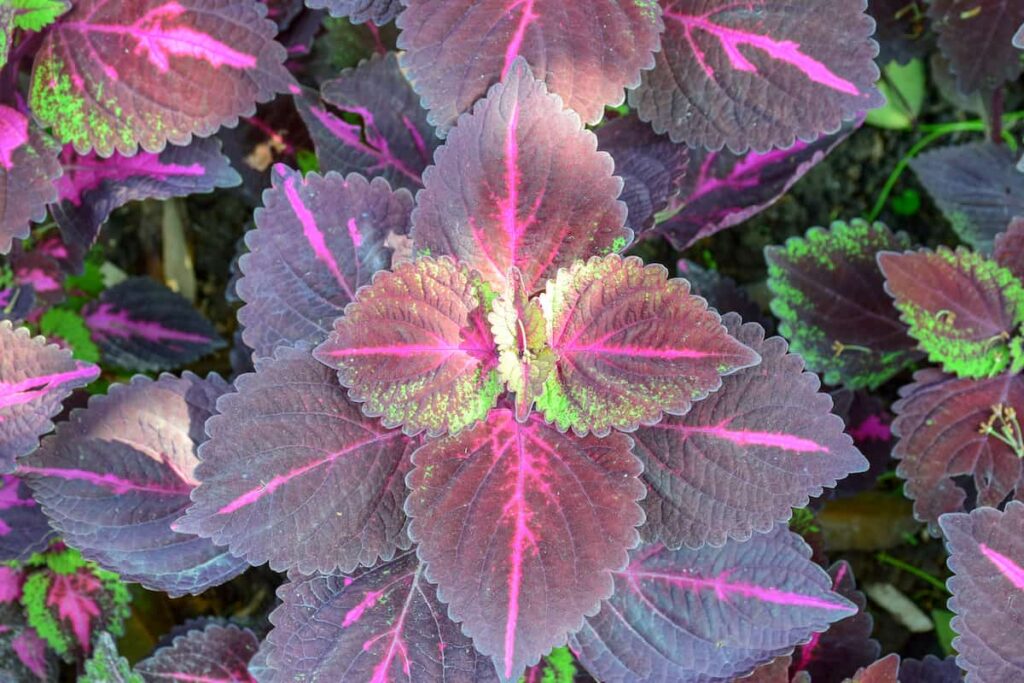
I used to have a spot in my front yard that was under a large cedar tree. It was shaded almost the entire day, even at the height of summer. I grew all the plants on this list in that space successfully.
Leaf texture and color matter more than flowers in shade. Look for plants with broad leaves or deep greens. These plants have evolved to soak up light wherever they can find it.
In the vegetable garden, plants that tolerate the most shade are your cooler weather plants.
- Lettuce
- Kale
- Spinach
- Cilantro
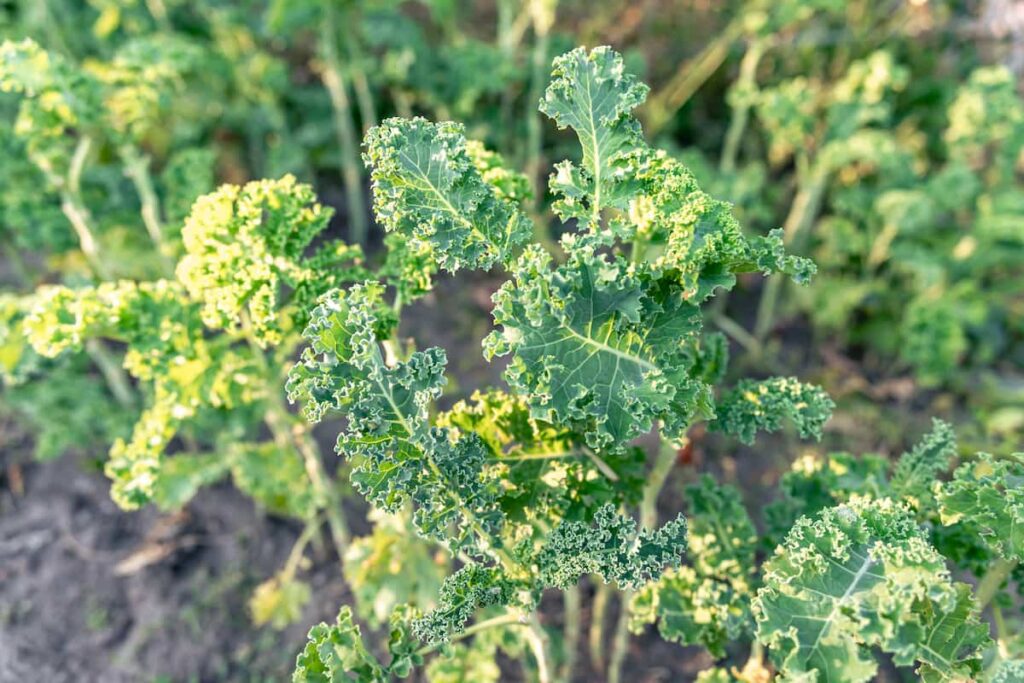
They still need some sun, but can grow in shadier conditions quite well. I’ve successfully grown these vegetables in dappled or partial sunlight before.
Wind Resistant Plants for Gardens
Wind is often the most overlooked garden challenge. Constant wind dries soil, snaps stems, and stresses plants even when the sun and soil are perfect.
When choosing wind resistant plants for gardens, look for:
- Flexible stems rather than stiff ones
- Narrow or small leaves
- Deep or spreading root systems
Great options for windy garden spots include:
- Ornamental grasses
- Lavender
- Yarrow
- Russian sage
- Shrub roses
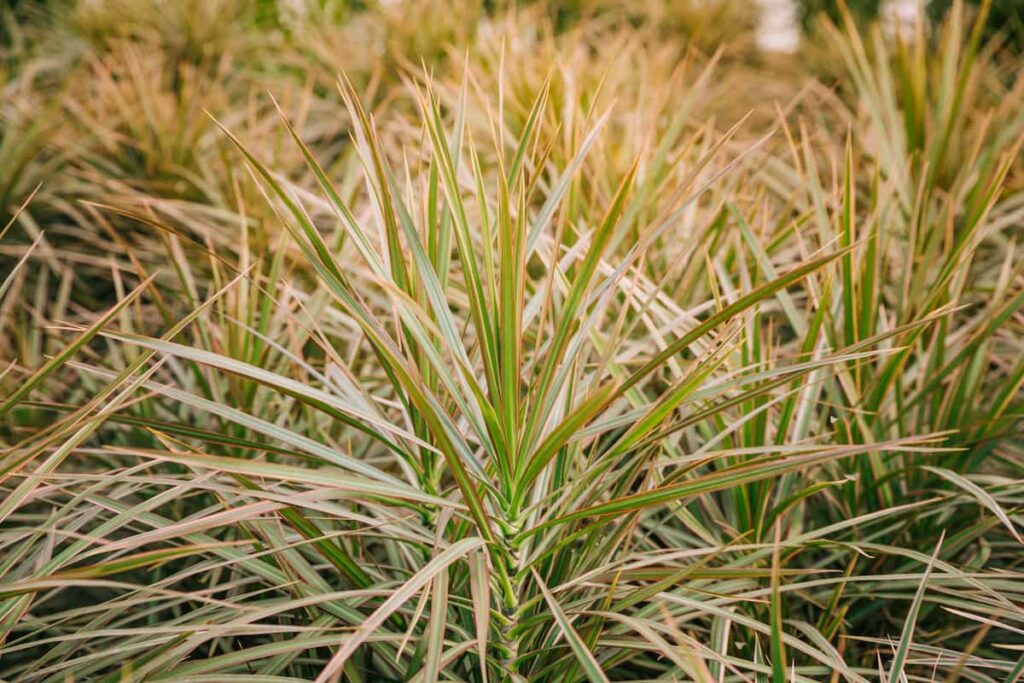
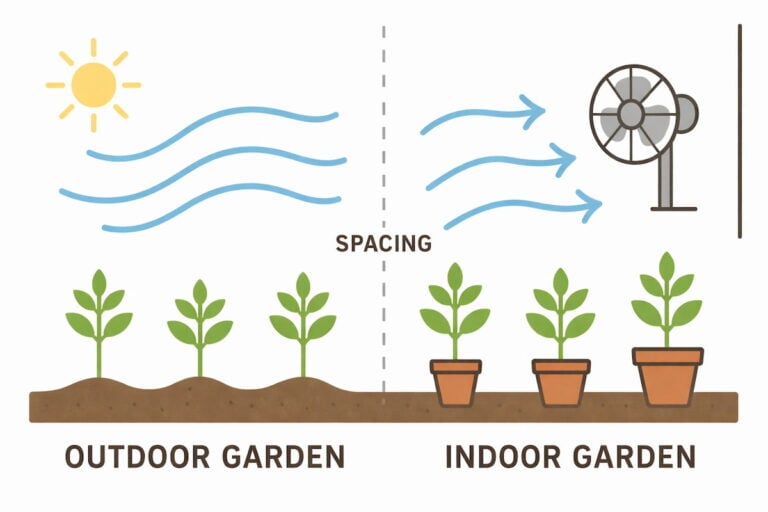
Planting in groups and using natural windbreaks like fences or hedges helps too. Trellises are a great option and I use a lot of those for my very windy garden area. Windy gardens benefit from support, whether that be a trellis or a group of plants close together. A single plant, or ones that are highly spaced out, may not be able to withstand the wind as well.
Most garden plants can handle the wind with some support. Try these vining plants in windy areas:
- Cucumbers
- Pumpkins
- Winter squash
- Melons
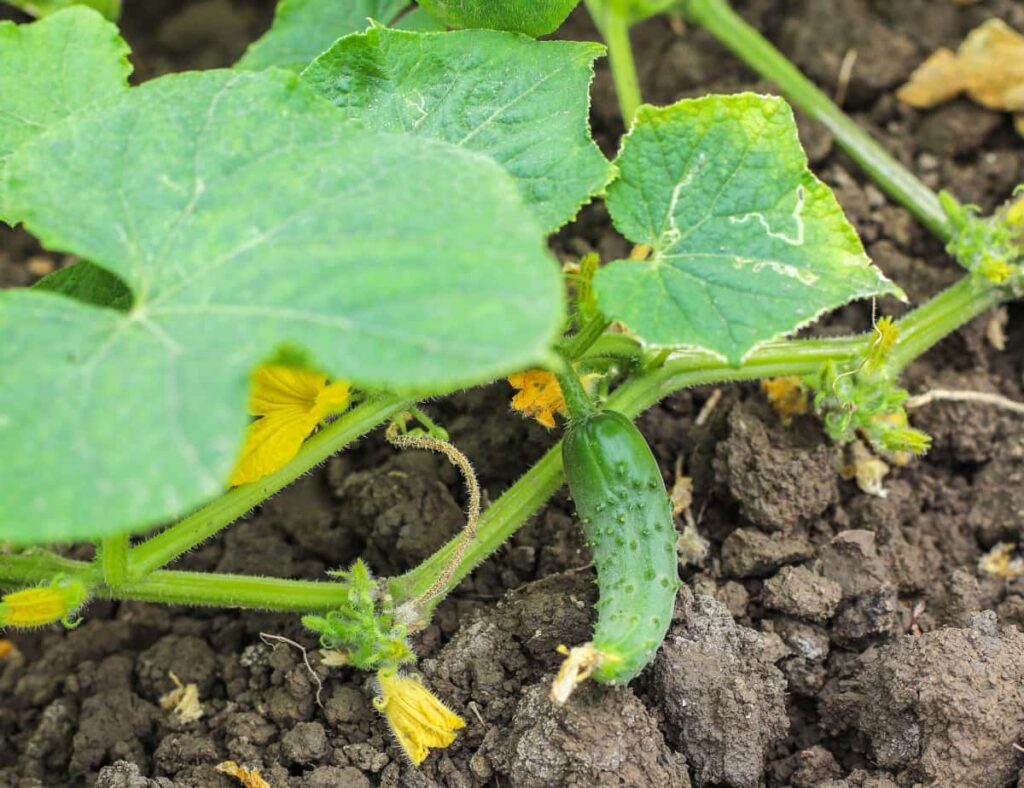
If allowed to grow along the ground, they won’t be bothered too much by wind. You can also grow things like tomatoes and peppers, but they’ll need some support so their stems do not snap.
Choosing Plants for Hot, Dry, or Heat-Trapped Areas
Heat can build in an area that gets a lot of sun, and little to no shade, throughout the day. But it can also be a result of heat being reflected off other surfaces.
Areas near stone walls, sidewalks, driveways, or metal fencing can hold and radiate heat long after the sun has set. These spots require more heat tolerant plants for full sun.
Plants that thrive in hot, dry conditions often have:
- Silvery or fuzzy leaves
- Thick, waxy coatings
- Deep roots
Some of the best plants for hot dry areas include:
- Echinacea (coneflower)
- Sedum
- Salvia
- Thyme
- Blanket flower
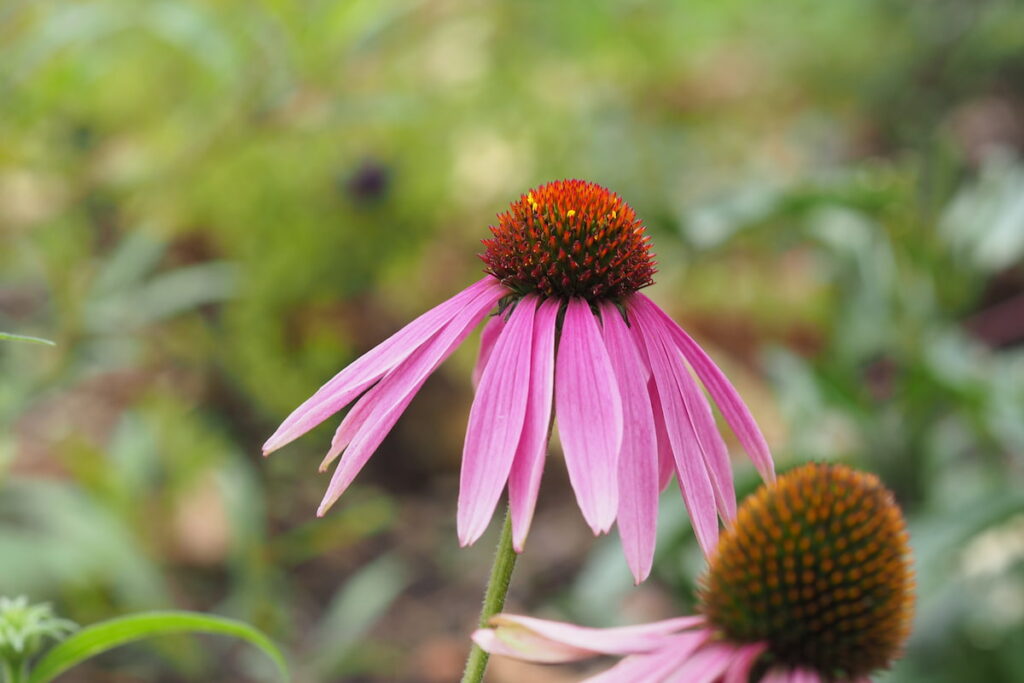
Once established, these plants don’t just survive heat. They flourish in it.
In the garden, herbs are your best bet for dry and hot. Along with thyme, these herbs would be a good fit:
- Oregano
- Rosemary
- Sage
- Mint
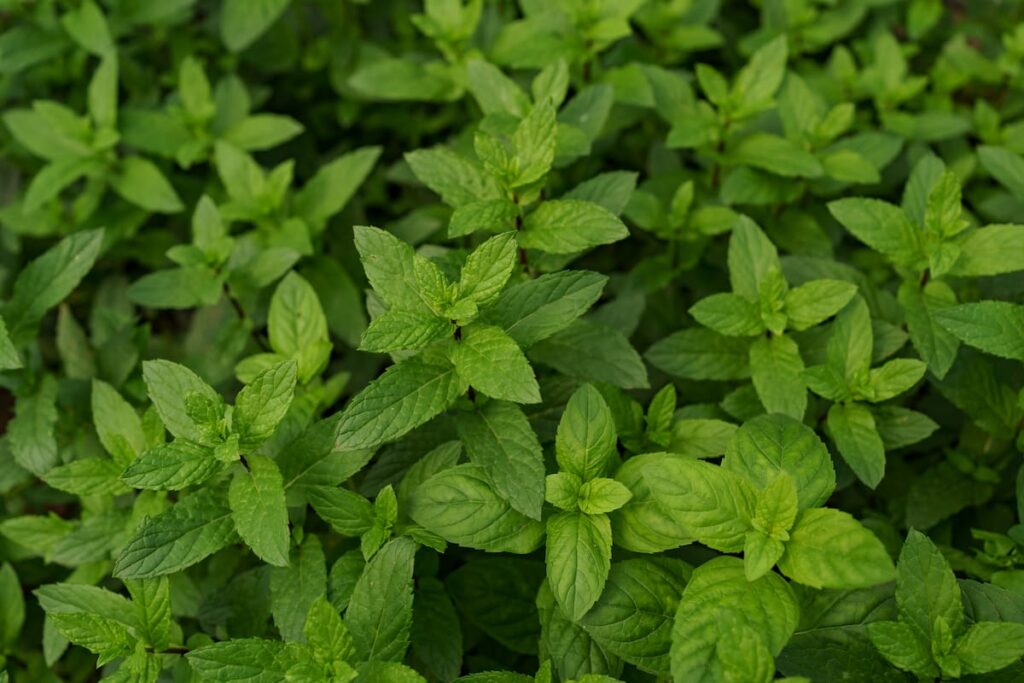
You can plant heat-loving vegetables as well, like peppers, corn, and tomatoes, but you will need to make sure to water them on a consistent basis. They love heat, but do not tolerate dry as well as the herbs.
What to Do When Challenges Overlap
Some garden areas combine shade and wind, or heat and drought. These spaces can be quite tricky, but you can still grow in them.
You can include modifications to overcome pretty much everything but shade. Unless you move large vegetation, fences, or maybe even your house, it’s hard to make a shady spot sunny. In those places, they don’t have to be productive. Instead, they can be a quiet place you sit and enjoy a few low maintenance plants. Or put in a seating area for you to find rest and to look out at the rest of your space.
For wind you can build windbreaks or trellises like I mentioned above. That will help you grow a lot more in those spaces. You can modify windbreaks to include shade cloth if your space is windy, sunny, and/or hot. Mulch is important for windy areas to keep moisture in the soil.
For really sunny or hot spaces, shade cloth is a great option to block afternoon sun and prevent extreme heat.
Heat can also be combated by using shade cloth to block the sun at the hottest time of day. Or it can also be mitigated by mulch. It’s okay if the top of the plant gets hot. Plants might wilt during the day but they’ll bounce back overnight. Mulch helps keep the soil cooler. That, in turn, keeps the roots cooler. Keeping the roots cooler is what will really let your plants thrive in the heat. Watering on a consistent basis is also very important for your plants in these areas to thrive.
Dry conditions often go along with heat. Mulch is your best friend for any dry area. Mulch is great for all conditions, but for dry ones it helps keep moisture in the soil instead of letting it evaporate. You’ll need to water less often, and you won’t need to worry if you have dry summers like we do in Western Washington. During our summer we often get 2-3 weeks of heat with no rain. Sometimes longer. With mulch, I only water about once a week and my plants do great.
Right Plant, Right Place
Master gardeners don’t fight their land. Instead, they work with it.
Choosing plants for difficult garden areas isn’t about finding that magical plant. It’s about noticing patterns, respecting your microclimate in that space, and choosing the plants that already know how to live there.
Once you match the right plant to the right place, you’ll notice growing in those areas is no longer difficult. You feel accomplished and excited as you watch those plants flourish where you thought you couldn’t grow anything.
These are the wins that make a gardener excited, season after season.
Frequently Asked Questions
Q: What plants grow best in shady areas?
A: Plants that grow best in shade are those adapted to lower light levels and cooler soil. Popular shade tolerant plants for home gardens include hostas, ferns, astilbe, coral bells, and bleeding heart. Vegetables include kale, spinach, and cilantro.
Q: How do I know if an area is full shade or partial shade?
A: Watch the area throughout the day. Full shade receives little to no direct sunlight, while partial shade usually gets 3–6 hours of sun. Dappled shade occurs when sunlight filters through tree branches and leaves. Knowing this helps you choose the right plants for tricky garden spots.
Q: What are the best plants for windy garden areas?
A: Wind resistant plants tend to have flexible stems, narrow leaves, and strong root systems. Ornamental grasses, lavender, yarrow, Russian sage, and shrub roses handle wind well. Low growing, vining plants like cucumbers, winter squash, and melons also do well. Grouping plants together and adding windbreaks also improves success in exposed gardens.
Q: Can plants survive constant wind?
A: Yes, but the plants you choose to grow matter. Plants adapted to open landscapes, prairies, or coastal environments are more likely to thrive. Avoid tall, top-heavy plants unless they are well supported. Wind can dry soil quickly, so mulch and deep watering are important in windy areas.
Q: What plants are best for hot, dry areas?
A: The best plants for hot dry areas are drought-tolerant and heat-adapted. Coneflower, sedum, salvia, blanket flower, thyme, oregano, and lavender thrive in full sun and high temperatures. These plants often have silvery, fuzzy, or thick leaves that reduce moisture loss. With mulch and proper watering, you can grow most heat-tolerant vegetables in hot, dry areas.
Q: How do I garden near walls or pavement where it gets very hot?
A: These areas trap and reflect heat, creating harsh growing conditions. Choose heat tolerant plants for full sun and improve the soil with organic matter. Mulching helps regulate soil temperature and conserve moisture. Once established, these plants often outperform others in extreme heat.
Q: Can I improve difficult garden areas, or should I only plant tough plants?
A: You can improve challenging locations gradually, but starting with plants suited to existing conditions is key. Adding compost, mulch, and wind protection over time helps. Master gardeners follow the “right plant, right place” rule instead of trying to force unsuitable plants to survive.
Q: Why do plants fail in tricky garden spots?
A: Plants often fail because the site conditions don’t match the plant’s needs. Too much shade, excessive wind, or intense heat causes stress even with good care. Choosing plants for difficult garden areas reduces maintenance and increases long-term success.
Pin It For Later ⤵️