What is Damping Off and How to Stop It
There are few gardening heartbreaks quite like losing seedlings to damping off. Every year I’ve dealt with it to some degree. I check my seeds and everything’s looking great. If you catch it early enough, there’s hope. If not, the stems will look pinched, the seedlings will flop over, and they’ll die. What is damping off? Damping off is a fungal infection that is one of the most common problems gardeners of all levels face, especially when starting seeds indoors. The good news is that you can treat it if caught in time. But it’s even easier to prevent it.
What Is Damping Off?
Damping off is a fungal disease that affects seedlings just before or shortly after they emerge from the soil. It’s caused by naturally occurring fungi and fungus-like organisms that thrive in damp, cool conditions.
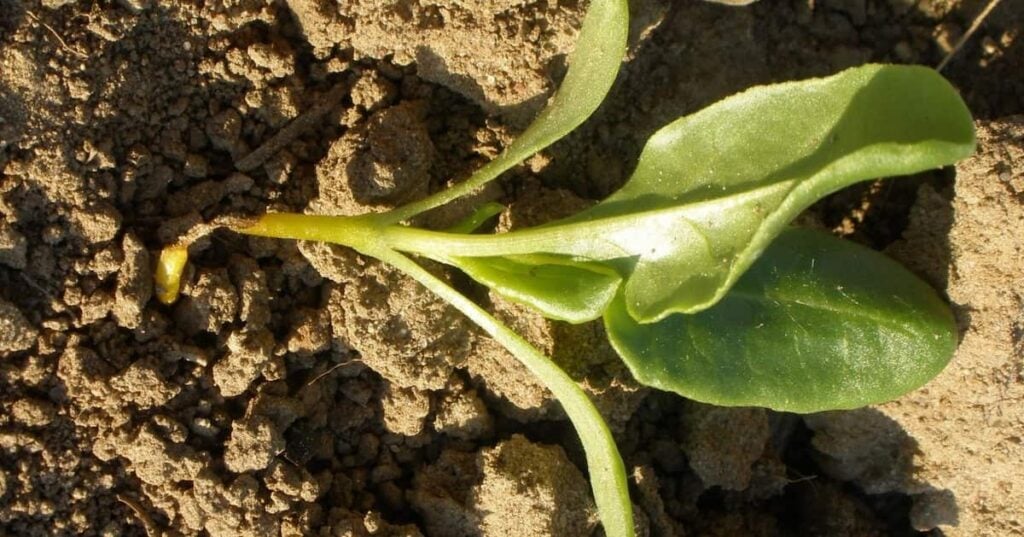
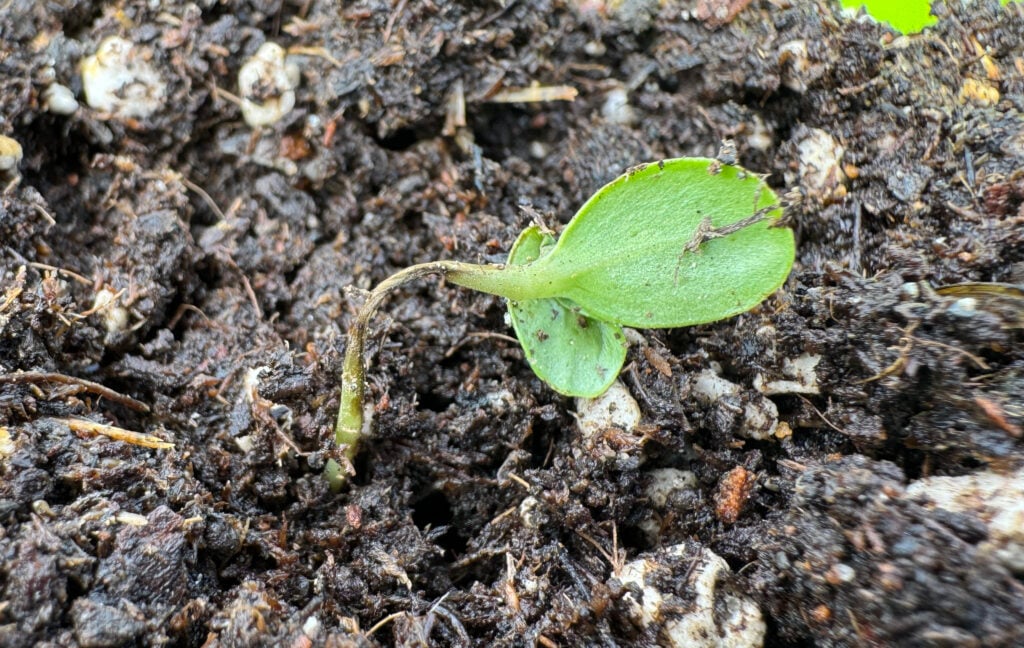
These pathogens live in soil and attack young seedlings at their weakest point, right at the soil line. This is why one of the most common signs is seedlings falling over at the soil line, even though the leaves still look green.
Once a seedling collapses from damping off, it cannot recover.
Signs of Damping Off in Seedlings
Damping off doesn’t always appear gradually. Often times it starts with a bang and looks like this:
- Seedlings suddenly topple over overnight
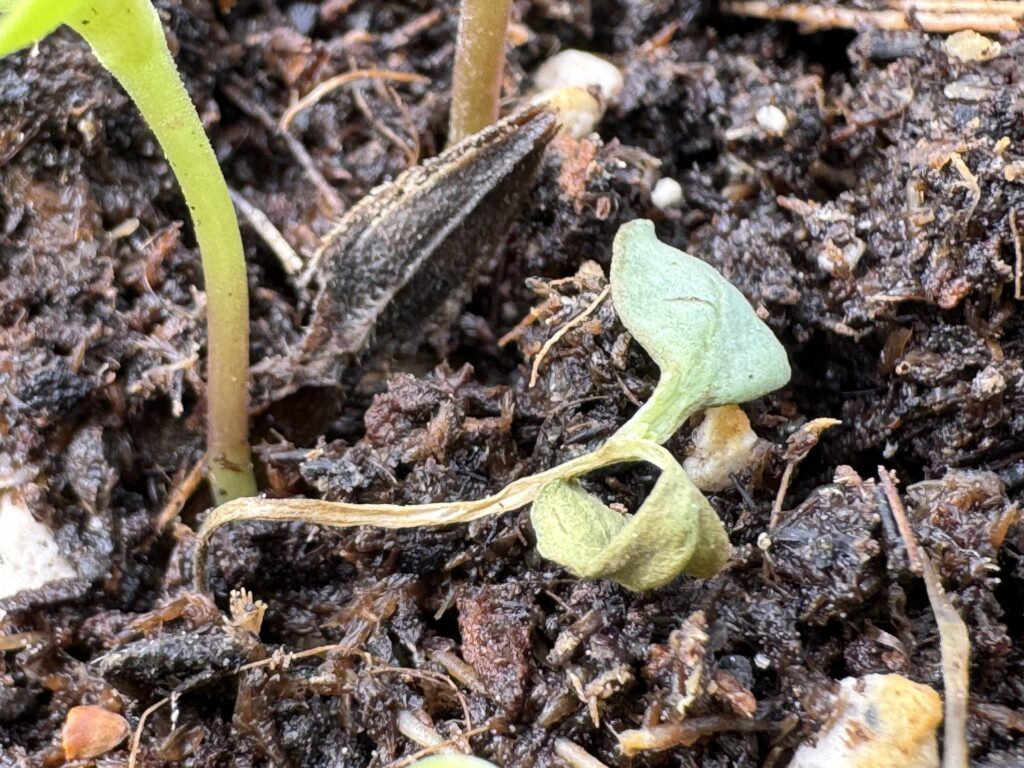
- Stems appear thin, pinched, or water-soaked at the base
- Seeds germinate but disappear before forming true leaves
- Groups of seedlings fail in patches rather than all at once
Many gardeners mistake this for underwatering or weak stems, but if your seedlings collapse despite moist soil, damping off disease is likely the cause.
What Causes Damping Off?
Damping off fungus thrives when conditions are more favorable for it than the seedling. The most common causes are:
- Overwatering or constantly wet soil
- Poor airflow around seedlings
- Cold soil temperatures
- Overcrowded trays with poor spacing
- Low light, especially indoors
- Reused containers that weren’t properly cleaned
Indoor seed starting creates a cozy environment for fungi if moisture and air aren’t balanced correctly. This is why damping off in seedlings indoors is so common.
What to Do Immediately If You See Damping Off
If you’re hoping to save affected seedlings, it’s important to know the truth. Seedlings that have already collapsed from damping off cannot be saved.
Here’s what does help:
- Remove and discard affected seedlings right away
- Let the soil surface dry slightly between watering
- Increase airflow using a small fan
- Move seedlings closer to a light source
- Thin overcrowded seedlings
If I start seeing white residue on the top of my soil, I immediately sprinkle a heavy layer of cinnamon over it. Cinnamon is antifungal and I’ve had great success with it if I catch the damping off fungus early.
If it continues to spread, starting over with fresh soil and clean containers is often the best option.
How to Prevent Damping Off (This Is Where You Win)
Prevention is the real solution when it comes to damping off.
Use the right soil
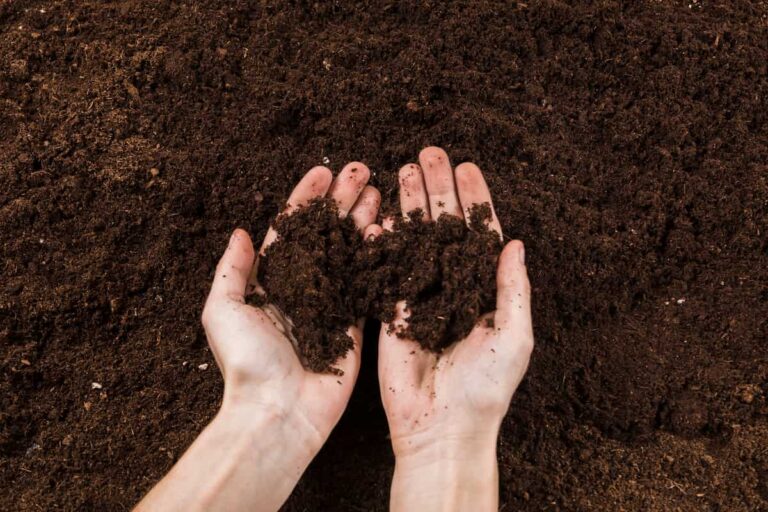
Always start seeds in a light, sterile seed-starting mix. Garden soil and heavy potting mixes retain too much moisture and are not ideal for seed starting. With more experience, you may be able to create your own mix, but when you’re new to seed starting stick with seed starting mixes.
Water wisely
Bottom watering is one of the best ways to prevent damping off. It keeps stems dry and encourages strong roots.
Provide airflow
A gentle fan strengthens seedlings and dries excess moisture on the soil surface. Learn more about Why Airflow is Important for Healthy Plants.
Don’t overcrowd
Seedlings need space. Thin early, even if it you really don’t want to. When to Thin Seedlings is a great resource to learn more on thinning seedlings.
Clean containers
Wash reused pots with hot soapy water or a diluted vinegar solution before planting. I spray a light coating of hydrogen peroxide after washing to make sure any pathogens have been killed.
Give enough light
Weak, stretched seedlings are more vulnerable to disease.
Natural Treatments for Damping Off (What Actually Helps)
There are many remedies suggested for damping off soil treatment. Some are helpful, others less so.
- Cinnamon: Contains antifungal properties. Best when used early but cannot stop advanced stages
- Chamomile tea: Can suppress fungal growth when used to water seedlings.
- Hydrogen peroxide (diluted): May help reduce pathogens, but prevention still matters most. This method is best used on the containers as prevention.
These treatments can help reduce risk, but none can reverse damping off once it starts attacking your seedlings.
Why Outdoor Seed Starting Has Less Damping Off
Seedlings grown outdoors using methods like winter sowing often experience far less damping off. Natural airflow, temperature fluctuations, and better drainage create conditions that favor strong seedlings instead of fungal growth.
If damping off keeps happening indoors, moving some of your seed starting outside can be a really great option. To learn more about winter sowing check out my post How To Start Seeds Outdoors.
Don’t Get Discouraged
If you’ve lost seedlings to damping off, don’t think you’re failure that can’t start seeds. Every experienced gardener has had to deal with fallen seedlings.
Preventing damping off is all about balance. Not too wet. Not too crowded. And not too still.
Once you learn how to prevent it, your seedlings grow sturdier, your confidence also grows, and those seed trays start to build hope instead of frustration.
Frequently Asked Questions About Damping Off
Q: Can seedlings recover from damping off?
A: No. Once a seedling collapses from damping off disease, it cannot recover. The stem has been damaged at the soil line, preventing water and nutrients from moving upward. The best step is to remove affected seedlings immediately to protect the healthy ones.
Q: What does damping off look like in seedlings?
A: Damping off usually appears as seedlings falling over at the soil line. The stem may look pinched, thin, or water-soaked where it meets the soil. In some cases, seeds sprout but disappear before forming true leaves.
Q: Why are my seedlings falling over after sprouting?
A: Seedlings that fall over shortly after sprouting are often affected by damping off fungus. This is most commonly caused by overly wet soil, poor airflow, low light, or overcrowding, especially when seedlings are grown indoors.
Q: What causes damping off disease?
A: Damping off is caused by fungi and fungus-like organisms that thrive in cool, damp conditions. These pathogens are naturally present in soil and become a problem when moisture, temperature, and airflow are out of balance.
Q: How do you prevent damping off in seedlings?
A: To prevent damping off:
- Use sterile seed-starting mix
- Avoid overwatering
- Provide good airflow
- Give seedlings strong light
- Thin overcrowded seedlings
- Clean containers before reuse
Prevention is far more effective than trying to treat damping off once it starts.
Q: Is damping off caused by overwatering?
A: Overwatering is one of the biggest contributors to damping off. Constantly wet soil creates ideal conditions for damping off fungus. Allowing the soil surface to dry slightly between watering helps reduce the risk.
Q: Does cinnamon prevent damping off?
A: Cinnamon has mild antifungal properties and does help reduce surface fungi, but it is not a guaranteed solution. Good watering habits, airflow, and clean soil are much more effective for damping off disease prevention.
Q: Can you treat soil to prevent damping off?
A: Yes. Using fresh, sterile seed-starting mix is the most effective soil treatment. Some gardeners also use diluted chamomile tea or hydrogen peroxide, but these work best as preventative measures, not cures.
Q: Why does damping off happen more indoors than outdoors?
A: Damping off happens more often indoors because seedlings receive less airflow, lower light intensity, and are more likely to be overwatered. Outdoor seed starting methods, such as winter sowing, naturally reduce damping off risk.
Q: Should I throw away soil after damping off?
A: If damping off was widespread, it’s best to discard the soil and start fresh. Reusing contaminated soil will introduce fungal pathogens to new seedlings.