Why Airflow Is Important for Healthy Plants
Plants are quite sensitive to the air around them. Even a gentle garden breeze or the soft hum of a fan indoors can significantly affect their growth, health, and productivity. Have you wondered why airflow is important for healthy plants? Many gardeners overlook airflow, but it’s one of the simplest ways to reduce stress, prevent disease, and naturally strengthen plants.
*As an Amazon Associate I may earn from qualifying purchases at no cost to you.
Why Airflow Is Important for Healthy Plants
Reduces Disease Risk
One of the most important benefits of proper airflow is reducing disease. Stagnant air traps moisture on the soil surface, plant leaves, stems, and flowers. This creates the perfect conditions for fungal pathogens like powdery mildew, mold, dampening off, and even root rot. Keeping air moving around your plants helps surfaces dry more quickly. This will reduce the chance of a disease taking hold.
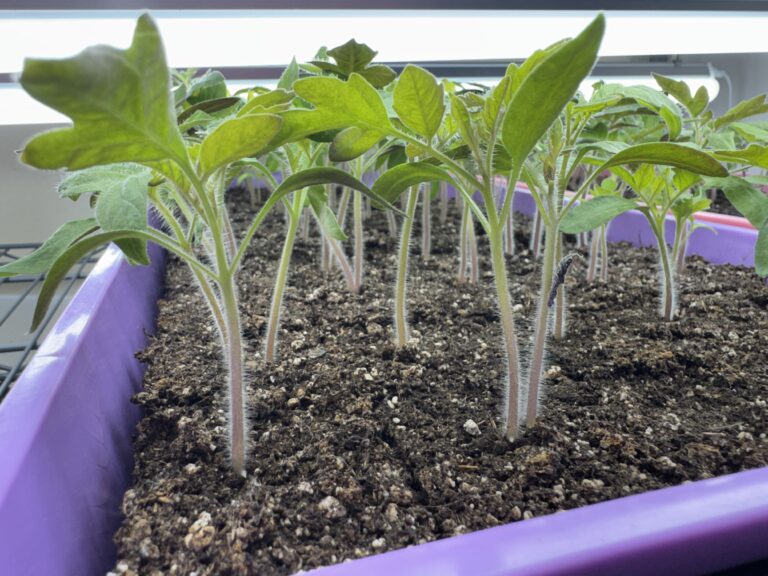
For example, seedlings are especially vulnerable to damping-off, a fungal issue that can wipe out a tray of tiny plants in just a few days. To go more in depth on dampening off, read What Is Dampening Off and How to Stop It. Keeping seedlings healthy involves controlling moisture, temperature, and airflow. Learn more on seed starting by reading Why Seeds Didn’t Sprout.
A small fan gently circulating air over young seedlings can be just as crucial as proper soil and watering. It doesn’t need to be fancy, this little fan that can be placed just about anywhere is all you need if you don’t have a ceiling fan or other gentle wind source inside.
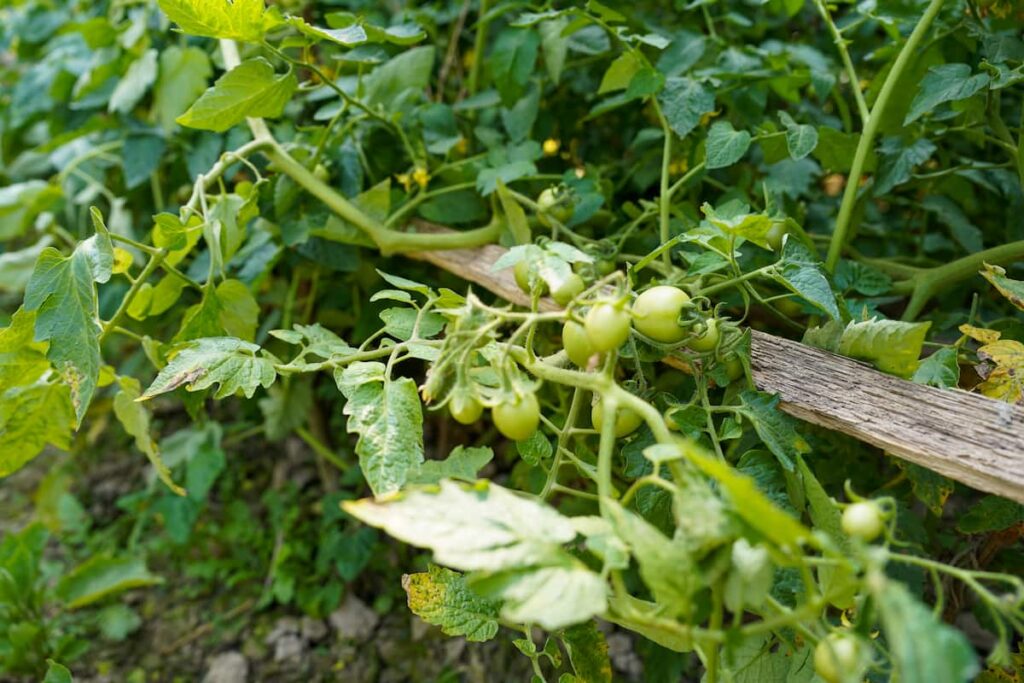
Even mature plants, like tomatoes and peppers, benefit from airflow. Poor air circulation in a dense garden can lead to early blight or gray mold. Regular pruning and strategic plant spacing allow air to move through the canopy, keeping leaves dry and healthy. Read our post on Common Tomato Diseases to learn more about what these are and how to treat them.
Strengthens Stems Naturally
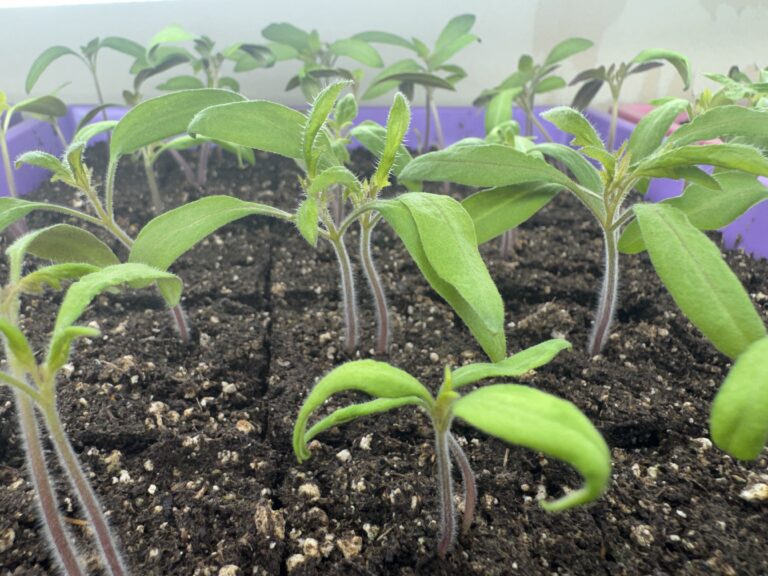
Airflow doesn’t just prevent disease—it strengthens the structure of plant stems. When plants experience gentle movement, their stems respond by thickening and growing sturdier. This natural response helps plants direct more energy toward building strong, resilient stems. Thicker stems help your plants be stronger and better prepared for life outdoors.
Stronger stems help plants:
- Support large leaves and heavy flowers
- Hold up fruits without bending or breaking
- Resist damage from occasional wind, pets, or handling
Indoor plants and seedlings often lack natural breezes, making airflow especially important for them. Even a small oscillating fan can mimic outdoor conditions, helping plants grow thicker stems over time. Strong stems reduce transplant shock and improve overall plant survival.
Improves Gas Exchange and Photosynthesis
Plants “breathe” through tiny pores called stomata, absorbing carbon dioxide (CO₂) from the air for photosynthesis. The byproduct of this process is oxygen, which they release into the air. Airflow helps maintain a steady supply of CO₂ around leaves, ensuring plants have the resources they need to produce energy to grow and produce fruit.
Stagnant air can cause CO₂ depletion near leaf surfaces. Without it, the plant can’t produce enough energy and it slows growth. For indoor plants or greenhouse setups, even a small fan or strategic window placement can enhance the ability for your plant to photosynthesize and improve overall vigor.
Pairing proper airflow with the tips from our 15 Tips For Seed Starting post ensures seedlings grow into strong, photosynthetically active plants.

Regulates Temperature and Humidity
Air movement also helps moderate temperature and humidity levels. Stagnant air can create pockets of excessive heat or humidity, stressing plants and increasing the risk of fungal growth. Circulating air evens out conditions, keeping plants more comfortable and less stressed.
For greenhouse growers, combining ventilation with fans ensures temperature and humidity remain stable. This can dramatically improve your plant growth. Even in outdoor gardens, airflow around plants helps leaves dry faster after rain or dew, preventing fungal issues.
Supports Pollination and Fruit Production
Airflow can improve pollination, especially for wind-pollinated crops like corn. Gentle breezes help carry pollen from plant to plant, increasing corn kernel production.
While insects do most of the work for many crops, adequate airflow can enhance natural pollination and reduce dependence on manual hand-pollination.

Helps Prevent Pest Infestations
Some pests, like spider mites and fungus gnats, prefer calm, stagnant conditions. Regular airflow makes it harder for them to settle, feed, and reproduce.
While airflow alone won’t eliminate pests, it’s an easy preventative measure that works with other natural pest control strategies, such as companion planting or neem oil applications. You can read more about natural pest control in our post Natural Remedies for Garden Pests.
How to Improve Airflow for Plants
Space Plants Properly
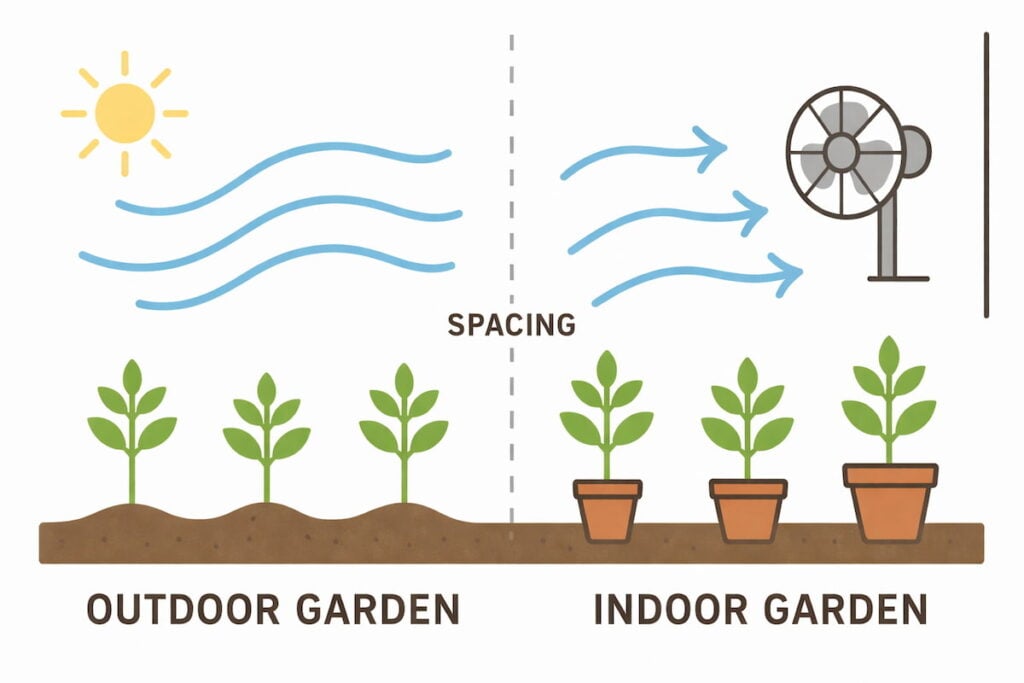
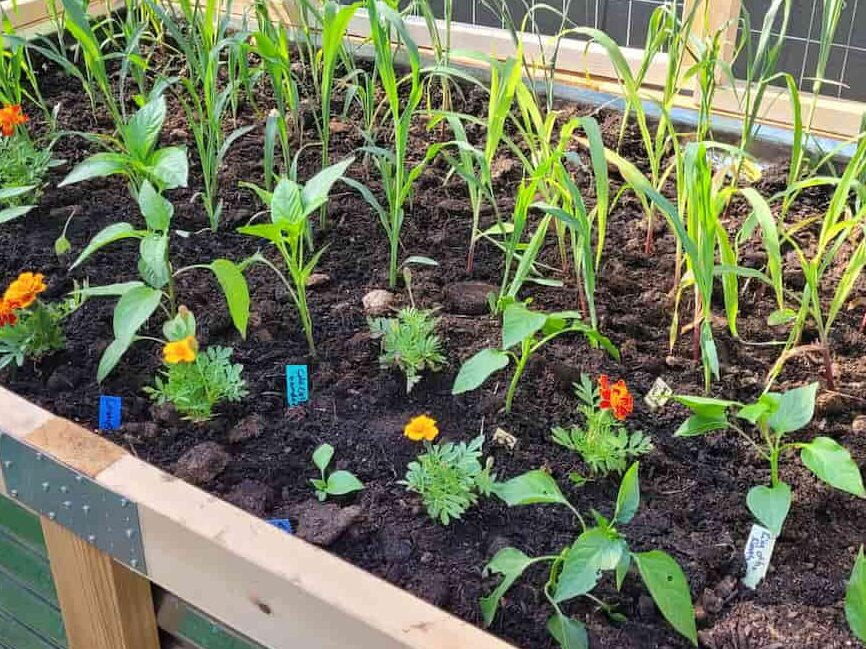
Crowded plants trap moisture and reduce airflow. Leave sufficient space between plants to allow leaves to move freely and wind to circulate. Taller plants should not completely shade shorter ones; stacking plant heights thoughtfully promotes airflow throughout the garden.
Prune and Thin
Remove excess foliage, dead leaves, or overcrowded flowers. Thinning plants opens air channels and improve light penetration. Both reduce the risk of fungal disease.
Use Fans Indoors or in Greenhouses
Gentle oscillating fans help keep air moving, preventing stagnant conditions. For seedlings, a low-speed fan mimics natural breezes and strengthens stems without drying soil too quickly. Avoid blowing directly on plants constantly; gentle movement is the goal.
Arrange Plants Strategically
Place taller plants where they won’t block airflow to smaller ones. Avoid dense clusters in corners or near walls without ventilation. Proper arrangement ensures every plant receives adequate air movement.
Mulch Wisely
While mulch helps retain soil moisture, too much can trap humidity near plant bases. Use thin, breathable layers and keep mulch slightly away from stems to prevent fungal issues.
Remove Obstacles to Natural Wind
Fences, shrubs, or tarps can block breezes. Ensure there’s a path for wind to flow naturally through your garden. Even a small airflow can make a big difference.
Rotate Indoor Plants
Indoor plants near windows or vents may not get consistent airflow on all sides. Rotating pots occasionally ensures even exposure and prevents weak, lopsided growth.
Signs Your Plants Aren’t Getting Enough Airflow
- Wilting or floppy stems – weak structural growth due to stagnant air
- Mold or mildew on leaves – caused by trapped moisture
- Stunted growth or yellowing leaves – insufficient gas exchange and photosynthesis
- Increased pest activity – pests thrive in calm, humid environments
Airflow for Different Growing Environments
Outdoor Gardens
Nature provides wind, but plant spacing, pruning, and garden layout still matter. Dense plantings can trap heat and humidity, so even outdoors, gardeners should optimize airflow.
Greenhouses
Fans and vents prevent hot spots and high humidity, reducing fungal disease and encouraging stronger plant growth. Regular monitoring ensures seedlings and mature plants both thrive.
Indoor Houseplants
Small oscillating fans or open windows help circulate air and prevent stagnant conditions. Combining airflow with proper watering, lighting, and soil care ensures indoor plants remain strong and healthy.
Be Sure Not to Overlook Airflow
Airflow is a simple, often overlooked tool in your gardening toolbox. From preventing disease to strengthening stems and improving gas exchange, moving air keeps plants healthy and productive. Whether you’re tending indoor houseplants or a large outdoor garden, paying attention to airflow can be the difference between stressed plants and thriving ones.
Frequently Asked Questions
Q: What does airflow actually do for plants?
A: Airflow moves fresh air around leaves and stems, which improves gas exchange (letting in carbon dioxide and releasing oxygen), reduces humidity in plant canopies, helps prevent fungal diseases, and strengthens stems by gentle movement. It also helps regulate temperature and distributes CO₂ evenly around foliage for photosynthesis.
Q: How often should I run a fan for indoor plants?
A: There’s no single rule for every plant. A gentle breeze throughout the day or a few hours of intermittent airflow is usually enough. The goal isn’t to blow directly onto plants constantly but to prevent still, stagnant air—so low-speed fans or timed intervals throughout the day work great.
Q: Can too much airflow hurt my plants?
A: Yes. Strong, direct wind can dry out soil and leaves too quickly and cause stress or wind burn (curling or crispy leaf edges). Keep fans on low settings and aim to circulate air around and between plants rather than blasting directly at them.
Q: Do all plants need the same airflow?
A: Most plants benefit from some air movement, but the amount varies. Tropical houseplants appreciate balanced humidity with gentle airflow, while desert or succulent species often tolerate lower air movement. Still, stagnant air increases the risk of disease for any plant.
Q: Does airflow help with pest control?
A: Yes. Many pests—like spider mites, fungus gnats, and aphids—prefer still, humid conditions. Continuous or regular air movement dries microenvironments where pests thrive and makes it harder for them to settle and multiply.
Q: Is it better to open windows or use a fan?
A: Both help! Opening windows brings in fresh outdoor air and balances indoor humidity, while fans circulate that air and prevent pockets of stagnation. In cooler or very dry weather, fans might be more reliable and gentler than open windows.
Q: How close should a fan be to plants?
A: Fans should be set a comfortable distance so they create movement around plants without blowing directly on leaves. A few feet away or aimed at the space between plants usually works best. You want gentle airflow that reaches all sides of the plant.
Q: Can airflow fix common plant problems?
A: Airflow can’t fix every issue (like nutrient deficiencies), but it often prevents or reduces major problems such as:
- Fungal diseases (by reducing humidity around leaves)
- Mold growth (by preventing moisture pockets)
- Weak stems (by encouraging stronger structural growth)
- Stagnant air stress (by improving CO₂ availability and gas exchange)
Q: When is airflow most critical?
A: Airflow matters all the time, but especially:
- When plants are newly propagated or at the seedling stage (to prevent fungal damping‑off)
- In humid environments or closed rooms
- During hot weather, when air movement helps prevent heat stress
- In indoor setups with many plants crowded together
- Under excessively wet conditions like a heavy rain
Q: Can airflow reduce humidity too much?
A: Yes—if airflow is too strong in a dry environment, it can lower humidity and dry plants. That’s why airflow should be balanced with humidity levels, especially for tropical species that like more moisture in the air.