When to Transplant Seedlings Outdoors: 5 Proven Tips for Healthier Growth
Moving seedlings outdoors isn’t just about size or timing. It’s about readiness. If you rush it, those strong, healthy plants you spent all that time caring for can struggle to survive in the real world. Let’s walk through exactly when to transplant seedlings outdoors—and how to do it in a way that sets your garden up for a season of strong, steady growth.
* As an Amazon Associate I may earn from qualifying purchases at no cost to you.
Why Timing Matters More Than You May Realize
Seedlings are sheltered plants that have no concept of what the real world is like.
Inside, they’ve had:
- Perfect temperatures
- No wind
- Consistent moisture
- Filtered light
But outside? It’s a different story.
Sun is more intense than grow lights and can scorch leaves. Strong winds can snap stems. Cold soil can stall growth or even kill plants that really love heat.
Transplant too early, and your plants go into survival mode. That means little to no growth. This will result in lower yields at harvest time.
If you transplant at the right time, however, they barely even notice.
The 3 Signals Your Seedlings Are Ready
Your plants give you clues that they’re ready to transition to the outside world. Here’s what to look for.
1. They Have True Leaves (Not Just Seed Leaves)
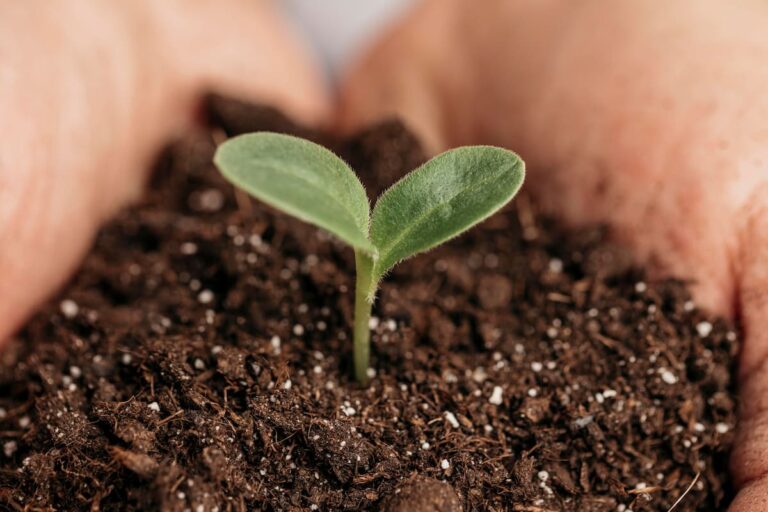
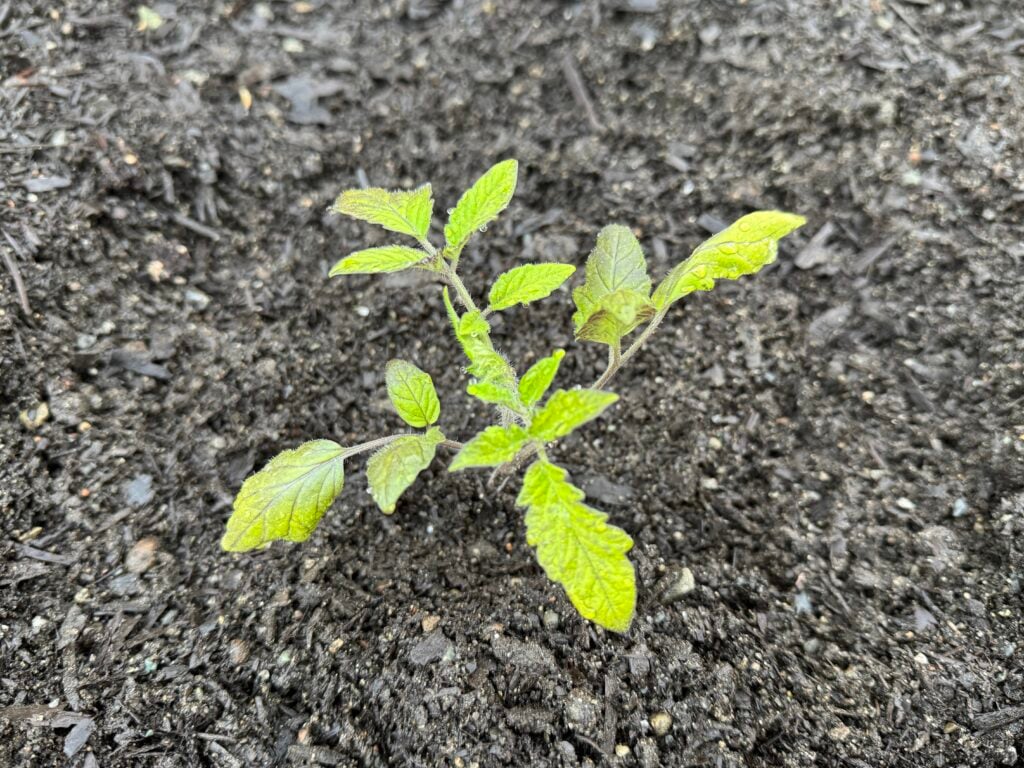
Those first little leaves that pop up? They’re called cotyledons and are not true leaves. They help the seedling get going and will die back once the plant starts growing true leaves.
You want to see at least 2–3 sets of true leaves before transplanting. That’s your sign the plant has the ability to produce enough energy to handle the stress of being transplanted.
If you’re unsure what that looks like, I break it down in more detail in my post on Why Seedlings Fall Over After Sprouting.Weak seedlings and early transplanting often go hand in hand.
2. They’ve Outgrown Their Containers (But Not By Too Much)
A good seedling for transplanting:
- Has roots holding the soil together
- Slides out of the container cleanly
- Isn’t root bound or circling aggressively
If roots are spiraling tightly, the plant is already stressed—and transplanting makes the plant go into a recovery process. If they become root bound, harden them off and transplant as soon as it is safe to do so.
3. They’ve Been Properly Hardened Off
This is the step that makes a huge difference in how your plants perform over the season.
If you skip hardening off, transplanting is basically tossing your seedlings into a situation they don’t know how to handle. Most of the time they’ll recover, but it takes a while and the eventual harvest will suffer for it.
Seedlings should spend 7–14 days gradually adjusting to outdoor conditions before being transplanting.
If you need a refresher on how to properly harden off your seedlings, check out my full guide on How to Harden Off Seedlings. It’s one of the most important steps in the entire growing process.
Some plants will transplant more easily than others. Why Do Some Plants Transplant Easily While Others Struggle? goes into more detail on which plants will be easy, and which ones are more likely to struggle.
The Temperature Rule Most Gardeners Ignore
Even if your seedlings look perfect, air and soil temperatures are the final deciding factor.
Use This as Your Baseline:
- Nights consistently above 50°F (10°C) for warm-season crops
- Soil temperature at least 60°F (15.5°C) for crops like tomatoes and peppers
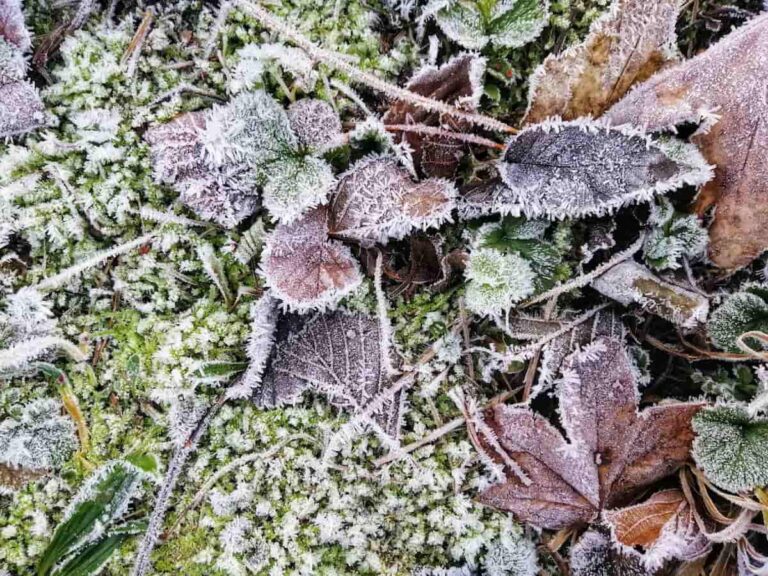
- No risk of frost in the forecast
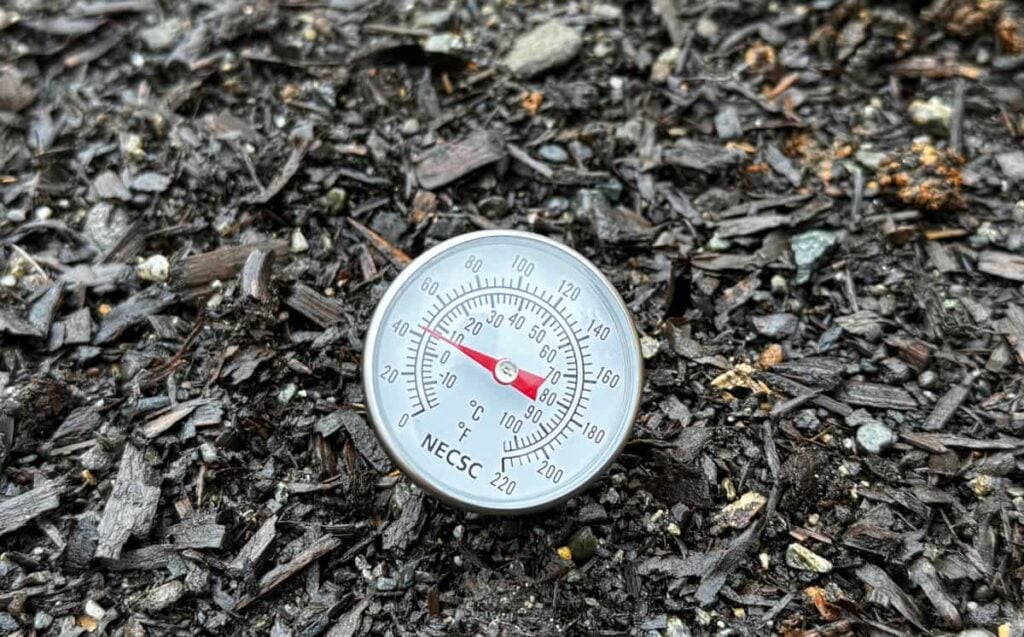
Cool-season crops like lettuce, broccoli, and kale can go out earlier. I plant them out when soil temperatures reach 45°F (7°C). They can handle some cold and even a little frost. Soil temperature is what is most important for these crops. You can use a simple soil thermometer in the morning to determine what your soil temperature is.
A single cold night can stunt warm weather crop growth for weeks. And that delay ends up being a lower harvest over the season.
The Best Time of Day to Transplant
Avoid midday and afternoon sun. They’re too stressful for plants to deal with when trying to acclimate to their new home.
The ideal transplant window:
- Early morning on a mild day
- Early evening
- Or a cloudy day
This gives seedlings time to settle in before facing the stress of full sun.
How to Transplant Seedlings Outdoors (Step-by-Step)
1. Water Seedlings Before Transplanting
Hydrated plants handle stress better. Dry roots have trouble acclimating.
Water them about an hour before planting so the soil stays intact when removed from their container.
2. Prepare the Soil First
Your seedlings shouldn’t wait around while you dig.
- Loosen soil deeply
- Add compost if needed
- Pre-water the planting area
You want an environment the plants are going to like right away. They are already being disturbed enough. Preparing the soil ahead of time will make it easier for them to settle in.
3. Handle by the Leaves, Not the Stem
Stems are fragile. One squeeze can end the plant. I’ve done that multiple times, and it’s always a really big disappointment.
Always handle seedlings by their leaves, it’s the safest grip point.
4. Plant at the Right Depth
- Most seedlings: same depth as their container
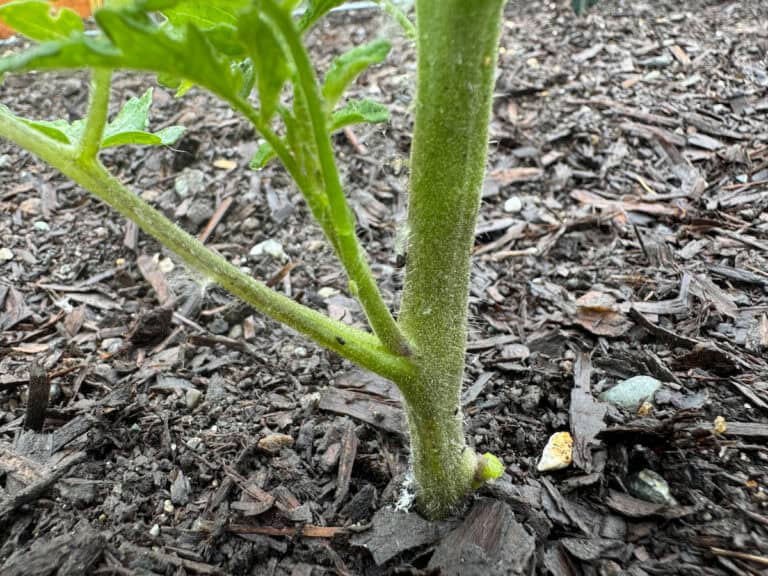
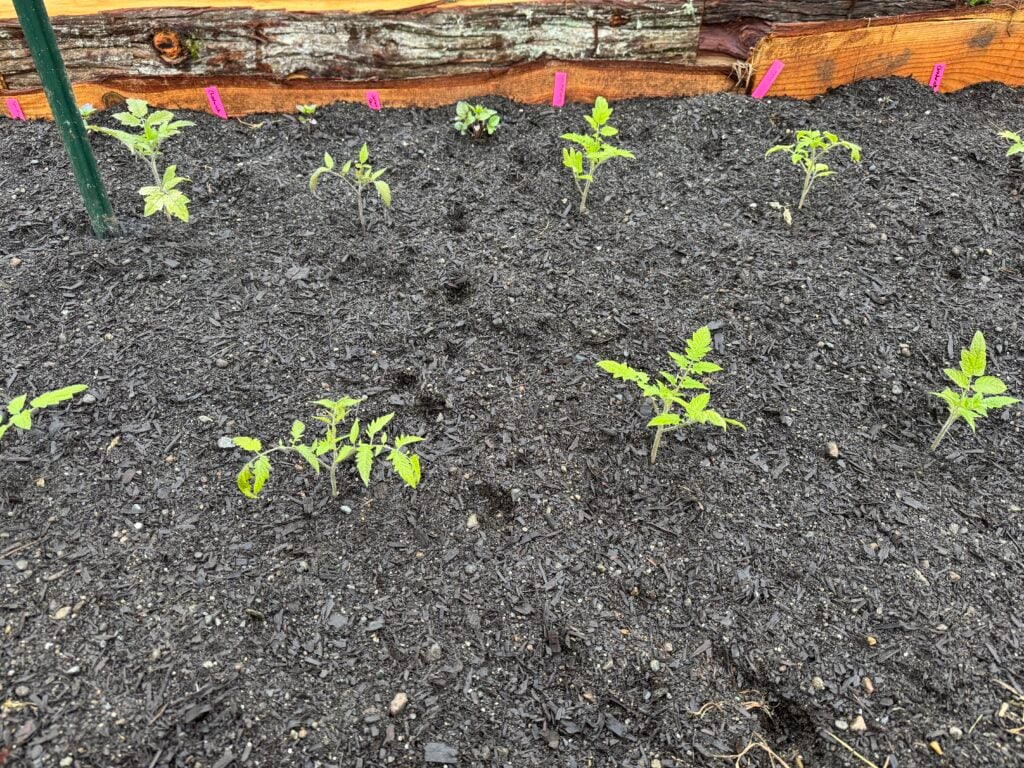
- Tomatoes: plant deeper, up until the first true leaves (take the leaves off, the plant will be fine) They’ll grow roots along the stem.
Firm the soil gently around the plant to remove air pockets.
5. Water Immediately After Planting
This settles the soil around the roots and eliminates air gaps.
This helps anchor the plant into the soil so they don’t wobble with every little breeze.
How to Avoid Transplant Shock
Even when you do everything right, seedlings can still struggle a bit.
But you can reduce transplant shock dramatically with a few simple strategies:
- Transplant on mild days
- Provide temporary shade for 1–3 days if you can
- Keep soil consistently moist (not soggy)
- Avoid fertilizing immediately after transplanting
At this point you’re focusing on the roots. Let the roots establish and then push the plant for new growth.
Common Mistakes That Set Seedlings Back
If you’ve ever transplanted and watched plants just… sit there, these are usually the reasons.
1. Moving Them Out Too Early
Warm weather during the day can trick you into thinking it’s time to transplant. Cold nights and cold soil temperatures can undo all your hard work.
2. Skipping Hardening Off
This is the fastest way to shock your plants. Shocked plants take longer to recover, and suffer throughout the growing season from the delay.
3. Planting Into Cold Soil
Even if the air feels warm, cold soil stops root development cold. Healthy plants need healthy root development. Don’t overlook soil temperatures.
4. Overhandling the Roots
The less disturbance, the better. Even hardy plants benefit from being handled gently. Moving the plant to a different environment is disturbing enough for them.
What Happens After Transplanting (The Waiting Game)
For the first few days, not much will seem to happen.
That’s normal, don’t worry about it.
Your plants are busy underground, rebuilding and expanding their root systems. Above ground growth will follow once they’re settled and their roots are ready to support new growth.
If you’ve done things right, you’ll notice:
- Leaves perk up within a day or two
- New growth within a week, maybe two for stubborn plants
- Strong, steady development after that
If they wilt slightly the first day, don’t panic. If they stay wilted for days, that’s when you troubleshoot. Check out How To Tell If Your Plants Are Stressed to help determine if you plant is stressed and needs help.
A Simple Rule to Remember
If you’re ever unsure when to transplant seedlings outdoors, use this as your guide:
Wait until both the plant AND the environment are ready. Not just one. Because a strong seedling in poor conditions will struggle. And perfect weather won’t save a weak plant.
You need both sides of that equation working together.
Frequently Asked Questions: When to Transplant Seedlings Outdoors
Q: How do I know when my seedlings are ready to transplant outside?
A: Your seedlings are usually ready when they have at least 2 to 3 sets of true leaves, strong stems, and roots that hold the soil together without circling heavily. Size matters less than strength. A small but sturdy seedling often handles transplanting better than a tall, leggy one that’s been pampered indoors too long.
Q: What temperature is safe for transplanting seedlings outdoors?
A: For most warm-season crops like tomatoes, peppers, and cucumbers, nighttime temperatures should stay consistently above 50°F, with soil temperatures at least 60°F. Cool-season crops like lettuce, kale, and broccoli can often go out earlier and can handle a light freeze. Avoid planting them if you are still experiencing hard freezes in your area.
Q: Can I transplant seedlings outside before the last frost date?
A: It really depends on what plants you want to transplant. The last frost date is a guide, not a guarantee. Cold-hardy plants may go out a bit earlier with row covers or frost protection, but tender, heat loving plants should wait until frost risk has truly passed. One surprise cold snap can undo weeks of work.
Q: What is hardening off, and do I really need to do it?
A: Yes, you absolutely do. Hardening off is the process of gradually introducing indoor seedlings to outdoor sun, wind, and temperature changes over 7 to 10 days. Without it, even healthy seedlings can suffer sunscald, windburn, or transplant shock. Think of it as training camp before game day.
Q: What time of day is best for transplanting seedlings?
A: Late afternoon, early evening, or an overcast day is usually best. This gives your seedlings time to settle in before facing harsh midday sun. Transplanting during peak heat can stress plants fast, especially if they’re freshly moved.
Q: Should I water seedlings before or after transplanting?
A: Both. Water seedlings before transplanting so the root ball stays intact, then water immediately after planting to settle soil around the roots. This helps reduce air pockets and gives roots direct contact with their new home.
Q: How long does transplant shock last?
A: Mild transplant shock usually lasts a few days to a week. Some drooping right after transplanting is normal. If your seedlings stay wilted, yellow, or stalled for longer than that, they may be dealing with cold soil, root damage, or inconsistent watering.
Q: Can seedlings be too big to transplant?
A: Yes. Seedlings left too long in small containers can become root-bound, stressed, or stunted. If roots are circling tightly around the pot, transplanting becomes more stressful. Ideally, seedlings should be moved before they outgrow their starter space.
Q: What happens if I transplant seedlings too early?
A: Too-early transplanting can expose seedlings to cold soil, frost, strong winds, and temperature swings they aren’t ready for. This can stunt growth, trigger stress, or kill tender plants outright. In gardening, patience often grows better results than rushing.
Q: Should I fertilize right after transplanting?
A: Usually, no. Freshly transplanted seedlings need time to establish roots before being pushed into rapid growth. Compost-rich soil is often enough at first. Once new growth appears, you can begin feeding as needed.
Q: Which seedlings transplant best outdoors?
A: Tomatoes, peppers, brassicas, lettuce, and many herbs generally transplant well when properly hardened off. Root crops like carrots, radishes, and beets, and any crop that has a tap root instead of fibrous roots, usually do better when direct sown, since disturbing their roots can affect development.
Q: How can I protect newly transplanted seedlings?
A: You can protect them by:
- Using shade cloth for the first few days
- Watering consistently
- Watching nighttime temperatures
- Adding mulch after the soil warms
- Using row covers if unexpected cold hits
A little protection early on often means stronger, faster-growing plants later.