Plants Wilting Even When Soil Is Wet? 8 Common Reasons and Simple Solutions
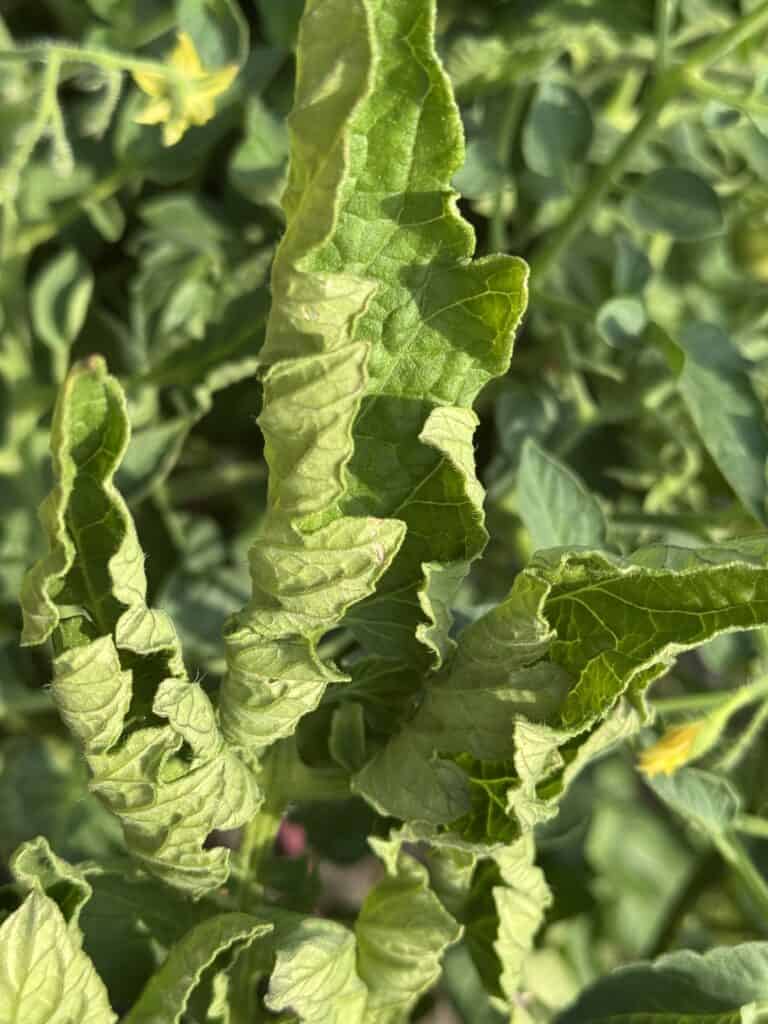
Wilting usually gets blamed on dry soil. But in the garden, things are rarely that simple. One of the most confusing problems growers run into is this: plants wilting even when soil is wet. You water, you check the soil, it’s damp or even soggy, and yet you still get drooping leaves, weak stems, sometimes even yellowing. The instinct is to water again, but that usually makes things worse. Let’s break down what’s actually happening under the soil line and why your plants are wilting even though you’ve watered them.
*As an Amazon Associate I may earn from qualifying purchases at no cost to you.
1. The Roots Are Suffocating (Oxygen Deficiency in Saturated Soil)
Roots don’t just take up water, they also need to take up oxygen. Plants get oxygen from the soil, not the air around them.
When soil stays wet for too long, the air pockets that roots depend on get filled with water. That creates an oxygen shortage in the root zone. Without oxygen, roots can’t function properly, even if there is a lot of water available for them.
As a result, the plant begins to wilt even when soil is wet—not from dehydration, but from a failure to be able to transport energy from the roots to the rest of the plant. Water is sitting there, but the system that moves it is shutting down.
This is one of the most common causes of plants wilting in wet soil, especially in containers or heavy garden beds with poor soil structure.
If your soil stays wet for more than a couple of days after watering, this is a major clue that you have some work to do with your soil.
If you’re growing in a raised bed and are seeing this issue, check out my guide on the Best High-Yield Soil Mix for Raised Beds for tips on how to make good, well-draining soil for your garden bed.
You may also find my post on Practices that Damage Soil Biology & How to Rebuild helpful in boosting the quality of your soil.
2. Root Rot Is Starting to Set In
Once oxygen is low, opportunistic fungi move in. This is where root rot begins.
Roots affected by rot stop absorbing water efficiently. Some of the roots will actually die off. The plant responds exactly like it’s dry because, functionally, it is dry inside the plant, even though the soil is saturated.
Common signs include:
- Wilting during the day, even in moist soil
- Yellowing leaves starting from the bottom
- A sour or musty smell from the soil
- Mushy or dark roots when inspected
This is one of the key reasons for plants wilting even though soil is moist. The damage is underground and not visible at first glance.
At this stage, watering more won’t help. It only accelerates the decline.
3. The Soil Is Too Compact or Poorly Drained
Even healthy watering habits can fail if the soil structure is wrong.
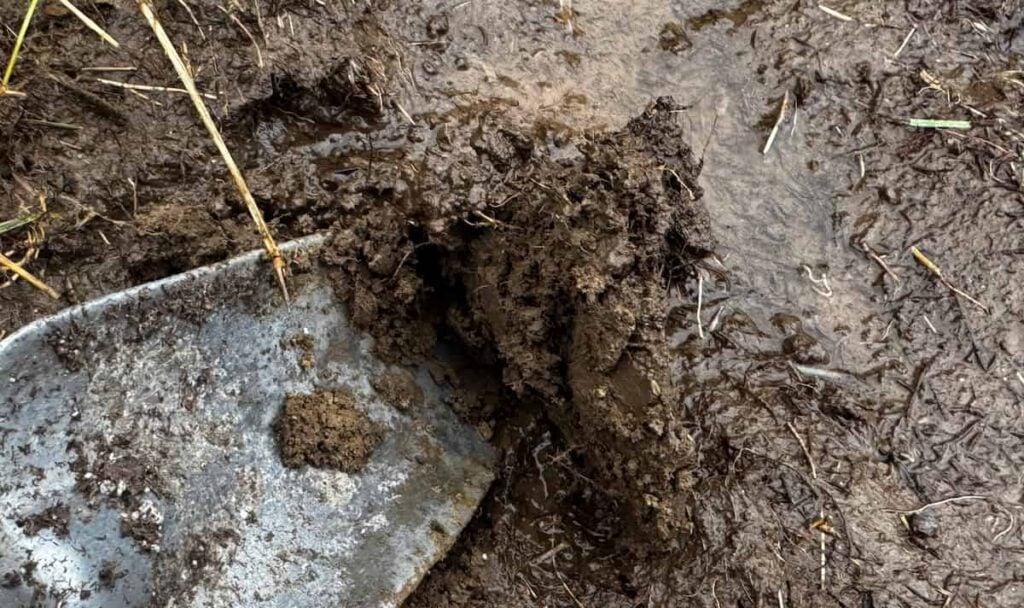
Compacted soil doesn’t allow water to move through it. Water enters the soil and stays because it has nowhere to go. Roots end up trapped in a dense, oxygen-starved environment.
In garden beds, this often happens in clay-heavy soil that hasn’t been amended. In containers, it’s usually a mix that’s too fine or has no drainage holes.
If you’re seeing wet soil but plant looks thirsty, check the texture:
- Does water sit on the surface?
- Does the pot stay heavy and soggy for days?
- Does the soil feel dense and tight instead of crumbly?
This is a structural problem, not a watering one.
My guide to How to Prepare Soil For Planting and Maximize Growth will help walk you through what you can do to help your soil if you determine it is poor quality.
4. Transplant Shock Is Still Playing Out
Sometimes wilting in wet soil has nothing to do with your current watering practice at all.
After transplanting, roots are often damaged or disrupted. Even if the soil is perfectly moist, the plant can’t take up water effectively until the root system recovers.
This is especially common with seedlings or young transplants.
If you recently moved plants, this may be part of the issue. I go deeper into when and how to transplant in my post When to Transplant Seedlings Outdoors. Transplanting correctly will help plants recover more quickly.
During this time, plants can look stressed even under ideal moisture conditions.
5. Damping Off in Seedlings (The Silent Collapse)
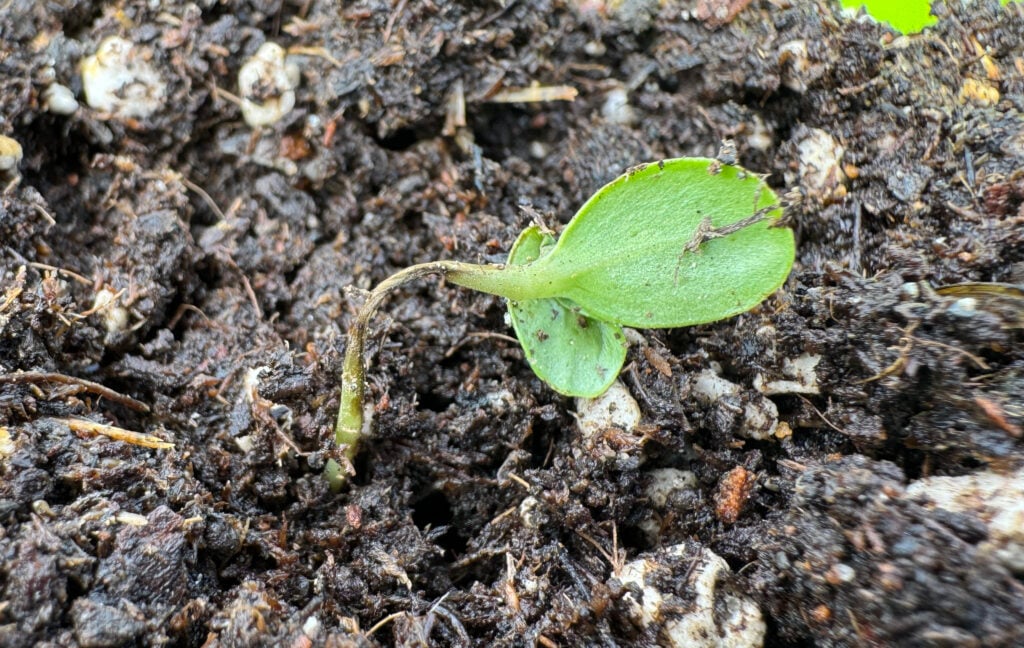
For seedlings, wilting in wet soil is often a red flag for damping off—a fungal issue that targets young stems at the soil line.
You might notice:
- Seedlings suddenly falling over
- Thin, pinched stems near the base
- Soil that stays constantly damp
- Rapid collapse overnight
This is one of the most frustrating versions of seedlings wilting in damp soil, because everything looks fine until it suddenly isn’t.
The key driver here is consistently wet conditions combined with poor airflow. My guides on What is Damping Off and Why Airflow is Important for Healthy Plants go into more details.
If you’re working with seedlings, this pairs closely with proper watering technique. I cover that more in How to Water Seedlings the Right Way, especially how to avoid keeping the surface too wet for too long.
6. Temperature Stress Is Amplifying the Problem
Wet soil and temperature swings don’t mix well.
Cold, wet soil slows root activity significantly. Even if roots are intact, they become sluggish. Water uptake drops, and the plant begins to droop during warmer parts of the day.
On the flip side, hot conditions can cause fast evaporation from leaves while roots struggle to keep up due to damage or saturation stress.
This mismatch often shows up as plants wilting after watering, especially in early spring or during sudden heat spikes.
The plant is temporarily out of sync with itself while it adjusts to a sudden stress it wasn’t prepared for.
7. Salt or Fertilizer Buildup Is Disrupting Water Uptake
Over time, excess fertilizer can build up in soil, especially in containers.
When salt levels rise too high, roots struggle to absorb water—even when moisture is present. This creates a physiological drought effect.
Symptoms often include:
- Wilting despite wet soil
- Leaf tip burn or curling
- Slow or stalled growth
This is less common in garden beds but shows up frequently in potted plants or heavily fertilized seedlings.
A flush of clean water (with proper drainage) can often be the solution to reset the soil to a safe level for your plants.
8. The Plant Is Simply Overwatered (But Not in the Way You Think)
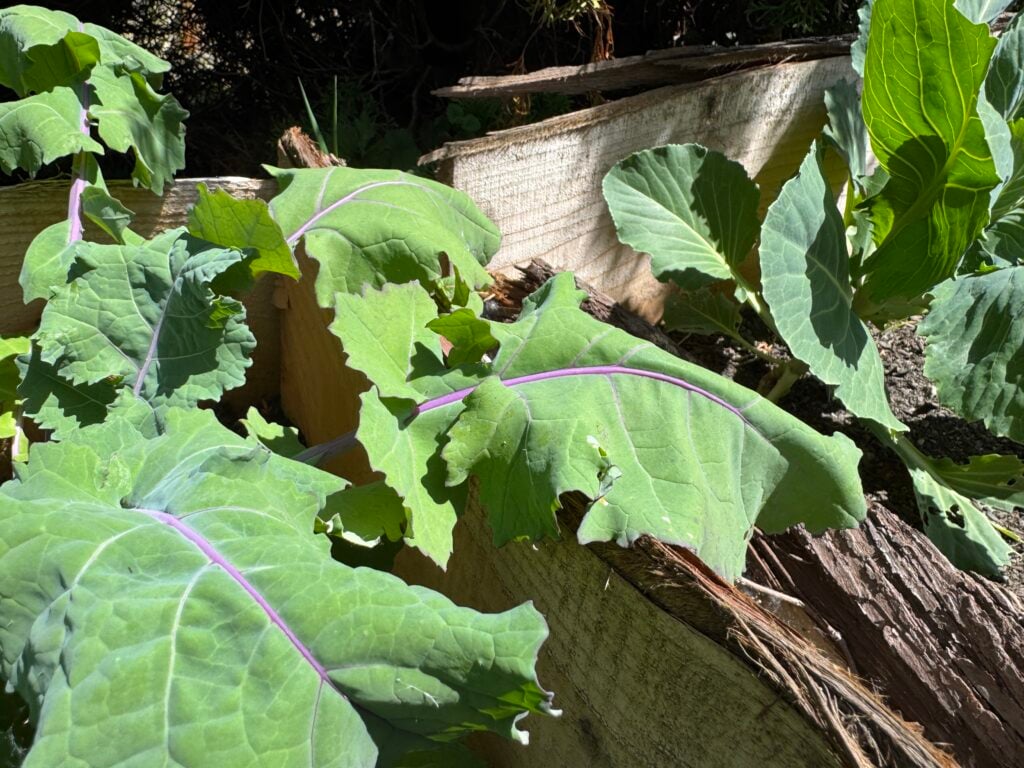
Overwatering doesn’t always mean “too much water at once.” More often, it means “water too frequently for how fast it can drain.”
The soil never gets a chance to take in air for the plant roots.
That leads to the classic scenario of plants wilting even when soil is wet.
- Soil stays damp long after watering
- Plant continues to droop
- Roots slowly lose function
The fix is not more water. It’s adjusting frequency of your watering, improving soil drainage, and sometimes reducing pot size or changing the soil mix entirely if it is of poor quality.
How to Fix Plants Wilting in Wet Soil
Once you’ve identified the cause, here’s how to respond without making things worse.
1. Stop watering immediately
Let the soil begin drying naturally unless seedlings are actively collapsing.
2. Improve airflow
Move containers to a breezier area or gently loosen surrounding soil in beds.
3. Check drainage
Make sure pots have open drainage holes and aren’t sitting in standing water. If your soil is clay-heavy, try amending it with compost and gypsum powder to improve drainage and airflow.
4. Inspect roots if possible
Healthy roots are light and firm. Rotting roots are dark and mushy.
5. Adjust soil structure
Add organic matter or coarse material to improve oxygen flow in future plantings.
6. Hold fertilizer temporarily
Give roots time to recover before feeding again.
Preventing This Problem in the Future
Most cases of wilting in wet soil come down to one core issue: water is present, but air is missing.
A few prevention habits go a long way:
- Use well-aerated soil mixes for containers
- Water deeply, but less frequently
- Always ensure drainage paths are clear
- Avoid compacting soil around stems
- Match container size to root system
And for seedlings specifically, consistent but light moisture control matters more than heavy watering cycles.
Final Thoughts
Wilting in wet soil is one of those garden signals that feels contradictory at first. But once you start reading what’s happening underground, it becomes clearer: the plant isn’t lacking water, it’s lacking access to it.
Roots need balance—moisture and oxygen working together. When that balance tips to one side, wilting is simply the plant’s way of saying the system is stressed.
The goal isn’t just to water correctly. It’s to build soil and conditions where water can actually work for the plant instead of against it.
Frequently Asked Questions: Why Plants Wilt Even When Soil Is Wet
Q: Why are my plants wilting even though I just watered them?
A: This usually happens when the roots can’t use the water that’s present. The issue is often oxygen loss in the soil, compacted growing media, or early root damage rather than a lack of moisture.
Q: Can overwatering cause wilting even if the soil is wet?
A: Yes. When soil stays constantly wet, roots can begin to struggle or decay, which reduces their ability to take up water. The plant then reacts as if it’s dry, even though it isn’t.
Q: How do I know if wilting is caused by root rot?
A: Root rot often shows up alongside slow decline, yellowing leaves, and soil that stays damp longer than expected. If you gently check the roots, unhealthy ones may appear dark, soft, or smell musty.
Q: Why do seedlings collapse in moist soil?
A: Young seedlings are especially sensitive to excess moisture and low airflow. In damp conditions, fungal issues like damping off can weaken the stem at the soil line, causing sudden collapse.
Q: Can poor drainage make plants wilt?
A: Yes. When water cannot move through the soil properly, roots sit in saturated conditions for too long. This limits oxygen availability and disrupts normal water uptake.
Q: Should I water wilted plants if the soil is already wet?
A: Not usually. Adding more water can worsen the problem if the soil is already saturated. It’s better to focus on improving drainage and letting the root zone recover first.
Q: How long does it take for an overwatered plant to recover?
A: Recovery time depends on the severity of root damage and how quickly conditions improve. Mild stress may resolve in days, while more serious cases involving root rot can take weeks or longer.
Q: What does overwatered soil look like?
A: It often appears dark, heavy, and stays wet long after watering. You may also notice slow drying, algae on the surface, or a compacted feel when touched.
Q: Why do plants droop during the day but recover at night in wet soil?
A: This pattern can happen when roots are partially stressed but still functional. Heat increases water demand during the day, and if uptake is limited, the plant temporarily wilts before recovering in cooler conditions.