Why Winter Sowing Works: The Powerful Benefits of Letting Nature Lead
For gardeners who are accustomed to controlling every detail of seed starting, winter sowing can be a little outside their comfort zone. I know I wasn’t sure about it before I started. I spent so much time trying to create the perfect conditions for germination that the idea of leaving seeds outside through freezing temperatures, snow, rain, and fluctuating temperatures just seemed wrong. How could that possible work?
But here is the interesting thing, and a big reason why winter sowing works: many seeds are designed for exactly this.
Winter sowing takes advantage of the natural processes seeds have evolved to depend on. Instead of trying to recreate spring indoors, we allow winter to do some of the work.
And sometimes, the best thing a gardener can do is step back and let nature follow its own schedule.
What Is Winter Sowing?
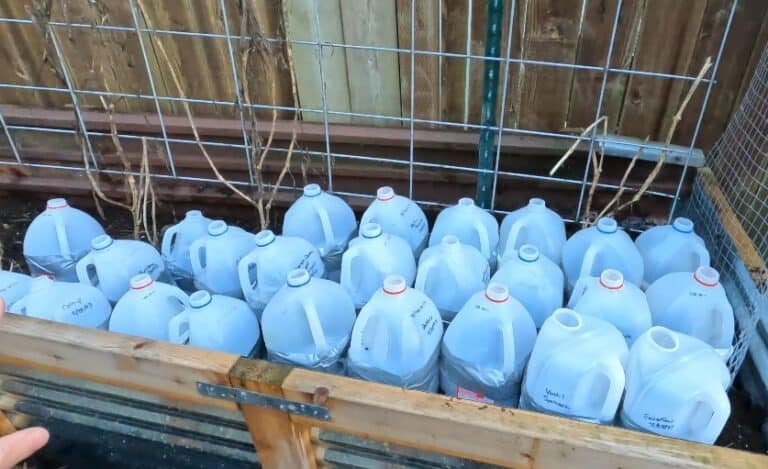
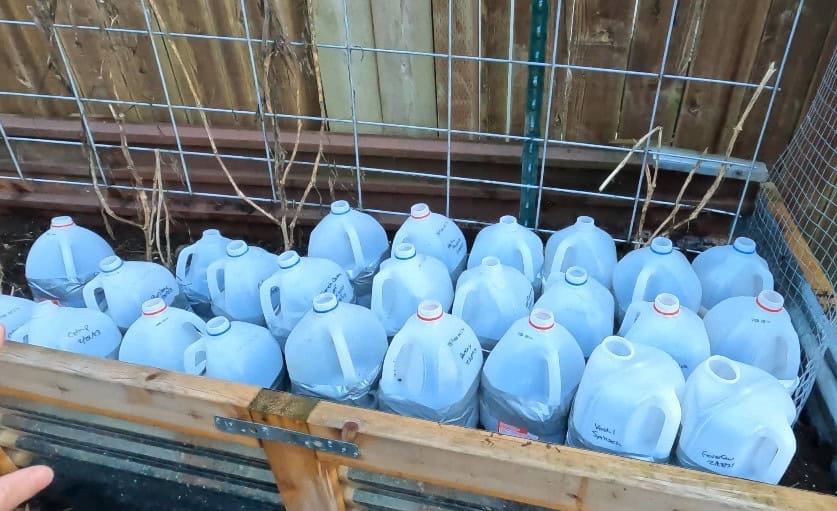
Winter sowing is a method of starting seeds outdoors during the colder months, usually in recycled containers that function as small greenhouses.
Rather than starting seeds indoors under artificial lights and warm temperatures, you sow them in moist soil, place them outside, and allow natural weather conditions to guide germination.
The containers protect the seeds and young seedlings while still exposing them to natural temperature fluctuations, sunlight, and moisture.
Common winter sowing containers include:
- Recycled gallon milk jugs
- Clear plastic juice containers
- Two-liter soda bottles
- Clear salad containers
- Plastic food storage containers with transparent lids
Check out my DIY Winter Sowing Containers post for more ideas.
How to Let Nature Start Your Garden
The process is relatively simple. Prepare your container with drainage holes, add moistened seed-starting mix, sow your seeds according to their individual requirements, and place the container outdoors.
Then comes the hardest part for some gardeners: waiting.
Winter sowing doesn’t require you to coax every seed into germinating at the same time. Instead, the seeds experience the natural conditions that help them determine when it is appropriate to begin growing.
Some seeds need extended periods of cold, moist conditions before they will germinate. Others simply need to experience the gradual transition from winter into spring.
Winter sowing allows these processes to happen naturally.
Here’s 10 Winter Sowing Tips to help get you started. And I’ve created a Winter Sowing Checklist to help you keep on track at a quick glance.
Why Winter Sowing Works: Nature Already Knows What Seeds Need
One of the biggest misconceptions about gardening is that seeds need warm temperatures and carefully controlled environments to germinate.
While that is true for many plants, it isn’t true for all seeds.
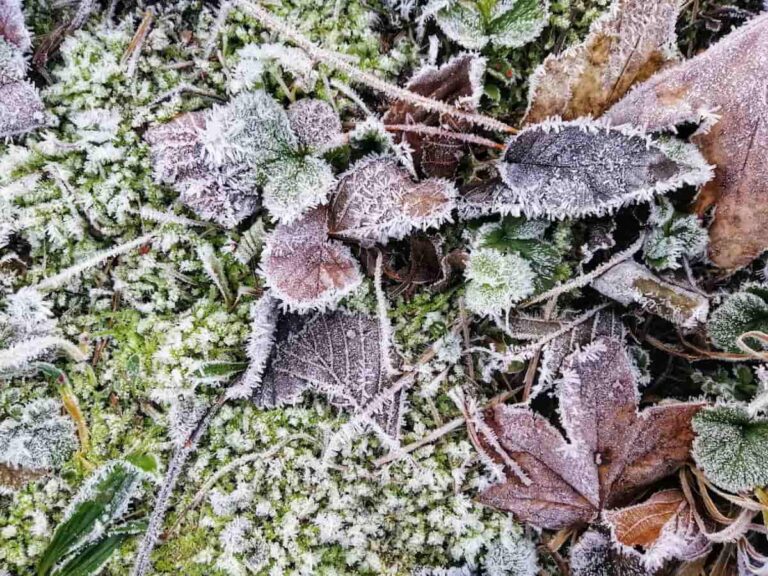
In nature, seeds don’t have the luxury of heated seed-starting trays or a gardener checking their moisture levels every morning. They fall from plants, settle into the soil, experience the changing seasons, and wait for the conditions they need.
Some seeds germinate shortly after falling to the ground. Others remain dormant throughout winter, waiting for a combination of moisture and cold temperatures before they are ready to grow.
Winter sowing works because it takes advantage of these natural adaptations seeds have.
Rather than forcing seeds to germinate when we want them too, we give them an environment that follows the same seasonal patterns they would experience outdoors.
In the end, it takes patience but ends up being a lot less work for us gardeners. That’s one of the reasons I love it so much. With a full time job and busy family, anything that helps take something off my plate is well worth exploring. And I’ve had great success using this method.
1. Cold Temperatures Help Break Seed Dormancy
Some seeds have built-in dormancy mechanisms that prevent them from germinating immediately, even when moisture and otherwise favorable conditions are available.
This is especially common among perennial plants, native wildflowers, and certain trees and shrubs.
Many of these seeds require a process called cold stratification before they can germinate. Strawberries fall into this category, as does lavender.
Cold stratification is the process of exposing seeds to cold, moist conditions for a specific period of time. This helps overcome physiological dormancy and allows the seed to respond to favorable growing conditions when they arrive.
Think about what happens naturally in the garden.
A plant produces seeds in late summer or fall. Those seeds fall to the ground, become covered by leaves or settle into the soil, and spend the winter exposed to cold temperatures and moisture.
When spring arrives, the seeds that have completed their dormancy requirements may begin to germinate.
Winter sowing recreates this process in a more controlled environment.
Instead of leaving seeds scattered throughout the garden, and having them pop up like weeds, you place them in containers where you can keep track of what was planted and protect the developing seedlings.
Not every seed requires cold stratification, and the amount of cold exposure needed varies by species. Some seeds need only a few weeks, while others require several months.
Always check the germination requirements for the varieties you are planting. It’s best to do that as soon as possible. If your variety needs several months, you’ll need to plan ahead and make sure you have them out in their containers in December.
2. Natural Temperature Changes Help Determine When Seeds Germinate
Have you ever started seeds indoors only to find yourself constantly adjusting temperatures, moving trays, or wondering why some seeds are taking longer to germinate than others? I know I have. Or not had them germinate at all despite your close attention to the growing conditions you’ve set up.
Seeds have their own temperature requirements, and those requirements vary considerably between plants.
Some seeds germinate best in relatively cool soil, like brassicas (broccoli, cauliflower, etc). Others need warmer conditions before they will begin growing, like peppers and tomatoes.
Winter sowing allows seeds to experience the gradual seasonal transition from winter into spring.
Instead of placing every seed in a consistently warm indoor environment, you allow outdoor temperatures to fluctuate naturally.
This is particularly beneficial for seeds adapted to cool conditions or those that need a period of winter weather before germination. Warm weather plants, like tomatoes, peppers, melons, squash etc. are not well suited for winter sowing. But brassicas, most herbs, and other cooler weather plants are perfect for it.
As temperatures gradually rise, conditions become more favorable for germination.
The timing is not necessarily identical from one year to the next. Seeds respond to the conditions around them rather than following an arbitrary date on the calendar. The type of winter you’re having (warmer/wetter/cooler/drier) will affect when your seeds decide the time is right and start to germinate.
3. Winter Sowing Provides Natural Moisture
Water is essential for seed germination.
Before a seed can begin growing, it needs to absorb water through a process called imbibition. This rehydrates the seed and activates the internal processes necessary for germination.
One advantage of winter sowing is that outdoor containers can receive natural precipitation throughout the winter.
Rain and melting snow help maintain moisture in the growing medium, reducing the need for constant watering. Less watering for you means more time you can spend on other things.
The containers also help reduce moisture loss compared with leaving seeds exposed directly to the elements.
However, you can’t completely ignore your winter sowing containers.
Too much moisture can be just as problematic as too little. Seeds need oxygen during germination, and poorly drained containers can become waterlogged, encouraging seed rot and fungal growth.
Make sure your containers have adequate drainage and ventilation. Check the growing medium periodically, particularly during dry stretches or unusually warm weather. When you’re having an unusual warm spell, you may have to open the container to prevent the soil and seeds from getting too hot.
The goal is consistently moist soil, not saturated soil and colder, more mild temperatures.
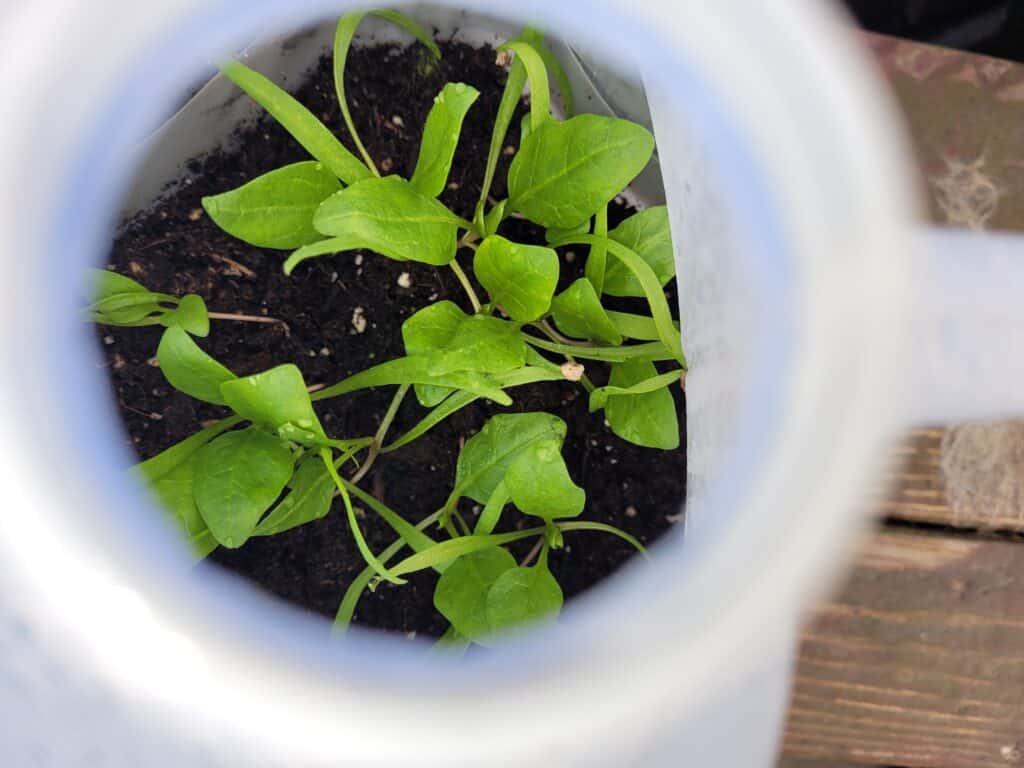
4. Seedlings Become Acclimated to Outdoor Conditions
One of the more frustrating parts of traditional indoor seed starting is transitioning seedlings from a protected indoor environment to the garden. How many times have you tried to harden off plants and still dealt with transplant shock? I’ve been doing it for years and I still have to deal with it here and there.
Indoor seedlings are accustomed to relatively stable temperatures, limited air movement, and controlled light exposure.
Moving them directly outdoors can be stressful to the plant. And maybe stressful for you, too!
They suddenly encounter stronger sunlight, wind, temperature fluctuations, and other environmental conditions they haven’t experienced before.
This transition is known as hardening off, and it is an important step when transplanting indoor-grown seedlings.
Winter-sown seedlings have a different beginning. They grow up experiencing outdoor temperatures, natural light, and changing weather conditions from the start.
Because they are already accustomed to outdoor conditions, they generally do not require the same traditional hardening-off process as indoor-grown seedlings.
That doesn’t mean you should immediately remove their container covers. As temperatures warm and seedlings emerge, gradually increase ventilation and remove covers when conditions are appropriate.
Winter-sown seedlings still need protection from excessive heat, drying winds, and unexpected temperature extremes.
But they have already experienced much of the environmental transition that indoor seedlings must eventually navigate. The “hardening off” process is much simpler and less stressful.
The Benefits of Winter Sowing Go Beyond Germination
Once you understand why winter sowing works, it becomes easier to appreciate why so many gardeners, including me, have adopted this method.
It isn’t simply another way to start seeds. It changes how much time, space, and equipment you need to grow your own transplants.
You Don’t Need an Indoor Seed-Starting Setup
One of the biggest advantages of winter sowing is that it eliminates the need for a dedicated indoor seed-starting area.
Not everyone has room or money for shelves, grow lights, heat mats, and trays of seedlings. Or maybe you are only able to start a few trays. It’s best to focus on the plants that really need the more controlled conditions.
Winter sowing can make starting seeds much more accessible. You can use recycled containers and place them outside where they can receive natural light and precipitation. No need for fancy equipment or lots of space.
You Can Spend Less Time Managing Seedlings
Let’s be honest, nothing is more precious than your time and indoor seed starting requires regular attention. I’m checking on my seedlings every day, usually multiple times a day.
You need to monitor moisture, watch for signs of disease, adjust lighting, manage temperatures, and make sure seedlings have enough room to grow. That’s a lot, especially when you have work and families vying for that time as well.
Winter sowing reduces many of these daily responsibilities.
The containers help maintain moisture, protect seedlings, and create a favorable environment for germination.
You will still need to check them regularly, particularly once temperatures begin warming and seedlings emerge, but you won’t be managing trays of seedlings inside your home all winter. Usually a quick look to make sure they’re not too hot, too dry, or too wet is all it takes. 5 minutes every day/couple days and you’re off.
You Can Grow More Varieties
Winter sowing also makes it easier to experiment with plants you might not otherwise attempt to grow from seed.
Many perennial flowers, native plants, and herbs have specific germination requirements that can make indoor seed starting a little more complicated.
Some require cold stratification, while others germinate best when exposed to fluctuating outdoor temperatures.
Winter sowing allows you to work with these natural requirements instead of trying to recreate them manually.
You Can Grow Strong, Adaptable Seedlings
Winter-sown seedlings develop under natural outdoor conditions.
They experience changing temperatures, natural light, and outdoor air movement as they grow.
This can produce compact, well-acclimated seedlings that are ready to transition into the garden.
Of course, winter sowing does not guarantee stronger plants or better germination for every variety. Seed quality, growing conditions, moisture, and proper timing still matter.
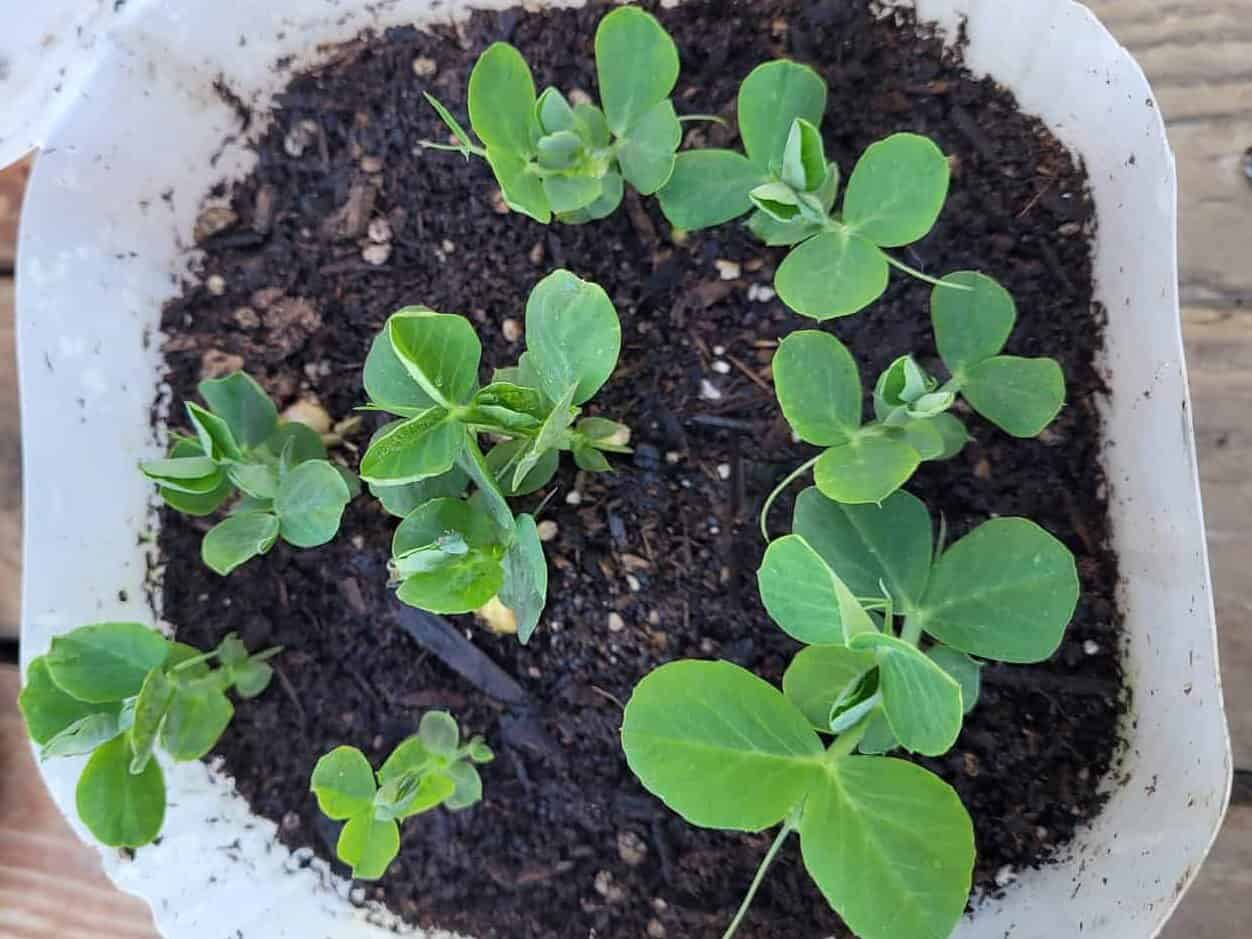
Which Seeds Are Best for Winter Sowing?
Not every seed should be treated the same way..
The easiest way to determine whether a seed is a good candidate for winter sowing is to look at its germination instructions.
Look for descriptions such as:
- Requires cold stratification
- Needs pre-chilling
- Cold hardy
- Frost tolerant
- Self-sows
- Reseeds naturally
- Sow outdoors in fall
- Sow outdoors in early spring
These descriptions provide clues about how a particular plant responds to seasonal conditions.
Some good candidates include:
Perennial flowers and native plants
- Echinacea
- Milkweed
- Black-eyed Susan
- Columbine
- Yarrow
- Bee balm
- Lupine
- Larkspur
- Penstemon
The University of Maryland has a great article on how to winter sow native plants.
Herbs
- Lavender
- Thyme
- Oregano
- Chives
- Parsley
- Sage
- Lemon balm
- Cilantro
Cool-season vegetables
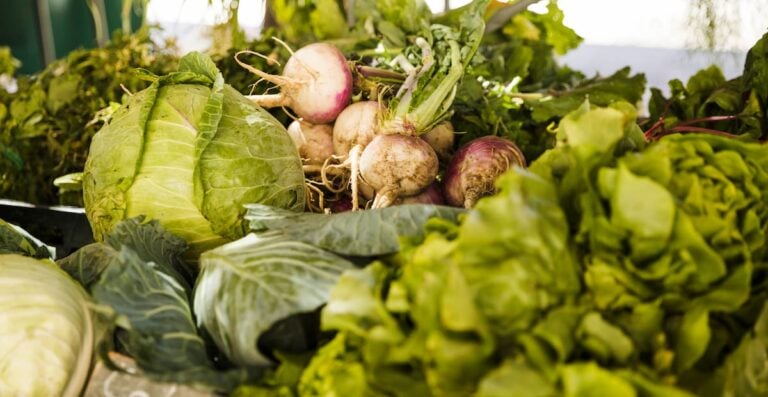
- Kale
- Spinach
- Lettuce
- Cabbage
- Broccoli
- Swiss chard
- Arugula
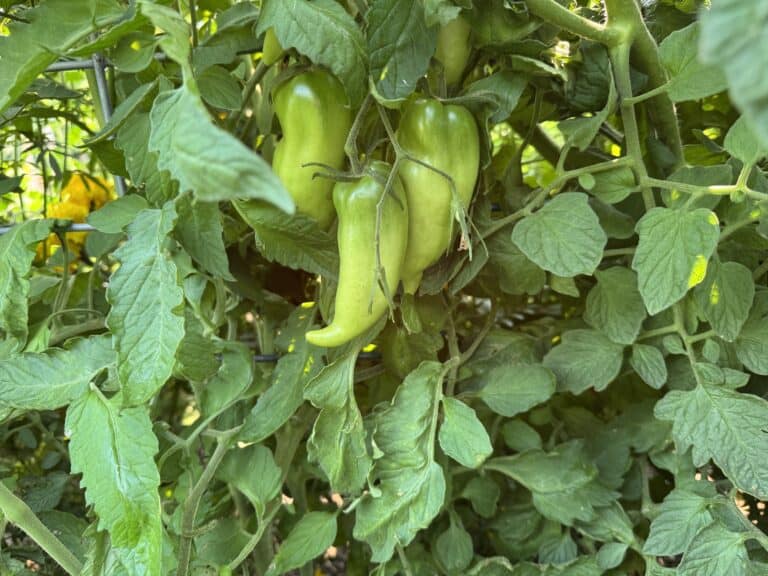
Some warm-season vegetables can also be winter sown, but they should generally be started later when conditions are appropriate. Tomatoes, peppers, cucumbers, and squash are not good candidates for very early winter sowing.
Why Winter Sowing Doesn’t Mean Ignoring Your Seeds
There is a difference between letting nature do its work and neglecting your garden.
Winter sowing reduces the amount of intervention required, but it doesn’t eliminate the need for observation.
Your job changes from controlling every growing condition to paying attention to what is happening around you.
Here are a few things to watch for:
Check moisture levels. Containers can dry out during extended periods without rain or snow. Check the growing medium periodically and water when necessary.
Provide adequate drainage. Drainage holes prevent water from accumulating at the bottom of containers. Waterlogged soil can lead to seed rot.
Watch for overheating. Clear containers can heat up surprisingly quickly when the sun comes out, even when outdoor temperatures are relatively cool. Ventilate containers as needed.
Monitor emerging seedlings. Once seeds begin germinating, check containers more frequently. Seedlings need adequate light, moisture, and ventilation.
Protect seedlings from extreme conditions. Containers offer protection, but they aren’t invincible. Pay attention to unusually severe weather, strong winds, and unexpected temperature changes.
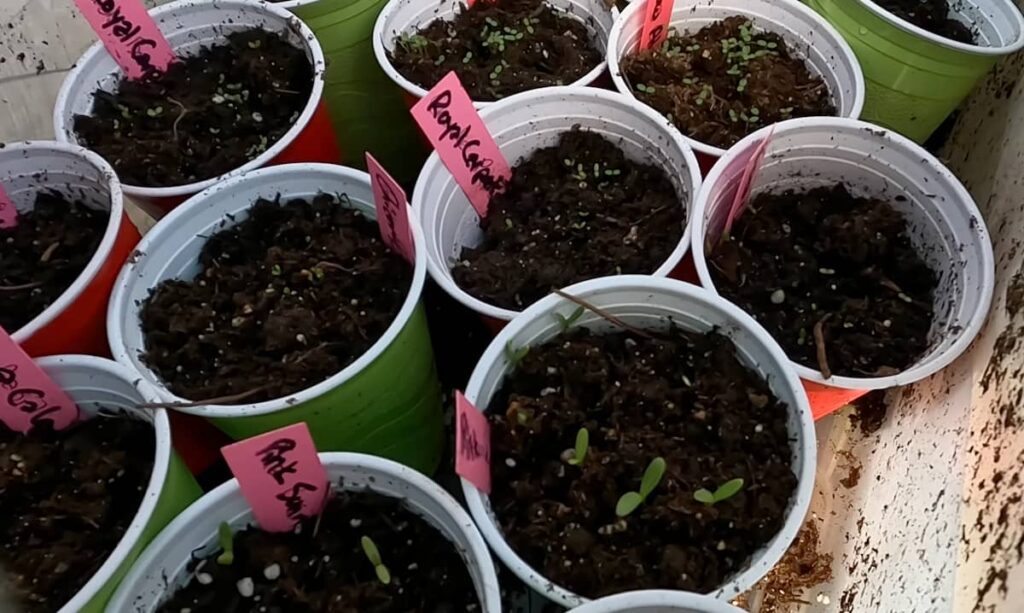
Label everything. It is surprisingly easy to forget what you planted in each container when several weeks have passed and everything still looks like soil. Label on the outside and inside of the container. The sun will likely wear off the labels on the outside, you’ll be glad you put a label inside as well. I’ve made that mistake even when I knew better.
Let Winter Do Some of the Work
Winter sowing is one of those gardening methods that makes you question why you have been making seed starting so complicated. And maybe it will encourage you to give it a try if you’ve always though seed starting was hard or unattainable for you.
It is inexpensive, requires very little equipment, and allows you to grow a surprising variety of plants without filling your house with seed trays.
More importantly, it gives you an opportunity to work alongside nature rather than trying to recreate an artificial growing environment.
When winter arrives and you’re tempted to put away your gardening supplies until spring, consider giving winter sowing a try. I promise you won’t regret it.
Gather a few recycled containers, choose seeds suited to the method, and put them outside.
Then let winter do what winter has always done.
Frequently Asked Questions About Why Winter Sowing Works
Why does winter sowing work?
Winter sowing works because it uses natural outdoor conditions to support seed germination. Cold temperatures can break dormancy in seeds that require cold stratification, while natural precipitation, sunlight, and gradually warming temperatures help create favorable conditions for seedlings to emerge.
Does winter sowing actually produce stronger seedlings?
Winter-sown seedlings grow under natural outdoor conditions and become acclimated to changing temperatures and light from an early stage. This can produce compact, well-adapted transplants. Results depend on the plant variety, seed quality, and growing conditions.
Do seeds need to freeze for winter sowing to work?
No. Some seeds require a period of cold, moist stratification, but they do not necessarily need to freeze. The temperature and duration required depend on the species. Many seeds benefit from consistently cool conditions rather than repeated hard freezes.
Can you winter sow any type of seed?
Technically, many seeds can be started outdoors in containers during winter or early spring, but not every seed is suited to early winter sowing. Perennials, native wildflowers, hardy annuals, and cool-season vegetables are generally good candidates. Warm-season vegetables should be started later when temperatures are appropriate.
Is winter sowing better than starting seeds indoors?
Neither method is universally better. Winter sowing is particularly useful for cold-hardy plants and seeds requiring cold stratification. Indoor seed starting offers greater control over temperature and timing, which is important for heat-loving vegetables and plants with longer growing seasons.
Do winter-sown seedlings need hardening off?
Winter-sown seedlings are already accustomed to outdoor conditions, so they generally do not need the traditional hardening-off process required by indoor-grown seedlings. However, containers should be gradually ventilated and covers removed as temperatures allow.
When should you start winter sowing?
Timing depends on the seeds you are planting and your local climate. Many gardeners start perennial seeds requiring cold stratification in late fall or winter, often around Christmas/New Years time. Hardy annuals and cool-season vegetables can be started later in winter or early spring. Always check the individual seed’s germination requirements.
Does winter sowing work in warmer climates?
Yes, but gardeners in warmer climates may need to adjust their timing. Seeds that require cold stratification may need a period of time in a refrigerator or freezier if outdoor temperatures are not consistently cool enough. Other seeds can be sown outdoors according to their seasonal temperature requirements.