When to Harvest Vegetables for Best Flavor
There’s a moment every vegetable hits its sweet spot. Not just ripe. But perfect. That moment is what separates watery cucumbers from crisp ones, bland tomatoes from ones with a deep, rich flavor, and bitter lettuce from leaves that taste like spring. If you’ve ever wondered when to harvest vegetables for best flavor, the answer isn’t just about size. It’s about paying attention to the fruit, picking at the right time and temperature.
The Golden Rule: Harvest Before Stress Sets In
The flavor of vegetables change when plants get stressed.
Stress looks like:
- Too much heat
- Too little water or too much water
- Waiting too long
Many vegetables become tougher or more bitter after they pass their prime. Sugars convert to alcohol and acids as the fruit begins to ferment. And texture shifts to mushy.
If you’re not sure how to tell when vegetables are ready to pick, start here:
- Harvest when they look mature but are still firm
- Don’t wait for oversized produce
- Check daily once they near maturity (especially with zucchini or they’ll get huge overnight!)
Gardeners who consistently harvest at peak flavor don’t wait for vegetables to get huge. They pick slightly young and tender fruits when sugars are at their peak.
Bigger is rarely better when it comes to fruit and vegetables.
Best Time of Day to Harvest Vegetables
Early morning is a great time for most vegetables. Plants tend to be fully hydrated and are nice and moist. Sugars are concentrated. Leaves are crisp without wilt from the afternoon sun.
I would argue the exception to that is tomatoes. Harvest those just after the heat of the day when moisture levels drop. The flavor will be more concentrated, and for tomatoes that’s a good thing. They’ll be more watery in the morning, which makes them a little less flavorful.
If you want to know the best time of day to harvest vegetables, aim for:
- Morning for leafy greens and herbs
- Morning for cucumbers and beans
- Late afternoon for tomatoes if you want slightly higher sugar concentration
Avoid harvesting in the heat of midday. That’s when vegetables are stressed and moisture levels dip. Stressed vegetables don’t taste as good.
Signs Vegetables Are Ready to Harvest
Days to maturity are helpful when planning your garden. It helps determine about when in the summer you’ll be harvesting what you plant. But planning only takes you so far. Use your eyes once you see harvest time is nearing.
Here’s what to look for when deciding how long to leave vegetables on the plant:
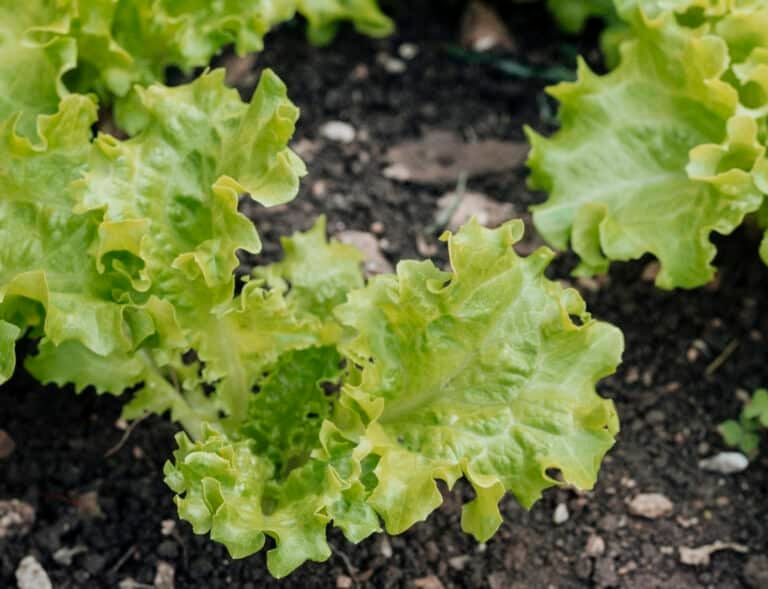
Leafy Greens
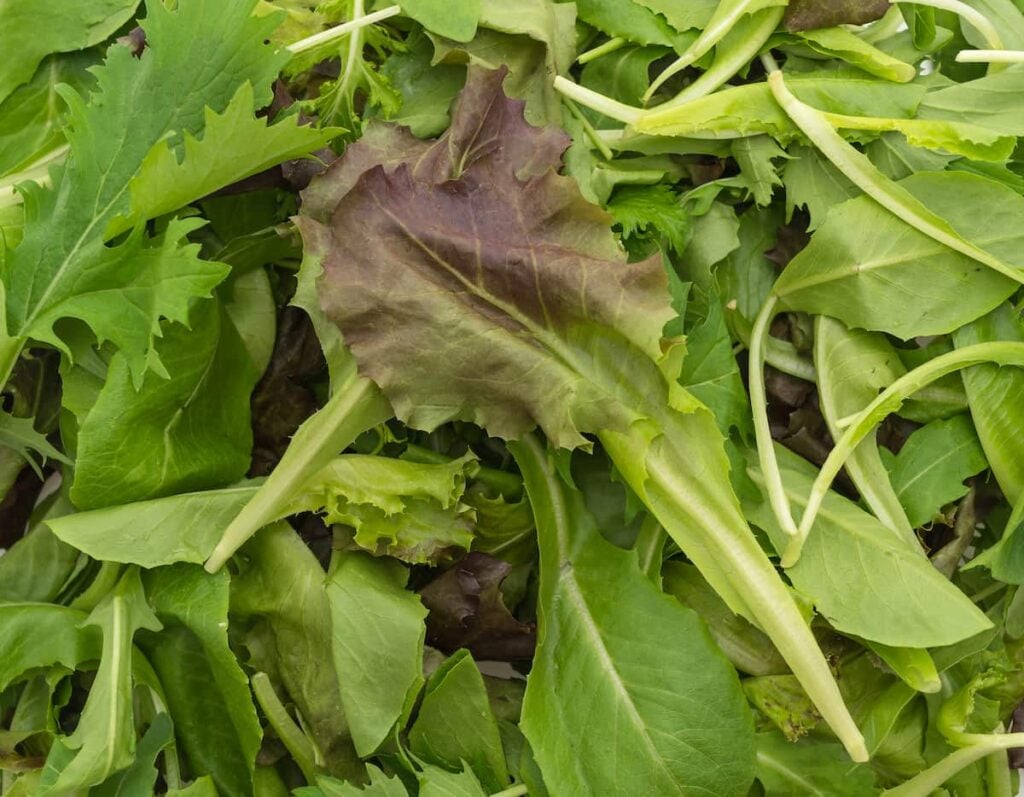
- Leaves are full size but still tender
- If harvesting for baby greens, harvest as soon as the leaves are the size you’re looking for
- No bitterness yet
- Harvest outer leaves first for continuous growth
To harvest leafy greens for best taste, pick before the summer heat causes bolting. Most leafy greens like cooler weather and will taste better if harvested before it gets hot.
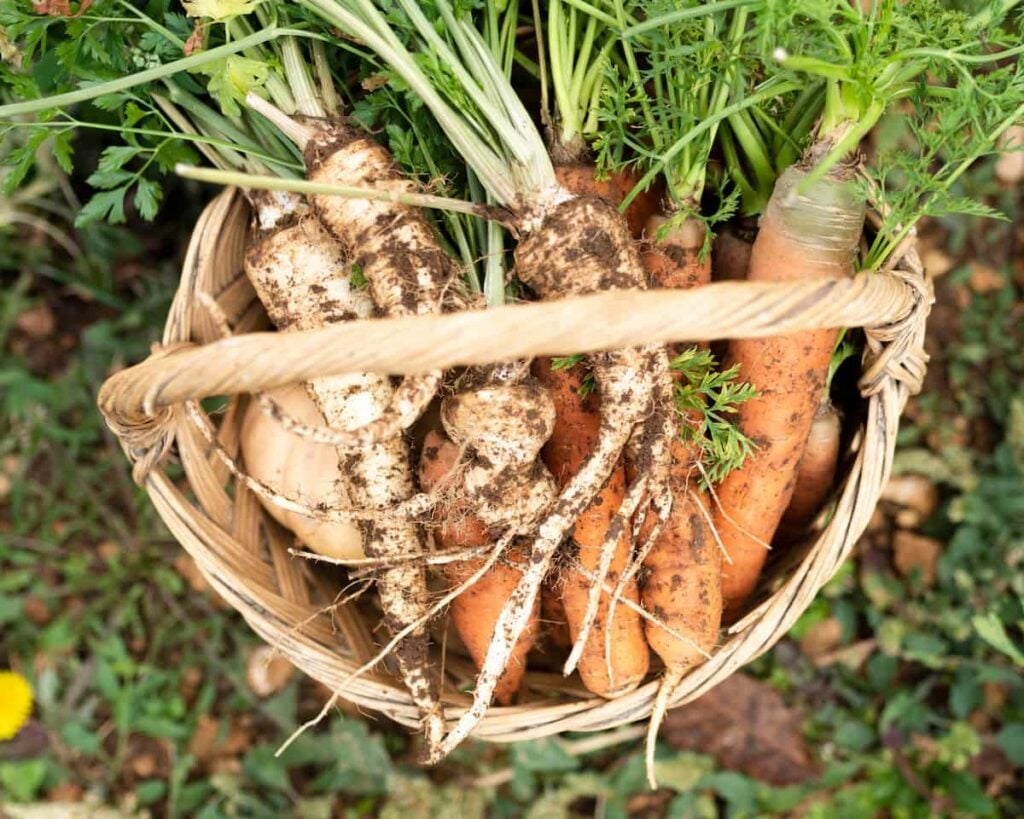
Root Crops
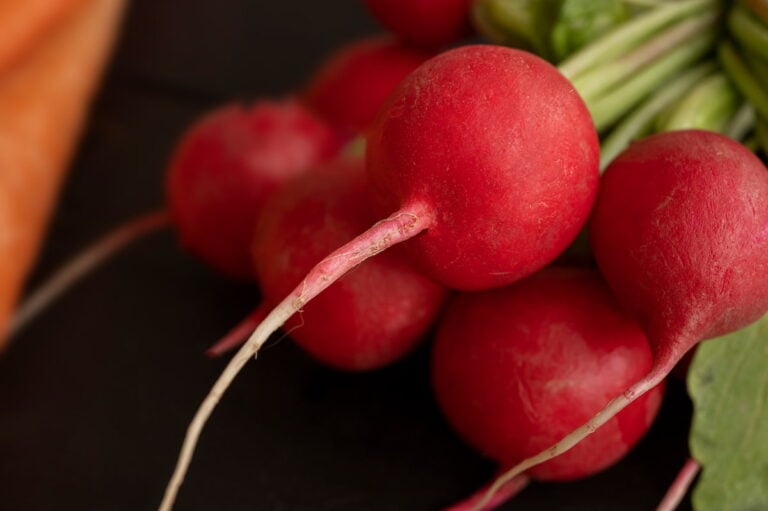
Carrots, beets, and turnips get woody if left too long and allowed to grow too big. You also risk worms with beets and turnips if they are left in the ground too long. Worms also like kohlrabi if left in the ground.
- Check root size at soil surface
- Harvest when roots are smooth and firm and of decent eating size
- Don’t wait for giant roots
Young carrots are sweeter. Always.
Parsnips are an exception to this. Leave them in the ground until after the first frost for sweeter, more delicious roots. My post on How to Grow Parsnips explains how to grow this root crop to get the best flavor.
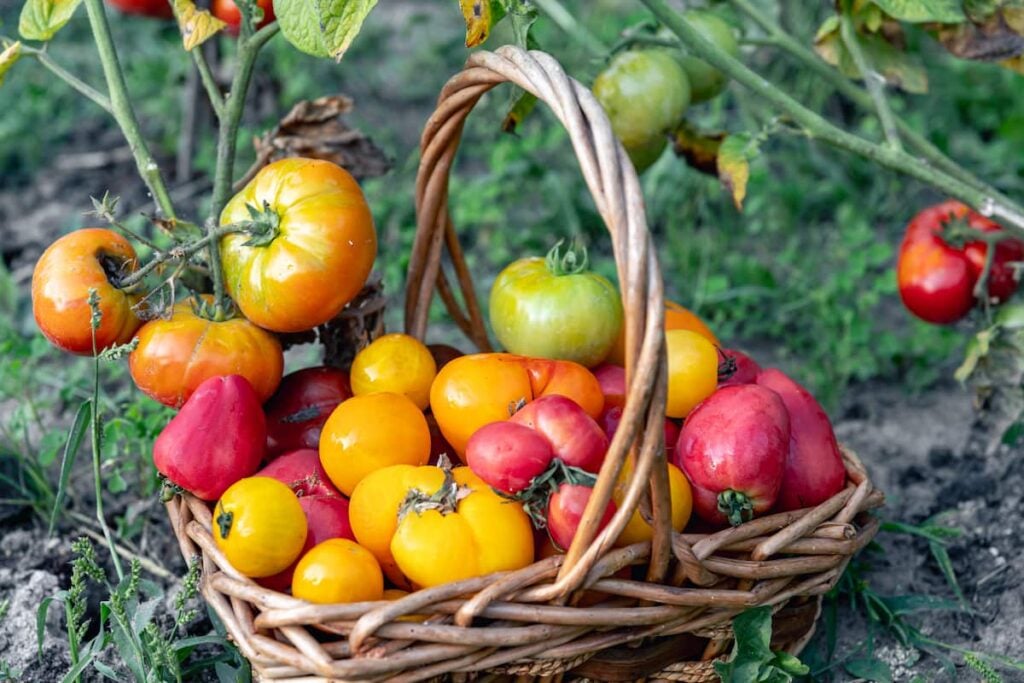
Tomatoes
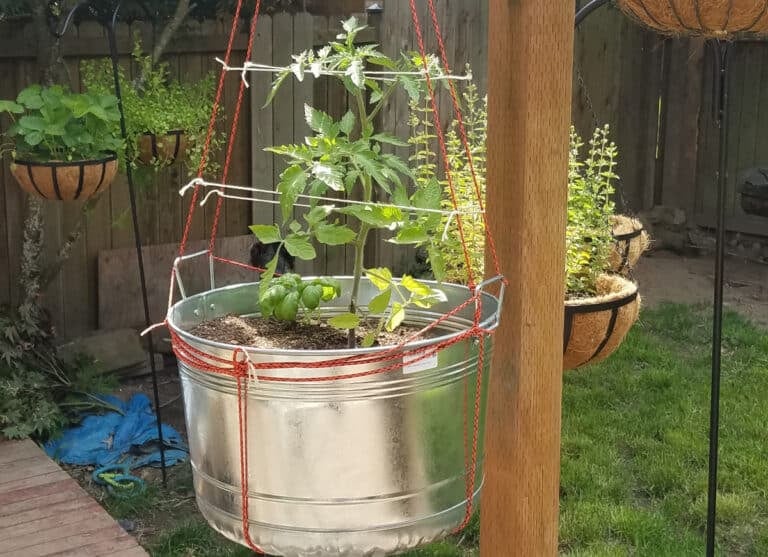
When should you pick tomatoes for best flavor?
Pick when they:
- Are fully colored
- Have a slight give when gently squeezed
- Can be easily twisted off the vine
Vine-ripened tomatoes have the richest taste. If pests, disease, or frost start to move in, harvest at first blush and let them finish indoors. If you’re unsure if you’re tomato plant has a disease or not, read my post on the Most Common Tomato Disease and How to Treat Them to learn more.
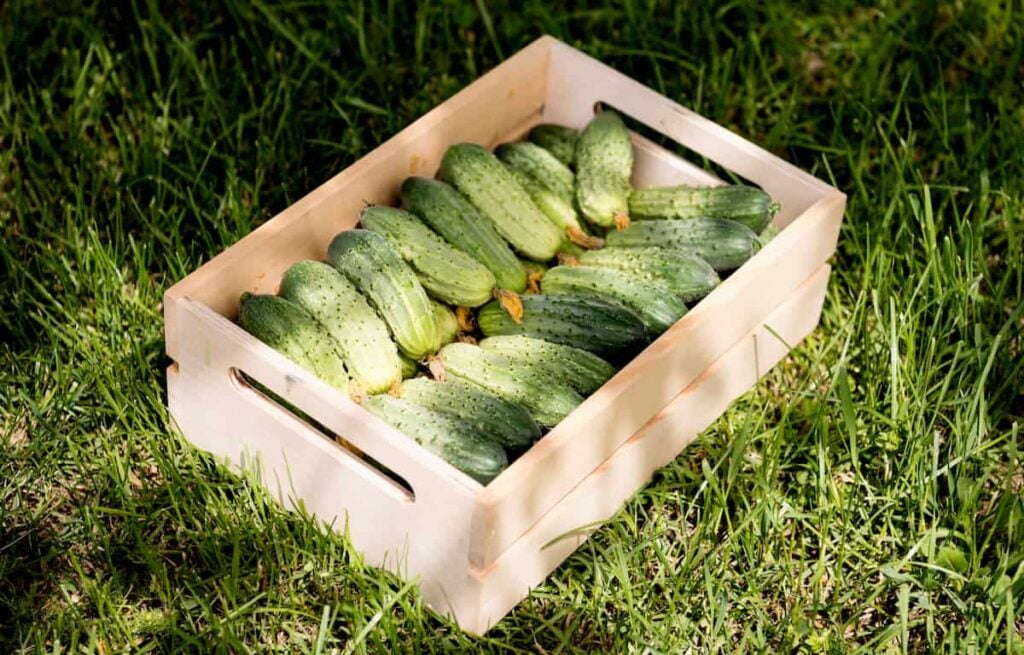
Cucumbers
Pick cucumbers when they are firm and glossy. If they turn dull or yellow, the flavor and texture declines fast. At that point they’re best for saving seeds or feeding to chickens.
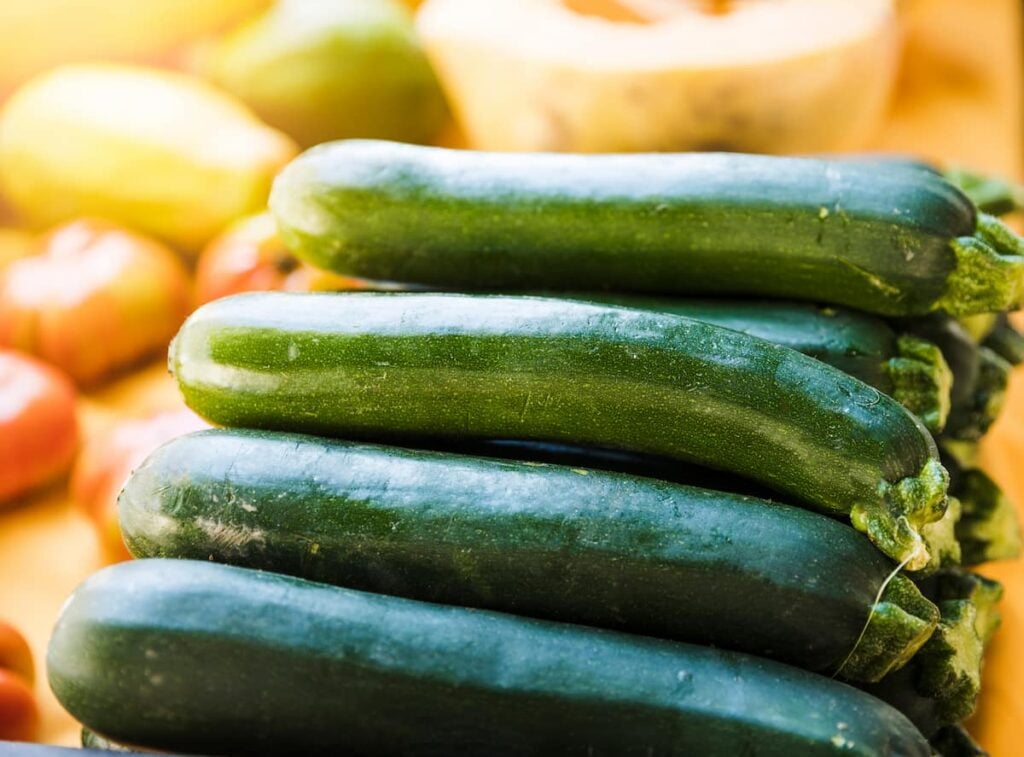
Zucchini
6 to 8 inches long is about the ideal size.
Large zucchini may look impressive, but flavor fades, the seeds get large and they harden. These zucchini can still be good for baking things like my Orange Zucchini Bread, but they aren’t great for eating any other way.
Beans and Peas
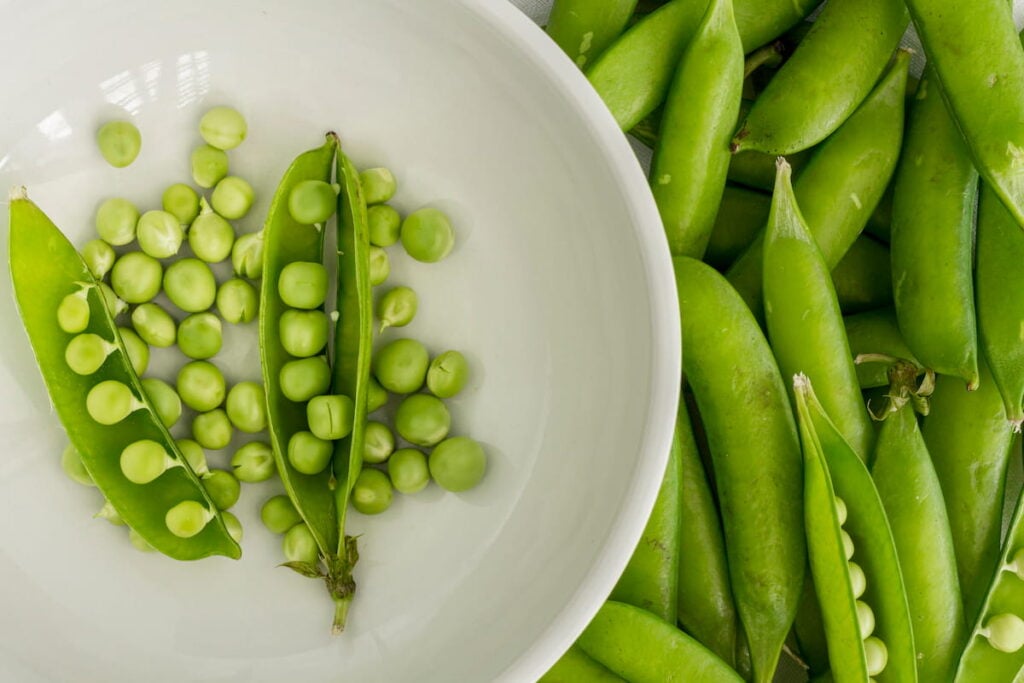
Harvest green beans and peas when pods are full but still crisp. Overfilled pods turn starchy quickly. At that point they’re hard and have lost any sweetness, especially peas.
If you are growing beans for drying, then allow them to dry on the plant. Beans such as black, kidney, and pinto beans are best left to dry and stored for use. They’ll be ready to rehydrate when you need them and they won’t loose flavor in the drying process.
Melons (Watermelon & Muskmelon)
Melons test your observational skills like no other fruit.
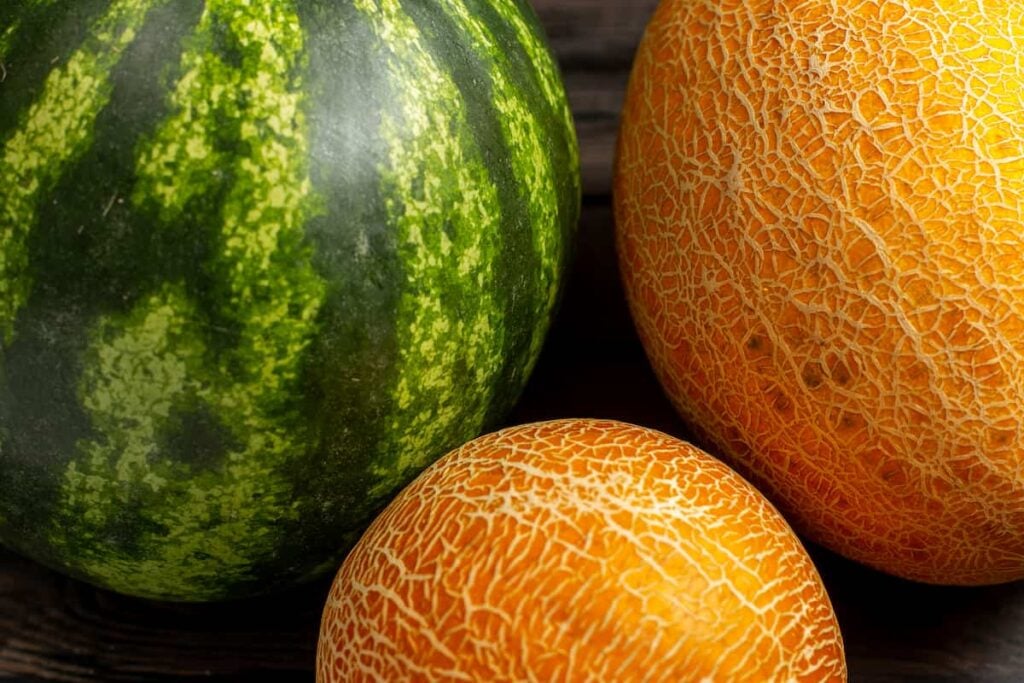
Unlike tomatoes, most melons do not continue to sweeten after harvest. This makes knowing how to tell when vegetables are ready to pick especially important here.
Cantaloupe / Muskmelon
- Strong sweet fragrance
- Rind changes from green to tan
- Fruit slips easily from the vine with gentle pressure
If it resists pulling, it’s not ready.
Watermelon
- Creamy yellow field spot on the underside
- Nearest tendril turns brown and dry
- Dull, hollow sound when tapped
Watermelons do not improve after picking. Harvesting too early means bland fruit. Waiting too long can lead to a mealy, unpleasant texture.
The reward for patience with melons is deep sweetness and full flavor.
Corn
Corn is all about sugar and sugar disappears quickly in corn.
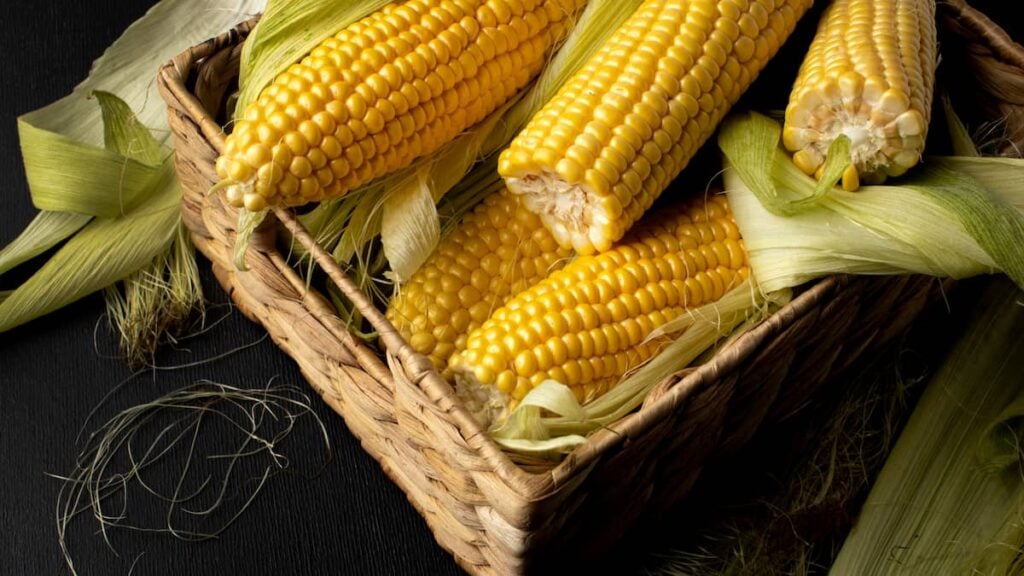
If you’re trying to decide when to harvest vegetables like sweet corn, watch the silks:
- Silks turn brown and dry
- Ears feel full to the tip
- Kernels release milky juice when pierced
This is called the “milk stage.” That’s peak sweetness.
Once picked, corn immediately begins converting sugar to starch. For best flavor, cook or refrigerate within hours. Garden corn can taste almost sugary when harvested at the right moment.
Wait too long and kernels become tough and starchy. Harvest too early and they’ll be watery and small. The ear may not have even developed all its corn kernels.
Potatoes
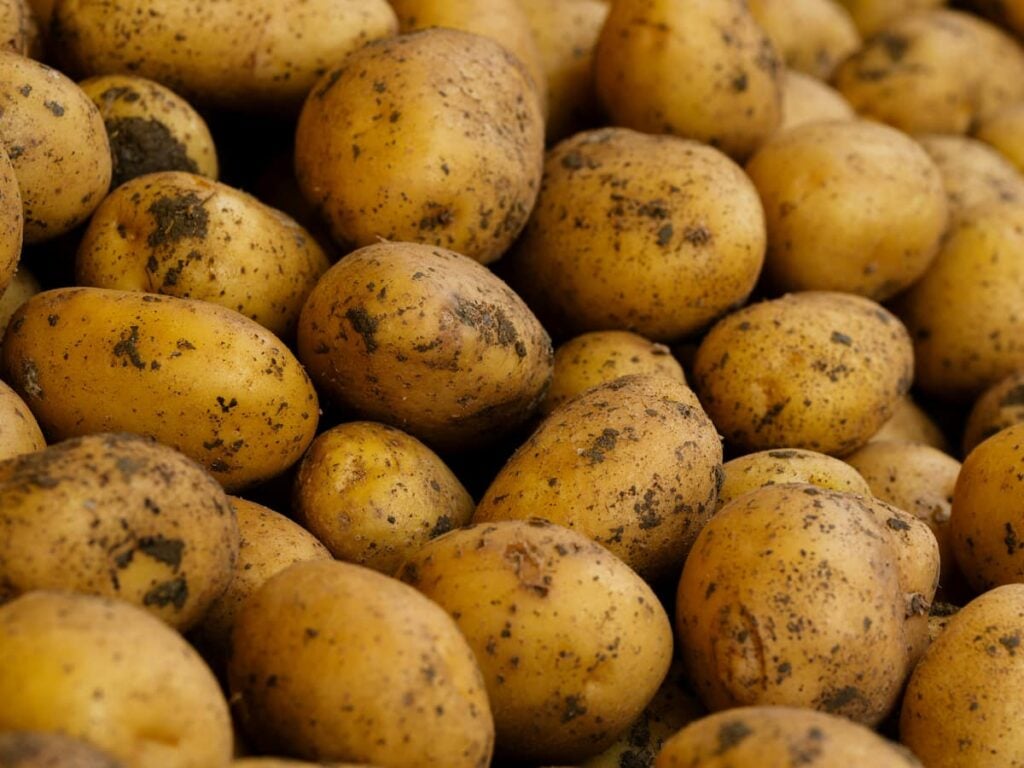
Potatoes come in two harvest windows: tender and storage.
New Potatoes (Tender, Best Flavor, Thin Skins)
- Harvest 2 to 3 weeks after plants flower
- Skins are thin and rub off easily
- Smaller size, creamy texture
- Mild, slightly sweet flavor
If you’re wondering how long to leave potatoes in the ground, new potatoes are your early reward. They are delicate and meant to be eaten soon after harvest.
Storage Potatoes (Hearty and Long-Keeping)
- Wait until vines yellow and die back
- Stop watering 1 to 2 weeks before harvest
- Skins should feel firm and set
For maximum flavor and storage life, let potatoes cure in a dry, shaded space for about 10 to 14 days before storing. Keep them in one layer, do not stack them. Airflow is important for the curing process.
Leaving potatoes too long in soggy soil can cause rot. Leaving them after vines die in very wet weather reduces quality.
Vegetable Harvest Timing Guide Quick Rules
If you want a simple vegetable harvest timing guide, remember this:
- Leafy greens: harvest young
- Roots: harvest before oversized
- Fruit crops: harvest fully colored but firm
- Pods: harvest before seeds get too large and start to burst out of the pod
- Potatoes: Harvest young for tenderness or after vine dieback for storage
- Corn: Pick at milk stage and use quickly
- Melons: Wait for full ripeness because sweetness won’t increase off the vine
Check your garden daily once plants begin producing. The window were you find the best flavor can be short for some vegetables.
The Danger of Waiting Too Long
Many gardeners make the mistake of waiting because they want the vegetable “just a little bigger.”
That little extra time can turn into:
- Bitter lettuce
- Tough beans
- Mealy cucumbers
- Split tomatoes
Harvesting vegetables at peak ripeness requires confidence. Pick. Taste. Adjust if not what you were hoping for.
Simple Harvest Checklist for Maximum Flavor
Before picking, ask:
- Is it fully colored?
- Is it firm but tender?
- Does it smell fresh?
- Has hot weather stressed the plant?
- Would it taste better slightly smaller?
If the answers to these are yes, go ahead harvest it.
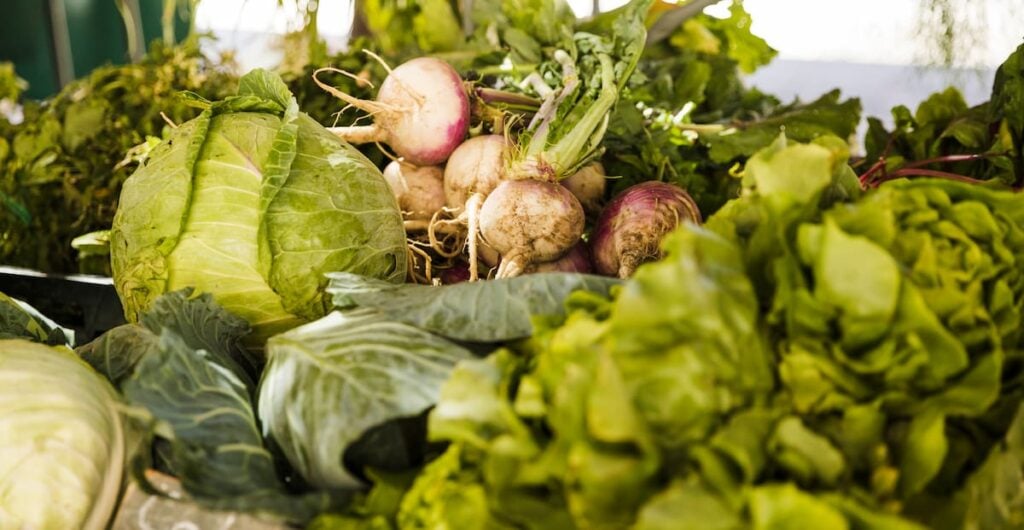
Now You Can Get The Best Flavor From Your Vegetables
Learning how to harvest vegetables for maximum flavor is less about charts and more about observation.
The best gardeners don’t just grow vegetables. They spend time in the garden every day, watching.
Walk your garden every day. Taste often to learn. Harvest generously when the time is right.
Remember: peak flavor doesn’t wait long.
Frequently Asked Questions
Q: What is the best time of day to harvest vegetables?
A: The best time of day to harvest vegetables is generally early morning, after the dew has dried but before the heat of the day sets in. During this time, plants are fully hydrated, which means leafy greens are crisp, cucumbers are firm, and herbs contain higher moisture levels.
If you’re focused on harvesting vegetables for maximum flavor, morning picking preserves texture and reduces post-harvest wilting. Tomatoes are the one exception. Some gardeners prefer harvesting them later in the day when sugars have had more time to concentrate.
Q: How do you know when vegetables are ready to pick?
A: The most reliable way to tell if vegetables are ready is by observing size, color, firmness, and overall plant health.
Here are common signs vegetables are ready to harvest:
- Full, vibrant color
- Firm but not hard texture
- Easy separation from the plant
- Proper size for the variety
Days to maturity on seed packets provide guidance, but visual and physical cues are more accurate. When learning how to tell when vegetables are ready to pick, trust your senses over the calendar.
Q: Does harvesting vegetables early improve flavor?
A: Yes, in many cases harvesting slightly early improves flavor and texture.
Leafy greens are sweeter when young. Zucchini and cucumbers are more tender before seeds mature. Beans are less stringy when harvested before pods fully swell.
If you’re wondering how long to leave vegetables on the plant, the answer is often “not as long as you think.” Oversized vegetables may look impressive, but flavor and tenderness usually decline.
Q: Should you harvest vegetables before or after rain?
A: It’s best to wait until plants are dry before harvesting. Picking wet produce can encourage mold and shorten storage life.
However, consistent rainfall can improve flavor in many vegetables because steady moisture prevents stress. If heavy rain is followed by intense heat, harvest promptly to prevent splitting in tomatoes or bitterness in greens.
For peak flavor and storage quality, harvest when foliage is dry.
Q: Do vegetables taste better if left on the vine longer?
A: Not always.
Fruiting crops like tomatoes develop fuller flavor when allowed to ripen fully on the vine. However, root crops, beans, zucchini, and leafy greens often become tough or bitter if left too long.
When deciding whether to leave vegetables longer, ask:
- Is it fully colored?
- Has texture changed?
- Is the plant under heat stress?
Peak ripeness is about balance, not maximum size.
Q: How often should you harvest vegetables?
A: Frequent harvesting encourages continued production and improves quality.
Many crops like cucumbers, beans, and zucchini should be checked daily once production begins. Leaving mature produce on the plant signals it to slow down.
If your goal is consistent flavor and higher yields, harvest often and don’t hesitate.
Q: Why do my homegrown vegetables sometimes taste bitter?
A: Bitterness is usually caused by stress or overmaturity.
Common causes include:
- Heat stress
- Inconsistent watering
- Allowing vegetables to grow too large
- Bolting in leafy greens
To avoid bitterness, harvest before extreme heat, water consistently, and pick vegetables at their ideal size rather than their maximum size.
Q: Can you harvest vegetables too early?
A: Yes, but early harvesting is often safer than harvesting too late.
Immature vegetables may lack full flavor development, especially fruiting crops like peppers and tomatoes. However, slightly young zucchini, cucumbers, beans, and greens are typically more tender and sweeter than overripe ones.
If unsure, harvest one, taste it, and adjust your timing.