Best High Yield Vegetables for Small Gardens
Small garden spaces have a reputation for being limiting. A balcony, a patio corner, or maybe a few raised beds tucked beside the driveway can become one of the most productive food-growing systems you’ve ever worked with. Your secret to success is going to be good soil and the right plants. Let’s walk through the high yield vegetables for small gardens that thrive when space is tight.
What Makes a Vegetable Perfect for Small Spaces?
Not every crop is built for compact living. Some plants sprawl and take over a space. Others need a lot of buddies to produce. Then there are many more that do great, and those are the ones you want to focus on.
The best high yield vegetables for small gardens usually have a few things in common:
- They grow upward or stay naturally compact
- They produce continuously instead of one-and-done harvests
- They mature quickly or can be succession planted
- They adapt well to containers or raised beds
Once you recognize those traits, plant selection becomes much easier and a lot more fun.
If you’re just getting started, you might also enjoy my guide on How to Grow More Food in Less Space, where I break down the bigger system behind maximizing every square foot.
Leafy Greens: The Quiet Powerhouses
If small space gardening had a “sure win” category, leafy greens would be number 1 every time.
Lettuce, spinach, arugula, and Swiss chard are easy keepers. A shallow container, decent soil, and consistent moisture is enough to keep them producing. They do excellent in vertical planters, so you can grow a lot in a very small amount of space.
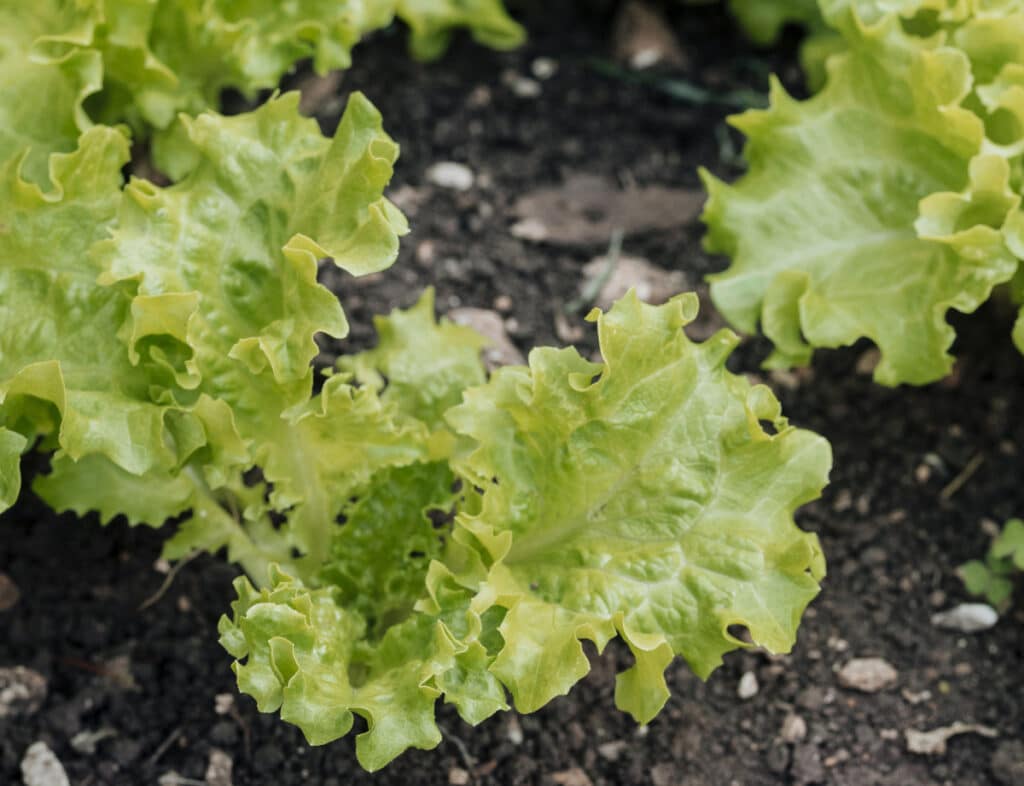
What makes them special is how quickly they grow. You can harvest outer leaves within a few weeks and let the plant keep growing. This “cut and come again” method turns a single planting into weeks or even months of food.
Spinach and arugula especially thrive in cooler seasons, making them perfect for months when other crops slow down or stop producing.
For anyone exploring the easiest vegetables to grow in containers for beginners, leafy greens are at the top of that list.
Root Crops That Respect Boundaries
Root vegetables might sound like they need deep, sprawling garden beds, but many of them are surprisingly compact-friendly.
Radishes are the fastest growers in the garden. Some varieties are ready in under a month. They’re ideal for filling gaps between slower crops or growing underneath crops, like tomatoes, as they get going.
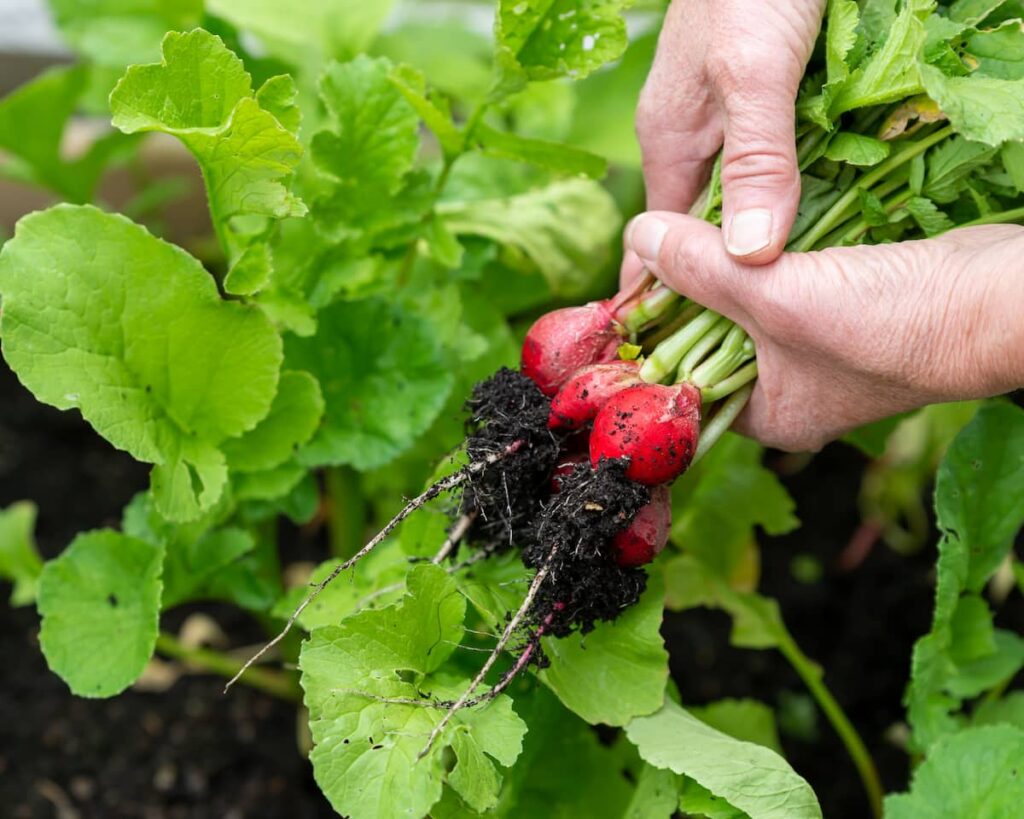
Short carrot varieties like ‘Paris Market’ or ‘Thumbelina’ are perfect for containers at least 8 to 10 inches deep. Beets also adapt well, giving you both edible roots and greens in one plant. Turnips are also a great choice but should be harvested before they get too big. They can get big and take more space than needed if you let them.
The trick is to growing these is loose, well-draining soil. Roots don’t like resistance, they don’t like clumps of dirt or rocks they have to work around. They will have a hard time getting going or end up misshapen in the wrong soil.
These crops are excellent examples of what vegetables grow well in small pots when you match variety to container depth.
Compact Fruiting Vegetables That Pull Their Weight
Cherry tomatoes are the undisputed champions of container or small space gardening. A single well-supported plant can produce a steady stream of fruit all season long. Look for determinate or compact indeterminate varieties if space is tight. If you choose the right variety, like Sweet 100, one plant can give you more tomatoes than you would expect.
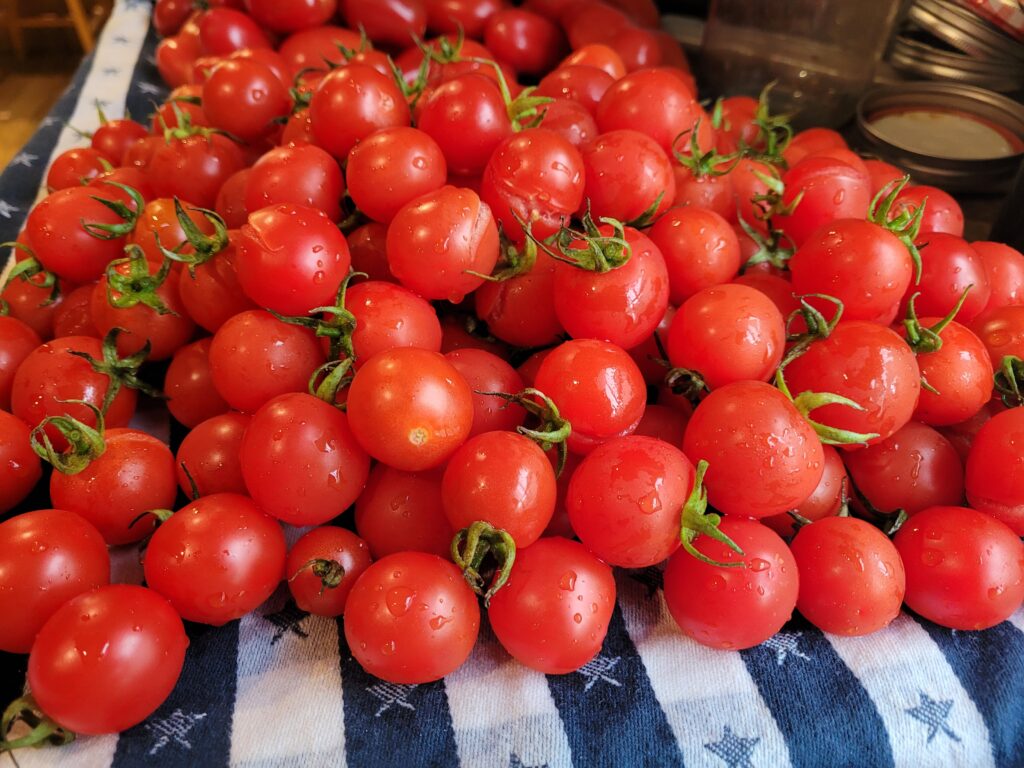
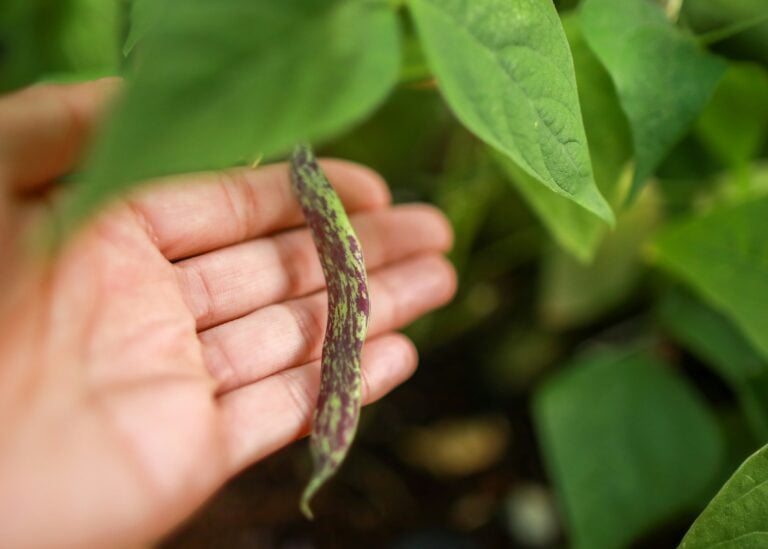
Peppers, both sweet and hot, thrive in containers and love warm patios. Bush beans also deserve attention here. They don’t need trellises, mature quickly, and produce heavily in short bursts. I’ve planted bush beans and had more than I would have thought a small plant could produce. They’re also a great plant to plant around larger plants since they stay fairly small.
If you’re just starting to explore best vegetables for patio gardening beginners, these crops are where things start to feel exciting. It’s hard not to smile when you’re harvesting tomatoes right outside your door.
For more container-specific strategies, you might like my post on High-Yield Container Gardening for Beginners, where I break down how to set up productive pots from the start.
Vertical Gardening: The Secret to Doubling Space
If there’s one shift that transforms small gardens into abundant ones, it’s going vertical.
Pole beans, cucumbers, and peas naturally reach upward when given support. Instead of spreading across the ground, they climb trellises, cages, or even string systems.
This is where vertical vegetable gardening small spaces becomes more than a technique. It becomes a mindset.
By lifting crops upward, you free the soil below for additional planting. Lettuce under tomatoes. Basil under peppers. Suddenly your “small space” starts behaving like a layered system.
A simple trellis against a fence can double or even triple your productive area without adding a single square foot.
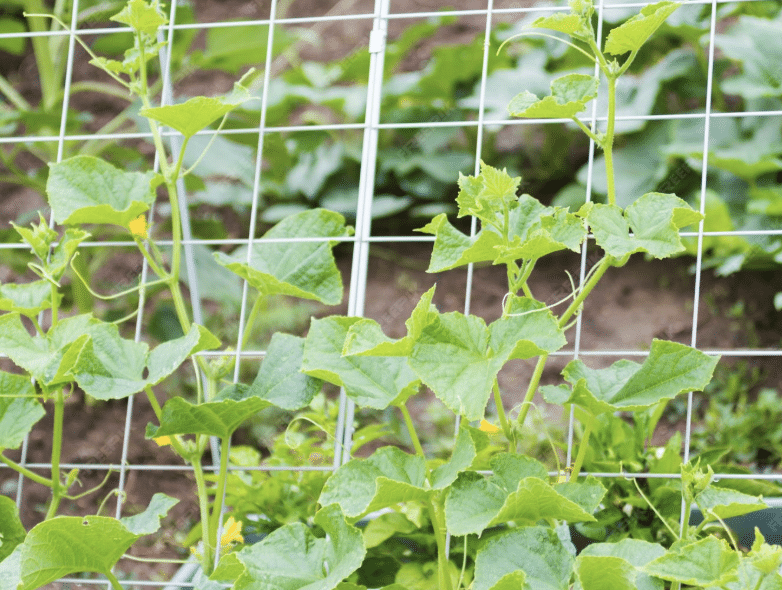
You can do this with just about any vining plant, but some will work better than others. Winter squash and melons can be trimmed so their vines do not outgrow the space you have. Trim them to 5 feet or so and that forces the plant to focus on the fruit it has on those shorter vines, instead of putting energy into growing more vines.
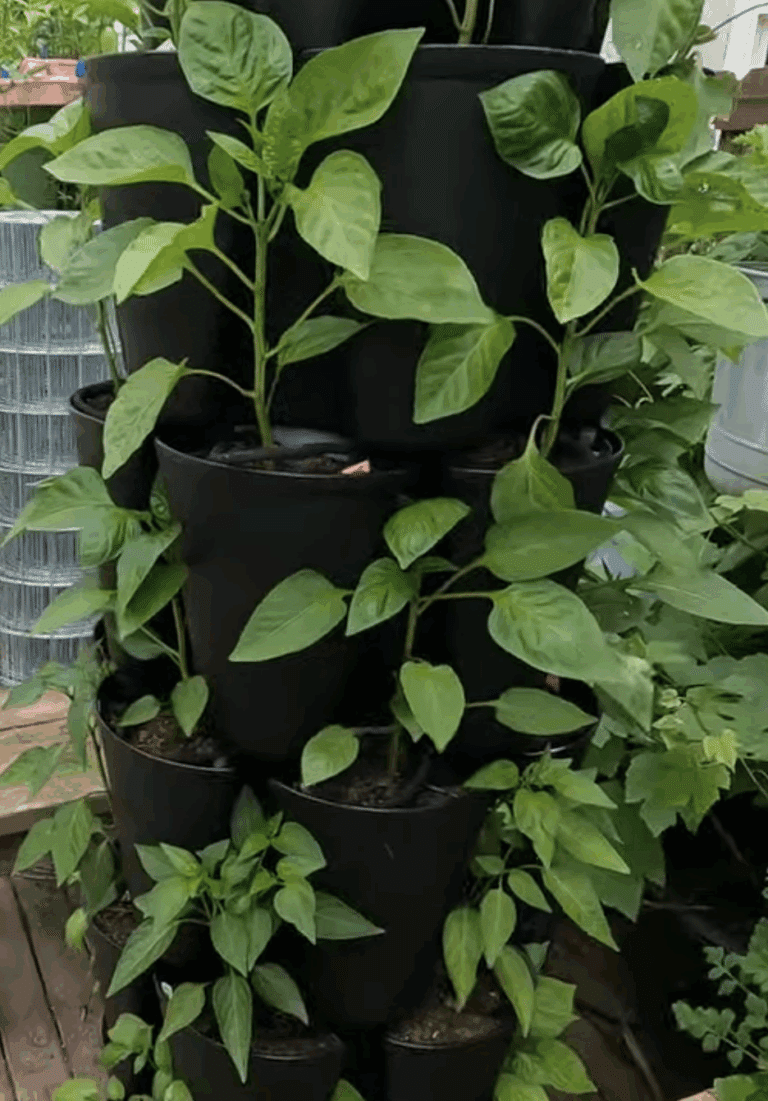
Another way to grow vertically is with vertical planters, such as the GreenStalk, which is my favorite choice. Because the planters are essentially stacked, you can grow a lot of food in a very small amount of space. Read more about what you can do with a vertical planter in How to Grow More Food In Less Space.
Herbs: The Underrated Production Machines
Herbs are often treated like a garnish, but in a small garden they are more like steady producers.
Basil, parsley, cilantro, thyme, and oregano thrive in containers and respond beautifully to regular harvesting. The more you pick, the more they grow.
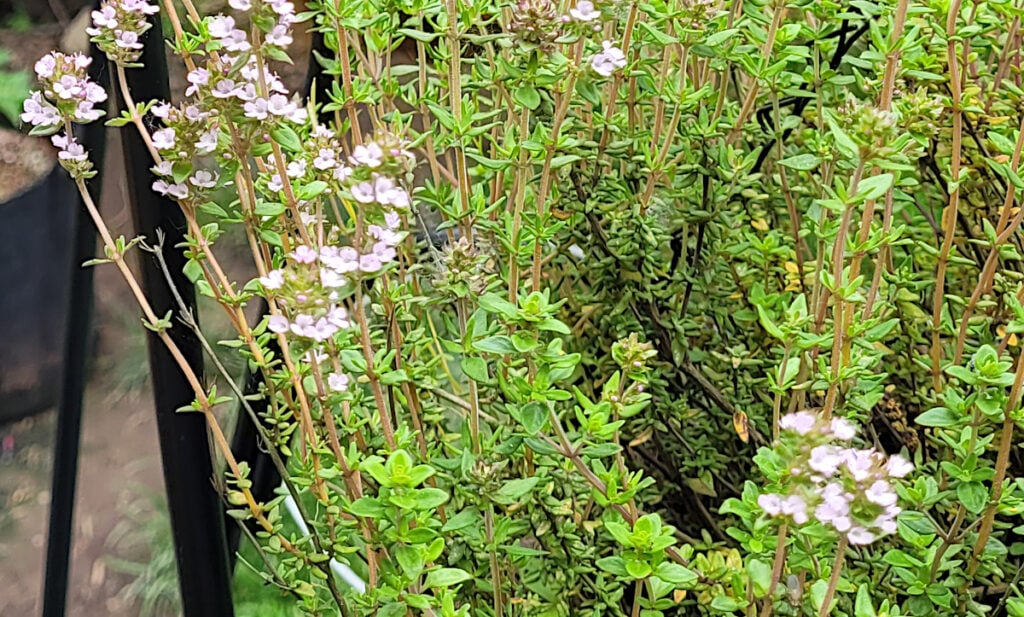
This makes them ideal for space saving vegetable gardening techniques, especially when interplanted with larger crops.
A few basil plants tucked around tomatoes can improve both space efficiency and flavor in the kitchen. It’s a quiet kind of synergy that small gardens excel at and large gardens often miss out on.
Vegetables That Don’t Play Nice in Small Space Gardens
Every garden has its overachievers… and its space hogs. In a wide-open field, these plants are perfectly happy stretching out and taking their time. In a small garden, though, they can crowd out everything else.
If your goal is high yield in a small footprint, these are the crops you’ll want to think twice about.
Sprawling Vines That Take Over
Some plants do push their boundaries.
- Pumpkin – especially large pumpkin varieties
- Watermelon
- Winter squash (like butternut or spaghetti squash)
- Sweet potatoes
These crops send out long vines that can easily stretch 10–20 feet or more. In a small space, they quickly smother neighboring plants, block sunlight, and turn your tidy garden into a tangled jungle.
Yes, you can grow them vertically with strong support systems… but they still demand a lot of attention and space compared to the yield you’ll get in a container setup.
You can trim the vines to be more manageable, as I mentioned above. But if you have a very limited amount of space, leave these to last and see if there’s space for them.
Corn: Big Appetite, Small Return
Corn looks tempting. It’s iconic. And it’s well known that fresh picked, home grown corn is unbeatable.
But in a small space, corn is a poor choice.
It requires:
- A decent-sized block of plants for proper pollination – because it’s wind pollinated, it needs at least a 4 foot by 8 foot bed with only corn to have a chance at good pollination.
- Consistent nutrients and water – corn requires a lot of nutrients and water which does not always fit well with small space or container gardening.
- Quite a bit of room for relatively low yield – the pollination needs require there to be a lot of plants, and each plant gives you 1 ear of corn on average. Some varieties will give 2, but 1 per plant is typical.
Instead of one ear per stalk taking up precious space, you could grow multiple harvests of leafy greens or several pepper plants in the same footprint.
Corn earns its place on larger plots, not tight patios.
Large Root Crops (The Deep Diggers)
Some root vegetables just need more depth and room than containers comfortably provide.
- Full-size potatoes (especially indeterminate varieties)
- Large storage carrots
- Parsnips
While you can grow potatoes in grow bags, they tend to take up valuable space for a single harvest. Compare that to radishes or baby carrots, which mature quickly and let you replant multiple times.
You can absolutely grow larger carrots and parsnips as well, but they do need deeper pots. 12 inches deep is minimum, at least 18 inches deep is ideal. If you have raised beds they can grow much easier. But they do take all season to mature, so you won’t get a quick return and once you’ve planted them, you can’t plant anything else in that space for the rest of the season.
If you love parsnips and want to grow them in your small garden, check out my post on How to Grow Parsnips.
In small space gardening, efficiency matters more than novelty.
Low-Yield, Long-Season Crops
Some vegetables simply take too long to produce for what they give back.
- Head cabbage
- Cauliflower
- Broccoli (large heading types)
These crops sit in your garden for months, occupying space the entire time, and then deliver a single harvest. Or maybe you will get one big harvest and another very small one. Nothing worth the amount of space they take up.
That’s a tough trade when you could be cycling through faster, cut-and-come-again crops in the same spot.
If you love these, consider growing compact or baby varieties, or just plant one or two as a “treat” rather than a main crop.
Indeterminate Everything (Without a Plan)
Not all indeterminate plants are bad. In fact, indeterminate tomatoes can be incredibly productive.
But without pruning, support, and intention, they can quickly outgrow a small space.
Think of them like enthusiastic climbers. Without a trellis or routine trimming, they’ll sprawl, shade other plants, and reduce overall productivity.
If you’re growing them, make sure you’re also managing them well.
The Real Strategy: Stacking Instead of Spreading
The biggest mistake in small space gardening is thinking in one dimension.
Instead, think in layers:
- Tall crops like tomatoes or beans
- Mid-level crops like peppers or herbs
- Ground-level crops like lettuce or spinach
- Underground crops like radishes or carrots
This is how you turn compact vegetables for raised beds into a full food system instead of a simple row of plants.
Succession planting adds another layer. When one crop finishes, another takes its place. No soil sits idle. No container goes underused.
These principles are how you turn that small space into a garden that’s more productive than one 3 times its size. I’ve done it using these exact methods and you can, too.
Common Small Space Gardening Mistakes
Even the best intentions can end up going a little sideways in a container garden.
Overcrowding is the biggest one. It’s tempting to pack as much as possible into a small space, but plants still need airflow and light. Plant densely but make sure air can still get to each plant to prevent disease. Read more about Why Airflow Is Important for Healthy Plants.
Light placement is another overlooked factor. A sunny balcony in the morning might become shaded in the afternoon, changing what will actually thrive there. I’ve grown in shadier spots, but production does go down. Keep that in mind.
And finally, container depth matters more than most beginners expect. A shallow pot limits root crops instantly and stresses fruiting plants over time. Roots need room to grow. Choosing the wrong container for the plant is going to cause your plant to struggle and reduce your yield.
Final Thoughts: Small Space, Big Harvest Mindset
A small garden isn’t a limitation. It’s a challenge in how to design a small scale food forest. If you’re up for the challenge, you’ll be amazed at what you can do.
Once you understand fast growing vegetables for small gardens, vertical structures, and layered planting, even a modest space can become surprisingly productive.
You’re not trying to imitate a farm. You’re building a concentrated food system that works with your environment and the space you have instead of against it.
Honestly, there’s something deeply satisfying about stepping outside and harvesting a full meal from a space smaller than a living room rug. I always thought I needed a large space, until I realized I didn’t. I became more intentional and I began to love growing in my small space. Every year became an adventure of how I was going to grow even more food. It gave me more food freedom than I thought possible. And I loved it.
Frequently Asked Questions: Best Vegetables for Small Space Gardening
What are the best vegetables for small space gardening containers?
The best vegetables for small containers are the ones that stay compact but keep producing. Think lettuce, spinach, radishes, bush beans, peppers, and cherry tomatoes. These crops don’t demand sprawling room, but they still give you steady harvests. Herbs like basil and parsley also shine here because they keep growing after each cut.
What vegetables grow well in small pots for beginners?
If you’re just starting out, go for forgiving growers that don’t throw tantrums over beginner mistakes. Lettuce, green onions, spinach, radishes, and bush beans are some of the easiest vegetables for small pots. They grow fast, don’t need deep soil, and bounce back quickly if you harvest them regularly.
Can you really grow enough food in a small space garden?
Yes, but the trick is strategy, not square footage. Small space gardens become surprisingly productive when you focus on high-yield crops and succession planting. Leafy greens, tomatoes, herbs, and climbing plants like cucumbers can produce a steady supply of food when grown thoughtfully. It’s less “farm field” and more “continuous harvest station.”
What are the highest-yield vegetables for small gardens?
The real productivity champions are cherry tomatoes, pole beans, zucchini (if trained well), spinach, and bush cucumbers. These plants either produce continuously or grow upward, which means you get more food from less ground space. Herbs like basil also quietly boost yield by harvesting repeatedly all season long.
How do I maximize space in a small vegetable garden?
Think in layers instead of rows. Grow tall plants like tomatoes or beans on trellises, mid-height crops like peppers in containers, and low growers like lettuce underneath. You can also interplant fast crops (radishes, spinach) between slower ones. This stacking method turns one small area into multiple harvest zones.
What vegetables grow fast in small gardens?
Radishes are the speed champions, often ready in 3–4 weeks. Leafy greens like lettuce and arugula also grow quickly and can be harvested multiple times. Green onions are another fast option that regrows after cutting. Fast growers are perfect for keeping your garden active while slower crops mature.
Do small space vegetables need full sun?
Most vegetables prefer at least 6–8 hours of sunlight, but some are more flexible. Leafy greens like spinach and lettuce can tolerate partial shade, especially in warmer months. Fruiting crops like tomatoes and peppers really do best in full sun. Understanding your light patterns is key to matching the right plant to the right spot.
What are the easiest vegetables for patio gardening?
Patio gardens do best with compact, container-friendly crops. Cherry tomatoes, peppers, bush beans, lettuce, spinach, and herbs like basil are all excellent choices. They stay manageable in pots and don’t require large garden beds, making them perfect for balconies, decks, and patios.