Seed Starting Problems: Why Seeds Didn’t Sprout & How to Fix It
Have you ever looked a seed tray of dirt wondering, why are my seeds not growing? You put so much work into placing each seed, but nothing is happening. Soil temperature, watering habits, and seed quality are just some possible reasons why seeds didn’t sprout. Seed germination troubleshooting is one of the most common lessons new gardeners should learn. Even experienced gardeners occasionally end up with a tray of silent soil.
How Long Do Seeds Take to Sprout?
Before we diagnose a problem, we need to ask one honest question:
Are they actually late?
Some seeds sprout in 3 to 5 days. Others need 14 to 21 days. Parsnips, peppers, and some flowers are famously slow and steady.
If you’re within the expected window listed on the seed packet, your seeds may simply be working on growing their first roots. They may not be ready to grow above soil where you can see them yet.
Seeds germinate when three things align:
- Proper moisture content
- Correct soil temperature
- Oxygen needs are met
If one of these is off, sprouting slows and may even stop completely.
Soil Too Cold for Seeds
One of the biggest hidden reasons seeds didn’t sprout is temperature.
Temperature Starts With Soil Readiness
Sometimes seeds didn’t sprout because we rushed the season. Even indoors, cold soil stalls germination. Outdoors, planting into soil that isn’t ready leads to slow growth and rot.
Understanding soil temperature and texture makes a dramatic difference in seed success.
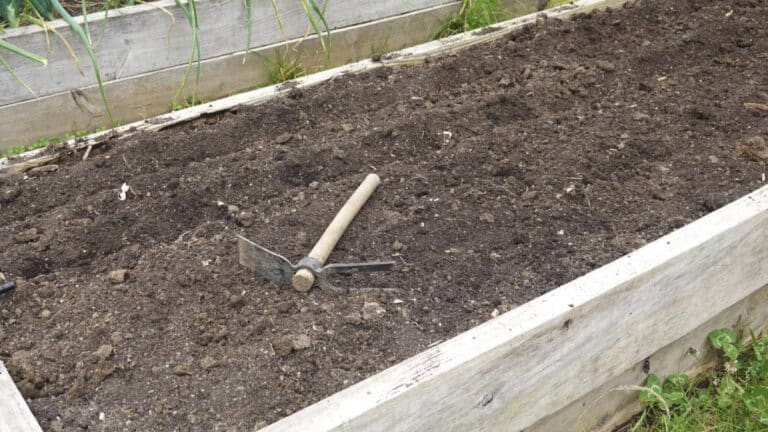
Before direct sowing outdoors, make sure you review my guide on Signs Your Soil Is Ready for Planting so you’re not working against cold, compacted ground.
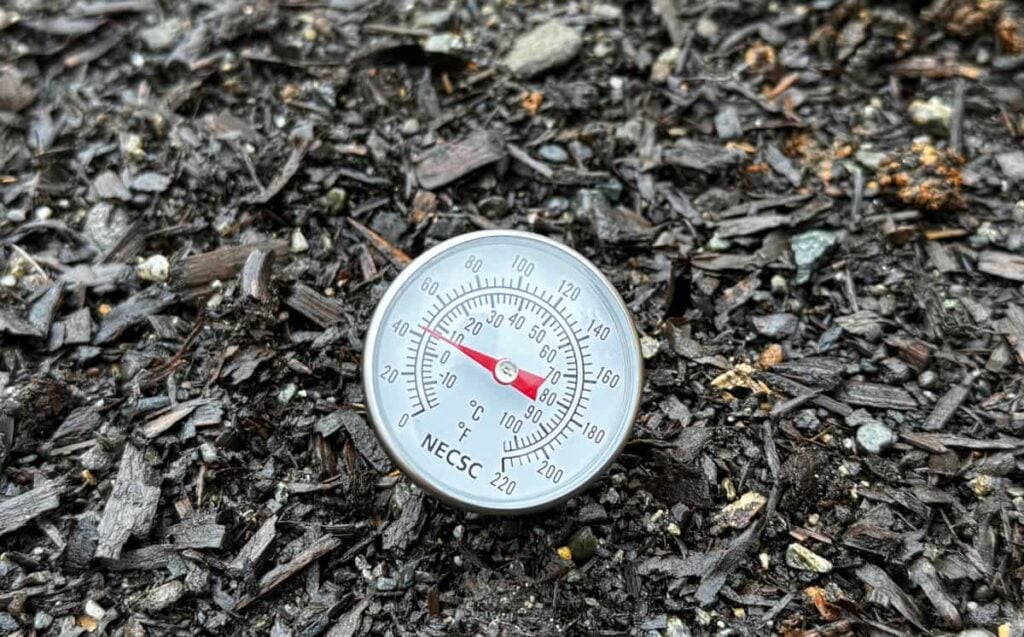
Many warm season crops like tomatoes, peppers, cucumbers, and squash prefer soil temperatures between 70 and 85°F.
If your seed trays are sitting in a chilly basement or near a drafty window, the soil may be too cold for the seeds to wake up.
What to do next:
- Move trays to a warmer location
- Use a seedling heat mat
- Check soil temperature with a simple probe thermometer
Cool-season crops like lettuce, brassicas, and spinach tolerate lower temperatures.
Overwatering Seeds Before Sprouting
Overwatering seeds before sprouting is more common than underwatering.
Seeds need moisture, but they don’t want to be drowned. When soil is constantly soggy, oxygen gets pushed out of the soil. Seeds cannot breathe, and they may rot before they have a chance to sprout.
Signs of too much water:
- Soil looks shiny or muddy
- Green algae forming on soil surface
- Musty smell
How to fix:
- Allow soil surface to dry slightly between watering
- Bottom water instead of pouring from above or use a spray bottle to lightly mist
- Improve drainage in trays
Try to target the moisture level of a damp sponge.
Underwatering or Inconsistent Moisture
On the opposite end, if seeds begin absorbing water and then dry out, the germination process stops.
Unlike established plants, seeds cannot recover from repeated drying during sprouting.
Solution:
- Mist gently to maintain consistent surface moisture
- Bottom water if soil below surface is starting to dry out
- Check on the seeds daily
Consistency is the key to successful germination.
Planting Seeds Too Deep
A general rule is: plant seeds about twice as deep as they are wide. There are always exceptions to this, but this is true for most seeds.
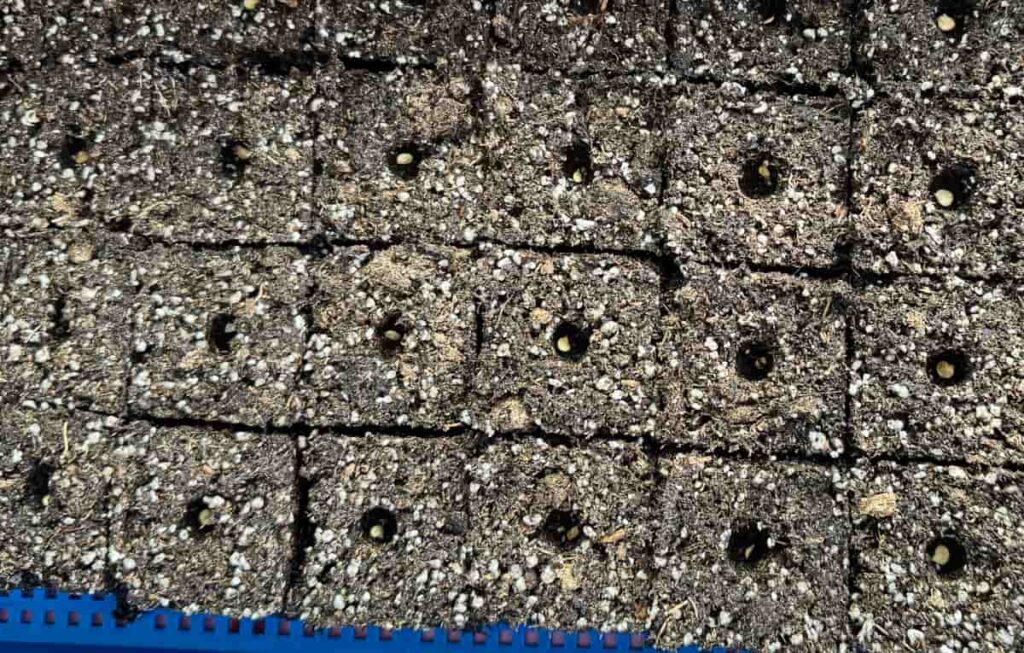
Tiny seeds like lettuce barely need covering. Larger seeds like beans go deeper.
If planted too deep, the seed may exhaust its stored energy before reaching light.
Carrots are an exception. The seeds are tiny, but plant them about ¼ inch deep. This is more than twice their width, but the seeds will do better.
If you suspect you planted too deep:
- Gently uncover one seed to inspect – Is it germinating?
- Replant at correct depth if needed
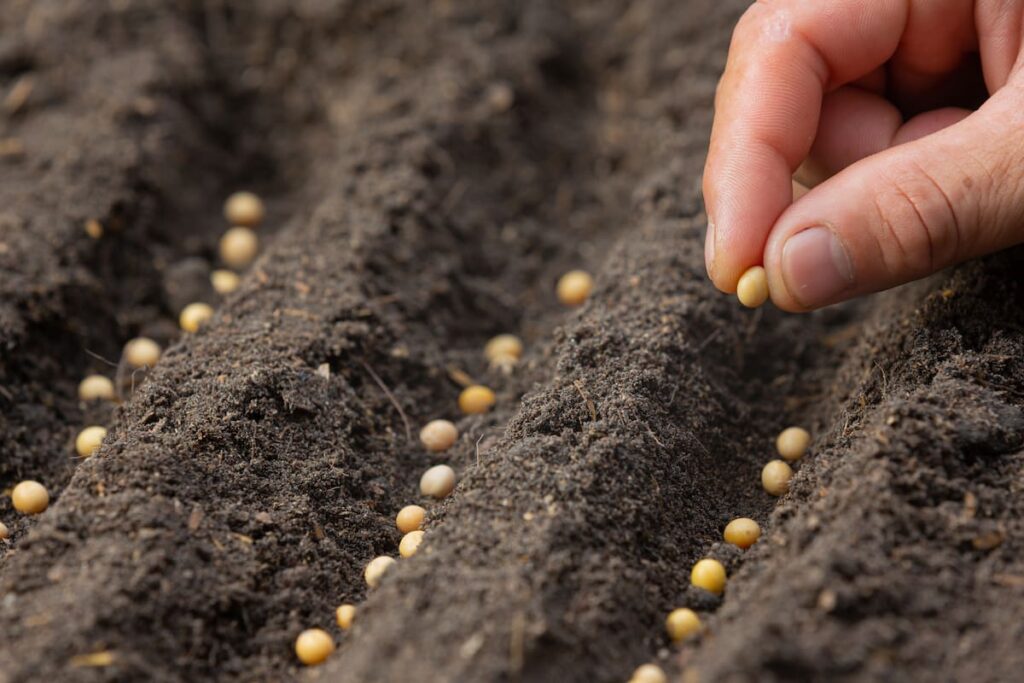
Old or Poor-Quality Seeds
Seed viability declines over time.
Improper storage, humidity exposure, or heat/sun can shorten their life dramatically.
If you’re using older packets and wondering how to test if seeds are still good, try this:
Paper Towel Germination Test
- Place 10 seeds between damp paper towels
- Seal in a plastic bag
- Keep warm for the normal germination period
- Count how many sprout
If 8 out of 10 sprout, you have an 80% germination rate. That’s still usable.
If only 2 sprout, it’s best to get fresh seed.
Damping Off Disease
Sometimes seeds sprout but collapse soon after.
This fungal issue causes seedlings to thin at the soil line and fall over. It may also stop the germination process before the seedling even reaches the surface.
Prevention:
- Use sterile seed starting mix
- Avoid overwatering
- Provide good airflow
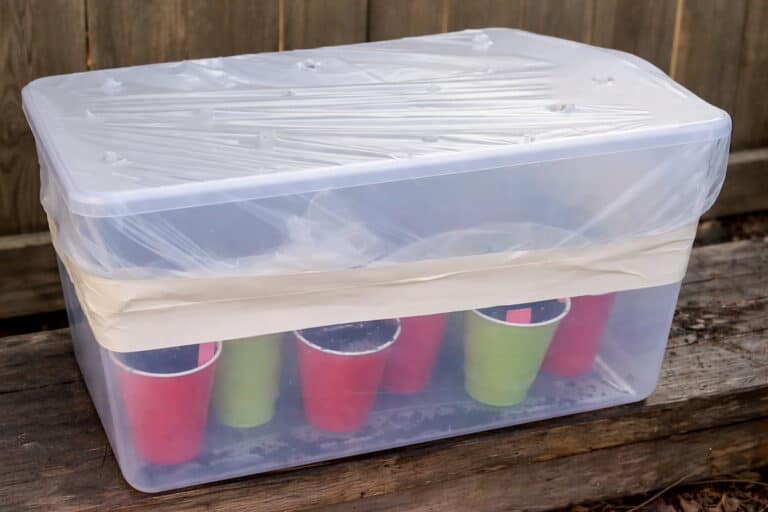
- Don’t use a humidity dome
Airflow is as important as water. Not enough air gives fungal diseases like dampening off the perfect conditions to take over. Once dampening off attacks a seedling, you can’t save it.
How to Fix Poor Seed Germination
If your seeds are not germinating, here’s your reset plan:
- Check temperature – heat or cool your soil to fit the requirements of the seed
- Adjust watering – make sure soil is evenly damp, but not soggy
- Confirm planting depth – replant deeper or shallower depending on seed needs
- Test seed viability – See the paper towel test under the Old or Poor Quality Seeds section
- Replant with fresh seed if needed
Gardening is rarely ruined by one failed tray of seedlings. The lesson it teaches is a right of passage for every gardener.
Should You Replant or Wait?
If you are still within the normal germination window for the seed variety, wait.
If you are beyond the expected timeline and soil conditions were less than ideal, check for germination first. Gently uncover a seed to see if it has broke open or started to sprout. If not, replant with adjustments.
Sometimes the best decision is to start over with better conditions rather than hoping for a miracle. It’ll save you time in the long run, too.
Preventing Starting Seeds Indoors Problems Next Time
For stronger germination:
- Use quality seed starting mix
- Label trays with planting date
- Maintain appropriate soil temperatures
- Bottom water and/or lightly mist the top
- Provide bright light immediately after sprouting
Seeds are not complicated, but they can be picky about their conditions.
When you give them what they need, you’ll find that starting seeds is quite easy.
Strong Germination Is Only Step One
Even if you solve why seeds didn’t sprout and get beautiful seedlings this round, your work isn’t finished. The next challenge is moving those seedlings into the garden without setting them back. In my post How to Know When Seedlings Are Ready to Transplant I detail how to know when it’s time to move them outside.
Many gardeners think germination is the hard part. In reality, transplant shock is where momentum is often lost. Read How to Transplant Seedlings Without Losing Them to learn about hardening off and moving your seedlings outside.
If you want to understand why some plants transplant easily and others struggle, I break that down in detail in my post on Why Some Plants Transplant Easily and Others Struggle. Getting this step right ensures your seed starting success actually translates into harvest.
Frequently Asked Questions: Why Seeds Didn’t Sprout
Q: Why are my seeds not germinating indoors?
A: Seeds not germinating indoors is usually caused by incorrect moisture, low soil temperature, poor seed quality, or planting too deep. Most vegetable seeds need consistent moisture and soil temperatures between 65 and 85°F to sprout. If soil is too cold, too wet, or allowed to dry out, germination can fail.
To fix this:
- Check soil temperature
- Keep soil evenly moist, not soggy
- Use fresh seeds
- Follow proper planting depth guidelines
Q: How long should I wait before giving up on seeds?
A: Most vegetable seeds sprout within 5 to 14 days. Slow growers like peppers and parsley may take up to 21 days.
Before replanting:
- Check the seed packet for expected germination time
- Make sure soil temperature is appropriate
- Gently uncover one seed to inspect for swelling or rot
If you are well beyond the recommended timeframe and conditions were not ideal, it is usually best to replant.
Q: Can seeds fail to sprout if planted too deep?
A: Yes. Planting seeds too deep is one of the most common reasons seeds don’t germinate properly.
Seeds contain a limited energy supply. If planted too deep, they may run out of energy before reaching the surface. A general rule is to plant seeds about twice as deep as their width. Very tiny seeds often need only a light dusting of soil or should be surface sown. Follow the seed packet planting depth recommendation.
Q: Do seeds need light to germinate?
A: Most vegetable seeds do not need light to germinate, but they do need warmth and moisture. However, some small seeds like lettuce and certain flowers require light to sprout and should not be buried deeply.
Always check the seed packet for soil depth and light requirements.
Q: Will old seeds still grow?
A: Old seeds can still grow, but germination rates decline over time.
Seed lifespan varies:
- Onion seeds often last 1 to 2 years
- Peppers and tomatoes may last 3 to 5 years
- Beans and peas often last 3 to 4 years
If you are unsure, perform a simple paper towel germination test to check viability before planting.
Q: What temperature is too cold for seeds to sprout?
A: Most warm-season vegetables struggle to germinate below 60°F soil temperature. Tomatoes, peppers, cucumbers, and squash prefer soil temperatures between 70 and 85°F.
Cool-season crops like spinach and lettuce tolerate cooler soil but still prefer temperatures above 50°F for reliable germination.
Using a soil thermometer or seedling heat mat can dramatically improve results.
Q: Can overwatering stop seeds from sprouting?
A: Yes. Overwatering seeds before sprouting can cause them to rot.
Seeds require oxygen to germinate. When soil is constantly saturated, air pockets disappear and seeds suffocate. The soil should feel like a damp sponge, not muddy or waterlogged.
Bottom watering helps prevent overwatering issues.
Q: Why did my seedlings sprout and then die?
A: If seedlings sprout and then collapse at the soil line, damping off disease is likely the cause. This fungal problem thrives in overly wet conditions with poor airflow.
Prevention includes:
- Using sterile seed starting mix
- Avoiding overwatering
- Removing humidity domes after sprouting (I recommend avoiding these altogether)
- Providing gentle airflow
Q: Should I soak seeds before planting?
A: Some seeds benefit from soaking, especially thick-coated varieties like peas, beans, and beets. Soaking for 8 to 12 hours can speed up germination.
However, very small seeds should not be soaked, as they can become difficult to handle and may rot if left too long in water.
Q: How can I improve seed germination rates?
A: To improve seed germination:
- Use fresh, high-quality seeds
- Maintain consistent moisture
- Keep soil at the proper temperature
- Plant at correct depth
- Provide proper airflow
Small adjustments in warmth and watering habits often make the biggest difference.