Determinate vs Indeterminate Tomatoes: Simple Secrets to Bigger Harvests
If you’ve ever stood in a nursery aisle scratching your head at the words “determinate” and “indeterminate,” you’re not alone. These terms are the key to understanding how your tomatoes will grow, support themselves, when they’ll produce, and how much work you’ll need to put into them throughout the season. Knowing which type you have—or if you should plant determinate vs indeterminate tomatoes—makes a huge difference in planning, care, and ultimately, your harvest. Let’s break it down simply, so you can grow tomatoes successfully without feeling overwhelmed.
*As an Amazon Associate I may earn from qualifying purchases at no cost to you.
What Are Determinate vs Indeterminate Tomatoes?
In simple terms what determinate vs indeterminate tomato describes is the plant’s growth habit. How big the plant will get and how it produces fruit.
- Determinate tomatoes grow to a set size and produce most of their fruit in a relatively short time. They’re sometimes called “bush” tomatoes because of that compact growing habit. Once the main crop is done, the plant slows down for the season. This makes them great for canning or for gardeners who want a big harvest all at once. They’re also great for small space gardening.
- Indeterminate tomatoes don’t have a natural stop point. They keep growing, flowering, and producing fruit until frost or stress sets in. These vines can grow tall, often needing a strong support system, but the reward is fresh tomatoes throughout the entire season.
This single genetic difference affects nearly every decision you make about your tomato plants: space, staking, pruning, watering, feeding, and even how you harvest.
Growing Space & Support Needs
Determinate tomatoes are usually compact, often topping out at about feet for typical varieties. They don’t require heavy-duty support. A simple cage or stake is enought to keep the plant upright and prevent fruit from touching the soil. Determinates also fit well into containers, raised beds, or smaller garden plots, making them a great choice for beginner gardeners. Read more in my guide to Growing Tomatoes in Small Spaces.
Practical tip: use a tomato cage slightly taller than the expected plant height to allow airflow and prevent branches from breaking under fruit weight.
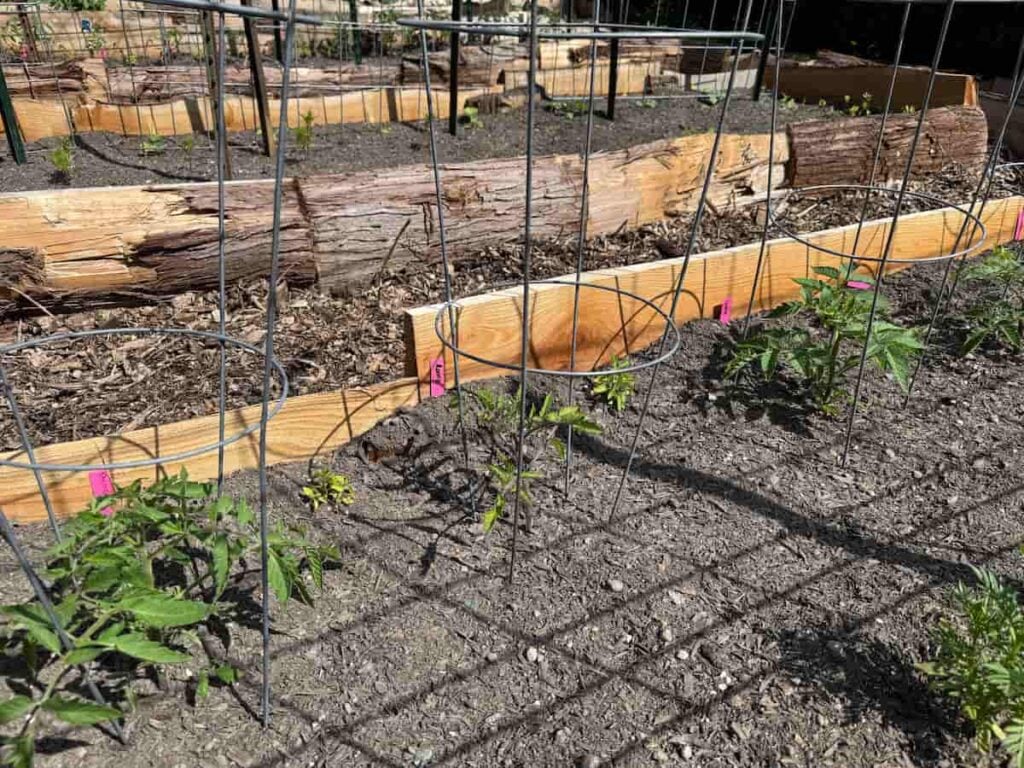
Indeterminate tomatoes, on the other hand, are expert climbers. They can reach 6–8 feet or more, sprawling in all directions. Strong stakes, trellises, or cages are essential to keep these tomatoes contained. Some gardeners even tie their indeterminate vines to string supports or build custom trellises to handle the weight of the fruit. Without support, these plants can flop over, making harvesting difficult and increasing the risk of disease.
If you’re working with limited space, vertical gardening with indeterminate tomatoes is a game-changer. I use a cattle panel trellis for my indeterminate tomatoes and it works great. It’s tall, strong, and has no problem supporting the weight of several tomato plants at once.
Watering & Feeding: Same Soil, Different Rhythm
All tomatoes require consistent moisture and rich, well-draining soil. But the type you grow will influence how you water and feed.
- Determinate tomatoes go through a quick, intense fruiting period. They are more sensitive to inconsistent watering during this time, which can cause fruit cracking or blossom end rot. Keep soil evenly moist and mulch around the base to reduce evaporation. Fertilize lightly when planting, and again when flowers set.
- Indeterminate tomatoes have a long, continuous fruiting period. Watering should be steady throughout the season, and fertilization may need to be repeated every 3–4 weeks, depending on soil fertility. Since the plants keep growing, they’ll constantly pull nutrients from the soil. Feeding regularly keeps fruit sizes consistent.
Regardless of type, the goal is the same: deep, steady watering rather than shallow, frequent sips, and feeding with a balanced tomato fertilizer like this Happy Frog Tomato and Vegetable fertilizer to encourage strong growth and abundant fruit.
Pruning & Training Your Tomatoes
Pruning is where care differences in these two types of plants really stand out.
- Indeterminate tomatoes benefit from pruning to remove suckers (the small shoots that grow between the main stem and branches). Training a single leader stem and keeping the plant upright improves airflow, reduces disease risk, and encourages larger fruit. You should also pinch off the bottom few leaves to prevent soil splash from spreading fungal spores.
- Determinate tomatoes generally do not need much pruning. Removing stems or flowers can actually reduce your total yield, because these plants produce all their fruit within a short time frame. The best strategy is simply to remove dead or damaged leaves and lightly support the plant with a cage if needed. If the plant gets a little crowded, you can remove some of the suckers or leaves to improve airflow.
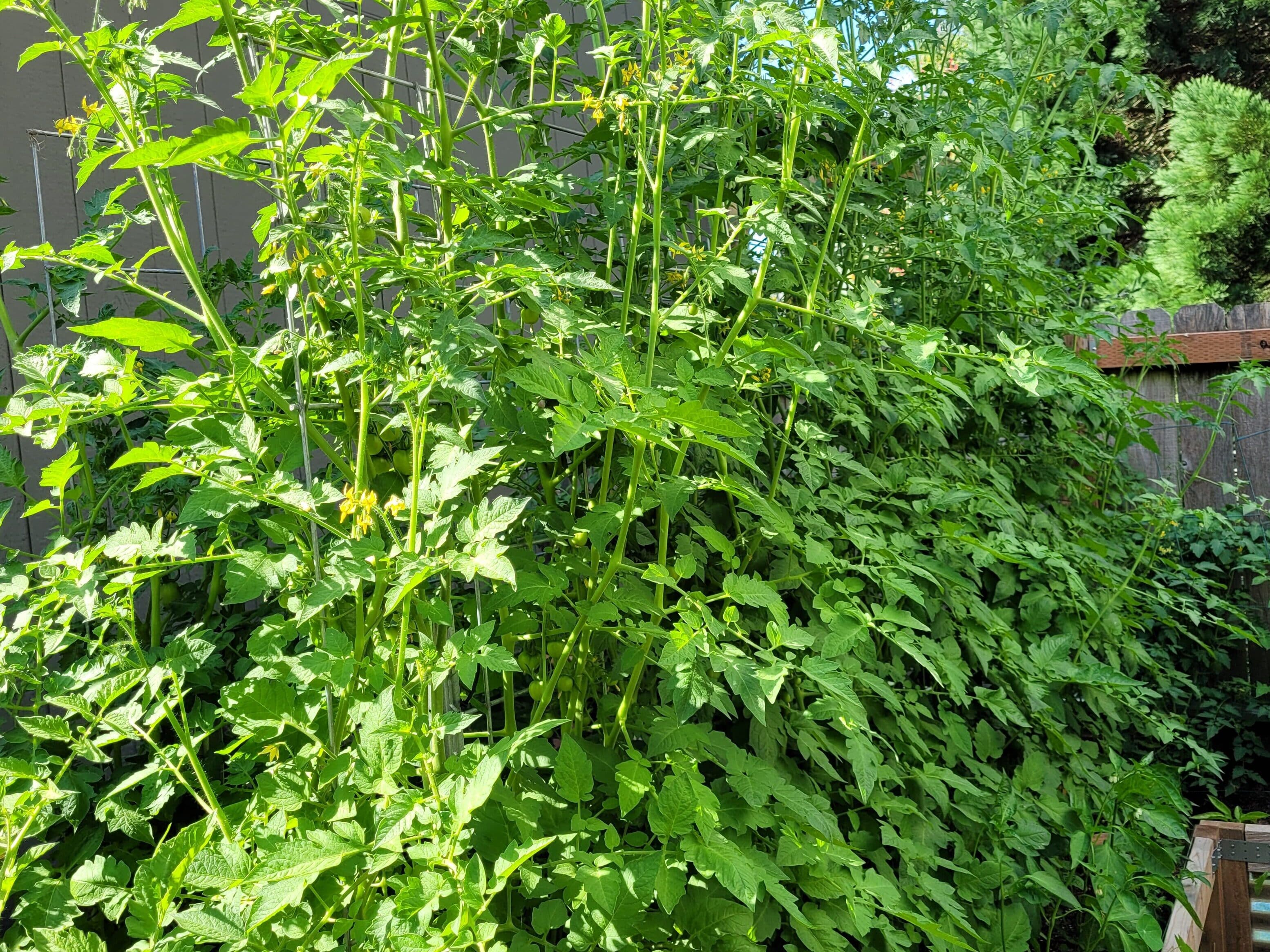
Learn more about Why Airflow is Important for Healthy Plants to discover why this makes such a big differenc in the health of your plants.
Training your tomatoes properly prevents overcrowding and maximizes sunlight exposure for every leaf. For beginners, a simple trellis or cage works for either type, but indeterminate vines may need occasional tying as they grow taller.
Harvest Timing & Best Uses
Your choice of tomato type also dictates harvest planning:
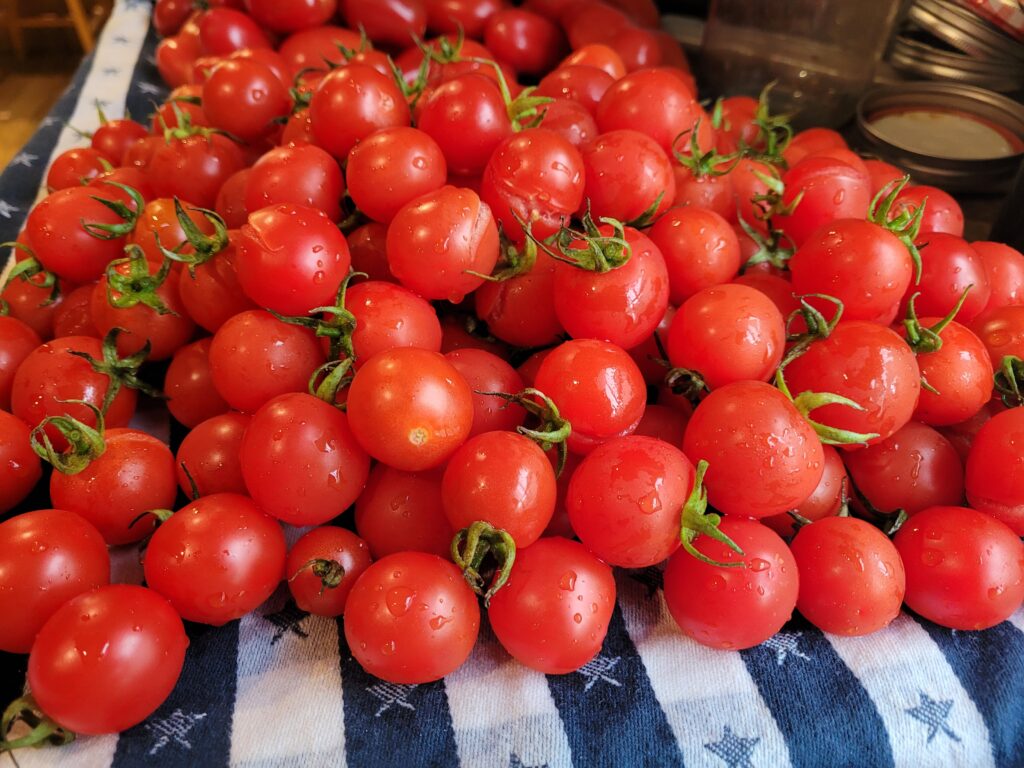
- Determinate tomatoes produce a concentrated harvest over about a 2–3 weeks (average). This is ideal for gardeners who want to can or preserve tomatoes all at once. You can pick, process, and store large batches, which is convenient if you make and/or can sauces, other tomato products like crushed tomatoes or diced tomatoes, or salsa like my fermented salsa recipe.
- Indeterminate tomatoes provide a continuous harvest, which is perfect for fresh eating throughout the season. You’ll enjoy a steady supply for salads, sandwiches, or snacking without having to process large quantities at once. A small pruning schedule ensures flowers keep developing and fruit continues ripening.
Refer to my guide on When to Harvest for Best Flavor to ensure you harvest at the right time to get the best flavor.
Common Problems & How to Fix Them
Both types have challenges, but they differ slightly:
- Indeterminate tomatoes sprawl more and can create crowded conditions if not properly spaced, leading to poor airflow and higher disease risk. Keep at least 2–3 feet between plants, and prune for air circulation. This is a must and means they require more maintenance throughout the season.
- Determinate tomatoes are less prone to sprawling, but dense fruit clusters can weigh down branches. Light staking or a supportive cage prevents breakage and keeps fruit off the soil.
Other general tips: rotate crops each year, mulch heavily to conserve moisture and reduce soil-borne diseases, and keep an eye out for pests like tomato hornworms. Learn about Common Tomato Diseases so you can spot them early and intervene before it’s too late.
Quick Decision Guide: Which Type Is Right for You?
- Want big batches for canning or salsa? Go determinate.
- Want fresh tomatoes all summer for salads? Go indeterminate.
- Have a small garden or container space? Determinate is easier.
- Enjoy vertical gardening or training vines? Indeterminate is ideal.
You can grow both types in the same garden, like I do, to enjoy both concentrated harvests and ongoing supply.
Final Thoughts
Understanding the difference between determinate vs indeterminate tomatoes simplifies every aspect of tomato care: spacing, support, pruning, watering, feeding, and harvesting. By picking the right type for your garden style, you can save time, prevent common problems, and maximize your yield. For more tips on timing your tomato planting and getting the most from your garden.
Whether you’re a first-time gardener or a seasoned homesteader, selecting the right tomato type and giving it the care it needs will set you up for a season full of juicy, flavorful harvests.
Frequently Asked Questions — Determinate vs Indeterminate Tomatoes
Q: What’s the main difference between determinate and indeterminate tomatoes?
At the most basic level, determinate tomatoes grow to a set size, stop growing upward, and produce most of their fruit in a burst. Indeterminate varieties keep growing taller and spreading their fruiting throughout the whole season until frost or stress stops them.
Q: How can I tell if my tomato plant is determinate or indeterminate?
Your seed packet or plant label usually tells you the type. If you don’t have that, you often need to watch how it grows — compact layers of fruit all at once suggest a determinate habit, while vines that keep reaching up and down your support are likely indeterminate.
Q: Do determinate tomatoes need support like stakes or cages?
They can benefit from some support, especially when heavy with fruit, but they’re generally bushier and don’t need big trellises like indeterminates do. A simple cage or stake helps keep fruit off the ground.
Q: Are cherry tomatoes determinate or indeterminate?
Most cherry types are indeterminate and will keep producing small fruit throughout the season. But some dwarf or patio cherry varieties behave more like determinate plants.
Q: Can you prune determinate tomatoes the same as indeterminate ones?
Pruning is more common with indeterminate vines to manage height and airflow. With determinate plants, heavy pruning often reduces your yield because you remove flowering growth they need for fruit.
Q: What if my plant doesn’t show obvious differences early on?
Young seedlings of both types can look very similar. The easiest way to eventually tell is to see whether it continues adding new growth and fruit clusters over time (indeterminate) or remains compact and fruits in bursts (determinate).
Q: Is one type better for containers or small gardens?
Determinate tomatoes tend to suit containers and small spaces because they don’t get huge and sprawling. Indeterminate vines benefit from larger beds and sturdy vertical support.
Q: What about semi‑determinate tomatoes — are they a real thing?
Yes! Some varieties fall between strict determinate and strict indeterminate habits. They may stay somewhat compact but still produce over a longer period. Nurseries might label them as “semi‑determinate.”